

♥ Wishlist
Compare 15 Bosch Cordless Radios products in Australia. Reviews, ratings, pros, cons and buying advice updated for October 2026.

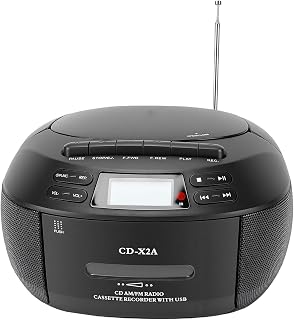


An advanced Bosch cordless radio is more than a portable speaker for a worksite. The better models are designed around the practical demands of construction sites, workshops, renovations, outdoor projects and mobile work areas where mains power may not be immediately available. When comparing Bosch cordless radios in Australia, the most useful approach is to look beyond headline features and assess battery compatibility, radio reception, Bluetooth connectivity, sound performance, durability, portability, controls, power options and the conditions in which the radio will actually be used.
Bosch has produced cordless jobsite radio solutions in different configurations, including models aimed at users who want straightforward radio functionality and more advanced versions with features such as Bluetooth connectivity, digital radio reception on applicable models, mains operation and robust jobsite-oriented construction. The right choice therefore depends less on finding a universally "best" radio and more on matching the radio to your existing Bosch battery platform and working environment.
The term "advanced" can mean different things depending on how you intend to use the radio. For one buyer, it may mean reliable Bluetooth streaming and clear sound. For another, it may mean DAB+ reception, multiple power sources, strong protection against knocks and a design that can remain on a busy construction site throughout the day.
Battery compatibility should be checked before comparing sound quality or additional features. Bosch uses more than one battery ecosystem, and a Bosch battery is not automatically compatible with every Bosch cordless product simply because it has a similar voltage rating.
For Australian buyers, carefully identify whether the radio belongs to the Bosch Professional battery platform or the Bosch Home & Garden ecosystem. The Bosch Professional 18V system and Bosch 18V POWER FOR ALL system serve different product ranges. Do not assume that a battery from one platform can be transferred to the other.
If you already own several Bosch Professional 18V tools, a compatible Bosch Professional radio can be particularly attractive because you may be able to use batteries already in your workshop. Conversely, buyers with Bosch Home & Garden equipment should check compatibility within that specific ecosystem rather than purchasing solely on the basis of the Bosch name.
A cordless radio becomes considerably more convenient when its battery is already part of your tool collection. You may not need to purchase a separate battery and charger if your existing equipment uses the same compatible platform.
However, the battery you choose can influence the radio's portability. A larger-capacity battery may provide longer operating potential but can also add weight. If the radio will be carried around a renovation site frequently, the lightest practical battery may be preferable. If the radio will remain in one workshop location for extended periods, additional battery capacity may be more important.
Connectivity is one of the biggest differences between basic and advanced cordless radios. Consider where the radio will be used and how you normally listen to audio.
FM remains useful when you want conventional broadcast radio without relying on a smartphone or mobile data connection. Reception quality depends on the radio's antenna, local signal strength, surrounding structures and interference from the working environment.
DAB+ can be an important feature for Australian buyers who regularly listen to compatible digital radio broadcasts. If DAB+ is important to you, confirm that the exact Bosch model you are considering supports DAB+ rather than assuming every cordless radio in the range does.
Digital radio can be especially useful when you want access to available digital stations without relying on Bluetooth streaming. As with any radio technology, actual reception varies by location, building structure and local broadcast coverage.
Bluetooth is valuable when your preferred listening source is a smartphone, tablet or other compatible device. It can also make a cordless radio more versatile because you are not restricted to local broadcast stations.
Before buying, consider the practical Bluetooth experience rather than simply looking for the word "Bluetooth" in a specification list. Useful factors include connection stability, ease of pairing, control accessibility and whether the radio allows you to operate it comfortably while wearing work gloves.
Jobsite radio sound quality should be judged differently from the sound of a home hi-fi system. A construction environment can contain saws, drills, compressors, vehicles, generators and other loud equipment. A radio that sounds impressive in a quiet room may not be equally useful on a noisy worksite.
Look at the overall speaker arrangement rather than focusing on one headline wattage figure. A well-designed enclosure and sensible speaker placement can affect how clearly voices, music and broadcast audio are perceived.
High maximum volume can be useful outdoors, but louder is not automatically better. Excessive volume can make speech harder to understand and may encourage users to operate the radio at unnecessarily high levels.
For many workshops and renovation projects, clear audio at moderate volume is more useful than extreme output. This is particularly relevant if you listen to talk radio, podcasts or spoken instructions rather than music exclusively.
A radio with strong bass can make music more enjoyable, but excessive low-frequency emphasis can reduce perceived clarity. When comparing specifications, consider whether your priorities are music playback, spoken-word content, general background listening or a mixture of all three.
A cordless radio used around power tools faces a very different environment from a household Bluetooth speaker. Dust, vibration, accidental knocks, movement between work areas and exposure to changing temperatures can all affect long-term usability.
Look for a design that appears suited to workshop and jobsite handling. Protective structures can help shield important controls and the radio enclosure from everyday impacts, while a stable base can reduce the chance of the unit being knocked over.
One of the most common buying mistakes is treating a rugged appearance as proof of complete weatherproofing. Unless the manufacturer explicitly provides a suitable protection rating or weather-resistance specification, do not assume that a cordless radio can safely be left in rain or exposed to prolonged moisture.
Even if a product is designed for demanding working environments, sensible protection is still required. Keep the radio away from standing water, direct rain and unnecessary moisture, and follow the manufacturer's operating and cleaning instructions.
A good cordless radio should be easy to move when the job changes. Think about where the radio will normally sit before choosing a model.
Battery runtime should never be treated as a single fixed number unless the manufacturer provides a specific test condition. Actual operating time can vary substantially according to battery capacity, volume level, Bluetooth use, radio reception and other operating conditions.
A higher-capacity battery generally offers more stored energy than a smaller-capacity battery, but it can also increase the overall weight and size of the cordless radio setup. For a radio that stays in one location, that trade-off may be insignificant. For a radio that is carried from room to room or between work areas, it can become more noticeable.
A smaller compatible battery may be suitable when portability is the priority or when the radio is used for shorter sessions. It can keep the overall package lighter and easier to carry.
A larger battery can be more appropriate when the radio is used for long work sessions, particularly if you do not want to stop frequently to replace or recharge batteries. The exact runtime should still be checked against the manufacturer's information for the specific radio and battery combination.
Bosch is not the only established manufacturer producing jobsite-oriented audio equipment. Buyers may also compare Bosch with brands such as Makita, DeWalt and Milwaukee. The most important comparison is not simply which brand has the loudest radio; it is which ecosystem and feature set best fit your existing tools.
Bosch can be a logical choice for users already invested in a compatible Bosch battery platform. The brand's professional power-tool ecosystem also makes it worth considering when you want your radio to complement an existing collection of cordless tools.
Makita is another major professional power-tool brand with a broad cordless ecosystem and jobsite-oriented radio products. Buyers already using compatible Makita batteries may find the ecosystem approach more important than small differences in audio features.
DeWalt offers a substantial professional cordless tool ecosystem and has produced jobsite radio solutions aimed at demanding working environments. Existing DeWalt users should compare battery compatibility, physical design and audio features against the equivalent Bosch option.
Milwaukee is another prominent professional tool brand with cordless audio equipment. Its products can be particularly relevant to tradespeople already using the corresponding Milwaukee battery platform.
The best brand is therefore often the one that fits the tools and batteries you already own. Starting from the battery ecosystem can eliminate incompatible options before you spend time comparing secondary features.
When researching Bosch professional cordless radios, model numbers matter. A similar-looking radio may have a different feature set, radio tuner configuration, power arrangement or connectivity options.
Models such as the Bosch GPB 18V-5 C and GPB 18V-5 SC illustrate why the exact model suffix should be checked carefully. The SC version is associated with additional digital-radio functionality compared with the C version, so buyers should not treat the two names as interchangeable.
Always verify the specification of the exact model sold in Australia before making a purchase. Regional configurations, included accessories and package contents can differ, and a product listing may refer to a body-only configuration rather than a kit containing a battery and charger.
Two listings for what appears to be the same Bosch radio can represent very different purchases. One may contain the radio only, while another may include a battery, charger or additional accessories.
Before purchasing, check the exact contents of the box. Do not assume that "18V cordless" means a battery and charger are included.
Bosch is a recognised power-tool brand, but brand reputation does not eliminate the need to check compatibility and specifications. The correct Bosch radio for one buyer may be unsuitable for another.
This is one of the most expensive avoidable mistakes. Confirm the exact battery family before purchasing.
Digital radio functionality varies by model. If DAB+ is a requirement, confirm it in the exact product specification.
A rugged construction-site design is not the same as a waterproof rating. Check the manufacturer's stated protection information.
Output figures alone do not tell you how enjoyable or intelligible a radio will sound. Enclosure design, speaker arrangement and real-world listening conditions also matter.
The listed weight of the radio may not represent the final weight when a battery is installed. If portability is important, consider the complete operating setup.
Product ranges evolve. An older Bosch model may still be relevant, but Australian buyers should verify current retailer availability, included accessories, support information and the exact specification before choosing it over a newer alternative.
The Bosch Professional and Bosch Home & Garden ranges are not simply two versions of the same battery system. Check compatibility carefully rather than assuming every 18V Bosch battery is interchangeable.
Prioritise physical robustness, battery compatibility, stable placement, easy controls and useful radio or Bluetooth connectivity. A radio that integrates with batteries already used on the site can be more practical than choosing solely on audio specifications.
Portability and battery-platform compatibility may be particularly important because the radio may move between rooms, floors and different work areas. A compact setup can be preferable when floor and bench space is limited.
Workshop users may value clear audio, stable placement and easy Bluetooth connectivity. If the radio will remain near woodworking equipment, consider how easily dust and debris can accumulate around the unit and follow the manufacturer's cleaning guidance.
A Bosch radio can be useful for longer renovation sessions, but buying an expensive professional model may not make sense if you only need occasional Bluetooth audio. Compare the feature set against how frequently the radio will actually be used.
Outdoor users should place greater emphasis on reception, portability and protection from moisture. Never assume that outdoor use automatically means the radio is designed to remain outside in changing weather conditions.
Not every premium feature is valuable to every buyer. Consider paying more when the feature directly solves a problem you regularly encounter.
Avoid paying for features simply because they appear impressive in a specification list. If you rarely listen to broadcast radio, a sophisticated tuner may have limited value. If the radio stays beside a workbench with mains power available, maximum battery capacity may also be less important.
Likewise, a tradesperson who primarily listens through Bluetooth may gain more practical value from reliable connectivity and straightforward controls than from additional radio functions they will rarely use.
A cordless radio should not become an additional workplace hazard. Position it where it cannot obstruct walkways, interfere with tools, block emergency access or become unstable when the surrounding work area changes.
Regular basic care can help keep a cordless radio in better working condition. Construction environments are naturally dusty, so inspect the enclosure and accessible openings periodically rather than allowing accumulated debris to build up.
Use the cleaning method specified by Bosch for the exact model. Avoid aggressive solvents, excessive water or improvised cleaning methods that could damage plastics, controls, seals or electronic components.
When the radio is not being used for an extended period, store it in a dry and appropriate environment and follow the battery manufacturer's storage recommendations. Batteries should be handled and stored according to the instructions supplied with the battery.
A simple comparison framework can make a long list of specifications much easier to understand. Instead of scoring every feature equally, give greater importance to the factors that affect your daily use.
When comparing cordless radios from Australian retailers, read the complete product description rather than relying on the title alone. Retailer listings can use abbreviated model names and may combine several configurations under one product family.
Pay attention to model numbers, package contents, battery inclusion, charger inclusion, radio capabilities and warranty information supplied by the manufacturer or retailer. Also compare the exact model rather than assuming that two similarly named products have identical specifications.
The lowest advertised radio price is not necessarily the lowest overall cost. A body-only radio may require a compatible battery and charger, while a bundle may contain everything required to begin using the product.
If you already own compatible Bosch batteries and chargers, the body-only option may be more attractive. If you are new to the platform, compare the complete cost of the radio, battery and charging equipment.
Also remember that battery capacity can influence long-session convenience. Buying a cheaper radio and then adding batteries separately may produce a different total cost from purchasing a complete kit.
A Bosch cordless radio makes the most sense for buyers who value integration with a Bosch tool ecosystem, need portable audio for workshops or jobsites, or want a more purpose-built worksite radio than a conventional consumer Bluetooth speaker.
It can be particularly compelling for tradespeople who already have compatible Bosch batteries. In that situation, the radio becomes another useful device within an existing cordless setup rather than an isolated audio purchase.
If you mainly need portable music for occasional household use, a standard consumer Bluetooth speaker may be sufficient. A professional cordless radio can include construction-oriented features that are unnecessary for casual listening.
Similarly, if you do not own compatible Bosch batteries, compare the total purchase cost carefully. A cordless jobsite radio becomes more financially compelling when its battery ecosystem can already be shared with tools you own.
Before selecting a product for a 2026 Australian buying guide, evaluate each candidate against the same criteria. This reduces the risk of ranking one radio highly simply because it has more specifications than another.
There is no single best model for every Australian buyer. The right choice depends on your Bosch battery platform, preferred audio sources, desired portability, working environment and whether features such as DAB+ or mains operation are important.
They can be worthwhile when you need a robust portable radio for a workshop, construction site, renovation or other demanding environment, particularly if you already own compatible Bosch batteries. For casual home listening, a conventional Bluetooth speaker may provide better value.
Several Bosch professional cordless radio solutions are designed around the Bosch Professional 18V ecosystem, but buyers should verify the exact battery compatibility of the model being considered. Bosch also has other battery platforms, so the Bosch name and an 18V label alone should not be treated as sufficient confirmation.
Do not assume compatibility. Bosch Professional and Bosch Home & Garden products can belong to different battery ecosystems. Always verify the manufacturer's stated compatibility for the exact radio and battery.
Bluetooth availability depends on the specific model. Check the exact product specification before purchasing if smartphone streaming is essential.
No. DAB+ should be treated as a model-specific feature. If digital radio is important, confirm that the exact Australian model explicitly supports DAB+.
Some models are designed to offer mains operation in addition to battery operation, while others may be intended primarily for cordless use. Check the exact model specification rather than assuming that every Bosch radio offers both power options.
Battery capacity primarily relates to available stored energy and operating duration. It should not be interpreted as a simple measure of speaker loudness. Actual audio performance depends on the radio's electronic and speaker design.
It may be suitable for outdoor work depending on the model and conditions, but outdoor use does not automatically mean waterproof or weatherproof operation. Check the manufacturer's protection information and protect the radio from rain and moisture unless the product is specifically designed for those conditions.
If you already own the correct compatible Bosch battery and charger, a radio-only configuration may be the most practical option. If you do not own compatible batteries, compare the total cost of a kit against buying the components separately.
Professional Bosch jobsite radios are designed with demanding working environments in mind, but suitability depends on the specific model and conditions. Consider physical protection, stability, battery compatibility, controls and appropriate placement around tools and machinery.
Start with the cordless battery ecosystem you already use. If you own several compatible Bosch tools, a Bosch radio can simplify battery sharing. If your existing tools are predominantly Makita, DeWalt or Milwaukee, compare the equivalent radio within that ecosystem before switching platforms solely for an audio feature.
The strongest buying decision starts with compatibility rather than price. Identify your Bosch battery platform first, then decide how you will use the radio, whether that means construction work, workshop projects, renovation, outdoor jobs or general DIY.
Next, narrow the options according to audio requirements. Choose Bluetooth if smartphone streaming is central to your listening habits, consider DAB+ if compatible digital radio is important, and look for mains operation if the radio will spend significant time in a workshop.
Finally, compare the complete package. Check the exact model number, battery and charger inclusion, physical design, protection information, current Australian availability and verified customer feedback. This approach makes it easier to distinguish genuinely useful features from specifications that may have little practical value for your particular workload.
For an independent buying decision, compare multiple Bosch configurations rather than automatically choosing the newest or most expensive model. The best Bosch cordless radio is ultimately the one that provides the right combination of battery compatibility, audio functionality, durability, portability and convenience for the way you actually work.