

Best Corded Power Tools for Reliable Workshop Performance Products online Australia
Explore our real-time updated product directory index curated for performance, verified star metrics, and historical consumer trust rankings.
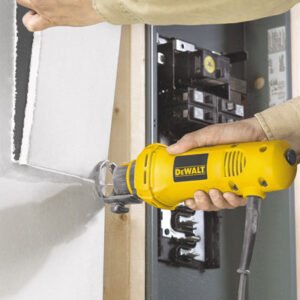
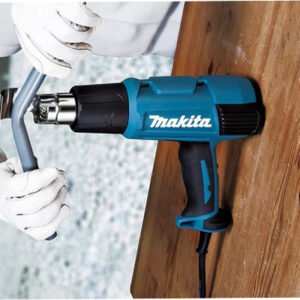
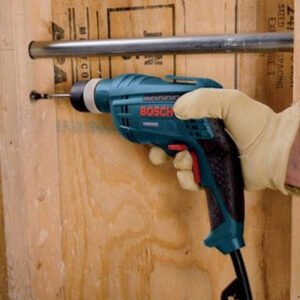
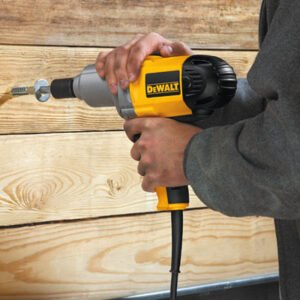
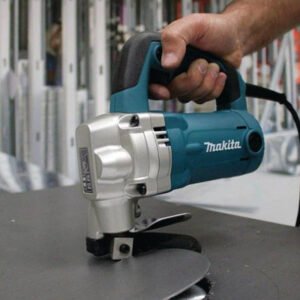
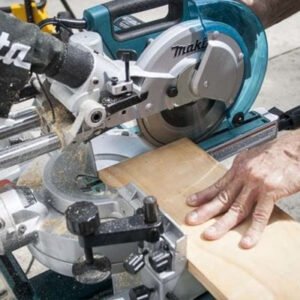
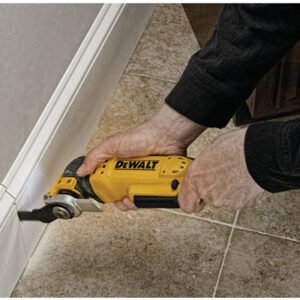
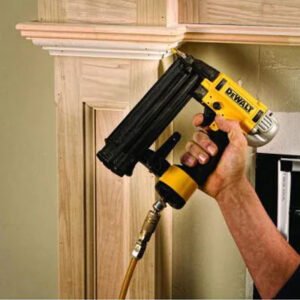
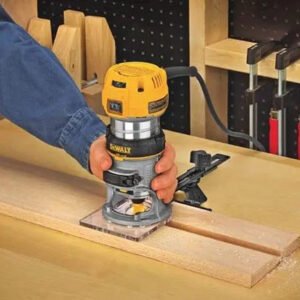
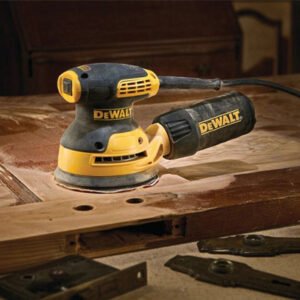
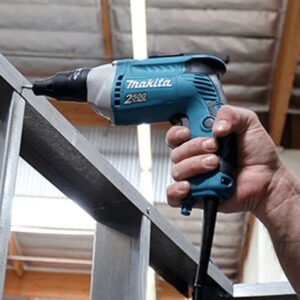
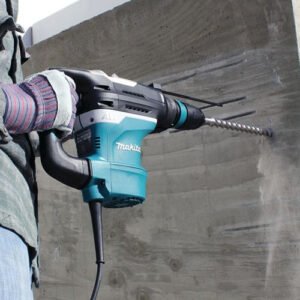
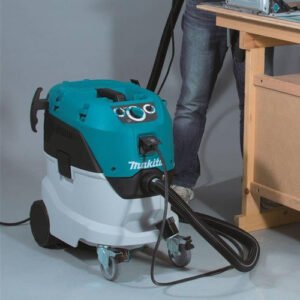
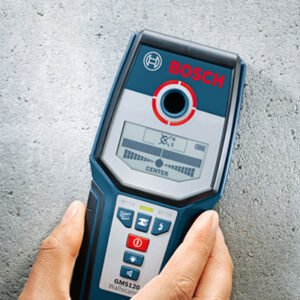


Corded power tools remain a practical choice when you need consistent electrical power for workshop, building, renovation and DIY tasks. Unlike battery-powered equipment, corded models connect directly to a suitable mains power source, making them useful for jobs where you expect to work for extended periods. This category brings together powered equipment designed for tasks such as drilling, cutting, sanding, grinding, planing and other workshop applications.
For Australian shoppers, choosing the right corded power tool starts with understanding the work you need to complete. A compact tool may suit occasional home maintenance, while a more powerful model can be appropriate for demanding workshop or trade applications. Consider the material, task, working environment and frequency of use before selecting a tool.
One of the main advantages of corded equipment is continuous operation. As long as a compatible power supply is available, you can keep working without stopping to recharge a battery. This can be particularly useful for repetitive cutting, drilling, sanding or grinding tasks.
Corded tools can also provide a practical solution for fixed workshop areas where access to mains electricity is convenient. They are well suited to users who prioritise uninterrupted operation and do not need the portability offered by cordless equipment. For longer projects, eliminating battery changes can also simplify your workflow.
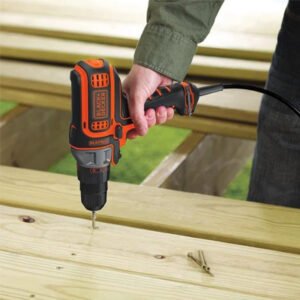
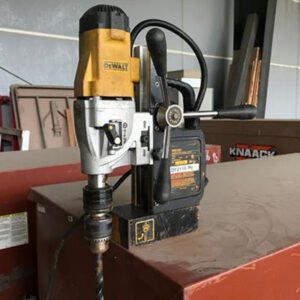
Corded drills are useful for drilling holes in suitable materials and completing a range of workshop and maintenance tasks. Look for the appropriate chuck, speed control and power specifications for your intended applications.
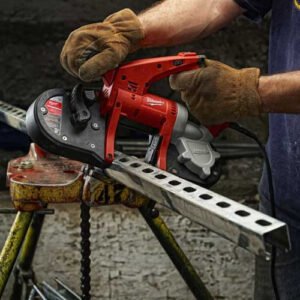
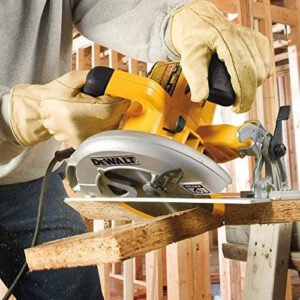
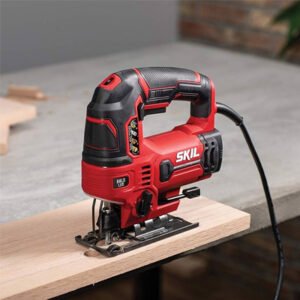
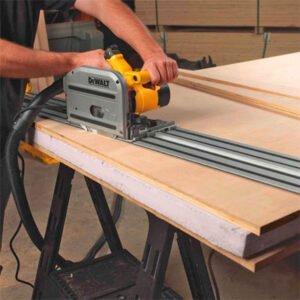
Corded saws can help with controlled cutting across timber, sheet materials and other suitable workpieces. Different saw designs serve different purposes, so consider the required cutting depth, blade type and material before buying.
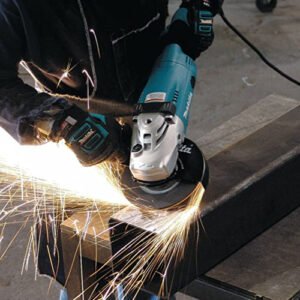
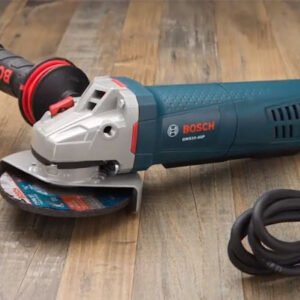
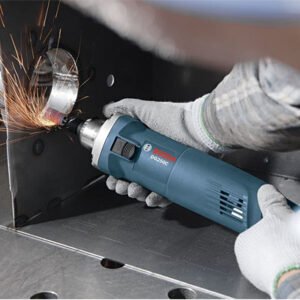
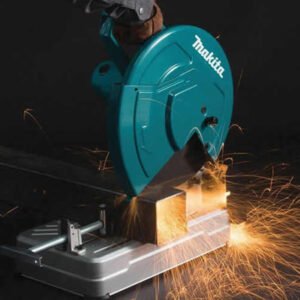
Sanders help prepare and smooth surfaces, while grinders are designed for applications such as material removal, surface preparation and suitable cutting or finishing work. Select accessories that are compatible with the specific tool and application.
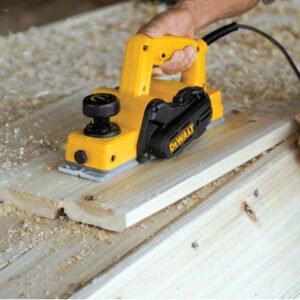
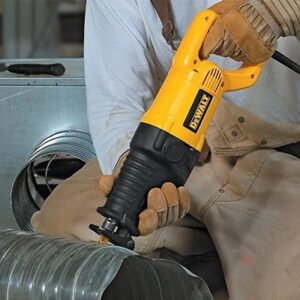
The wider corded power tool range can include equipment for planing, multi-purpose applications, metalworking and other specialist jobs. Matching the tool design to the task can improve control, efficiency and the quality of the finished result.
Start by identifying the material and task. A tool intended for timber may have different requirements from one designed for masonry or metal. Check the manufacturer's specifications for recommended applications, operating requirements and compatible accessories.
Power and performance are also important considerations. Higher power does not automatically make a tool suitable for every application. The right combination of power, speed, control and tool design is more useful than choosing based on one specification alone.
Ergonomics can make a noticeable difference during extended work. Consider the tool's weight, grip, controls and overall balance. A comfortable design may help you maintain better control when completing repetitive tasks.
Also consider cord length and your available workspace. An extension lead may be required in some situations, but it should be suitable for the tool and used according to applicable safety guidance. Keep power cords away from cutting areas, moving components, heat and sharp edges.
Corded and cordless tools each have different practical benefits. Corded models are suited to areas where mains power is readily available and continuous operation is important. Cordless models offer greater freedom of movement and can be convenient when working away from fixed power sources.
If most of your work takes place in a garage, workshop or construction area with suitable electricity access, corded equipment can provide a straightforward solution. If mobility is a priority, a cordless alternative may be more appropriate. Your working conditions should guide the decision.
Whether you are completing home improvements, maintaining a workshop or handling regular trade work, the right corded power tool can support a more consistent workflow. Compare the available tool types, specifications and intended applications before making your selection.
Choose equipment that matches your project requirements, use compatible accessories and follow the manufacturer's operating and safety instructions. With the right selection, corded power tools can become dependable additions to an Australian workshop or project toolkit.