

♥ Wishlist
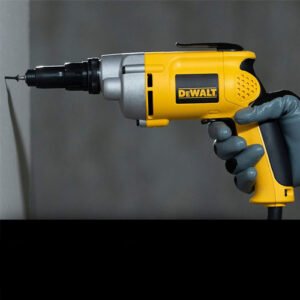
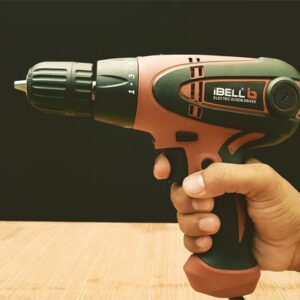


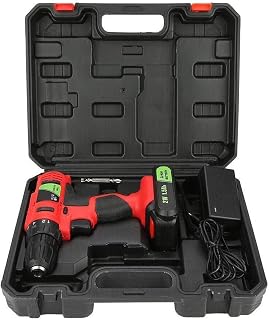


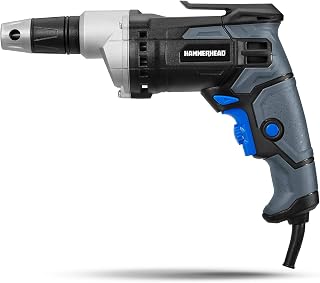

A corded screwdriver is designed to make repetitive screwdriving tasks easier by using mains electricity rather than a rechargeable battery. This can be particularly useful for Australian home workshops, garages, maintenance areas and trade environments where access to a suitable power outlet is available. A continuous power supply can also be helpful during longer jobs because you do not need to stop work to recharge a battery.
When choosing a corded screwdriver, consider the type of work you regularly perform. Different fastening jobs can require different levels of torque, speed control, chuck or bit compatibility and handling comfort. A suitable model should match the screws, materials and workload you expect to encounter. For occasional DIY use, simple controls and comfortable handling may be important. For frequent workshop or trade work, durability, power delivery and convenient bit changes can become more significant.
Corded screwdrivers can suit a range of fastening applications. They may be used for assembling furniture, installing fixtures, repairing equipment, working with timber and completing general maintenance. Before selecting a model, identify the materials you will work with and the types of screws you commonly use. This helps you narrow down the features that are most relevant to your projects.
Speed control can be useful when working with different materials or screw types. Lower speeds can provide greater control during delicate fastening, while higher speeds can help complete suitable repetitive tasks more efficiently. Torque control is also worth considering because it can help manage how firmly a screw is driven. For jobs where consistent fastening depth matters, look for a model with controls that suit the required application.
Look at the tool's power specifications and intended applications. A model should provide enough performance for the materials and screw sizes you expect to use. For demanding work, consider the manufacturer's stated capabilities rather than selecting a tool based on appearance alone.
Adjustable speed and torque settings can give you more control across different fastening tasks. These features may be useful when moving between softer and harder materials or between different screw types.
Check how the screwdriver accepts bits and whether it is compatible with the accessories you already use. Easy bit changes can be valuable when a project involves several screw profiles or sizes.
A comfortable grip and manageable tool weight can make a noticeable difference during repeated fastening. Consider the position of the controls, grip design and overall balance, particularly if you expect to use the tool for extended periods.
The main benefit of a corded screwdriver is access to continuous mains power. This removes the need to monitor battery charge during a suitable job and can make the tool practical for stationary workshop work. A corded model can also be a useful choice when you regularly work near an appropriate power outlet.
There are trade-offs to consider. A power cord can restrict movement compared with a cordless tool, so cord management and access to a suitable outlet are important. For outdoor or remote work, a cordless screwdriver may be more convenient. However, for workshop benches, garages and other areas with reliable mains access, a corded screwdriver can provide a practical solution for repeated fastening.
Australian shoppers can choose a corded screwdriver according to the environment, workload and fastening requirements of each project. Always check the electrical specifications, plug configuration and manufacturer guidance before using a mains-powered tool. Use the screwdriver only for applications it is designed to handle and follow appropriate workplace or household safety practices.
For DIY users, the right corded screwdriver can help with furniture assembly, home repairs and general maintenance. For workshop users, features such as variable speed, torque adjustment and convenient bit changes may support repetitive jobs. Trade users should pay particular attention to the tool's intended duty, construction and manufacturer specifications.
Start by identifying the tasks you need to complete, then compare the available specifications against those requirements. Consider power, speed, torque, bit compatibility, ergonomics and intended use before making your choice. A corded screwdriver that matches your workload can provide dependable mains-powered operation for suitable fastening applications.
Explore the corded screwdriver category to compare available options and select a model that fits your DIY, maintenance or workshop requirements. Always review the product specifications and manufacturer's instructions before purchase and use.
A corded screwdriver provides consistent mains-powered performance for fastening, assembly, maintenance and workshop tasks. Unlike battery-powered models, a corded screwdriver can run continuously while connected to a suitable power source, making it useful when you have repeated fastening work to complete. Whether you are working on DIY projects, furniture assembly, repairs or regular workshop jobs, choosing the right screwdriver can make fastening more controlled and efficient.