

♥ Wishlist


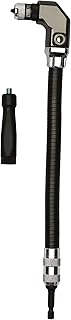
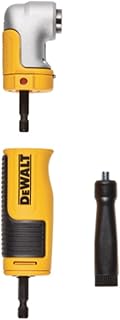
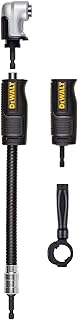
A Dewalt corded angle drill is designed for drilling where a conventional drill can be difficult to position. Its angled configuration helps users work in confined areas, around framing, between structural components and in other locations where access is limited. For Australian tradespeople, contractors and capable DIY users, a corded model can provide a dependable mains-powered option for jobs that require sustained drilling.
This category focuses on Dewalt corded angle drills and related right-angle drilling solutions. Depending on the model, these tools can suit applications involving timber, metal and other compatible materials. When choosing a drill, consider the required power, chuck capacity, speed control, drilling position and the type of work you expect to perform.
The main advantage of an angle drill is its ability to improve access in restricted spaces. The angled head can make it easier to drill where a standard drill body would be awkward to manoeuvre. This can be particularly useful during framing, carpentry, installation, renovation and maintenance work.
Corded operation also removes the need to monitor battery charge during a job. When a suitable power outlet is available, a mains-powered drill can be ready for extended periods of use. This makes corded angle drills worth considering for workshops, construction environments and repetitive drilling tasks.
Motor output is an important consideration when selecting an angle drill. Higher-powered models can be suitable for more demanding drilling applications, while lower-powered options may provide a practical solution for lighter work. Always match the drill's specifications with the material, bit size and workload.
Variable speed can provide greater control when working with different materials and drill bit sizes. Lower speeds can help with controlled drilling, while higher speeds may suit applications that require faster material removal. Follow the manufacturer's recommended operating speeds for the accessory and material.
Check the chuck specification before buying. The chuck determines which compatible drill bit shanks can be secured in the tool. A keyed or keyless chuck may also affect how accessories are installed and adjusted, so consider the type of work you regularly undertake.
Angle drilling can involve unusual working positions, particularly when accessing framing, overhead areas or narrow spaces. A well-positioned handle and suitable side grip can help improve control. Consider the tool's weight, balance and handle arrangement before choosing a model for extended use.
A corded angle drill can be useful across several trade and workshop applications. Carpenters may use an angle configuration when drilling through timber framing or working between structural members. Builders and renovators can benefit from improved access during installation and construction tasks.
Metalworking applications may also require an angle drill where space around the workpiece is restricted. The correct drill bit, speed and cutting method should always be selected according to the material. For plumbing, electrical and maintenance work, the compact drilling profile can be useful when access is limited.
Start by identifying the materials you will drill and the typical hole sizes required. Then compare motor power, speed range, chuck capacity and overall dimensions. If your work involves large holes or demanding drilling, pay particular attention to the manufacturer's stated capabilities and operating limits.
Also consider the available power supply at your Australian worksite or workshop. A corded drill requires suitable mains power and a safe working environment. If you frequently move between locations without convenient power access, compare the benefits of corded and cordless alternatives before making a purchase.
Australian shoppers should check the voltage and plug configuration of any corded power tool before purchasing. Product specifications should clearly indicate whether the model is suitable for the Australian electrical supply. It is also useful to review the included accessories, warranty information, product dimensions and seller details.
When comparing products online, look beyond the headline price. Consider the drill's intended application, specification, accessories and long-term suitability. A model that matches your regular workload can provide more practical value than choosing solely on initial cost.
Always read the manufacturer's instructions before operating a Dewalt corded angle drill. Wear appropriate eye and hearing protection, secure the workpiece and use a drill bit designed for the material. Keep the power cord away from the drilling area and inspect it for damage before use.
Disconnect the tool from the power supply before changing accessories, performing adjustments or carrying out maintenance. Keep ventilation openings clean and store the drill in a dry, secure location. Replace damaged components and accessories rather than continuing to use equipment that may be unsafe.
A Dewalt corded angle drill can be a practical choice when you need reliable mains-powered drilling and improved access in confined spaces. Compare the available specifications carefully and select a model that matches your materials, drilling requirements and working environment. For Australian buyers, checking electrical compatibility and the complete product specification is an important final step before purchasing.