

♥ Wishlist
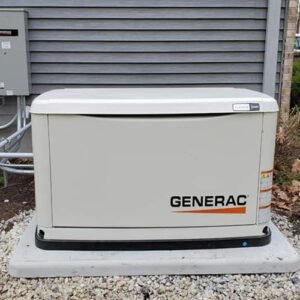
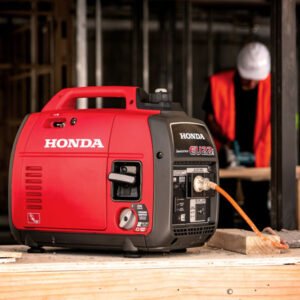


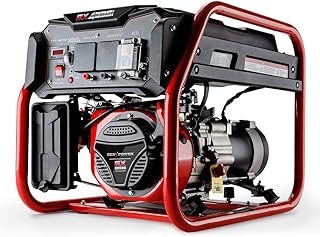


Generators provide practical electrical power when mains electricity is unavailable, unreliable or inconvenient. Whether you need backup power at home, electricity for a worksite, or a portable power source for camping and outdoor activities, choosing the right generator starts with understanding your power requirements. The Generators category brings together equipment designed to supply electricity for a wide range of Australian applications.
Australian shoppers can choose from different generator sizes, fuel types, output capacities and designs. Portable generators suit situations where mobility matters, while larger units can provide greater power for demanding equipment or longer-duration backup requirements. Before buying, consider the appliances or tools you intend to run, their starting and running wattage, how long you need the generator to operate, and where it can be used safely.
The best generator depends on the equipment you want to power. Small generators can work well for selected low-demand devices and portable applications. Medium-capacity models can provide more flexibility for outdoor work, recreation and backup use. Higher-output generators are designed for applications that require substantially more electrical capacity.
Start by making a list of the devices you expect to operate at the same time. Check their rated power requirements and allow additional capacity for equipment that draws extra power when its motor starts. This approach helps reduce the risk of selecting a generator that cannot comfortably handle your intended load.
Portable generators are designed for applications where the power source needs to move between locations. Their uses can include camping, outdoor projects, maintenance work, temporary power and emergency backup. When portability is important, consider the generator's overall size, weight, handles and wheel configuration alongside its electrical output.
A generator can provide temporary power during an outage, but the required capacity varies according to what you want to keep operating. Some households may only need power for selected essential devices, while others may require enough output for several appliances. Make a realistic load calculation before choosing a model.
Construction, maintenance and landscaping projects may take place away from convenient mains power. A suitable generator can provide electricity for compatible tools and equipment in these environments. For worksite use, consider portability, output capacity, operating conditions and the type of equipment that will be connected.
Generators are available with different power systems and fuel configurations. Petrol models are commonly associated with portable applications, while diesel generators are often considered for higher-demand or extended-duty applications. Dual-fuel designs can provide flexibility by supporting more than one fuel option where the specific model permits it.
Fuel availability, operating costs, storage requirements, noise considerations and expected usage should all form part of your decision. Rather than choosing solely by generator size, compare the complete operating requirements with the conditions in which you expect to use the equipment.
Generator specifications can vary considerably, so compare the details that directly affect your application. Output wattage is one of the most important factors, but it should not be considered in isolation.
Portable power can be useful for camping and other outdoor activities when access to mains electricity is limited. For recreational applications, size, weight, noise and fuel consumption can be particularly important. Choose capacity based on the devices you genuinely need rather than carrying a larger generator than necessary.
Always follow local rules, campground requirements and the manufacturer's operating instructions. Generators must be operated in appropriate outdoor conditions because engine exhaust can contain carbon monoxide and other hazardous gases.
Safe operation should be a priority whenever a fuel-powered generator is used. Never operate a conventional combustion generator inside a house, garage, enclosed shed, caravan or other enclosed area. Keep exhaust gases away from doors, windows and ventilation openings, and follow the manufacturer's clearance and grounding instructions.
Australian buyers should also check the product's electrical specifications, instructions and applicable requirements before purchase and installation. A generator intended for temporary portable use should not automatically be connected to household wiring. If a generator needs to supply a home's electrical circuits, use an appropriately qualified electrical professional and the correct transfer equipment.
Begin with the total running load of the equipment you need to operate. Next, identify appliances or tools with high starting requirements and make sure the generator has suitable capacity. Then compare fuel type, runtime, portability, noise, outlets and protection features.
Think about how frequently the generator will be used. Occasional emergency backup may prioritise easy storage and straightforward starting, while regular worksite use may place greater emphasis on durability, runtime and transport. Camping users may place greater value on compact dimensions and lower operating noise.
By matching the generator to its intended application, you can avoid paying for unnecessary capacity while reducing the likelihood of choosing a model that is underpowered. Review the complete product specifications and manufacturer's instructions before making a purchase.
The Generators category can serve a broad range of power requirements, from portable outdoor electricity to temporary backup and demanding work applications. Focus on actual power requirements, operating environment and practical features rather than selecting a generator based only on its advertised maximum output.
For Australian shoppers, careful comparison is especially useful when choosing equipment for camping, property maintenance, emergency preparedness or professional work. Check specifications, safety instructions and applicable electrical requirements so the generator you select is suitable for the intended use.