

♥ Wishlist
Compare 36 Black+Decker Battery and Charger products in Australia. Reviews, ratings, pros, cons and buying advice updated for October 2026.


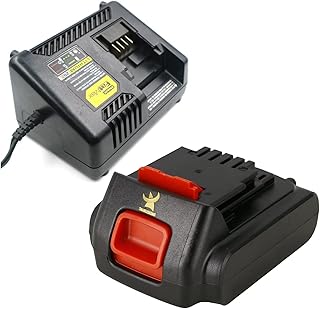


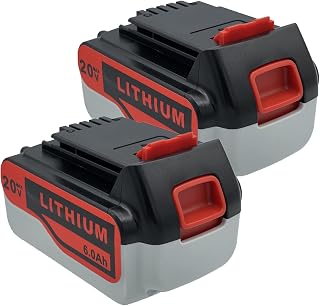


Choosing a replacement or additional BLACK+DECKER battery and charger is less about finding the highest capacity number and more about matching the battery platform, voltage system, connector design, charger compatibility and intended workload. A battery that looks similar to the original may not be electrically or mechanically compatible with a particular tool.
For Australian buyers, the safest approach is to identify the exact model number of the power tool, battery and charger before comparing alternatives. Product descriptions can use different terminology across markets, and battery families that appear similar should not automatically be treated as interchangeable.
The most important buying decision is compatibility. BLACK+DECKER has produced cordless tools across different battery generations and platforms, so the battery voltage, physical interface and electronic compatibility should all be checked before purchase.
Battery voltage is not simply a measure of how long a tool will operate. It is part of the electrical specification of the tool. A battery from a different platform can have a different nominal voltage, connector arrangement or electronic control system. Using an incompatible battery or charger can cause poor performance, charging problems or equipment damage.
When comparing BLACK+DECKER batteries, treat the voltage designation on the original equipment as a compatibility requirement rather than a performance upgrade opportunity.
The model number is usually more useful than a generic product name. Names such as drill, impact driver, blower or lawn trimmer describe the tool category but do not establish battery compatibility.
Before purchasing, record the complete model number from the tool and compare it with the battery manufacturer's compatibility information. This is particularly important when buying older replacement batteries, starter kits, multi-tool bundles or batteries advertised as fitting several generations of products.
Amp-hours, commonly abbreviated as Ah, indicate battery capacity. In practical terms, a larger Ah rating generally provides more stored energy within a compatible battery platform. It does not automatically mean that the tool will be more powerful in every application.
Actual runtime depends on the tool, workload, material, operating conditions, battery condition and user technique. A drill used intermittently for small fastening tasks can consume considerably less energy than a high-load saw, mower or blower.
Higher-capacity batteries can be advantageous for demanding jobs, but they can also add weight to a handheld tool. This matters when using a drill overhead, operating a sander for an extended period or working with a tool that is already relatively heavy.
For occasional household work, a smaller compatible battery may be easier to handle. For repeated outdoor or workshop tasks, additional capacity may be more valuable than minimum weight.
Modern cordless power tools commonly use lithium-ion battery technology because it provides a useful combination of energy density, weight and rechargeable performance. Regardless of battery chemistry, proper storage and charging practices remain important.
Keep rechargeable batteries in a dry environment and follow the manufacturer's storage and charging instructions. Avoid leaving batteries exposed to excessive heat, moisture or direct sunlight. If a battery shows physical damage, swelling, leaking or other unusual behaviour, discontinue use and follow appropriate manufacturer or recycling guidance rather than attempting an improvised repair.
A charger should be selected as carefully as the battery. Compatibility involves more than the battery fitting physically into the charging slot. The charger must be designed for the relevant battery system and charging requirements.
A faster charger can reduce downtime, but charging speed is not the only consideration. If a tool is used only occasionally, a standard compatible charger may be entirely adequate. If several cordless tools are used throughout the day, faster charging can have greater practical value.
Do not choose a charger solely because it advertises a high charging speed. The battery must support the charging system, and the complete battery-and-charger combination should be approved for use by the manufacturer.
Australian buyers should pay attention to more than the product title shown on a retailer's page. Battery tools are often sold internationally, and the same brand can use different product naming conventions, voltage terminology, packaging and charger configurations in different markets.
Australia uses a 230V nominal electricity supply with a 50Hz frequency. A charger purchased for another market should not be assumed to be suitable merely because its battery connector fits. Check the charger's electrical input specification, plug configuration and Australian suitability before use.
For imported products, pay particular attention to whether the charger itself is intended for the local electrical supply. An appropriate battery does not make an unsuitable mains charger safe to use.
There are two common reasons to buy a battery: replacing an ageing battery or expanding an existing cordless-tool setup.
If an existing battery no longer provides useful runtime, takes unusually long to charge or has reached the end of its service life, replacing it can restore the usefulness of an otherwise suitable tool. Before buying, compare the replacement with the original battery's voltage, capacity, connector and model compatibility.
An additional compatible battery can be more convenient than repeatedly stopping work to recharge. This is particularly useful when multiple BLACK+DECKER cordless tools share the same battery platform.
A second battery can also allow one battery to be used while another is charging, provided the batteries and charger are designed for that charging arrangement.
Occasional users generally benefit from a straightforward, compatible battery and charger combination without paying for capacity or charging speed they rarely need. Weight and ease of handling can be more important than maximum runtime.
Frequent DIY users may benefit from maintaining more than one compatible battery. This reduces interruptions when drilling, driving screws, sanding, cutting or performing other tasks over a longer session.
Outdoor cordless equipment can place different demands on batteries because tools such as blowers, trimmers and other high-load equipment may consume energy quickly. For these applications, capacity and battery availability can become more important than minimising weight.
Workshop users should consider the entire cordless ecosystem rather than one battery in isolation. If several compatible BLACK+DECKER tools are already owned, selecting batteries that work across that platform can reduce the need for separate chargers and battery types.
When comparing two apparently similar batteries, look beyond the headline capacity. The following specifications and practical characteristics can help establish which option better suits a particular tool collection.
Rechargeable batteries naturally lose usable capacity over time. Storage conditions, charging patterns, workload and general usage can all influence battery condition. Consequently, two batteries with identical printed specifications may not deliver identical real-world runtime if their age or condition differs.
For this reason, shoppers should distinguish between a genuinely new battery and an older product that has remained in storage for an extended period. When buying from a third-party retailer, review the product description carefully and check the seller's current information.
Seeing BLACK+DECKER on both products does not establish compatibility. The specific battery family and tool model still need to match.
Maximum capacity is not always the best choice. Extra weight may make a tool less comfortable to use, particularly during overhead or repetitive work.
Some listings are for bare batteries or bare tools, while others contain a charger and battery. Always verify the contents of the exact package being considered.
A battery purchase does not solve the charging requirement if the existing charger is incompatible. Check both sides of the system before ordering.
Product images can show a battery that looks similar to another model while concealing differences in connectors, dimensions or electronic compatibility. Model numbers and manufacturer specifications are more reliable than appearance.
International listings can use different voltage terminology, charger designs and packaging. Australian suitability should be confirmed before purchase.
Customer reviews can provide useful information, but they should be interpreted carefully. A review about runtime may relate to a completely different tool or workload than yours, while a complaint about compatibility may result from a buyer selecting the wrong battery platform.
If you are building a cordless tool collection from scratch, it can be useful to compare the BLACK+DECKER ecosystem with alternatives from brands such as DeWalt, Bosch, Makita and Ryobi. The key comparison is not simply which individual battery appears strongest. It is how well the entire platform fits the tools you expect to own.
For someone who already owns compatible BLACK+DECKER tools, staying within the same supported platform can be more practical than switching brands solely to obtain a different battery specification.
Good maintenance cannot stop normal battery ageing, but sensible storage and handling can help preserve equipment and reduce avoidable problems.
Rechargeable tool batteries should be treated as electrical energy-storage devices rather than ordinary accessories. Use the supplied or manufacturer-approved charging equipment and place the charger on a suitable surface while charging.
Do not modify battery packs, bypass protective electronics, dismantle cells or attempt to construct homemade battery adapters. If a battery becomes unusually hot, visibly damaged, swollen or otherwise abnormal, stop using it and consult the manufacturer's guidance.
End-of-life batteries should be disposed of through appropriate battery-recycling or household hazardous-waste channels available in the relevant Australian state or territory. Do not place rechargeable lithium batteries in ordinary household rubbish.
Because product ranges, package contents and retailer listings can change, the most useful final check is the exact product information available at the time of purchase. A buying guide can help narrow the options, but the current manufacturer's specification and retailer listing should be checked before placing an order.
The lowest purchase price can become poor value if a battery has insufficient capacity for the intended workload, requires frequent replacement or does not work with the tools already owned. Conversely, paying substantially more for maximum capacity may be unnecessary for light household tasks.
A better value assessment considers the total usefulness of the battery within the existing tool collection. A compatible battery that is used regularly across several tools can potentially offer more practical value than a cheaper battery that fits only one occasional-use tool.
A complete battery-and-charger package can be convenient when starting a cordless collection or when the original charger has been lost or is no longer usable. It can also simplify compatibility because the battery and charger are intended to operate together.
However, existing BLACK+DECKER owners should first check whether their current charger already supports the replacement battery. Buying another charger unnecessarily adds cost and storage requirements.
The best option depends on the exact BLACK+DECKER tool, supported battery platform, required runtime and preferred balance between capacity and weight. There is no single battery that is automatically the best choice for every Australian user.
No. Charger compatibility should be confirmed for the specific battery platform and model. The fact that both products carry the BLACK+DECKER name does not by itself establish compatibility.
No. Higher capacity can provide more runtime, but it can also increase battery weight and may cost more. Choose capacity according to the tool and workload rather than automatically selecting the largest available option.
An additional battery can be worthwhile if you frequently use cordless tools for longer sessions or own several compatible tools. For occasional DIY work, one suitable battery may be sufficient.
Do not assume that an imported charger is suitable. Check its electrical input specification, plug configuration and manufacturer's suitability for Australian use before connecting it to the mains.
Start with the exact tool model number and then verify the manufacturer's stated compatible battery platform. Do not rely solely on photographs, battery shape or a general product description.
They can be, particularly when the tool remains mechanically sound and a properly compatible replacement battery is available. Compare the replacement battery cost with the cost and features of replacing the complete tool.
Follow the manufacturer's storage instructions and keep batteries in a dry, protected environment away from excessive heat and moisture. Avoid using or charging batteries that show signs of physical damage.
Before selecting a BLACK+DECKER battery or charger, verify the exact tool model, battery platform, voltage, capacity, connector compatibility and charger requirements. For Australian purchases, also confirm the charger's electrical suitability and the exact contents of the current retailer listing.
Compare specifications first, then consider runtime, weight, charging convenience and total ownership value. Read verified customer feedback for the exact product, but use reviews as supporting evidence rather than as a substitute for manufacturer compatibility information.
The most suitable solution is ultimately the one that fits the tools you already own, provides enough runtime for your typical work and uses an appropriate charging system. Taking a few minutes to verify those details can prevent one of the most common cordless-tool purchasing mistakes: buying a battery or charger that looks right but is not actually compatible.