
♥ Wishlist
Compare 18 Bosch SDS Hammer Drill for Australian Jobs products in Australia. Reviews, ratings, pros, cons and buying advice updated for October 2026.

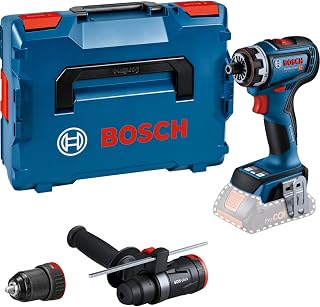


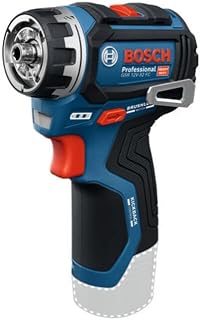


Choosing an advanced Bosch SDS hammer drill is less about finding the most powerful specification on a product page and more about matching the drill's SDS platform, impact capability, power source, ergonomics and intended workload to the job. For Australian users, the right choice can vary considerably between occasional masonry drilling, renovation work, anchor installation, demolition, construction and demanding trade applications.
This guide focuses on the factors that matter when comparing Bosch SDS hammer drills in 2026. Rather than treating a single specification as proof of overall performance, consider the complete combination of impact energy, drilling capacity, motor design, chuck system, vibration management, weight, control features, battery or mains power and accessory compatibility.
An SDS hammer drill is designed around a specialised bit-retention system that allows the accessory to move axially while remaining securely held by the tool. This is particularly useful for drilling masonry, concrete and other hard mineral materials because the mechanism allows the hammer action to transfer energy efficiently into the workpiece.
Bosch uses several SDS formats across its power-tool ranges, so buyers should confirm the exact chuck and accessory system before purchasing. SDS-Plus is commonly associated with lighter and mid-range rotary hammers, while SDS-Max is intended for larger tools and heavier-duty drilling and chiselling applications.
When comparing advanced Bosch SDS hammer drills, specifications should be assessed as a group. A tool with a high impact-energy figure is not automatically the best choice if it is unnecessarily heavy for the intended work or lacks the control features required for repeated drilling.
Impact energy indicates how much mechanical energy is delivered by each hammer strike. Higher impact energy can be useful when working with dense concrete, larger holes or chiselling applications, but it also tends to accompany a larger and heavier tool.
For users who primarily drill small fixing holes, choosing the highest available impact rating may add unnecessary weight and cost. Conversely, tradespeople regularly drilling larger holes or performing extensive chiselling should pay close attention to the tool's intended application range.
No-load speed describes the rotational speed of the tool when it is running without drilling into material. It can help indicate how the drill behaves across different applications, but it should not be interpreted independently of hammer action, torque, electronics and the manufacturer's recommended drilling capacities.
Hammer rate describes the number of impact strokes generated over a given period. A high hammer rate can support efficient drilling in appropriate materials, but the relationship between hammer rate and impact energy matters. Comparing only blows per minute can therefore give an incomplete picture of real-world suitability.
For corded Bosch SDS hammer drills, rated input power is an important indication of the electrical power consumed by the motor under the manufacturer's specified conditions. It can help distinguish between tool classes, although it should not be treated as a direct measurement of drilling speed or overall job-site productivity.
For cordless models, battery voltage is only one part of the equation. Runtime, battery capacity, motor efficiency, thermal management and the workload all influence how long a cordless SDS hammer drill can operate between charges.
Buyers already using a compatible Bosch cordless platform should check battery compatibility before choosing a bare-tool model. A lower advertised purchase price can be misleading if a suitable battery and charger must subsequently be purchased.
The SDS-Plus versus SDS-Max decision is one of the most important choices to make before comparing individual drills. These systems occupy different areas of the rotary-hammer market and should be selected according to the size and frequency of the work.
SDS-Plus tools are typically the more versatile option for general building, renovation and installation work. They are well suited to applications such as drilling holes for masonry fixings, anchors and services where extremely large drilling diameters are not required.
SDS-Max tools are intended for more demanding applications where larger accessories, greater impact capability and heavier-duty chiselling are required. They can make more sense for professional users who regularly work with substantial concrete or masonry rather than occasionally drilling small fixing holes.
The terms hammer drill and rotary hammer are sometimes used interchangeably in product descriptions, but the underlying mechanisms and intended workloads can differ substantially.
A conventional hammer drill generally combines rotary drilling with a mechanical hammering effect and can be useful for lighter masonry work. An SDS rotary hammer uses a dedicated hammer mechanism and SDS accessory system, making it particularly appropriate for drilling concrete and performing chiselling tasks.
If your work regularly involves reinforced or dense concrete, large masonry holes or chiselling, an SDS rotary hammer is usually the more relevant tool category to investigate than a conventional hammer drill.
A corded tool can be attractive for users who expect extended periods of continuous work and have dependable access to mains power. There is no need to stop for battery changes or charging, although the power cord introduces an additional consideration on construction sites and in difficult-to-access areas.
Cordless Bosch SDS models can provide greater freedom of movement, particularly when working on unfinished buildings, ladders, roofs or locations where mains power is inconvenient. The trade-off is that battery condition, charging time, available capacity and total system weight become part of the buying decision.
Brushless motor technology is an important consideration in modern cordless power tools. A brushless motor eliminates traditional motor brushes, which can reduce a source of mechanical wear and can allow electronic control of motor operation.
However, brushless should not be treated as a guarantee of superior performance in every application. Compare the complete tool specification, intended workload, ergonomics, protection systems, battery platform and manufacturer recommendations rather than selecting solely because a product is labelled brushless.
Advanced SDS hammer drills may include electronic systems intended to improve control, protect the tool or help adapt performance to different materials and accessories. The exact functions vary by model, so buyers should verify which features are actually included rather than assuming every Bosch SDS tool has the same electronics.
Variable-speed operation can provide better control when starting a hole, positioning an accessory or working with materials that benefit from a slower rotational speed.
A torque-control system can be particularly useful when the accessory encounters resistance. Such systems are designed to help manage sudden tool reactions, but they should complement correct technique rather than replace safe operating practices.
Many SDS rotary hammers provide different operating modes. Depending on the model, these can include rotary drilling, hammer drilling and chiselling. A tool intended for mixed applications can therefore be more versatile than a drill designed around a single operating mode.
Chisel-positioning functionality can be useful when the accessory needs to be aligned to a particular working angle before chiselling begins. This can improve practical usability when removing tiles, chasing masonry or performing controlled demolition work.
Vibration is an important consideration for anyone using a rotary hammer repeatedly. The more demanding the application and the longer the operating period, the more important it becomes to consider how the tool manages vibration and how comfortable it is to hold.
Look for manufacturer-described vibration-management technology, adjustable or well-positioned auxiliary handles and an ergonomic grip. A tool that is technically powerful but difficult to control may be less suitable for a particular job than a slightly smaller model that is easier to handle.
Tool weight should be considered in relation to the application. A heavier rotary hammer can provide the physical mass needed for demanding work, but that same weight can become tiring when drilling overhead or performing detailed installation tasks.
Balance is equally important. Two tools with similar published weights can feel different in use because of motor placement, handle configuration, battery position and centre of gravity.
When comparing Bosch SDS hammer drills, consider where the weight sits, whether the auxiliary handle can be repositioned, how accessible the trigger is and whether the tool can be comfortably controlled with both hands.
Concrete drilling can place considerably greater demands on a tool than ordinary masonry work. Before selecting an SDS hammer drill, determine the approximate hole diameters you need, how frequently you will drill, whether you will encounter reinforced concrete and whether the work involves drilling only or also chiselling.
For anchor installation, the required hole diameter and depth should be matched to the anchor manufacturer's specifications. The drill itself should have a suitable operating mode and accessory system for the application.
For repeated small-diameter holes, a compact SDS-Plus rotary hammer may provide a sensible balance between drilling capability, control and portability.
As drilling diameters increase, tool capability and accessory selection become increasingly important. Larger holes may require a heavier rotary hammer class and specialised drilling accessories.
Reinforced concrete can present additional challenges because steel reinforcement can interfere with conventional drilling. The appropriate accessory and operating procedure depend on the application, and users should follow both tool and accessory manufacturers' guidance.
If chiselling is an important part of the intended workload, do not select a Bosch SDS hammer drill solely on its drilling specifications. Check whether the tool provides a dedicated chiselling mode and whether its impact system and accessory format are appropriate for the scale of demolition work.
Light chiselling can include tile removal, surface preparation and small masonry modifications. Heavier demolition work generally demands a substantially different class of rotary hammer or dedicated demolition tool.
A capable hammer drill cannot compensate for an unsuitable or worn accessory. SDS drill bits and chisels should therefore be treated as an important part of the overall system.
When comparing accessories, consider the required diameter, drilling depth, material, tip design, flute geometry and compatibility with the SDS chuck.
Concrete bits should be selected according to the material and required hole dimensions. For demanding drilling, use accessories appropriate for rotary-hammer operation rather than assuming a conventional masonry bit is suitable.
Point chisels, flat chisels and other specialised designs can perform different tasks. The correct profile can influence how effectively material is removed and how much control the operator has over the work.
A worn bit can increase drilling time and reduce cutting efficiency. Regularly inspect accessories for damage and excessive wear, and replace them according to the manufacturer's guidance.
More impact energy is not automatically better. If most of your work involves small holes, a large SDS-Max machine may be unnecessarily heavy and expensive to operate.
Confirm whether the tool uses SDS-Plus or SDS-Max before purchasing accessories. This is one of the simplest mistakes to prevent and one of the most inconvenient to discover after purchase.
A higher nominal battery voltage does not by itself establish which tool will be most productive. Motor design, electronics, impact mechanism, battery capacity and application all matter.
When comparing cordless tools, determine whether the listing represents a bare tool or a complete kit. If you are not already invested in the relevant Bosch battery system, include the cost and practicality of batteries and charging equipment in the overall comparison.
A heavy rotary hammer can be appropriate for demanding demolition but unnecessarily tiring for repeated small-hole installation. Match tool size to the actual workload.
Identify your typical drilling diameters before selecting a tool. Your most common applications should determine the tool class rather than an occasional maximum-size project.
Concrete and masonry drilling can generate substantial dust. Depending on the application, consider compatible dust-extraction accessories or systems and follow local workplace requirements and manufacturer instructions.
If a shortlist contains ten Bosch SDS hammer drill solutions, compare them using a consistent framework rather than relying on product titles or isolated ratings.
A compact SDS-Plus model can be useful for homeowners tackling repeated masonry drilling, renovation projects, tile removal and occasional chiselling. The priority should normally be manageable size and versatile operation rather than maximum impact energy.
For tradespeople performing installation work across different sites, portability, reliability, drilling capacity and ergonomics become increasingly important. Cordless models can be especially convenient where access to mains electricity varies.
Users undertaking frequent concrete drilling should pay closer attention to duty requirements, impact performance, accessory compatibility, vibration management and serviceability.
Where chiselling and material removal represent a major proportion of the workload, compare heavier SDS-Max rotary hammers and dedicated demolition equipment rather than assuming a general-purpose SDS-Plus tool is sufficient.
Australian buyers should assess more than the headline product price. Consider the complete ownership requirements, including compatible accessories, battery equipment for cordless models, transport, storage and the intended work environment.
Before ordering from an Australian retailer or marketplace, verify the exact model number, included accessories, power configuration, plug requirements for corded equipment, battery inclusion and the seller's current terms. Product specifications and package contents can vary between model variants and regional listings.
Australian users should also check that the particular model is intended for the local market and that the supplied electrical configuration is appropriate. Do not assume that similarly named international variants have identical specifications or included equipment.
Product listings can contain a large amount of technical information, but the most useful approach is to separate core tool specifications from optional accessories and marketing descriptions.
Regular maintenance can help keep a rotary hammer operating properly and can reduce avoidable accessory and tool problems. Always follow the specific maintenance instructions supplied with the model.
Remove accumulated dust and debris from accessible external areas after use. Particular attention should be paid to ventilation openings because restricted airflow can affect cooling.
Keep the SDS chuck clean and inspect it for abnormal wear, damage or contamination. Use only the lubrication procedure and lubricant specified by the manufacturer for the particular chuck system.
Check accessories before use. Damaged, excessively worn or unsuitable accessories should not be used. Keeping cutting accessories in suitable condition helps maintain efficient material removal.
Follow Bosch's battery-storage, charging and handling recommendations. Avoid exposing batteries to conditions outside their specified operating and storage limits.
Unusual noise, excessive vibration, inconsistent operation, overheating or visible damage can indicate that the tool requires inspection. Stop using equipment that appears unsafe and consult the manufacturer's instructions or an appropriately qualified service provider.
Concrete drilling creates hazards that should not be overlooked. Flying particles, dust, noise, vibration, rotating accessories and unexpected tool movement all require appropriate precautions.
Bosch is one of several established power-tool manufacturers worth considering when comparing rotary hammers. Depending on the required application, Australian buyers may also encounter products from Makita, DeWalt, Milwaukee, Hilti and other established tool brands.
The best comparison is not simply brand against brand. Compare the specific tool class, accessory ecosystem, battery platform, impact characteristics, ergonomics, included equipment and intended workload.
When comparing Bosch with Makita, focus on the individual SDS platform and the complete specifications of the models under consideration. For cordless users, battery-platform compatibility can be particularly influential because changing ecosystems can increase the total cost of ownership.
DeWalt offers a broad range of construction-oriented cordless and corded tools, making it another brand frequently considered alongside Bosch. Compare equivalent tool classes rather than comparing an entry-level model from one brand with a heavy-duty model from another.
Milwaukee is another major option for users building a cordless professional tool collection. The most meaningful comparison should include the battery ecosystem, tool weight, drilling capacity, impact performance and available accessories.
Hilti is strongly associated with professional construction equipment and job-site systems. A comparison should consider not only tool specifications but also the type of professional workflow and equipment-management requirements involved.
There is no single Bosch SDS hammer drill that is automatically the best choice for every Australian buyer. A better approach is to identify the use case first.
Instead of setting a budget first and then selecting the most powerful tool available within it, establish the minimum capabilities required for your work. Once those requirements are clear, compare models within the appropriate class.
The best option depends on the application rather than a single universal ranking. For general masonry and concrete drilling, an appropriately sized SDS-Plus model can be a practical choice. For larger holes and demanding chiselling, a higher-capacity model may be more appropriate.
Neither system is universally better. SDS-Plus is generally more appropriate for lighter and general-purpose rotary-hammer applications, while SDS-Max is intended for larger and heavier-duty work.
An SDS rotary hammer can perform rotary drilling when the appropriate mode and accessory are available. Whether it is the best tool for ordinary drilling depends on the material and application. For timber and metal, a conventional drill or drill-driver may be more appropriate.
Yes, SDS rotary hammers are specifically designed for masonry and concrete applications, provided the tool, operating mode and accessory are appropriate for the material and required hole size.
Models with a dedicated chiselling mode can be used with compatible SDS chisels. Check the exact Bosch model because operating modes vary between products.
SDS-Plus accessories are designed for SDS-Plus chucks, but they should not be assumed to fit SDS-Max tools. Always match the accessory system to the chuck specification.
Choose corded operation if continuous mains-powered work is the priority. Choose cordless if mobility and freedom from cables are more important, particularly when you already have compatible Bosch batteries.
Brushless technology can provide useful advantages in modern cordless tools, but the decision should be based on the complete specification and workload rather than the motor label alone.
That depends on the diameter, material and frequency of drilling and chiselling. Small fixing holes generally do not require the same impact capability as large-diameter concrete drilling or heavy chiselling.
Check the exact model number, SDS system, power source, impact specifications, drilling capacities, operating modes, weight, kit contents, battery and charger inclusion, accessory compatibility and Australian electrical configuration where applicable.
Before choosing from a shortlist of advanced Bosch SDS hammer drill solutions, use this final checklist to narrow the options to the models that genuinely match your work.
A useful buying guide should help readers understand why one tool may suit a particular application better than another. For that reason, Bosch SDS hammer drills should be compared according to tool class, intended workload, specifications, ergonomics, power source, accessory compatibility and practical ownership considerations.
Customer ratings can provide useful information about ownership experiences, but ratings should be interpreted alongside the verified specifications for the exact model. A highly rated compact SDS-Plus tool may be an excellent choice for general renovation while still being unsuitable for heavy demolition.
Likewise, a premium heavy-duty rotary hammer may offer capabilities that professional users need while being unnecessary for occasional household drilling. The strongest purchasing decision is therefore the one that provides the required capability without paying for tool size, impact performance or features that your normal work does not require.
The best advanced Bosch SDS hammer drill for 2026 is ultimately the model that fits your workload, accessory requirements and working environment. Start with the job rather than the product name: identify the material, hole sizes, drilling frequency, chiselling requirements and expected operating conditions.
For many general-purpose applications, SDS-Plus offers a useful balance of capability and portability. Users performing larger-scale drilling or demanding chiselling should investigate the appropriate higher-capacity tool class, including SDS-Max where suitable. Cordless models can provide excellent mobility for users already invested in a compatible Bosch battery ecosystem, while corded tools remain relevant where uninterrupted mains-powered operation is preferred.
Before purchasing, compare the exact model specifications, included equipment, accessory compatibility and current Australian listing details. Treat impact energy, weight, drilling capacity, ergonomics, control systems and power source as interconnected factors. That approach makes it easier to select a Bosch SDS hammer drill that is genuinely suited to the work rather than simply choosing the model with the most impressive headline specification.