

♥ Wishlist
Compare 26 Dewalt Vacuums products in Australia. Reviews, ratings, pros, cons and buying advice updated for October 2026.

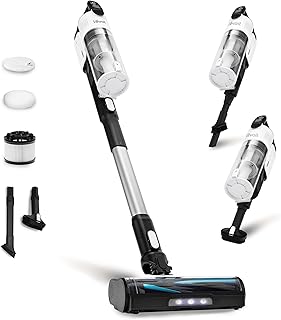


Choosing an advanced DEWALT vacuum is less about selecting the largest machine and more about matching suction performance, filtration, capacity, portability, power source and job requirements. A vacuum intended for workshop cleanup has different priorities from one used for renovation dust, vehicle interiors, woodworking debris or general household maintenance. Australian buyers should also consider the type of electrical supply or battery platform involved, the working environment, replacement consumables and how easily the machine can be transported between jobs.
DEWALT has a broad power-tool ecosystem, so compatibility can be an important part of the decision. However, brand familiarity should not replace specification-based comparison. Before choosing a model, compare the intended application, vacuum construction, filtration arrangement, hose and accessory compatibility, container capacity, noise considerations, power requirements and available replacement components.
The best option depends on what you expect the vacuum to collect and how frequently you intend to use it. A compact unit may be ideal for intermittent cleanup, while a larger workshop vacuum can make more sense when collecting substantial quantities of dust and debris. For professional applications, portability, continuous-duty suitability and compatibility with power tools may matter more than headline specifications.
Suction and airflow are related but they are not identical measures of cleaning performance. A vacuum needs sufficient airflow to transport debris through the hose while maintaining useful suction at the collection point. A model that appears powerful on paper may not provide the same practical result once a long hose, filter, attachment or partially loaded collection system is introduced.
For buyers comparing advanced DEWALT vacuums, specifications should therefore be considered as a complete system rather than as isolated numbers. Pay attention to the manufacturer's stated performance information and consider how the vacuum will be used with the hose and accessories supplied or supported by the particular model.
A narrow hose can be convenient for smaller debris and confined spaces, whereas a larger hose can be more appropriate when moving bulkier material. The correct diameter also depends on the tool or accessory being connected. If the vacuum will be used with a saw, sander, router or other dust-producing power tool, check the connection requirements before buying.
As a filter becomes loaded with fine dust, airflow can decline. Filter design, filter surface area and maintenance procedures can therefore influence sustained performance. A good buying decision considers not only how well a vacuum performs when clean, but also how practical it is to maintain that performance over repeated use.
Filtration is one of the most important considerations when comparing advanced workshop vacuums. Fine dust behaves differently from larger chips, dirt and debris. Wood dust, plaster residue and other very small particles can quickly load an unsuitable filter and may be difficult to manage with a basic collection arrangement.
When comparing DEWALT models, examine the filtration specification, filter type, cleaning method and manufacturer's intended applications. If your work involves particularly fine material, choose a configuration designed for that application rather than assuming that every wet-and-dry or workshop vacuum offers equivalent dust control.
Wet-and-dry capability can make a vacuum considerably more versatile, but it does not mean every model should be treated as a universal cleaner. Liquid collection requires appropriate operating procedures, and the vacuum's construction and manufacturer's instructions should determine what liquids and quantities are suitable.
If wet pickup is important, check whether the particular DEWALT vacuum is explicitly designed for wet applications and understand how the filter, tank and accessories should be configured. Never assume that a dry-only vacuum can safely collect liquids simply because it has a large collection container.
A dedicated dry vacuum can be a sensible choice when virtually all cleaning involves sawdust, workshop debris, dirt and dry material. A simpler configuration may reduce unnecessary features and can make the machine easier to integrate into a specific workflow.
For woodworkers and tradespeople, a vacuum can function as part of a broader dust-extraction system rather than simply as a cleanup appliance. The connection between the tool and vacuum can influence how effectively dust is captured at the source.
Before purchasing, identify the power tools you intend to connect and check their dust ports, adapters and manufacturer's compatibility requirements. DEWALT users may also want to compare compatibility across their existing tool collection, but connections should always be verified for the exact models involved.
Power source is a major purchasing decision. Corded vacuums can be convenient where reliable mains power is available, while battery-powered models can offer greater freedom of movement and may be particularly useful on mobile job sites.
For Australian buyers who already own compatible DEWALT cordless tools, platform compatibility can be a significant advantage. Buyers entering a battery ecosystem for the first time should compare the total system cost rather than looking only at the vacuum's advertised purchase price.
A larger collection container means fewer interruptions for emptying, but capacity should be balanced against portability. A vacuum that is difficult to lift, transport or store may be less convenient than a smaller model that can be emptied more frequently.
Consider the type of debris you normally collect. Fine dust can occupy a different volume from wood chips, leaves, workshop waste or liquid. The practical capacity you experience will therefore depend on the material and collection method rather than the nominal container size alone.
Compact vacuums are attractive for vehicles, small workshops, spot cleaning and users who prioritise portability. They can also be easier to store in limited spaces.
Mid-sized units can provide a useful compromise between portability and fewer emptying cycles, making them suitable for many garages, workshops and general maintenance tasks.
Larger units make more sense for demanding cleanup tasks where substantial debris is generated. The trade-off is greater physical size and potentially more difficult transport.
Vacuum performance is only useful if the machine can be moved conveniently around the work area. Look at handle placement, wheel design, overall dimensions, hose storage and the way accessories are carried or stored.
For tradespeople, portability can become especially important when the vacuum must be loaded into a vehicle, moved through unfinished buildings or carried between work areas. A compact footprint can also be valuable in Australian garages and workshops where storage space is limited.
Construction quality matters when a vacuum is exposed to repeated transport, workshop debris and frequent emptying. Inspect the overall design, container construction, hose material, latches, wheels, handles and accessory storage arrangements when comparing models.
Do not assume that the largest or most expensive-looking vacuum is automatically the most durable. The more useful question is whether the construction is appropriate for the intended workload. Occasional household cleanup does not necessarily justify equipment designed for intensive trade use, while a professional environment may require more robust construction than a basic consumer application.
Noise can become an important consideration during extended vacuuming sessions. In a domestic garage, workshop or occupied building, a particularly loud machine may be less pleasant to operate than a configuration designed with noise considerations in mind.
Check the manufacturer's published information for the specific model rather than relying on assumptions based on motor size. Noise perception can also change with the hose, attachment, surface and surrounding environment.
Advanced vacuum systems may include features intended to make filtration maintenance more convenient. These can be valuable for users who generate substantial amounts of fine dust, but they should be evaluated according to the work being performed.
A feature is worthwhile when it solves a problem you regularly encounter. For example, a professional woodworker may place more value on maintaining airflow during long extraction sessions than an occasional DIY user. Compare convenience features against the additional complexity, maintenance requirements and overall cost of the system.
The supplied or compatible accessories can substantially influence how versatile a vacuum is. A strong motor does not compensate for an unsuitable floor nozzle, inconvenient hose, missing crevice tool or incompatible power-tool connection.
Always check what is included with the exact model and what must be purchased separately. Product bundles and regional configurations can differ, so the model specification should be treated as the definitive reference.
DEWALT is one of several established power-tool brands worth considering when shopping for a workshop vacuum. Depending on the application, buyers may also compare Bosch, Makita, Milwaukee, Kärcher and other established manufacturers.
The right comparison is not simply brand against brand. Instead, compare equivalent categories: filtration, airflow, suction performance, capacity, power source, hose compatibility, accessory ecosystem, portability, maintenance requirements and intended application.
For users already invested in cordless tools, battery-platform compatibility can be one of the most practical comparison points. Compare the exact battery systems, runtime expectations, accessories and intended applications rather than assuming that two cordless vacuums will perform identically.
Bosch offers products across professional and DIY-oriented categories, making specification-level comparison important. Buyers should focus on dust extraction compatibility, filtration, capacity and the type of work the vacuum is intended to handle.
Milwaukee is another significant option for tradespeople who value cordless integration. Compare battery ecosystems, portability, extraction performance and accessories according to the tools already in your workshop.
Kärcher is particularly well known for cleaning equipment, so buyers considering a workshop or wet-and-dry vacuum may encounter overlapping product categories. The best choice depends on whether your priority is integration with power tools, general cleaning, wet pickup, portability or a combination of these requirements.
A structured comparison makes it easier to identify meaningful differences between models. Start with your primary application, then work through the technical and practical factors that will affect everyday use.
A DIY renovator should generally prioritise effective dust collection, manageable size, dependable filtration and practical accessories. Unless the project is unusually large, extreme container capacity may not be necessary.
Woodworkers should focus heavily on fine-dust extraction, filtration and compatibility with their saws, sanders, routers and other dust-producing equipment. Hose compatibility and sustained airflow can be more important than general-purpose cleaning features.
Tradespeople should evaluate portability, durability, job-site practicality, battery compatibility where relevant and the ease of emptying and maintaining the machine. A vacuum that integrates smoothly into an existing tool system can provide greater practical value.
A garage user may benefit from a versatile wet-and-dry configuration if the machine will handle both vehicle cleaning and general workshop debris. Storage dimensions and accessory organisation can be especially important in smaller garages.
For vehicle interiors, consider hose reach, compactness, accessory design and ease of carrying the vacuum around the vehicle. Maximum collection capacity is usually less important than manoeuvrability.
Regular maintenance helps preserve useful performance and can make the vacuum easier to operate. The exact maintenance schedule should always follow the manufacturer's instructions for the particular model.
Good vacuum performance also depends on how the equipment is used. Keep hoses as free from unnecessary bends as practical, avoid preventable blockages and select the appropriate attachment for the material being collected.
When extracting dust directly from a power tool, make the connection as close to the source as practical. A poorly matched hose or adapter can reduce extraction effectiveness even when the vacuum itself is capable of strong performance.
For larger debris, remove obvious oversized material using an appropriate manual method when practical rather than forcing every object through a narrow hose. This can reduce unnecessary blockages and make routine cleanup more efficient.
Always follow the operating instructions supplied with the exact DEWALT vacuum. Different models can have different limitations concerning wet pickup, dust types, filters, electrical operation and accessories.
The purchase price is only one part of the cost of owning a vacuum. Filters, bags where applicable, batteries, chargers, adapters and replacement accessories can influence the long-term expense.
For cordless models, include the cost of batteries and chargers if they are not already part of your tool collection. For high-use applications, consider how frequently filters and other consumables are likely to require replacement. A model with a higher initial price may make sense when its configuration better matches your workload, while a cheaper model may be the more sensible choice for occasional use.
Customer reviews can reveal practical details that are difficult to understand from specifications alone, but they should be interpreted carefully. Look for recurring observations rather than relying on a single unusually positive or negative comment.
There is no single best DEWALT vacuum for every Australian buyer. The right model depends on whether you need dust extraction, workshop cleanup, vehicle cleaning, wet pickup, cordless portability or a combination of these requirements. Compare the exact specifications and intended applications before choosing.
They can be particularly useful when portability and compatibility with an existing DEWALT cordless tool system are important. Before buying, compare runtime expectations, battery requirements, overall weight and the total cost of the cordless setup.
Some DEWALT vacuum configurations can be appropriate for woodworking and tool-based dust extraction, but suitability depends on the exact model, filtration arrangement, tool connection and type of dust involved. Check the manufacturer's stated application and compatibility information.
Filtration should be a primary consideration, along with airflow, filter maintenance and compatibility with the tools generating the dust. Do not select a vacuum solely because it has a large container or a high headline motor specification.
Not necessarily. Wet-and-dry capability is valuable when you genuinely need liquid pickup, but a dry-focused vacuum may be more appropriate if your work is almost entirely dust and dry debris. Choose based on your actual applications.
Choose capacity according to the amount and type of debris you normally collect. Larger containers reduce emptying frequency but increase the machine's physical size. For mobile work, portability may be more valuable than maximum capacity.
Compatibility depends on the physical dust port, hose dimensions, adapter and the requirements of the individual power tool. Never assume compatibility solely because both products are workshop equipment. Check the exact connection specifications.
The appropriate maintenance interval depends on the model, filter design and workload. Inspect the filter regularly and follow the manufacturer's cleaning and replacement instructions rather than relying on a universal schedule.
Not every workshop vacuum is designed or approved for hazardous, specialised or potentially harmful materials. Check the exact manufacturer's instructions and applicable Australian safety requirements before collecting any unusual material.
No. Motor size alone does not determine overall cleaning performance. Filtration, airflow, suction characteristics, hose design, seals, collection configuration and intended application all contribute to practical results.
Before choosing from the advanced DEWALT vacuum options available in Australia, use the following checklist to narrow the field:
The strongest buying decision is the one that matches the vacuum to the work rather than simply choosing the model with the longest feature list. For professional users, extraction performance, durability, portability and compatibility may dominate the decision. For DIY users, versatility, ease of maintenance and sensible capacity may be more important. For vehicle and household applications, compactness and accessory design can outweigh professional-grade capacity.
When comparing advanced DEWALT vacuums in Australia during 2026, verify the exact model number, specifications, included equipment and current retailer information before purchasing. Product configurations can change, and the most useful comparison is always based on the precise model you intend to buy. Check today's pricing and availability separately, then weigh the technical specifications against your workload, workspace and existing DEWALT tool ecosystem.