

♥ Wishlist
Compare 16 Greenworks Pressure Washer for Australian Cleaning Jobs products in Australia. Reviews, ratings, pros, cons and buying advice updated for October 2026.




Choosing a Greenworks pressure washer in Australia involves more than comparing the highest advertised pressure figure. A useful comparison should consider working pressure, water flow, power source, hose length, nozzle selection, detergent delivery, portability, noise, storage requirements and the type of cleaning you actually expect the machine to perform.
Greenworks has developed pressure-washing equipment around both corded electric and battery-powered platforms, depending on the market and product range. That makes the brand particularly relevant for shoppers who want an alternative to petrol-powered cleaning equipment or who already use compatible Greenworks outdoor power tools.
For Australian buyers, local electrical requirements, water access, climate, storage conditions and retailer-specific product configurations also deserve attention. A pressure washer that is excellent for washing a small vehicle may be unnecessarily cumbersome for occasional patio cleaning, while a compact battery model may not be the most practical choice for extensive driveway or commercial-style cleaning.
Pressure is commonly presented as the headline specification on pressure washers, but pressure alone does not tell you how quickly a machine can remove dirt. Pressure describes the force available at the spray outlet, while water flow describes how much water the machine delivers over time.
A useful way to think about cleaning performance is that pressure helps break the bond between dirt and a surface, while water flow helps carry loosened material away. A machine with a very high maximum pressure but relatively modest flow may not necessarily clean a large paved area faster than a machine with a more balanced combination of pressure and flow.
When comparing Greenworks models with alternatives from brands such as Kärcher, Bosch, Ryobi, Gerni or other established pressure-washer manufacturers, compare the published pressure and flow specifications on an equivalent basis. Maximum figures can be useful for understanding the upper capability of a machine, but they should not be treated as a direct measure of everyday cleaning speed.
Maximum pressure is generally the highest pressure a machine can produce under specified conditions. It is not necessarily the pressure delivered continuously during normal cleaning.
Working pressure, operating pressure or rated pressure can provide a more meaningful indication of typical operation when that specification is supplied. Because manufacturers can present specifications differently, buyers should avoid ranking machines solely by whichever model has the largest number printed in marketing material.
Water flow is commonly expressed in litres per minute in Australia. Higher flow can be particularly useful when cleaning large areas because more water is available to rinse away loosened dirt and debris.
For car washing, outdoor furniture and smaller domestic jobs, extreme flow capacity may not be necessary. For driveways, retaining walls, large patios and other broad surfaces, flow becomes increasingly important alongside pressure.
The best choice depends on the cleaning workload rather than a universal performance ranking. Before comparing individual products, identify the surfaces you will clean most often.
Vehicle cleaning usually benefits from controlled pressure, suitable spray patterns and good detergent application rather than simply maximum power. A pressure washer should allow you to work at an appropriate distance and select a spray pattern that reduces the risk of damaging delicate surfaces.
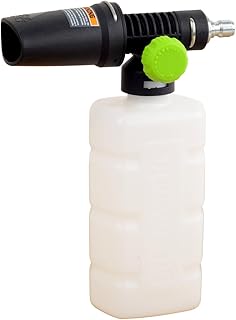
For vehicles, useful accessories can include a foam or detergent attachment, softer cleaning tools and a hose long enough to move around the vehicle without repeatedly repositioning the pressure washer.
Concrete and heavily soiled paving generally require substantially more cleaning capability than a lightly dirty vehicle. Water flow becomes increasingly relevant on larger areas, while a surface cleaner attachment can make broad flat surfaces easier to clean consistently.
Before using high pressure on older concrete, painted surfaces or areas with damaged joints, test an inconspicuous section. Aggressive pressure can remove loose coatings, worsen damaged surfaces or force water into unwanted areas.
Timber decking requires more care than concrete because excessive pressure can damage the surface fibres. Use an appropriate nozzle, maintain a suitable distance and avoid concentrating the spray on one location for too long.
Composite decking, painted decking and other manufactured surfaces should also be treated according to their material-specific cleaning recommendations.
Outdoor furniture generally needs less aggressive cleaning than masonry. A compact pressure washer with adjustable spray control can be more useful than a high-powered machine operated at unnecessarily high pressure.
Pressure washing can quickly remove accumulated dirt from suitable masonry and some outdoor surfaces, but painted, rendered or weathered materials require additional caution. Start with a wider spray pattern and lower effective pressure before increasing cleaning intensity.
Pressure washers can be convenient for removing surface dirt from suitable outdoor equipment, but salt, marine deposits, coatings, seals and sensitive components require careful handling. Avoid directing high-pressure spray into electrical connections, bearings, seals or other vulnerable areas.
One of the most important decisions is the power source. Corded electric and battery-powered pressure washers solve different problems, so neither format is automatically superior.
A corded electric pressure washer can be practical when mains electricity is readily available and cleaning sessions are relatively long. Continuous electrical power means you do not have to stop to recharge a battery.
Battery-powered pressure washers can be attractive for Australian homes where portability is more important than continuous runtime. They can be particularly convenient around gardens, outdoor areas, boats, vehicles and locations where running a power cable is inconvenient.
If you already own Greenworks cordless equipment, check the exact battery family and compatibility information before assuming that an existing battery will operate a particular pressure washer. Greenworks has used different voltage platforms and product systems across its ranges and markets.
Do not choose a machine solely because the brand name matches tools you already own. Confirm the platform, voltage, battery interface and manufacturer's compatibility information for the specific model.
The nozzle can dramatically change how a pressure washer behaves. A narrow spray concentrates energy into a smaller area, while a wider spray distributes water across a larger surface.
A wider spray is generally useful for broad, relatively delicate surfaces and initial rinsing. It reduces concentration at any single point and can be a sensible starting position when cleaning an unfamiliar material.
Narrower spray patterns can provide greater cleaning intensity over a smaller area. They can be useful for stubborn deposits, but they also increase the risk of surface damage if used too close to the material.
Rotating spray accessories combine a concentrated jet with rapid movement, producing an aggressive cleaning pattern. They can be useful on suitable hard surfaces but should be used cautiously around painted finishes, timber, soft stone, vehicle surfaces and damaged materials.
Detergent application is often performed at lower pressure so that cleaning solution can be distributed over the surface. The correct detergent and dilution depend on the material being cleaned and the manufacturer's instructions.
A surface cleaner can be one of the most useful accessories for large horizontal areas. Instead of moving a single concentrated spray back and forth across a driveway, a surface cleaner uses a contained cleaning head to cover a broader area more consistently.
This can reduce visible striping and make large paved surfaces easier to clean systematically. Compatibility matters, however, because surface cleaners have pressure and flow requirements. Check the accessory's recommended operating range before pairing it with a Greenworks pressure washer.
Hose length is easy to overlook when comparing pressure washers, yet it has a direct effect on convenience. A short hose may require the machine to be repositioned frequently, while a longer hose can make it easier to move around a vehicle or garden.
Longer is not automatically better. Hose storage, weight, handling and resistance to tangling also matter. Look for a design that allows the hose to be stored neatly after use rather than leaving it exposed to unnecessary kinks, crushing or direct sunlight.
Detergent can improve cleaning results by helping loosen oils, road film, organic residue and general grime before rinsing. However, the pressure washer itself is only one part of the process.
Check whether the Greenworks model you are considering includes an integrated detergent system, a dedicated detergent bottle, a low-pressure detergent nozzle or another attachment. If a preferred accessory is sold separately, include its cost when comparing complete setups.
For vehicle washing, a compatible foam attachment can be convenient, but thick foam should not automatically be interpreted as better cleaning. The detergent formulation, dwell time, agitation and rinsing process all influence the final result.
The motor provides the power needed to drive the pump, while the pump converts that mechanical input into pressurised water. Buyers should pay attention to the overall system rather than attempting to judge durability from motor terminology alone.
For a domestic pressure washer, practical factors include expected operating frequency, thermal management, protection features, pump construction, availability of replacement components and the manufacturer's support arrangements in the Australian market.
The pump is central to pressure-washer performance. A machine that will be used occasionally for light domestic cleaning has different durability requirements from equipment that will be operated frequently for large cleaning jobs.
When specifications are available, examine the manufacturer's pump information and intended application. Avoid assuming that a higher pressure rating automatically means a more durable pump.
A pressure washer cannot perform properly if its water supply is inadequate. Before purchasing, consider where the machine will be used and whether the available tap, hose and water supply can support the manufacturer's requirements.
Water restrictions and outdoor-water rules can vary between Australian states, territories, councils and water authorities, and they can change in response to local conditions. Before pressure washing a driveway, patio or other outdoor area, check the rules applicable to your location rather than assuming that pressure washing is unrestricted.
Even where use is permitted, efficient cleaning practices can reduce unnecessary water consumption. Use the correct nozzle, avoid repeatedly rinsing already-clean surfaces and use detergent appropriately so that cleaning can be completed efficiently.
Noise can be an important practical issue, particularly in suburban Australian homes. Electric pressure washers generally avoid the engine noise associated with petrol equipment, but the motor, pump and spray itself can still be noticeable.
Consider when you will use the machine, how close neighbouring homes are and whether local noise rules apply. A quieter machine may be preferable if most cleaning takes place in a residential environment.
A pressure washer can be awkward to handle if its weight and design do not suit the intended cleaning area. Wheels can help when moving a larger machine across relatively smooth ground, while compact designs can be easier to lift and store.
Battery-powered models may offer additional flexibility because there is no mains cable to manage, but battery weight and runtime should be included in the portability assessment.
Measure your available storage area before purchasing. Remember to account for the hose, spray gun, lance, detergent accessories and electrical cable or battery equipment rather than measuring only the main pressure-washer body.
Greenworks is not the only established option available to Australian shoppers. Comparing it with brands such as Kärcher, Gerni, Ryobi and Bosch can help establish whether a particular Greenworks configuration represents the right combination of performance, accessories, portability and price.
Both brands offer consumer-oriented pressure-washing equipment, but the exact comparison depends on the individual models. Consider pressure, water flow, accessories, hose design, power source, dimensions and after-sales arrangements rather than assuming that one brand is universally better.
Gerni is a familiar pressure-washer name in Australia. A useful comparison should focus on the specifications and equipment supplied with each model. Pay particular attention to water flow and included cleaning accessories when comparing machines intended for driveways or other large surfaces.
Ryobi can be particularly relevant to cordless-tool users. If cordless portability is important, compare the battery platform, battery capacity, charger requirements, runtime expectations and tool ecosystem rather than comparing pressure figures alone.
Bosch pressure washers can also be considered when compact domestic cleaning is the priority. Compare physical size, accessories, operating specifications and intended applications to determine which design better matches your workload.
The highest advertised pressure is not automatically the best purchase. Excessive pressure can be unnecessary for many domestic surfaces and may increase the risk of damage when used incorrectly.
A pressure figure without the corresponding flow rate provides an incomplete picture of cleaning capability. Look at both specifications whenever they are published.
For cordless equipment, check whether the advertised product is a tool-only package. A pressure washer that appears inexpensive can require additional battery and charging equipment if you do not already own the compatible system.
Greenworks has multiple cordless product platforms. Always verify compatibility for the exact pressure washer and battery rather than relying on the Greenworks name alone.
A surface cleaner, foam cannon, replacement hose or extension lance can be useful, but accessories have connection and performance requirements. Check compatibility before purchasing.
A pressure washer is easier to use regularly when its hose, gun and accessories can be stored neatly. A machine that technically fits your needs but is difficult to store may become inconvenient over time.
Vehicles contain paintwork, trim, seals, badges, sensors and other components that should not be treated like concrete. Use appropriate spray patterns, maintain a safe distance and follow vehicle and pressure-washer cleaning guidance.
Pressure washing can move oil, dirt, detergents, mud and other contaminants into drains or surrounding areas. Plan the cleaning process so that runoff is handled responsibly and in accordance with applicable local requirements.
Regular maintenance can help preserve reliable operation and reduce avoidable problems. The exact maintenance procedure varies by model, so the owner's manual should remain the primary reference.
Check the high-pressure hose for cuts, abrasions, crushing, kinks or other visible damage. Do not continue using damaged high-pressure equipment simply because the defect appears minor.
Inspect hose connections, water fittings and accessories before operation. Leaks can reduce usable performance and may indicate damaged seals, connectors or fittings.
If the pressure washer uses an inlet filter or screen, inspect and clean it according to the manufacturer's instructions. Dirt entering the pump can create avoidable problems.
After cleaning, follow the manufacturer's shutdown, drainage and storage procedures. Store hoses without tight kinks and keep batteries in accordance with the battery manufacturer's storage recommendations.
Australian outdoor conditions can expose equipment to heat, dust, humidity and direct sunlight. Where possible, store the pressure washer in a clean, dry and sheltered location rather than leaving it exposed to weather.
A battery-powered Greenworks pressure washer can be a compelling choice when convenience and portability are more important than maximum continuous cleaning capacity. It can make sense for users who want to clean vehicles, garden equipment, outdoor furniture and smaller paved areas without managing a long electrical cable.
The decision becomes less straightforward for large-scale or prolonged cleaning. In those situations, continuous power, higher water throughput and longer operating periods may make a corded electric pressure washer more practical.
A corded model can be preferable when your cleaning area has convenient access to suitable mains power and you expect longer sessions. There is no need to manage battery charging or calculate whether the available battery capacity will cover the entire job.
The trade-off is mobility. Electrical cable management becomes part of the cleaning process, particularly when working around vehicles, gardens and large outdoor areas.
For shoppers interested in advanced rather than entry-level equipment, consider the complete system rather than the pressure washer body alone.
Customer ratings can provide useful information, but a single overall score does not explain why people liked or disliked a product. For a more reliable assessment, look for repeated comments about the same feature or problem.
Useful review signals include reports about hose handling, ease of assembly, battery runtime, detergent performance, accessory quality, noise, storage and long-term reliability. Give greater weight to detailed reviews that explain the user's cleaning requirements and operating conditions.
Also distinguish dissatisfaction caused by an unsuitable purchase from an actual product problem. Someone expecting a compact battery machine to perform like heavy-duty commercial equipment may give a negative review even when the product performs as designed.
If two Greenworks models appear similar, use a structured comparison rather than focusing on the advertised pressure number.
There is no single best Greenworks pressure washer for every Australian buyer. The right choice depends on the surfaces you clean, required water flow, desired pressure, power source, cleaning frequency, available storage and accessory requirements. Compare the exact model specifications and current Australian package contents before deciding.
Suitable Greenworks pressure washers can be used for vehicle cleaning when operated correctly. The important factors are controlled spray pressure, appropriate nozzles, suitable detergent application and safe working distance. Avoid treating vehicle paint and components like hard concrete surfaces.
Battery pressure washers can be suitable for many domestic cleaning tasks, but capability varies considerably between models. They are generally most attractive when portability is important. For long, intensive cleaning sessions, compare battery runtime and water performance carefully against corded alternatives.
Package contents vary by model and retailer. Some cordless products may be sold as complete kits while others may be supplied without a battery or charger. Always check the exact Australian listing before purchase.
Only if the battery is specifically compatible with the pressure washer model. Greenworks has multiple battery platforms, so check the manufacturer's compatibility information rather than assuming that all Greenworks batteries are interchangeable.
No. Higher pressure can provide more aggressive cleaning, but the appropriate pressure depends on the surface. Water flow, spray pattern, nozzle selection and technique are also important. Excessive pressure can damage materials that require gentler treatment.
Both matter. Pressure influences the intensity of the spray, while water flow influences how much water is delivered and how effectively loosened dirt can be rinsed away. For broad cleaning jobs, water flow can become particularly important.
Suitable models can clean many concrete surfaces. Use an appropriate nozzle and technique, and take care around cracks, damaged areas, painted coatings and weak joints. A surface-cleaning attachment can also be useful for large flat areas.
Yes. Excessive pressure or an unsuitable spray pattern can damage timber fibres and leave visible marks. Use a gentler setting, maintain an appropriate distance and follow the timber manufacturer's cleaning guidance.
They can be, but the correct technique depends on whether the decking is timber, composite or another material. Start conservatively and avoid concentrating high-pressure spray in one location.
Not necessarily. A surface cleaner becomes more valuable when you regularly clean large flat areas such as driveways, patios and paving. For occasional small jobs, the standard lance and nozzle may be sufficient.
No. Use detergents and cleaning solutions that are suitable for pressure-washer application and compatible with the specific machine and surface. Follow the product and manufacturer's instructions for dilution and application.
Maintenance requirements depend on the model and frequency of use. Inspect the machine, hose, connections and filters before use, and follow the manufacturer's maintenance and storage schedule for more detailed servicing requirements.
They can be suitable for domestic Australian applications when the selected model matches the workload and is used according to its instructions. Buyers should pay particular attention to the exact Australian product configuration, electrical requirements, storage environment, water restrictions and applicable warranty information.
The strongest buying decision is rarely the machine with the biggest headline specification. Instead, look for the Greenworks pressure washer that delivers an appropriate balance of pressure, water flow, portability, power, accessories and usability for the jobs you actually perform.
For Australian buyers, compare the exact model available locally rather than relying on specifications from another country. Product names, voltage configurations, included batteries, chargers, accessories and retailer bundles can differ between markets.
If portability is the priority, investigate the cordless Greenworks options and confirm battery compatibility and expected runtime. If long cleaning sessions are more important, compare corded electric alternatives with attention to water flow, hose reach and continuous operation. For large paved areas, consider whether a compatible surface cleaner adds meaningful value.
Before purchasing, check the latest specifications, current package contents, customer feedback, warranty conditions and retailer information. A careful comparison of the complete setup will usually provide a more useful buying decision than choosing solely from PSI, price or overall star rating.