

♥ Wishlist


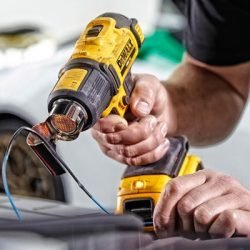
A cordless heat gun is designed to produce a stream of hot air without requiring a direct connection to a wall outlet. Its battery-powered design can simplify jobs that require movement, temporary setup or access to areas where mains electricity is inconvenient. Instead of managing a power cable, you can move the tool around the workpiece while maintaining a comfortable working position.
These tools can suit a range of practical applications. Depending on the model and its operating specifications, common uses may include softening adhesives, removing labels, shrinking heat-shrink tubing, loosening certain fasteners, shaping suitable plastics and completing craft or repair work. Always check the manufacturer's instructions and the material's heat tolerance before applying heat.
Temperature capability is one of the most important specifications to compare. Different jobs require different heat levels, so a model with an appropriate temperature range can provide greater versatility. Variable temperature control can also help you match the heat output to the material instead of relying on a single setting.
Airflow is another useful consideration. A heat gun that provides suitable airflow can help distribute hot air across the working area. Some models offer multiple airflow or heat settings, allowing you to adapt the tool for lighter or more demanding applications.
Battery compatibility can make a significant difference for regular tool users. If you already use compatible cordless equipment, choosing a heat gun that works with the same battery platform may reduce the need to manage additional battery systems. Check whether the battery and charger are supplied before purchasing, as package contents can vary between products.
One of the main advantages of a cordless heat gun is portability. A cable-free design can be useful for outdoor projects, vehicle-related work, installation tasks and workshop areas where power access is limited. It can also reduce cable management around the immediate work zone.
Battery runtime should still be considered. Heat guns can draw substantial power while operating, so runtime may depend on the battery capacity, temperature setting, airflow and workload. For longer projects, having a charged spare battery can help minimise interruptions when the tool platform supports interchangeable batteries.
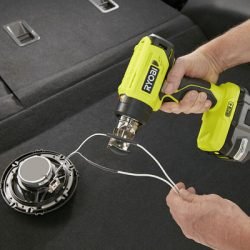
Controlled hot air can shrink suitable heat-shrink tubing around electrical connections. Work carefully and avoid overheating insulation, connectors or surrounding materials.
Gentle heat can soften some adhesives and labels, making them easier to remove. The surface should always be checked for heat sensitivity before starting.
Depending on the tool's specifications, cordless heat guns can support selected crafting and DIY applications that require a concentrated source of warm or hot air. Use the lowest effective temperature whenever possible.
Some plastics become more workable when heated. However, not every plastic is suitable for heating, and excessive temperature can cause melting, fumes or permanent damage. Identify the material before beginning the task and follow appropriate safety guidance.
Ergonomic handling can make a difference when a project takes time. Look for a design that feels balanced and comfortable in the hand. A clear control layout can also make it easier to adjust settings while working.
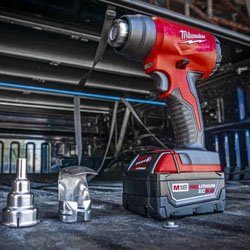
Other features may include LED work lights, integrated stands, thermal protection, adjustable temperature settings, multiple nozzles and compact designs. Accessories can expand the practical uses of a heat gun, but the included equipment varies by model. Check the individual product listing for confirmed specifications and package contents.
Heat guns produce very high temperatures and should be treated as serious heat-producing equipment. Keep the hot nozzle away from skin, clothing, cables and combustible materials. Do not touch the nozzle immediately after use, and allow the tool to cool in a safe location.
Good ventilation is important when heating adhesives, plastics, coatings or other materials that may release fumes. Wear suitable eye protection and follow the manufacturer's safety instructions. Never leave an operating heat gun unattended, and keep children and pets away from the work area.
Australian DIY enthusiasts, tradespeople, hobbyists and workshop users may value cordless equipment when portability and convenient access are priorities. A battery-powered heat gun can be useful for jobs in garages, sheds, workshops, vehicles and outdoor areas where a power socket is not immediately available.
Before purchasing, compare the specifications that matter to your intended application rather than selecting a model based only on maximum temperature. Consider battery requirements, runtime, airflow, controls, ergonomics, accessories and the type of materials you expect to heat. This approach can help you choose a cordless heat gun that matches your projects and working environment.
Whether you need portable heat for repairs, DIY work, crafts or workshop applications, a cordless heat gun can provide a practical alternative to a corded design. Compare temperature settings, airflow, battery arrangements and handling characteristics to identify a model suited to your needs.
For Australian shoppers, also consider how and where you will use the tool, how much runtime you need and whether an existing battery platform can support your purchase. Always verify current product specifications, compatibility and included accessories on the individual product listing before ordering.
A cordless heat gun gives you the freedom to apply concentrated heat without being restricted by a mains power cable. This makes cordless models useful for DIY projects, repairs, crafts, workshop tasks and other applications where portability matters. For Australian shoppers, a battery-powered heat gun can be particularly convenient when working away from a power outlet or moving between different work areas. When choosing a cordless heat gun, consider factors such as operating temperature, airflow, battery compatibility, heat-up time, runtime, handling and included accessories. The right combination depends on the materials you work with and how frequently you use the tool.