

♥ Wishlist


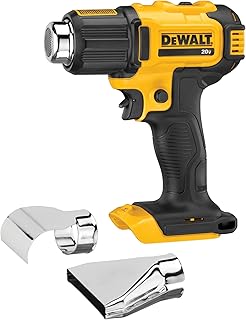


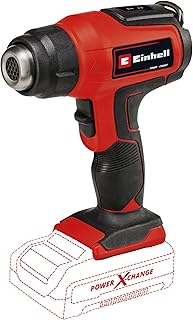


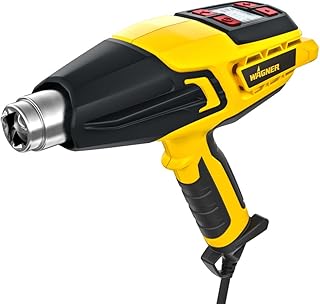


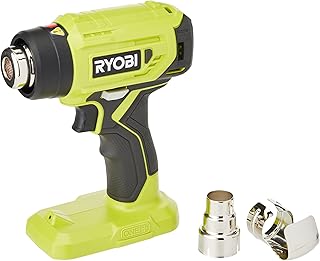


A Ryobi Heat Gun can make many repair, renovation and crafting jobs easier by delivering concentrated hot air without an exposed flame. For Australian shoppers, the category can suit home maintenance, workshop projects, electrical preparation, restoration work and a range of DIY applications. A heat gun is particularly useful when you need to soften, warm, shrink or loosen a material while maintaining better control than traditional heating methods.
When choosing a Ryobi Heat Gun, start by considering the jobs you expect to perform most often. Paint removal may require sustained heat, while heat-shrink tubing and adhesive work can benefit from precise airflow and manageable temperature control. For occasional household projects, a compact design can be convenient. Regular workshop users may prefer a model that offers comfortable handling and dependable performance over longer sessions.
Heat guns are versatile tools with applications across DIY, maintenance and craft work. Common uses include softening old paint before scraping, loosening stickers and labels, warming adhesives and shaping heat-sensitive materials. They can also be useful when installing heat-shrink tubing around suitable electrical connections. Always follow the instructions supplied with the tool and the material being heated.
For renovation projects, controlled hot air can help prepare surfaces before further work. In a workshop, a heat gun can support repair and restoration tasks where a steady source of hot air is useful. Because different materials react differently to heat, begin with an appropriate lower setting where available and increase the temperature gradually when the application allows it.
A cordless Ryobi Heat Gun can provide greater freedom of movement around a work area. Without a mains cable restricting your position, you can work more easily in locations where access to a power outlet is inconvenient. Cordless operation can also be useful for mobile DIY tasks and jobs around a property.
However, cordless tools rely on a compatible battery system, so Australian shoppers should check whether the required battery and charger are included with the product or need to be purchased separately. If you already use compatible Ryobi battery-powered tools, a battery-platform option may also help you make better use of equipment you already own.
Temperature and airflow are important considerations when selecting a heat gun. Different jobs require different levels of heat, so adjustable settings can provide more control across multiple applications. Lower heat can be useful for sensitive materials, while higher heat may be appropriate for demanding tasks when the manufacturer's instructions permit it.
Airflow also affects how quickly heat reaches the work surface. A suitable combination of temperature and airflow can help you work more accurately and reduce unnecessary exposure of nearby areas to heat. Look for controls that are straightforward to operate and a design that feels comfortable during repeated use.
A heat gun produces very high temperatures, so safe handling is essential. Keep the hot nozzle away from skin, clothing, cables, flammable materials and surfaces that could be damaged by heat. Never leave a switched-on heat gun unattended. Allow the tool to cool completely after use and store it safely where children cannot access it.
Good ventilation is also important when heating paints, coatings, plastics or adhesives because fumes may be produced. Check the manufacturer's safety guidance before starting a project, use appropriate personal protective equipment and make sure the material you are heating is suitable for the application.
Think about the intended applications, operating style and frequency of use before choosing a model. Consider whether cordless portability is important, whether adjustable heat and airflow would benefit your projects, and whether you already have compatible batteries. Ergonomics can also matter, particularly if a task requires extended handling.
Australian shoppers should also consider the product's included accessories, warranty information, compatibility requirements and suitability for the intended job. Comparing these details before purchase can help you select a heat gun that fits your workshop or household needs rather than choosing solely by appearance or headline specifications.
Whether you are preparing a surface, softening adhesive, working with heat-shrink tubing or tackling another suitable DIY application, a Ryobi Heat Gun can be a useful addition to a home workshop. Explore the available category options and compare the features that matter most to your projects, including power source, controls, handling and compatibility.
Choose a heat gun based on the materials you work with, the level of control you need and the environments where you plan to use it. With the right model and safe operating practices, controlled hot air can become a valuable part of your Australian DIY and workshop toolkit.
A Ryobi Heat Gun is a practical choice for Australian DIY enthusiasts, tradespeople and workshop users who need controlled heat for a variety of tasks. Heat guns can help with paint removal, adhesive softening, heat-shrink tubing, vinyl work and other applications where concentrated hot air is more suitable than an open flame. Choosing the right model depends on the type of work, available power options, temperature requirements and how often you expect to use the tool.