

♥ Wishlist


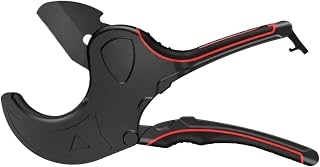


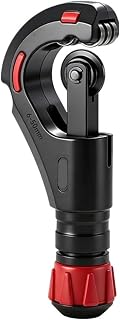


A compact pipe cutter is designed to cut pipe neatly while taking up less space than many larger cutting tools. Its compact construction makes it useful for work in restricted areas, including under sinks, inside cabinets, around plumbing installations and in busy workshop environments. For Australian tradespeople, maintenance workers and DIY users, the right pipe cutter can make routine pipe preparation more manageable.
These tools commonly use a cutting wheel and adjustable mechanism to create a controlled cut around the pipe. Instead of relying on a long handle or bulky cutting equipment, the operator can position the tool around the pipe and gradually tighten it as the cutter is rotated. This approach can help produce a more consistent cut when the tool is suitable for the pipe material and diameter.
Before purchasing a compact pipe cutter, identify the type and size of pipe you need to cut. Pipe materials can vary considerably, and a cutter designed for one material may not be suitable for another. Check the product specifications carefully for the supported materials and pipe diameter range.
Pipe diameter is equally important. A compact design may be ideal for smaller pipework, but its adjustment range determines whether it can accommodate the pipe you are working with. Matching the tool to the required diameter helps avoid choosing a cutter that is either too small or unnecessarily large for the task.
Different pipes require different cutting characteristics. Depending on the specific product, compact cutters may be intended for materials such as copper, aluminium, plastic or other suitable pipe types. Always confirm compatibility before use. The cutting wheel, adjustment mechanism and construction should all be appropriate for the intended material.
Look at the stated minimum and maximum pipe diameter rather than relying on the tool's appearance. A compact pipe cutter with the correct capacity gives you a more practical solution for your regular jobs. If you work with several pipe sizes, consider whether one adjustable model can cover your needs or whether dedicated cutters would be more appropriate.
Space is often a major consideration when cutting installed pipework. A compact pipe cutter can be easier to position when surrounding components limit access. Its smaller footprint may also make it convenient to carry in a tool bag, toolbox or service kit.
For maintenance and repair work, portability can be particularly useful. A compact tool can stay available for quick jobs without adding excessive weight or bulk to a collection of hand tools. It can also complement other plumbing and workshop equipment when a dedicated pipe-cutting solution is required.
Start by confirming that the pipe is stable and that there is enough clearance to rotate the cutter safely. Position the cutting wheel around the pipe and adjust the mechanism until the wheel makes suitable contact. Avoid excessive tightening at the beginning, as controlled adjustment can help the cutter progress around the pipe more effectively.
Rotate the tool around the pipe while maintaining suitable pressure. After each rotation, make a small adjustment if the cutter requires additional pressure. Continue until the pipe separates. Once cutting is complete, inspect the cut edge and remove any burrs that could interfere with fittings or connections.
A clean, suitable cutting wheel can contribute to smoother operation. Inspect the wheel and adjustment mechanism regularly for wear, damage or contamination. Follow the manufacturer's maintenance instructions and replace worn components when required. Proper storage also helps protect the tool between jobs.
Australian shoppers should consider where and how the cutter will be used before selecting a model. For occasional DIY work, a straightforward compact design may be sufficient. Regular plumbing or maintenance work may call for a more durable construction, a suitable adjustment range and a cutting mechanism designed for frequent use.
Also consider ergonomics and accessibility. A cutter that is easy to adjust and rotate can be more convenient during repetitive work. The overall dimensions matter when access is restricted, while the tool's weight can matter when it forms part of a portable service kit.
Always read the listed specifications before ordering. Product descriptions, supported materials, dimensions and cutting capacities can differ between models. Selecting according to the actual requirements of your project is more useful than choosing solely on size or appearance.
A generic compact pipe cutter can be a useful addition to a home workshop, plumbing toolkit or maintenance kit when its specifications match the job. Focus on pipe compatibility, cutting capacity, compact dimensions, adjustment and construction quality when comparing options. With the right tool, pipe cutting can become a more controlled part of routine installation, repair and maintenance work.
Find a practical compact pipe cutter for plumbing, maintenance, workshop and DIY applications. A small pipe cutting tool can provide controlled cuts in confined spaces where larger equipment is difficult to position. When choosing a compact pipe cutter in Australia, consider the pipe material, diameter range, cutting mechanism, handle design and overall tool size to match your intended job.