

♥ Wishlist


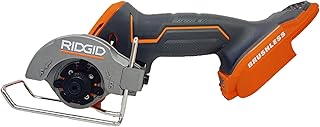


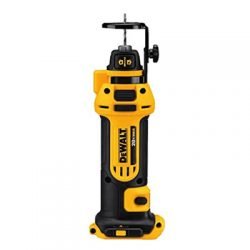
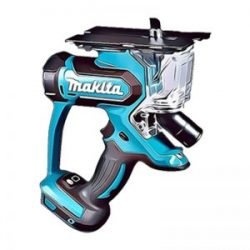
A cordless drywall cutter can make plasterboard and drywall cutting more convenient when you need freedom of movement around a work area. Unlike a corded cutting tool, a cordless model does not require a mains power cable while you work. This can help reduce cable management and make it easier to move between rooms, work at different positions or reach areas where a power outlet is inconvenient.
For Australian tradespeople, renovators and DIY users, the right drywall cutting tool can help simplify common interior projects. Drywall cutters can be useful when creating openings, trimming panels and working around areas that require controlled cuts. Before purchasing, think about the materials you intend to cut, the frequency of use and the level of portability you need.
A cordless drywall cutter is a battery-powered cutting tool designed for working with drywall, plasterboard and similar interior building materials. Its cordless construction allows the operator to work without a direct connection to a wall socket. Depending on the tool design, cutting accessories and intended application, it may be suitable for straight cuts, openings, trimming and detailed work.
Because cordless tools can vary considerably, always check the individual product specifications before use. Look for information about compatible batteries, cutting capacity, included accessories and recommended materials. Using the correct accessory and following the manufacturer's instructions helps support safe and effective operation.
A battery-powered design gives you greater freedom to position the tool without managing a mains cable. This can be particularly useful during renovation work where the cutting area changes frequently.
Drywall and plasterboard work often involves moving around unfinished rooms, ceilings and wall sections. A cordless cutter can provide a practical option when portability is a priority.
A suitable drywall cutter can help you make controlled cuts when preparing panels or creating openings. Select a tool that matches the requirements of your project rather than choosing solely on appearance or price.
Without a permanently attached power cable, a cordless cutter can be convenient to carry between jobs. This can suit tradespeople who regularly move equipment between workshops, construction sites and renovation projects.
Start by identifying the material and cutting tasks you expect to perform. If you mainly work with standard plasterboard, look for a model intended for that application. If your projects involve different materials, confirm that the selected tool and its accessories are suitable before cutting.
Battery compatibility is another important consideration. If you already use cordless equipment, a cutter that works with your existing battery platform may offer greater convenience. Check whether the product is supplied as a bare tool or includes a battery and charger. These details can affect the overall equipment you need for a job.
Ergonomics also matter when cutting several panels. Consider the tool's grip, balance, controls and overall handling. A comfortable design can make repetitive work easier to manage. Weight may also influence how convenient the tool is for overhead or extended use.
Pay attention to cutting specifications and accessory compatibility as well. The correct bit or cutting accessory can influence the type of work you can perform. Always confirm the manufacturer's stated capacity and recommended applications rather than assuming a cutter can handle every board or material.
These tools can be useful for a range of interior construction and renovation tasks. Typical applications may include trimming plasterboard panels, preparing openings for installations and cutting around sections where accurate access is required. They can also be useful for maintenance and repair work where a portable cutting solution is preferable.
For larger projects, consider how frequently you will need to recharge batteries and whether you have enough compatible batteries for uninterrupted work. For occasional DIY projects, portability and ease of storage may be more important than maximum runtime.
Always read the manufacturer's instructions before operating a cordless drywall cutter. Wear suitable eye protection and other personal protective equipment appropriate to the task. Secure the workpiece where practical and keep your hands away from the cutting area.
Before cutting into an existing wall, identify potential electrical wiring, plumbing and other concealed services. Do not assume an area is clear simply because it is not visible. Follow appropriate Australian workplace or project safety requirements and use the correct cutting accessory for the material.
Choosing the right cordless drywall cutter starts with matching the tool to your material, project requirements and working environment. Consider battery compatibility, cutting capability, ergonomics, accessories and intended use before making a purchase. Whether you are handling renovation work, plasterboard installation or occasional DIY projects, selecting a suitable cordless cutting tool can help make interior cutting tasks more manageable.
Explore the cordless drywall cutter category to compare available options and identify a model that fits your requirements. Always review the individual product specifications for the most accurate information about compatibility, included components and recommended applications.
Find a cordless drywall cutter for convenient, controlled cutting of plasterboard and drywall. These compact cutting tools are designed for jobs where speed, manoeuvrability and easy access matter. A cordless design removes the need to work around a power cable, making it practical for renovation, installation and interior construction tasks. When choosing a cordless drywall cutter in Australia, consider the cutting application, tool compatibility, handling, battery requirements and the type of material you regularly work with.