

♥ Wishlist
Compare 21 Caulking Gun Hand Tools products in Australia. Reviews, ratings, pros, cons and buying advice updated for October 2026.


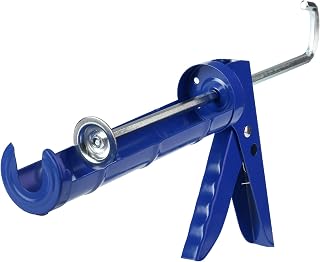

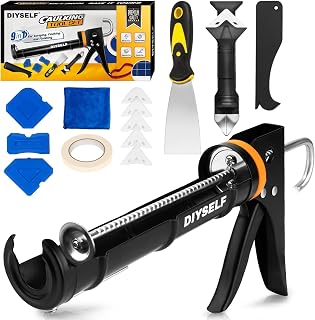


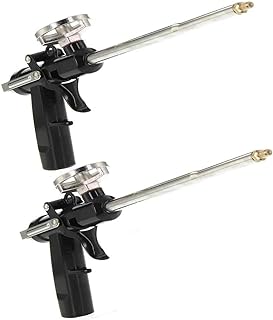

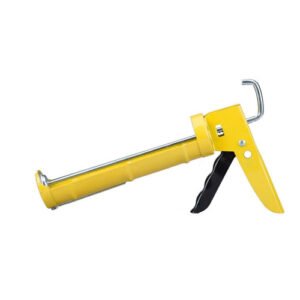
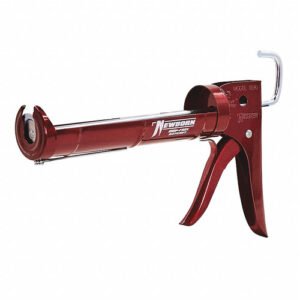
An advanced caulking gun is more than a simple cartridge holder. The right hand tool can make a substantial difference to bead consistency, trigger effort, control around corners and the amount of sealant wasted during a project. For Australian buyers, the most suitable choice depends on the sealant formulation, cartridge or sausage-pack format, application temperature, joint size and how frequently the tool will be used.
Before choosing from the best advanced caulking gun hand tool solutions for 2026, identify the type of work you actually perform. A homeowner applying occasional bathroom sealant has very different requirements from a tradesperson repeatedly dispensing polyurethane, construction adhesive or high-viscosity hybrid sealant.
A basic manual caulking gun generally uses a straightforward trigger-and-plunger mechanism. Advanced manual models add features intended to improve mechanical advantage, dispensing control, durability and ease of use. These can include higher thrust ratios, smoother trigger mechanisms, reinforced frames, rotating barrels, drip-control systems, quick-release plungers and more ergonomic handles.
The term "advanced" does not necessarily mean that one tool is superior for every application. A high-thrust gun can be excellent for dense construction adhesive but unnecessarily tiring or difficult to control when applying a delicate silicone bead. Conversely, a low-thrust gun may provide excellent control for light sealants but struggle with thick materials.
Thrust ratio describes the mechanical advantage created by the caulking gun's trigger mechanism. It is commonly expressed as a ratio such as 3:1, 6:1, 10:1, 12:1, 18:1 or higher. In general terms, a higher ratio provides greater force at the plunger for a given trigger input, although the exact feel varies according to the tool's mechanism and construction.
Higher thrust is particularly relevant when dispensing thick or highly viscous products. However, maximum thrust should not automatically be treated as the most important specification. Excessive mechanical advantage can make it easier to dispense material too quickly, which can make precise bead control harder for some applications.
Always check the sealant manufacturer's dispensing recommendations rather than selecting a gun solely because its thrust ratio is higher.
Before buying a caulking gun, check which consumable format it accepts. A tool designed around standard cartridges may not be suitable for sausage packs without the appropriate conversion or accessory system.
Do not assume that a cartridge will fit simply because it looks similar to another cartridge. Compare the manufacturer's stated cartridge length, diameter, capacity and dispensing system before purchasing.
The frame carries the cartridge and transfers force from the trigger mechanism to the plunger. This makes frame construction particularly important when a caulking gun is used with high-viscosity materials.
Steel frames can provide substantial rigidity and are commonly found on heavy-duty manual guns. Aluminium and other lighter materials can reduce overall weight while still offering useful durability when properly engineered. Reinforced composite components can also be practical in areas where lower weight and corrosion resistance are priorities.
Look beyond the material name. The quality of the frame joints, plunger alignment, trigger mechanism, barrel attachment and surface finish can have as much practical importance as the headline construction material.
A drip-control or non-drip mechanism is designed to reduce continued material flow after the trigger is released. This can make finishing cleaner and reduce unwanted sealant accumulation at the nozzle.
Different mechanisms achieve this in different ways, so buyers should not judge a tool solely by the presence of a "no-drip" description. The actual performance depends on the interaction between the mechanism, plunger pressure, sealant viscosity and the user's trigger technique.
For silicone and other sealants where clean termination is important, a responsive release mechanism can be particularly useful. It can also help reduce accidental extrusion when moving between joints.
Caulking is deceptively repetitive. Applying several cartridges in one session can place considerable strain on the fingers, hand and forearm, especially when the material has high dispensing resistance.
Evaluate the shape and spacing of the trigger, handle angle and overall balance. A comfortable grip can help maintain consistent pressure over long applications and reduce the temptation to squeeze the trigger excessively hard.
A rotating barrel can be useful when following curved joints, corners and changes in direction. Instead of rotating the entire tool, the user can reposition the cartridge or barrel to maintain a more natural hand position.
This feature is particularly valuable when working around irregular surfaces or when a joint changes direction frequently. It is less important for straightforward applications where long, accessible seams can be followed in a single direction.
If a rotating barrel is included, check that its locking mechanism is secure and that it does not introduce unwanted movement while dispensing.
The plunger is responsible for pushing material toward the cartridge nozzle. Its shape, alignment and sealing arrangement affect how efficiently material is dispensed.
A properly matched plunger should apply pressure evenly without damaging the cartridge. Poor alignment can increase resistance and make dispensing less predictable. With flexible sausage packs, the plunger and barrel arrangement is especially important because the system needs to collapse the pack progressively rather than simply push against a rigid container.
Sealants differ substantially in viscosity and dispensing resistance. A gun that performs well with one material may be less suitable for another.
Silicone is commonly used for sealing applications where flexibility and resistance to moisture are important. For many silicone cartridges, a moderate-thrust manual gun can provide useful control. The best choice depends on the particular formulation and cartridge.
Acrylic products can be relatively easy to dispense, making smooth trigger control more important than extremely high mechanical advantage for many applications.
Dense construction adhesives can require considerably more force. A higher-thrust gun may therefore be more appropriate, particularly for repeated application.
Polyurethane and hybrid formulations vary widely. Some are relatively easy to dispense while others can be considerably more resistant. Always check the product documentation and select a compatible dispensing system.
Not every feature deserves a premium. Prioritise features that directly improve the way you work.
A long feature list does not automatically indicate a better hand tool. Some features are highly application-dependent.
For general Australian household maintenance, look for a versatile manual gun that accepts commonly used cartridge formats and provides a sensible balance between control and dispensing force.
A DIY-focused buyer may benefit more from a comfortable trigger, dependable release mechanism and easy cartridge loading than from an extremely high thrust ratio. If the tool will be used only occasionally, uncomplicated operation and convenient storage can also be valuable.
Renovation work can involve several different materials, including sealants and construction adhesives. A versatile mid- to high-thrust manual gun may therefore make more sense than a highly specialised model.
Consider the range of cartridges you expect to use rather than focusing on a single project. If you regularly move between silicone, hybrid sealants and heavy adhesives, confirm that the selected gun provides appropriate mechanical advantage and cartridge compatibility for each material.
Frequent professional use changes the buying priorities. Durability, ergonomic design, consistent mechanical operation and serviceability can become more important than the lowest purchase price.
Tradespeople should also consider how many cartridges or packs are likely to be applied during a normal working period. A mechanism that feels comfortable for one cartridge may become tiring after repeated use. Brands such as Tajima, Cox, Albion Engineering, Milwaukee, Makita and Irwin are examples of established tool names that buyers may encounter when comparing dispensing equipment, but individual models should always be assessed by their specifications and intended application rather than by brand recognition alone.
Australia's diverse climate means that storage and working conditions can vary substantially between regions. Heat, humidity, dust and exposure to moisture can all affect tools and sealant products.
A caulking gun itself should be kept clean and stored in a dry location when possible. More importantly, the sealant being dispensed must be stored according to its manufacturer's instructions. A high-quality gun cannot compensate for an adhesive or sealant that has been stored incorrectly or has exceeded its usable condition.
The quality of the finished bead depends on technique as well as the tool. Even an expensive caulking gun cannot produce a professional finish if the nozzle opening, application speed and trigger pressure are inconsistent.
More mechanical advantage is not universally better. It should be matched to the resistance of the material and the level of control required.
A mechanically excellent gun is of little use if it cannot accept the cartridges or sausage packs you intend to use.
Brand reputation can be useful as a starting point, but the exact model, thrust ratio, frame design, cartridge capacity and release mechanism matter more than the logo alone.
Trigger comfort becomes increasingly important as application volume increases. A tool that feels excellent for five minutes may not be ideal for prolonged work.
The material inside the cartridge is one of the most important variables in the entire selection process. Check the product documentation before choosing the gun.
Some particularly demanding materials and packaging formats are intended for specialised dispensing systems. Do not force an incompatible cartridge into a manual gun simply because the dimensions appear close.
When comparing two or more advanced hand tools, create a specification checklist rather than relying on appearance or a single customer rating.
A manual caulking gun remains highly practical when portability, simplicity and low equipment complexity are priorities. It requires no battery, charger or electrical connection and can be immediately ready when a cartridge is installed.
Manual tools can also provide excellent control for smaller jobs. For occasional sealing around the home, the additional cost and weight of powered equipment may provide little practical benefit.
Powered dispensing equipment can make sense when a user regularly applies large quantities of sealant or adhesive and wants to reduce repeated trigger effort. However, it introduces additional considerations such as battery compatibility, charging, tool weight and electronic controls.
For a one-off repair or occasional DIY project, a well-selected manual gun can remain the simpler solution. The choice should be based on application volume and material resistance rather than assuming that powered equipment is automatically superior.
Regular cleaning helps keep the trigger and plunger mechanism operating smoothly. Cured sealant can interfere with moving parts and make future cartridge changes more difficult.
Even a durable hand tool eventually becomes less suitable if its mechanical components are damaged or excessively worn.
Customer ratings can be useful when comparing caulking guns, but they should be interpreted alongside technical specifications. A reviewer using a gun for bathroom silicone may evaluate it very differently from a builder applying thick construction adhesive throughout a renovation.
Look for recurring comments about trigger effort, cartridge compatibility, plunger alignment, release behaviour, durability and ease of cleaning. Give greater weight to reviews that clearly identify the material used and the type of application performed.
When comparing products through an affiliate buying guide, verify current specifications and retailer information before purchasing because product configurations, packaging and availability can change.
Australian shoppers may encounter a wide range of brands across professional tools, DIY equipment and specialist dispensing systems. Depending on the type of application, brands such as Tajima, Cox, Albion Engineering, Milwaukee, Makita, Irwin, Selleys and Sika may appear during product research. These brands cover different categories and product designs, so they should not be treated as interchangeable.
The better approach is to compare the exact model specifications against your intended sealant, cartridge format, workload and desired level of control. Brand familiarity is useful for narrowing a search, but application compatibility should determine the final decision.
For common household work such as sealing gaps, installing trim, completing maintenance tasks or applying general-purpose adhesive, focus on compatibility, comfortable handling and controlled dispensing. A versatile manual model can cover many occasional applications without unnecessary complexity.
For renovation work involving construction adhesive and thicker sealants, move toward a higher-thrust model with a stronger frame and better trigger ergonomics. If sausage packs are part of your normal workflow, select a system specifically designed for that format.
Price should be considered alongside expected workload. A very inexpensive tool may be adequate for a single home repair, while someone applying several cartridges every week may benefit from investing in better ergonomics and more durable mechanical components.
Instead of asking which caulking gun is cheapest, consider the total value of the tool over its expected usage. A slightly more expensive model may be worthwhile if it offers better control, reduced hand fatigue, broader cartridge compatibility or construction appropriate for repeated use.
Read the instructions supplied with both the caulking gun and the sealant. Wear appropriate personal protective equipment for the material being used and ensure adequate ventilation where required.
There is no single best model for every Australian buyer. The right choice depends on the sealant or adhesive, cartridge format, required dispensing force, workload and preferred handling characteristics. A versatile medium-thrust model can suit many DIY jobs, while demanding adhesives may justify a higher-thrust professional-style tool.
No. Higher thrust provides greater mechanical advantage, but excessive thrust can make it easier to dispense material too aggressively. Match the thrust ratio to the viscosity and dispensing requirements of the product.
There is no universal ratio for every silicone product. Silicone formulations vary, so check the sealant manufacturer's dispensing recommendations and consider the level of control required for the particular application.
Many dense construction adhesives require greater dispensing force than easy-flowing sealants. A higher-thrust manual gun may therefore be more appropriate, but the exact requirement depends on the adhesive formulation and cartridge system.
Not automatically. Metal construction can provide useful rigidity and durability, but overall design quality, mechanism construction, alignment and ergonomics also matter. Compare the complete tool rather than judging it solely by the frame material.
They can be worthwhile for users who regularly work with sausage-pack sealants. They are less compelling if all of your materials come in conventional cartridges. Confirm compatibility before choosing a sausage-pack dispensing system.
Often, yes, provided the cartridges fit and the gun supplies sufficient mechanical advantage for the material. A gun suitable for a relatively easy-flowing silicone may feel inadequate with a dense construction adhesive, so check the specifications before switching products.
A non-drip or drip-control caulking gun is designed to reduce continued pressure on the cartridge after the trigger is released. This can help prevent unwanted material from continuing to emerge from the nozzle.
It can when applying sealant around corners, curves or irregular joints because the barrel can be repositioned without constantly rotating the entire tool. For simple straight-line applications, the advantage may be relatively small.
Look at the complete specification rather than relying on the "heavy-duty" label. Frame rigidity, thrust mechanism, cartridge compatibility, trigger construction, release system and intended application provide a more useful indication of capability.
It can make sense if you value durability, smooth operation or expect to undertake demanding renovation work. For occasional low-volume sealing, however, a simpler manual model may provide better value.
Use the same criteria for every model: thrust ratio, cartridge compatibility, frame construction, trigger ergonomics, release mechanism, weight, accessories, intended application and user feedback. This avoids allowing one attractive feature to overshadow more important practical specifications.
The best advanced caulking gun is the one that matches the material, cartridge format and workload rather than the one with the longest feature list. For Australian buyers, start by identifying the sealants and adhesives you actually use, then compare thrust, compatibility, construction and ergonomics.
For occasional household jobs, simplicity and control can be more valuable than maximum mechanical advantage. For renovation and construction work, a stronger frame and higher thrust can become increasingly important. For frequent professional use, prioritise long-session comfort, reliable mechanics and compatibility with the dispensing formats used on the job.
Before making a final purchase, compare the current specifications, verified customer feedback, retailer pricing and availability for the exact model. Product names, packaging and configurations can change during 2026, so always confirm the current information rather than relying on an older listing or generic description.