

♥ Wishlist
Compare 34 Chisels Hand Tools for Woodworking, Carpentry and More products in Australia. Reviews, ratings, pros, cons and buying advice updated for October 2026.
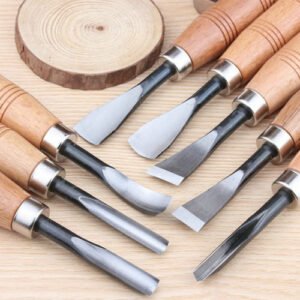
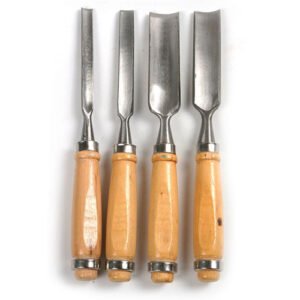
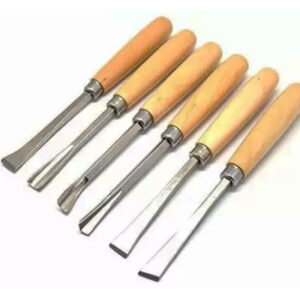
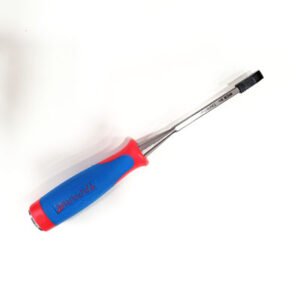


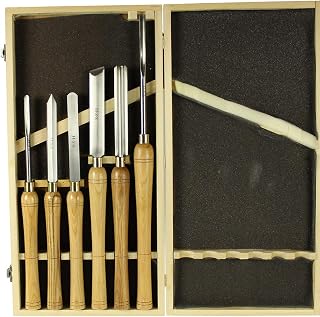


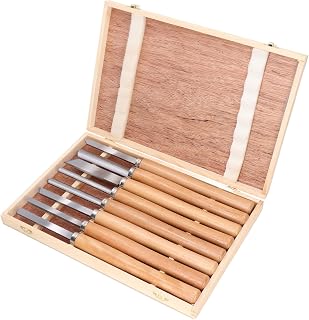
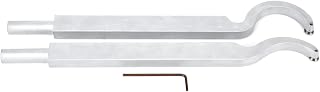

Choosing an advanced chisel is less about finding the largest or most expensive set and more about matching the tool's steel, geometry, handle design and intended application to the work you actually perform. A chisel used for fine joinery has different priorities from one used for heavy timber work, fitting joints, trimming end grain or general construction.
For Australian buyers, it is also worth considering the materials commonly encountered in local woodworking, the workshop environment, replacement availability and the amount of sharpening maintenance you are prepared to perform. A well-made chisel can remain useful for years, but its performance depends heavily on choosing an appropriate design and maintaining the cutting edge correctly.
Before comparing individual products, identify the tasks the chisels will perform most often. This prevents a common buying mistake: purchasing a technically impressive set that contains sizes or designs that do not suit the user's actual projects.
The steel used in a chisel has a major influence on how the tool behaves. However, steel grade alone does not determine whether one chisel is better than another. Heat treatment, blade geometry, hardness, manufacturing consistency and the intended application all contribute to real-world performance.
Carbon steel has long been used for woodworking tools and can provide excellent sharpening characteristics. Many traditional users appreciate how readily a good carbon-steel edge can be refined. The trade-off is that appropriate storage and protection are important because carbon steel can be more susceptible to corrosion than stainless alternatives.
Alloyed steels are widely used in professional and general-purpose hand tools because they can provide a useful combination of toughness, wear resistance and durability. Chrome-vanadium construction is particularly common in hand-tool manufacturing, although the name of the alloy should not be treated as a complete quality assessment.
Some premium chisels use specialised tool steels or proprietary steel formulations intended to improve edge retention, toughness or sharpening behaviour. These can be attractive for demanding users, but a more advanced steel does not automatically make a chisel the best choice for every workshop.
Heat treatment can be just as important as the nominal steel type. A blade that is excessively hard may hold an edge well but can be less forgiving under inappropriate impact or accidental twisting. A blade that is too soft may sharpen easily but require more frequent maintenance. Good chisel design seeks an appropriate balance between hardness and toughness for its intended purpose.
Blade geometry influences cutting control, access to joints, durability and the amount of effort required for different tasks. Two chisels with similar blade widths can behave very differently because of their bevel arrangement, blade thickness, side clearance and back preparation.
Bevel-edge chisels are especially useful for joinery because the reduced sides can make it easier to work into corners and tight spaces. They are a versatile option for users who want one chisel style capable of handling a broad range of woodworking tasks.
Bench chisels are designed as general-purpose woodworking tools. They are commonly used for trimming, paring, chopping lighter joints and fitting components. For many home workshops, a carefully selected bench-chisel set can cover more applications than a collection of highly specialised tools.
Mortise chisels generally use a more substantial construction intended for chopping mortises in timber. Their proportions can provide greater resistance to the forces generated during controlled mallet work. They are not necessarily the most convenient choice for delicate paring or fine finishing.
Paring chisels are intended primarily for controlled hand pressure rather than heavy striking. Their longer blades can provide additional reach and leverage for refining joints and removing small amounts of material. They should generally be treated as precision tools rather than impact tools.
A larger set is not automatically a better set. The ideal range depends on the joints, timber dimensions and project types you expect to encounter.
When comparing a set, check the actual blade widths rather than relying on the number of pieces alone. A six-piece set with practical sizes may be more useful than a larger collection containing several rarely used dimensions.
The handle is a functional component rather than merely a comfort feature. Its shape, material, size and connection to the blade affect control, fatigue and suitability for impact work.
Traditional wooden handles remain popular because they provide a familiar feel and can be comfortable during extended woodworking sessions. Different woods have different characteristics, so buyers should evaluate the overall construction rather than assuming every wooden handle performs identically.
Modern composite handles can offer impact resistance, consistent manufacturing and easy cleaning. They can be particularly practical for workshops where tools experience frequent use and need to tolerate demanding conditions.
For chisels designed to be struck, inspect the construction around the handle and butt end. An appropriate striking arrangement can help transfer controlled force into the workpiece while reducing the likelihood of damaging a handle intended only for hand pressure.
A handle should allow a secure grip without forcing the hand into an awkward position. Excessively bulky handles can reduce fine control, while handles that are too small may become uncomfortable during repetitive work. If possible, compare photographs and dimensions carefully rather than judging handle quality from appearance alone.
A chisel's back plays a major role in precision woodworking. For many woodworking applications, the back needs to be sufficiently flat and appropriately prepared so that the cutting edge can be honed consistently.
Buyers should distinguish between a tool being advertised as ready to use and a tool requiring final sharpening or honing. Even when a manufacturer supplies a sharp edge, experienced woodworkers may still choose to establish their preferred bevel and honing routine.
Many users establish a primary bevel and then create a smaller secondary honing bevel. This can make routine sharpening faster because only a relatively small portion of the edge needs to be refined during subsequent maintenance.
A small micro-bevel can simplify repeated honing and provide a practical cutting geometry for many woodworking applications. The exact angle should be selected according to the chisel design, timber, cutting method and whether the tool is primarily used for paring or impact work.
Edge retention is frequently promoted as a major advantage, but it should not be considered in isolation. A blade that remains sharp for a long time can be attractive for repetitive work, while a blade that is particularly quick to sharpen may be preferable to someone who routinely maintains tools between tasks.
When comparing products in the Australian market, use a consistent checklist. This makes it easier to distinguish genuine differences from marketing language.
Australian shoppers researching advanced hand tools may encounter established names such as Stanley, Narex, Irwin, Bahco, Marples, Kirschen, Pfeil, Robert Sorby and Two Cherries. These brands cover different tool designs and market segments, so the brand name should be treated as a starting point rather than a substitute for comparing the specifications of the individual model.
For buyers considering premium woodworking tools, brands such as Lie-Nielsen and Veritas may also appear during research. Their products can be aimed at users with more specialised requirements, making it particularly important to compare blade geometry, intended use and maintenance expectations rather than simply selecting the highest-priced option.
Timber species can significantly change the demands placed on a chisel. Softer woods may permit relatively easy cutting, while dense or abrasive hardwoods can put considerably greater demands on edge durability and sharpening frequency.
Australian woodworking can involve a broad range of native and imported timbers. Instead of choosing a chisel solely because it is marketed as suitable for hardwood, consider the actual cutting method. Controlled paring places different demands on an edge than repeated chopping, and end-grain work can behave differently again.
Dense timber rewards controlled technique. Forcing a chisel through resistant material can increase the chance of edge damage, especially if the tool is twisted while under load. A sharp edge, appropriate bevel geometry and incremental material removal are generally preferable to excessive force.
Softwood can still expose weaknesses in edge geometry because fibres may compress, tear or respond differently depending on grain direction. A properly sharpened chisel is useful for producing clean shoulders and accurately fitting joints.
Different joints reward different chisel characteristics. A mortise chisel designed for repeated chopping is not necessarily the ideal tool for cleaning a delicate dovetail.
For mortising, prioritise robust construction and a blade profile appropriate for removing waste. The tool should be comfortable under controlled mallet strikes and sufficiently substantial for the timber and joint dimensions.
Dovetails often require access into narrow corners. A bevel-edge chisel can be advantageous because the reduced side profile can improve access around pins and tails. Precise edge control is especially important when removing small amounts of material.
Tenon shoulders and cheeks may require both chopping and paring. A versatile set can be useful because different stages of the joint can benefit from different blade sizes and techniques.
Good maintenance preserves both cutting performance and tool life. The basic routine is straightforward, but consistency matters.
Do not allow chisels to strike one another in a tool drawer. Blade guards, racks, rolls or other suitable storage systems can reduce accidental contact and protect sharpened edges.
Metal tools should be kept clean and dry. Workshops with high humidity or significant temperature changes may require additional attention to storage and corrosion prevention. After use, remove moisture and residues before placing the tool into long-term storage.
Routine honing is generally less demanding than repairing a heavily damaged edge. Inspect the cutting edge regularly and maintain it before performance deteriorates substantially.
Check wooden and synthetic handles for cracks, looseness or other damage. A damaged striking handle should not be treated as merely a cosmetic problem because repeated impact can worsen existing defects.
A high-quality chisel is only as useful as the edge you can maintain. Buyers should consider the complete sharpening system when calculating the practical value of a set.
A complete set can be convenient for establishing a versatile workshop collection, particularly when the supplied sizes align closely with your projects. Individual purchases can make more sense when you already own several useful widths and need only a specialist tool.
For a new woodworking setup, compare the actual widths, blade profiles and intended applications before choosing a set. For an established workshop, identify the gaps in your current collection and purchase around those requirements rather than duplicating tools.
Professionals may benefit from prioritising consistent manufacturing, predictable sharpening, comfortable handling and durability over a broad range of working conditions. If chisels are used every day, small differences in balance and maintenance requirements can become more significant over time.
DIY users often need versatility. A compact selection of useful widths, combined with a suitable sharpening setup, can cover furniture repairs, general woodworking, cabinetry projects and home improvements without requiring an oversized collection.
Beginners should avoid buying specialist tools before developing a basic understanding of sharpening and cutting technique. A modest selection of versatile chisels can provide a better learning platform than a large collection of unfamiliar profiles.
Chisels are cutting tools and should be handled accordingly. Work should be secured so that the tool does not unexpectedly move through the material. Keep hands out of the projected path of the blade, maintain a stable stance and use appropriate eye protection when the task creates a risk of chips or fragments.
Only strike a chisel with a suitable implement when the manufacturer intends the tool for impact use. Inspect handles, striking ends and blades before demanding work. A damaged tool should be repaired or replaced rather than used until failure.
Product listings can contain a mixture of useful specifications and broad marketing descriptions. Focus on measurable information first.
When specifications are missing, avoid assuming that an unlisted feature is present. Compare the manufacturer's published information with the information supplied by the retailer before making a purchase decision.
Customer reviews can provide useful information, but they should be interpreted alongside specifications. Look for recurring observations rather than relying on one unusually positive or negative comment.
Australian shoppers should compare the exact product configuration rather than assuming that a model sold internationally will always have identical contents or specifications in every market. Packaging, included accessories and model identifiers can vary between regions.
Before purchasing, confirm the current product specifications, retailer information, applicable delivery conditions, return terms and manufacturer warranty information presented for the Australian market. These details can change, so they should be checked at the time of purchase rather than treated as permanent characteristics of a product.
There is no universal price point at which a chisel becomes suitable for professional or advanced woodworking. Budget should instead reflect frequency of use, required precision, maintenance expectations and the consequences of tool failure or poor performance.
For occasional users, spending more on a small number of genuinely useful chisels can be more sensible than buying a large premium set. For frequent users, higher-quality construction may become easier to justify because the tools are subjected to more sharpening cycles, repeated handling and demanding work.
When comparing prices, consider the total cost of ownership. A set may require sharpening stones, guides, protective storage or replacement accessories. Conversely, a more expensive chisel that meets your requirements precisely may eliminate the need for several less suitable tools.
The best option depends on the type of woodworking being performed. A versatile bevel-edge bench chisel may suit general joinery, while a dedicated mortise chisel can be more appropriate for repeated mortising. Compare blade geometry, steel, handle construction, size and intended use before choosing.
They can be worthwhile for frequent users who benefit from consistent manufacturing, refined geometry, comfortable handling or particular steel characteristics. However, price alone does not determine suitability. A less expensive chisel that matches the intended application can be the better purchase.
A beginner can usually start with a small range of practical widths rather than purchasing every available size. The ideal selection depends on the projects being undertaken. Expanding the collection as specific needs arise can prevent unnecessary duplication.
There is no single steel that is best for every application. Different steels and heat treatments can balance hardness, toughness, wear resistance and sharpening behaviour differently. The complete blade design is more informative than the steel label alone.
Only chisels designed or specified for striking should be used for repeated mallet work. Paring chisels and other precision-oriented designs may not be intended for impact. Always follow the manufacturer's intended-use guidance.
They can be particularly useful for dovetail work because their reduced side profile can provide better access to tight corners. The suitability still depends on blade width, edge preparation and the user's technique.
It depends on the manufacturer's preparation and the user's expectations. Even a chisel supplied with a usable edge may benefit from final honing or adjustment to suit a particular sharpening system and cutting application.
Store them so that sharpened edges cannot contact other tools. Keep blades clean and dry and consider suitable guards, racks, rolls or cases. In environments where corrosion is a concern, additional protective measures may be appropriate.
Both matter, but sharpness and correct edge geometry are fundamental to cutting performance. A chisel that retains an edge for a long time is not useful if the edge is poorly prepared. The best balance depends on how frequently the tool is used and how demanding the application is.
A set can be convenient when its sizes and profiles match your needs. Individual chisels can be more economical when you already have a useful collection or require only specialist widths. Compare the contents carefully before deciding.
The strongest chisel purchase is the one that fits the user's woodworking technique rather than the one with the longest feature list. Start by identifying the work, then compare blade geometry, steel, dimensions, handle design, striking capability and maintenance requirements.
For Australian buyers, verify the exact model configuration and current retailer information before purchasing. Compare specifications from multiple sources, read relevant customer feedback, and consider the long-term sharpening and storage requirements. Brands such as Stanley, Narex, Bahco, Irwin, Kirschen, Marples, Pfeil, Robert Sorby, Two Cherries, Lie-Nielsen and Veritas can all be useful starting points for product research, but the individual tool's design should ultimately determine the decision.
A carefully selected set of advanced chisels can become one of the most useful collections in a woodworking workshop. Rather than maximising the number of tools, focus on reliable construction, appropriate geometry, useful sizes, comfortable handling and a maintenance routine that keeps every cutting edge ready for accurate work.