

♥ Wishlist
Compare 2 Cordless Impact Drivers for Fast, Powerful Fastening products in Australia. Reviews, ratings, pros, cons and buying advice updated for October 2026.
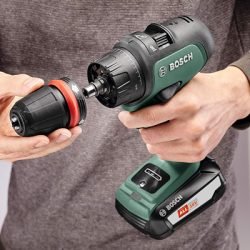
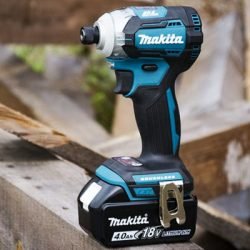
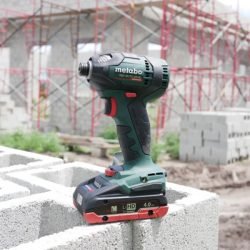
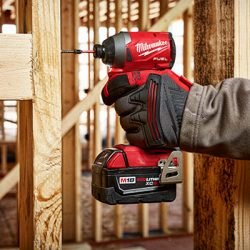
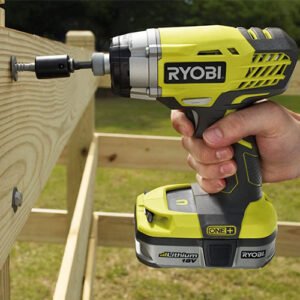

An advanced cordless impact driver is best selected by matching its drive system, torque characteristics, battery platform, control features, ergonomics and intended workload rather than by choosing the highest advertised specification. A compact driver that is ideal for cabinetry and general maintenance may be a poor choice for repeated structural fastening, while a high-output professional model can be unnecessarily large and expensive for occasional household jobs.
For Australian buyers, the decision also involves choosing a suitable battery ecosystem, checking the supplied accessories and verifying that the exact Australian-market configuration meets the requirements of the job. Model names can appear similar across markets, so compare the complete product specification, included battery and charger configuration, voltage platform and warranty information before purchasing.
The term advanced does not describe one universally defined technical category. In practice, an advanced cordless impact driver typically combines a brushless motor, electronic speed control, multiple operating modes, improved impact mechanisms, better thermal management, battery protection and a more refined user interface.
Some models are designed around maximum fastening performance, whereas others place greater emphasis on precision. Features such as selectable speed settings, electronic torque management, assist modes and automatic shut-off functions can be more useful than maximum torque when working with smaller fasteners or finished materials.
Torque is one of the most visible specifications on an impact driver, but it should not be treated as a complete measure of performance. A manufacturer may publish maximum fastening or breakaway torque under a particular testing methodology, while real-world results depend on the fastener, material, joint design, battery condition, tool mode and duration of operation.
For commercial comparisons, look beyond maximum torque and consider how controllable the tool is at lower settings. A driver that delivers very high output can be extremely capable, but excessive power can also damage threads, deform softer materials or snap smaller fasteners when the operator does not control the fastening process carefully.
Maximum torque can help identify the general class of a tool, but usable torque is more relevant to everyday work. Consider whether the driver provides enough control for the smallest fasteners you regularly use while retaining sufficient capacity for the largest tasks in your workflow.
Breaking loose an existing fastener can require a different level of force from installing it. Rust, corrosion, thread damage and excessive previous tightening can all increase resistance. Do not assume that a published maximum figure guarantees that every seized fastener will release.
Brushless technology is common in higher-end cordless power tools because the motor design eliminates conventional carbon brushes. This can reduce one source of mechanical wear and may support efficient electronic control of the motor.
For buyers comparing advanced models, brushless construction is generally a sensible feature to consider when the driver will be used frequently. Occasional users may place more value on overall price, ergonomics, battery compatibility and included equipment than on motor architecture alone.
Cordless impact drivers are part of a broader battery ecosystem. If you already own compatible cordless tools, staying within the same platform can reduce the need to purchase additional chargers and batteries. This can be particularly valuable for users building a larger workshop collection.
Battery capacity is commonly expressed in ampere-hours, but capacity alone does not tell the whole story. Higher-capacity packs can increase operating time, while also adding weight and bulk. High-output battery packs may be designed to provide stronger power delivery for demanding tools, but the exact benefit depends on compatibility between the battery, electronics and motor system.
One of the easiest ways to make an inaccurate price comparison is to compare a bare tool with a complete kit. Many cordless impact drivers are sold in tool-only configurations because existing users already have compatible batteries and chargers.
Before comparing offers, identify exactly what is included. A complete kit may include the driver, one or more batteries, a charger, a case or bag and accessories. Another listing for the same basic tool may contain the driver only.
An impact driver and a conventional cordless drill driver are complementary tools rather than direct substitutes. An impact driver is particularly suited to driving compatible hex-shank bits and fasteners, while a drill driver provides a chuck and is generally more versatile for drilling operations and controlled screwdriving.
The impact mechanism can help the driver deliver substantial rotational force while reducing some of the continuous reaction torque transmitted through the user's wrist compared with a conventional high-torque drill. However, impact action is not appropriate for every fastener or material.
These tools should not be confused. An impact driver normally uses a small hexagonal bit interface and is designed around screws, construction fasteners and similar applications. An impact wrench generally uses a square drive for sockets and is intended for larger fasteners and mechanical work.
If your primary task involves automotive lug nuts, large bolts or socket-based fastening, an impact wrench may be the more appropriate tool category. If you mainly drive construction screws, cabinet screws or other compatible bits, an impact driver is usually the more relevant category.
Most impact drivers use a quick-change hex drive designed for compatible impact-rated bits. Buyers should verify the drive size and accessory compatibility before purchasing replacement bits, adapters or sockets.
Impact-rated accessories are important for applications involving repeated impact loading. Ordinary accessories that are not designed for impact use may not be suitable for high-load impact applications.
Advanced impact drivers often provide multiple speed or operating modes. These settings can be more useful than raw power because they allow the operator to adapt the tool to the fastener and material.
Lower-speed operation can provide greater control for smaller screws, delicate materials and situations where overdriving is a concern.
A middle setting can provide a practical balance between driving speed and control for general fastening.
High-speed modes are useful when rapid fastening is more important and the material and fastener can safely tolerate the additional output.
Exact behaviour varies considerably between models, so buyers should consult the manufacturer's specifications and operating instructions rather than assuming that every numbered mode behaves in the same way.
More power is not always better. Fastening into timber, sheet material, plastics or finished surfaces requires attention to depth, screw type, pilot-hole size and tool control. An advanced impact driver with precision-oriented modes can make this easier, but electronic modes cannot replace correct technique.
When working with expensive or visible materials, test the selected setting on scrap material whenever practical. Start conservatively and increase output only when necessary.
Tool weight becomes increasingly important during repetitive fastening. A driver that feels comfortable for a few minutes can become tiring during extended work. Examine the position of the battery, grip shape, trigger reach and overall centre of gravity rather than considering weight alone.
Compact impact drivers are attractive for overhead work, cabinetry, installation tasks and restricted spaces. High-output models can be preferable for demanding construction work and repeated heavy fastening.
There is usually a trade-off between maximum capability and portability. Instead of asking which design is objectively better, determine the largest fastening task you expect to perform and choose enough capacity to complete it without unnecessarily carrying a larger tool for every smaller job.
Integrated lighting is a practical feature when fastening in dark corners, inside cabinets, beneath equipment or in construction areas with inconsistent illumination. Multiple light positions or a well-placed LED can reduce shadows around the bit.
Lighting should be considered an ergonomic convenience rather than a substitute for proper work lighting. Maintain a clear view of the fastener and work surface whenever possible.
Impact tools generate characteristic noise and vibration during operation. The amount perceived by the operator varies with the tool, fastener, material and duration of use. Frequent users should consider the overall comfort of the tool and use appropriate hearing and personal protective equipment according to the working environment.
Do not judge a tool's suitability solely from a short demonstration. Repetitive fastening can make ergonomics, grip comfort and control increasingly important over a full work session.
Australian consumers should compare the exact local-market product configuration rather than relying on specifications copied from another country. Battery systems, kit contents, model numbers and included accessories can vary between markets.
Before buying, confirm the following:
Established power-tool brands can provide useful starting points for comparison because many have broad cordless ecosystems. Depending on the type of work and battery platform, Australian buyers may encounter brands such as Makita, DeWalt, Milwaukee, Bosch Professional, HiKOKI, Ryobi and Metabo.
Brand recognition should not replace model-level comparison. A premium brand can offer multiple impact drivers aimed at very different users, and the most expensive model is not automatically the best choice for a particular application.
When evaluating Makita options, compare the specific model's battery platform, torque characteristics, dimensions, modes, speed range and kit configuration. Users already invested in a compatible Makita cordless ecosystem may place additional value on platform compatibility.
DeWalt offers cordless tools across different performance classes, so buyers should distinguish compact installation-oriented models from higher-output professional designs. Compare the exact battery system, operating modes, dimensions and included equipment rather than selecting solely by brand.
Milwaukee's cordless ecosystem includes impact-driving tools intended for different workloads. When comparing models, pay particular attention to battery compatibility, control features, physical size and the tool's intended application.
Bosch Professional models should be assessed according to their specific voltage platform, control functions, ergonomics and compatibility with the batteries already owned. The Professional range should not be assumed to have identical characteristics across every model.
HiKOKI buyers should compare individual model specifications, battery compatibility and operating modes. For users already invested in the brand's cordless platform, ecosystem compatibility can be an important factor in the overall value calculation.
Ryobi can be particularly relevant to buyers considering a broader cordless tool ecosystem. Compare the exact impact-driver model, battery configuration and intended workload rather than assuming that all products within a platform deliver the same performance.
A useful comparison should evaluate each impact driver against the same criteria. Looking at specifications in isolation can produce misleading conclusions because different manufacturers may emphasise different measurements.
The highest published torque figure can be attractive, but it may be unnecessary for ordinary fastening and can make precise work more difficult.
A low tool-only price may become less attractive if you need to purchase a battery and charger separately. Always compare complete system cost.
A heavy, high-output tool can be tiring when used for repetitive installation tasks. Match the tool to the workload.
Even a sophisticated impact driver cannot compensate for poor-quality, worn or unsuitable bits. Accessory quality affects fastening performance and fastener engagement.
These tools have different interfaces and intended applications. Confirm the tool category before purchasing.
Check whether every product being compared includes the same combination of batteries, chargers and accessories.
Electronic modes differ between manufacturers and models. Read the operating instructions for the exact product.
The right accessories can have a major effect on the usefulness of an impact driver. Select accessories according to the fasteners and materials you actually work with.
The correct bit should match the fastener head precisely. A poorly fitting bit can slip, damage the fastener or reduce control. For repetitive impact-driver use, choose accessories specifically designed for the forces generated by impact mechanisms.
Inspect frequently used bits for visible wear. A bit that has become rounded or damaged may be more likely to cam out of the fastener head, particularly under high load.
Routine maintenance is straightforward but important. Keep the tool clean, protect it from unnecessary moisture and inspect the drive interface regularly.
Lithium-ion battery packs require appropriate handling. Avoid using a battery that is visibly damaged, unusually hot, swollen or otherwise behaving abnormally. Follow the manufacturer's instructions for charging, storage, transportation and disposal.
Battery performance can change with temperature, workload, age and charging conditions. For that reason, comparisons based solely on amp-hour capacity should be treated as incomplete.
Always follow the manufacturer's instructions for the exact tool and accessory combination. Wear suitable eye protection when the application presents a risk of flying particles, and use hearing protection where noise exposure warrants it.
For home users, an impact driver can be useful for assembling furniture, building outdoor structures, installing brackets, driving suitable timber screws and completing general maintenance. Its compact form can make it easier to use than larger fastening tools.
However, precision remains important. Use appropriate settings and avoid assuming that high impact power is required for every household project.
DIY users should prioritise versatility, control and battery compatibility. A mid-range model with multiple modes may be more practical than an extreme high-output tool if the majority of work involves medium-sized fasteners.
For renovation projects, consider the number of fasteners being installed, access restrictions and whether other cordless tools will be added later. A compatible battery platform can become more valuable as the tool collection grows.
Professional users generally have different priorities because tool downtime, repetitive use and workload can have a greater impact on productivity. Important considerations include durability, ergonomics, battery interchangeability, charging strategy, control and suitability for the dominant fastening tasks.
For frequent use, consider owning more than one compatible battery so that work does not stop every time a pack requires charging. A second battery can also be useful when one tool is being used continuously on a job site.
Construction applications can place substantial demands on an impact driver. Prioritise an appropriate power class, battery system, bit compatibility, ergonomic design and thermal management. The correct driver should deliver sufficient output without being unnecessarily cumbersome for the majority of fastening tasks.
An impact driver can be useful for smaller automotive and mechanical fastening tasks when paired with appropriate impact-rated accessories and adapters. It should not automatically be substituted for an impact wrench where larger socket-driven fasteners require a different tool category.
When working on safety-critical automotive components, always follow the vehicle or component manufacturer's specified procedures and tightening requirements. An impact driver should not be relied upon as a replacement for a calibrated torque wrench where a precise final torque specification is required.
No. An impact driver's output is not a substitute for a calibrated torque wrench when a fastener requires a specified final torque. Electronic modes may improve control, but they do not automatically transform an impact driver into a precision torque-measuring instrument.
For critical assemblies, use the fastening procedure specified by the equipment manufacturer and verify final torque with the appropriate calibrated tool when required.
Specifications are most useful when viewed as a complete set. A practical comparison sheet should include motor type, maximum torque, speed, impact rate, dimensions, weight, battery platform, drive size, operating modes and included equipment.
Also distinguish between tool specifications and kit specifications. Battery weight can significantly change the practical weight of the tool, while an included high-capacity battery can affect both runtime and handling.
Customer reviews can be useful when they are evaluated for patterns rather than isolated comments. Look for recurring observations about ergonomics, battery life, control, durability, size and real-world suitability.
Reviews should not be treated as laboratory measurements. Individual users work with different materials, batteries, accessories and techniques, so a review describing poor performance in one application does not necessarily mean the tool is unsuitable for every task.
The cheapest impact driver is not necessarily the best value, and the most expensive model may offer capabilities that an occasional user never needs. Calculate the practical value by considering the tool, batteries, charger, accessories and expected frequency of use together.
For existing cordless-tool owners, compatibility with an established battery platform can substantially change the calculation. For first-time buyers, the cost of entering an entire ecosystem should be considered rather than looking only at the driver itself.
A premium model can make sense for users who frequently drive fasteners, need advanced control, value compact dimensions and expect to use the tool regularly. Professionals may also benefit from investing in a platform that supports multiple tools and batteries.
For occasional DIY work, a simpler model with sufficient torque, acceptable ergonomics and a sensible battery configuration can be the more rational purchase.
Choose a compact impact driver when access, weight and manoeuvrability are major concerns. Cabinet installation, electrical work, light construction and overhead tasks can all benefit from a smaller tool.
Do not select a compact model solely because it is easier to carry if your regular workload involves fasteners that require substantially greater output.
High-output models are more appropriate when the workload regularly involves large fasteners, dense materials, structural fastening or sustained heavy use. Even then, choose a model with suitable control rather than focusing exclusively on maximum torque.
The best advanced cordless impact driver is the one that provides the right combination of power, control, size, battery compatibility and durability for the work you actually perform. Start with the application, then narrow the choices by technical specification and total ownership requirements.
For occasional DIY users, prioritise manageable size, useful speed control and an affordable battery solution. For serious home renovators, a flexible cordless platform and multiple operating modes can provide greater long-term usefulness. For professional users, focus more heavily on ergonomics, sustained performance, battery strategy, tool ecosystem and the exact requirements of the trade.
Before making a purchase in Australia, compare the exact model number, current specifications, kit contents, applicable warranty information and verified customer feedback. Retailer pricing and availability can change, so check the current offer immediately before ordering rather than relying on an older advertised price.
There is no single best model for every Australian buyer. The right choice depends on the required fastening capacity, battery platform, ergonomics, operating modes, budget and intended workload. Compare the exact models against the same criteria before deciding.
They can be particularly useful for repetitive screwdriving and fastening where the impact mechanism and compact form provide an advantage over a conventional drill driver. Their value depends on how frequently you perform those tasks.
Brushless motors offer advantages such as reduced brush wear and compatibility with sophisticated electronic motor control. They are common in higher-end cordless tools, but motor type should still be considered alongside ergonomics, power, control and battery compatibility.
It depends on the fasteners and materials involved. Rather than selecting the largest torque number available, choose enough capacity for your heaviest routine work while retaining appropriate control for smaller fastening tasks.
Not necessarily. A higher-capacity battery can provide more stored energy, but it can also add weight and bulk. Match battery capacity to expected workload and decide whether runtime or portability is more important.
Use bits specifically compatible with the tool and application. For impact use, accessories designed and rated for impact loading are generally the appropriate choice. Always follow the accessory and tool manufacturer's instructions.
An impact driver can be used with compatible hex-shank drilling accessories for suitable applications, but it is not a universal replacement for a drill driver. A conventional drill driver generally offers broader drilling versatility.
It can be, but care is required. Furniture materials and fasteners can be damaged by excessive torque. Use a low-power or precision setting where available and avoid relying on maximum output for delicate assemblies.
An impact driver is not the same tool category as an impact wrench. Wheel nuts and other automotive fasteners should be approached according to the vehicle manufacturer's requirements and with the appropriate socket-based equipment.
A tool-only version can make sense if you already own compatible batteries and a charger. If you are entering a new cordless platform, compare the complete cost of the tool, battery and charger before deciding.
No. Premium models can offer advanced controls, higher output, refined ergonomics or additional platform features, but those benefits may have limited value for occasional users. Choose according to your actual workload.
Basic cleaning and inspection should be performed regularly, especially when the tool is used in dusty or demanding environments. Follow the maintenance intervals and procedures specified by the manufacturer for the exact model.