

♥ Wishlist
Compare 28 Generators for Reliable Portable Power in Australia products in Australia. Reviews, ratings, pros, cons and buying advice updated for October 2026.
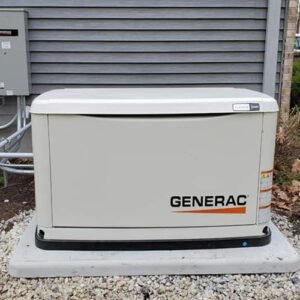
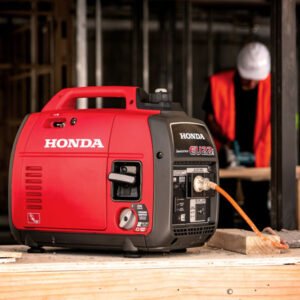


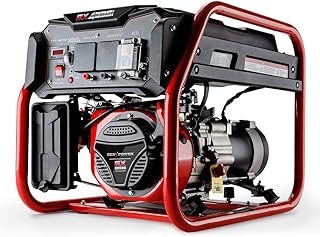


Choosing an advanced generator is less about finding the largest engine or the highest advertised wattage and more about matching the generator's electrical characteristics, fuel system, operating environment, portability and intended workload to the way you actually plan to use it. Australian buyers may be shopping for backup power at home, equipment for a remote property, power for camping and caravanning, support for a worksite, or a dependable source of electricity for sensitive electronic equipment.
The most useful comparison starts with the type of power you need. Conventional petrol and diesel generators remain relevant where long operating periods, substantial loads or straightforward refuelling are priorities. Inverter generators are often better suited to electronics, quieter environments and variable loads. Battery power stations offer a fundamentally different approach, with no engine exhaust during operation and excellent portability, while dual-fuel and hybrid systems can provide additional flexibility when one energy source is not always convenient.
Rather than choosing solely from a headline wattage figure, compare continuous output, starting or surge capability, waveform quality, voltage and frequency stability, runtime, fuel consumption, noise, weight, weather protection, outlets, transfer arrangements and maintenance requirements. These characteristics determine whether a generator is genuinely suitable for your application.
The phrase “advanced generator” can describe several different technologies. The following ten categories provide a practical way to compare the leading solutions without assuming that one technology is universally best.
A conventional generator typically uses an engine to drive an alternator and produce electrical power. This architecture can be straightforward and effective for applications where high output, extended operation or conventional fuel availability is more important than minimum size and noise.
The principal trade-off is that engine speed and electrical generation are closely related in traditional designs. Depending on the generator, this can mean more noticeable engine noise and fuel consumption when compared with an inverter design operating under a light load.
Inverter generators first generate electrical power and then electronically condition it into a stable output. This approach allows the engine to adjust its operating speed according to demand on many models. The result can be a more efficient operating profile during lighter loads and a quieter experience than a comparable conventional generator, although the exact performance depends on the model.
Inverter technology is particularly attractive when the generator will power computers, televisions, chargers, networking equipment and other electronics for which stable electrical characteristics are desirable. Buyers should still check the manufacturer's specifications rather than assuming every inverter generator has identical output characteristics.
Battery power stations replace the combustion engine with stored electrical energy. They can provide AC power through an inverter as well as USB and low-voltage outputs on suitable models. Their major advantages include silent operation while supplying power, zero tailpipe emissions during use and convenient portability.
The limitation is energy capacity. A battery system with a large inverter may be capable of powering a substantial appliance, but that does not necessarily mean it can operate that appliance for a long time. Buyers should distinguish carefully between power, measured in watts, and energy capacity, commonly expressed in watt-hours.
Generator sizing is one of the most important parts of the purchasing decision. A generator must provide enough power for the equipment you intend to run, including any temporary starting demand.
Running watts represent the power an appliance or tool requires during normal operation. Starting watts, also called surge or peak watts, refer to the additional power some motor-driven equipment can require when starting.
Refrigerators, freezers, pumps, compressors, air conditioners and many power tools can have starting characteristics that are substantially different from their normal running consumption. A generator that appears large enough based solely on running wattage may therefore struggle when multiple motor loads start simultaneously.
A sensible sizing exercise involves listing every intended load, recording its normal wattage, identifying equipment with high starting demand, deciding which loads must operate simultaneously and then allowing appropriate headroom. Do not assume that the maximum advertised generator output is the ideal continuous operating point for every situation.
One of the most common generator-shopping mistakes is focusing on the largest number printed in a product description. A generator may advertise a high peak output while having a lower continuous rating. For equipment that must operate for extended periods, the continuous rating is usually the more meaningful figure.
Compare the rated running output with the combined load you realistically expect to operate. If the generator will frequently operate close to its limit, consider whether a larger model would provide a more practical margin. Running a generator at an appropriate load can also make it easier to accommodate temporary changes in demand.
For battery power stations, make a similar distinction between inverter output in watts and battery capacity in watt-hours. A high-wattage inverter does not automatically mean long runtime.
Battery runtime can be estimated by comparing stored energy with the load, while allowing for inverter and conversion losses. A simplified calculation is:
Approximate runtime in hours = battery capacity in watt-hours × usable-capacity factor ÷ load in watts
For example, a battery system with 1,000 watt-hours of nominal storage should not automatically be expected to deliver exactly 1,000 watt-hours to an AC appliance. Conversion losses, battery management limits and other system characteristics reduce usable energy.
Actual runtime can also vary according to temperature, battery age, discharge rate, inverter efficiency and the device being powered. Manufacturer runtime tables are therefore useful when available, particularly for high-demand appliances.
Petrol generators are widely familiar and can be convenient for portable applications. They can suit occasional use, outdoor activities and many general-purpose applications. The disadvantages include fuel storage considerations, combustion emissions, engine noise and routine maintenance.
Diesel generators are often considered for heavier-duty applications and longer operating periods. Diesel engines can be well suited to demanding workloads, although the generator may be heavier and less attractive when maximum portability is the priority.
LPG can provide an alternative fuel source for compatible dual-fuel generators. It may be attractive to buyers who value fuel flexibility, but the practical advantages depend on cylinder availability, storage arrangements, operating conditions and the generator's specifications.
Battery systems are appealing when quiet operation, portability and zero direct exhaust emissions during use are priorities. Their suitability depends heavily on the required runtime and load profile. For long-duration, high-power applications, battery capacity can become a more significant purchasing consideration than inverter wattage.
Noise should be treated as a core buying criterion rather than an afterthought. A generator that is acceptable for a construction site may be unsuitable for a quiet residential environment, campsite or caravan park.
Inverter generators often have an advantage in applications where variable-speed operation can reduce engine noise under lighter loads. Nevertheless, actual noise depends on engine design, enclosure, load, operating mode, distance and the environment surrounding the generator.
Never place a fuel-burning generator in an enclosed room, garage, shed, vehicle, caravan or other poorly ventilated area. Combustion engines produce carbon monoxide, which can accumulate to dangerous levels. Follow the manufacturer's placement and ventilation instructions and applicable Australian safety requirements.
Australia presents a wide range of operating environments, from humid coastal areas and hot inland regions to dusty rural properties and cold alpine conditions. Generator selection should therefore account for the environment in which the equipment will actually operate.
Generator safety should take priority over convenience. Portable combustion generators must be operated outdoors in a suitable location with adequate ventilation and appropriate separation from occupied buildings, doors, windows and ventilation openings.
Carbon monoxide is colourless and odourless, so relying on smell or visible exhaust is not an adequate safety measure. A carbon monoxide alarm can provide an additional layer of protection in relevant environments, but it should never be treated as permission to operate a combustion generator indoors.
Electrical connections also require care. Connecting a generator to household circuits incorrectly can create serious risks, including back-feeding electricity into wiring that other people may believe is de-energised. Where a generator is intended to supply fixed household circuits, use an appropriately designed connection and have electrical work performed by a suitably licensed professional in accordance with applicable Australian requirements.
Home backup is fundamentally different from simply plugging an appliance into a portable generator. A permanently connected or whole-home backup arrangement can involve a generator, transfer equipment, distribution-board modifications, earthing arrangements, protection devices and professional installation.
A transfer switch or appropriate changeover arrangement is designed to prevent unsafe simultaneous connection between the generator and the electrical supply. The exact equipment required depends on the installation and generator configuration.
Before purchasing a generator for household backup, identify whether you need to operate only selected appliances or a larger portion of the home. A smaller generator paired with a clearly defined essential-load strategy can be more practical than attempting to supply every electrical circuit.
Some compatible inverter generators can be connected in parallel using manufacturer-approved equipment. This can provide additional output while retaining the portability of smaller individual units.
Parallel capability is not universal. Generators must be specifically designed to work together, and the correct parallel kit and operating procedure must be used. Never improvise electrical connections between incompatible generators.
For buyers who expect their power requirements to change over time, parallel-capable equipment can be worth considering because it may offer a path to increased capacity without immediately purchasing one very large unit.
Fuel consumption depends on generator size, engine efficiency, electrical load, operating temperature and operating mode. An oversized generator can spend significant time operating at relatively low load, while an undersized generator may be forced to work near its limit.
Many modern inverter generators incorporate an economy or load-dependent operating mode. Such systems can reduce engine speed when demand is low, potentially reducing fuel use and noise. Compare the manufacturer's runtime figures at stated loads rather than comparing a single maximum-runtime claim between unrelated models.
Portability means more than simply having a carrying handle. Consider the generator's total weight, dimensions, wheel arrangement, handle design and the terrain over which it will be moved.
Do not assume that every generator offers the connections you need. Check the outlet configuration, voltage, frequency, maximum current and any included USB or DC outputs.
Australian buyers should pay particular attention to compatibility with the electrical equipment they intend to operate. The generator's specifications should be checked against the requirements of each appliance, tool or electrical system rather than relying on appearance or connector type alone.
Total harmonic distortion, commonly abbreviated as THD, is a useful technical specification when comparing generators for sensitive electronic equipment. It describes the degree to which the electrical waveform differs from an ideal sinusoidal waveform.
Inverter generators are commonly considered when stable power quality is a priority because electronic conversion is used to produce the final AC output. However, buyers should check the actual specifications of the generator rather than assuming that every inverter model offers identical power quality.
Computers, audio equipment, networking devices, medical equipment and other sensitive electronics should be operated only with a power source that meets their requirements. Where equipment has specialised electrical requirements, consult the equipment manufacturer or a qualified professional.
A large fuel tank does not necessarily mean better fuel efficiency. It simply provides the potential to store more fuel before refuelling. Runtime is determined by tank capacity and the rate at which the generator consumes fuel at a particular load.
When comparing generators, look for runtime information at meaningful loads such as quarter-load, half-load or the manufacturer's specified operating condition. Comparing two models using different test conditions can produce misleading conclusions.
Maintenance is an important part of generator ownership. Petrol and diesel models contain engines, lubricants, filters and other components that require periodic attention. Battery systems have fewer conventional engine-maintenance requirements but still need correct storage, charging and environmental management.
A generator that sits unused for long periods can require more attention than one used regularly. Fuel quality, moisture, battery condition and corrosion can all affect readiness.
For combustion generators, follow the manufacturer's recommendations for fuel storage and preparation for extended periods of non-use. Do not store fuel casually or in unsuitable containers. Australian storage and handling requirements should also be considered.
For emergency backup, create a simple maintenance routine that includes inspection, controlled test operation and confirmation that cables, plugs and other required accessories are available.
When researching established generator and portable-power brands, Australian buyers may encounter names such as Honda, Yamaha, Generac, Westinghouse, Briggs & Stratton, EcoFlow, BLUETTI and Jackery. Brand familiarity can be useful, but it should not replace model-level comparison.
Different brands and product families can target very different applications. For example, a manufacturer known for portable engine-driven generators may have a different strength from a manufacturer focused primarily on battery energy storage. Always compare the exact model's output, runtime, dimensions, warranty terms, accessories, service arrangements and applicable specifications before making a decision.
A useful comparison table should evaluate more than price. Use the same criteria for every shortlisted model so that a high headline specification does not hide an unsuitable design.
The largest wattage number is not automatically the best choice. A generator can be too large, too heavy, too noisy or inefficient for the intended application.
Motor-driven equipment can require substantially more power when starting. Always investigate starting requirements before selecting a generator.
This mistake is particularly common when comparing battery power stations. Watts describe instantaneous power capability, while watt-hours describe stored energy.
Inverter technology describes an electrical architecture, not a universal performance level. Output ratings, THD, runtime, noise and build characteristics can vary significantly.
A generator may look manageable on paper but become inconvenient once fuel, cables and accessories are included. Consider how frequently it will need to be moved.
Before purchasing a generator intended for long-term ownership, check whether suitable servicing and replacement parts are realistically accessible in your region.
Never compromise ventilation for convenience. A generator that cannot be operated safely in the intended location is the wrong generator regardless of its specifications.
Camping and caravanning applications typically place a premium on compact dimensions, manageable weight, low noise and fuel efficiency. The required capacity depends on whether the generator will charge batteries, operate a refrigerator, run kitchen equipment, support air conditioning or power several appliances simultaneously.
Battery power stations can be attractive for shorter, quieter applications, particularly where charging from solar panels is practical. Engine-driven inverter generators may be more appropriate where longer continuous operation or rapid refuelling is important.
Before travelling, check the rules of the campground, caravan park or public land area regarding generator use. Restrictions can apply to operating hours, noise and generator type.
Home backup requirements should begin with a priority list. Instead of automatically attempting to power the entire house, identify essential loads such as refrigeration, communications, lighting, selected medical or accessibility equipment where applicable, water systems and other genuinely important appliances.
Once the essential loads are known, calculate their combined running requirements and identify starting loads. This gives you a more realistic basis for generator sizing.
For larger household backup systems, installation and electrical integration should be treated as part of the generator purchase decision. A generator with excellent specifications is not a complete backup solution if the electrical connection has not been safely and appropriately designed.
Worksite applications can be demanding because tools often have high starting currents and may be used repeatedly throughout the day. Circular saws, grinders, compressors, pumps and other motor-driven equipment should be assessed individually.
Consider not only maximum output but also voltage stability, continuous operating capability, portability, protection from the working environment and ease of refuelling. If several tools may operate simultaneously, calculate the combined load rather than sizing around one tool.
Remote users should place greater emphasis on fuel logistics, maintenance accessibility and reliability of the complete power system. A generator may be technically capable of meeting the load but impractical if fuel is difficult to obtain or servicing requires transporting the equipment over long distances.
For remote applications, consider whether a generator will be the primary power source, emergency backup or one component of a broader system incorporating batteries and solar generation.
A hybrid energy setup can reduce reliance on an engine-driven generator by using stored battery energy for smaller loads and starting the generator only when additional power or battery charging is required. Solar panels can provide another charging source when conditions are suitable.
This approach can make sense where loads vary considerably throughout the day. The key is to size the battery, inverter, solar input and generator around the actual energy profile rather than treating each component as an independent purchase.
If the primary loads include computers, monitors, networking equipment, televisions or other sensitive electronics, prioritise stable electrical output and appropriate protection. An inverter generator or suitable battery power station may be worth considering, depending on the required runtime and power level.
For particularly sensitive or mission-critical equipment, a UPS can provide another layer of protection by bridging short interruptions and helping manage power transitions. The generator and UPS should be compatible with one another and with the connected equipment.
Reliability should not be reduced to brand reputation. A genuinely suitable generator combines appropriate capacity, correct installation or setup, proper maintenance, safe operation and a design that matches the intended duty cycle.
Look for clear manufacturer specifications, understandable maintenance requirements, appropriate safety information, replacement-part support and a product configuration that suits the environment. Customer reviews can provide useful insight into recurring ownership concerns, but they should be read alongside technical specifications rather than treated as a substitute for them.
There is no single wattage that is right for every Australian household, campsite, workshop or rural property. The correct capacity comes from the loads you need to operate simultaneously and their starting characteristics.
A useful approach is to divide loads into three groups: essential loads that must run, desirable loads that can be used selectively, and high-demand loads that should operate only when sufficient capacity is available. This creates a practical load-management strategy instead of assuming that every appliance must run simultaneously.
A smaller generator can be preferable when portability, fuel efficiency, storage space and noise are more important than maximum output. If you only need to charge batteries, operate lights, power communications equipment and run a few modest appliances, purchasing a much larger machine may add unnecessary weight and complexity.
Smaller inverter generators can also be attractive for applications where the generator is transported frequently. The correct choice depends on the complete load calculation rather than the generator's physical size.
A larger generator becomes more appropriate when multiple substantial loads need to operate together, particularly when those loads include pumps, compressors, heating or cooling equipment, workshop machinery or other motors with significant starting demand.
However, increased capacity usually brings additional weight, fuel consumption, cost, noise or installation complexity. Size up only when the additional capability provides a genuine benefit.
These technologies solve overlapping but different problems. A combustion generator is an energy-generation device that can continue producing electricity as long as it has fuel and can operate safely. A battery power station is an energy-storage device that must eventually be recharged.
Choose an engine-driven generator when long-duration energy production and rapid refuelling are central requirements. Consider a battery power station when quiet operation, portability and stored-energy convenience are more important. A hybrid setup can combine the strengths of both.
A solar battery system can provide stored electricity without relying exclusively on fuel, but its effectiveness depends on battery capacity, solar generation, household demand and system design. A generator can act as backup when solar production is insufficient or when extended periods of high demand occur.
For homes considering a more permanent energy solution, compare the generator not only against other generators but against the broader backup strategy, including batteries, solar generation and professionally installed backup equipment.
Customer reviews are most useful when they reveal recurring ownership patterns rather than isolated opinions. Look for repeated comments concerning starting behaviour, noise, fuel consumption, transportability, controls, build quality, runtime and long-term maintenance.
Pay attention to whether reviewers are discussing the same model and configuration. A review of a small portable inverter generator should not be used to judge a larger standby generator, even if both carry the same brand name.
Also distinguish between a product problem and an application mismatch. A generator may receive negative feedback because a buyer expected it to run a load beyond its rated capacity. That is useful information, but it does not necessarily demonstrate a manufacturing defect.
The purchase price is only one part of the total cost of ownership. Compare fuel or charging requirements, maintenance, accessories, installation, transport, replacement components and expected usage.
A cheaper generator may become less economical if it consumes substantially more fuel or requires accessories that are not included. Conversely, paying more for features you will never use can also reduce value. The strongest purchase is the one whose specifications align closely with your actual requirements.
There is no universally best generator. The right choice depends on required output, runtime, fuel preference, noise tolerance, portability, intended environment and budget. A compact inverter generator may be ideal for one buyer while a larger diesel, dual-fuel or battery-based system may be more appropriate for another.
Not in every application. Inverter generators can offer advantages in power quality, efficiency under changing loads, portability and noise, while conventional generator designs can remain attractive for applications where high output, simplicity or long-duration operation is the priority.
The term is commonly used for portable battery power stations, although technically these devices store electrical energy rather than generating it from fuel. They can provide AC and DC power through an inverter and can be recharged from mains power, solar panels or other compatible sources.
The answer depends on which household circuits and appliances you want to operate simultaneously. Calculate continuous loads, identify starting loads and decide which appliances are essential. For fixed household connections, consult an appropriately licensed Australian electrical professional.
Many appropriately sized generators can supply a refrigerator, but the starting demand of the compressor must be considered. Check the refrigerator and generator specifications before relying on the combination during an outage.
Some generators can power suitable air-conditioning systems, but air conditioners can have significant startup and running requirements. Check the air conditioner's electrical specifications and compare them with the generator's continuous and starting capabilities.
They can be useful when fuel flexibility is valuable. The benefits depend on how readily you can obtain and store the available fuels and whether the generator's output and runtime characteristics meet your requirements on each fuel type.
Follow the exact maintenance schedule supplied by the manufacturer. Service intervals can vary by engine type, model and operating conditions. Generators used heavily or in dusty environments may require more frequent attention than equipment used only occasionally.
Do not assume that a portable generator is safe to operate in wet weather. Electricity, rain and outdoor equipment create serious hazards. Follow the manufacturer's instructions for environmental exposure and use only an appropriately designed setup that maintains safe ventilation and electrical protection.
No. Improper back-feeding through a household outlet can create severe electrical hazards. If a generator needs to supply household circuits, use an appropriate professionally designed connection and equipment in accordance with applicable Australian electrical requirements.
Watts describe the rate of electrical power, while watt-hours describe stored energy. A battery power station can have a high inverter wattage but relatively limited runtime if its battery capacity is small.
No. Excess capacity can mean additional cost, weight, fuel use and noise. The best generator is appropriately sized for the intended loads while providing a sensible operating margin.
A responsible buying guide should compare products against the requirements of the application rather than treating a single specification as proof of superiority. For advanced generators, that means considering electrical performance, capacity, starting behaviour, runtime, efficiency, noise, portability, fuel flexibility, maintenance, safety and Australian operating conditions.
Product specifications and retailer information can change during 2026, so check the exact model information, current Australian pricing, availability and applicable safety requirements before purchasing. Customer reviews are most useful when they are considered alongside manufacturer specifications and the actual workload you intend to place on the generator.
The strongest purchase decision is ultimately the one that provides the right combination of usable power, practical runtime, manageable operating requirements and safe installation for your particular situation.