

♥ Wishlist
Compare 34 Cordless Drilling Press for Accurate, Portable Drilling products in Australia. Reviews, ratings, pros, cons and buying advice updated for October 2026.


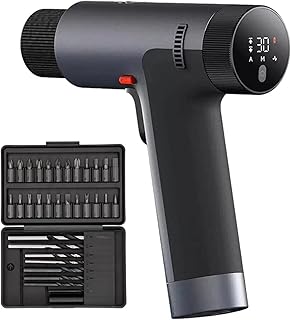


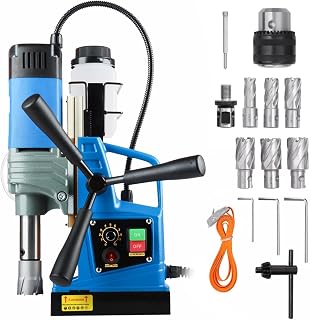

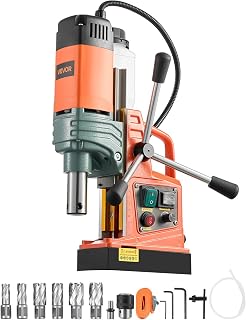


Choosing an advanced cordless drilling press is more complicated than choosing an ordinary cordless drill. The term can describe several different setups, including purpose-built battery-powered drill presses, portable drill stands designed to hold a cordless drill, compact benchtop-style solutions, and specialised drilling guides. These configurations can deliver very different levels of accuracy, capacity, portability and repeatability.
For Australian buyers, the most important first step is to identify exactly what type of system the product represents. A cordless drill mounted in a guide or stand is not necessarily equivalent to a dedicated drill press. Likewise, a compact battery-powered drilling system may prioritise portability rather than the rigidity associated with a conventional workshop drill press.
This distinction matters when comparing specifications, customer feedback and retailer listings. Look beyond phrases such as “professional”, “heavy duty” or “precision” and examine the actual construction, spindle arrangement, chuck compatibility, drilling capacity, travel, battery platform and adjustment mechanism.
An advanced cordless drilling press should provide more control and consistency than simply holding a cordless drill by hand. Depending on the design, useful features can include guided vertical movement, a rigid support column, adjustable depth stops, controlled feed, a stable work platform, angle adjustment, compatible chucks and a battery system that provides sufficient operating time for the intended workload.
Advanced does not necessarily mean larger or more powerful. For a tradesperson working between locations, portability may be more valuable than a large work table. For a woodworker producing repeated holes, controlled travel and a reliable depth stop may matter more than maximum motor output.
A cordless drill is primarily designed to be controlled by hand. A drilling press or drill stand introduces a guided mechanism intended to provide greater positional control. This can be particularly useful when drilling multiple holes to the same depth or when perpendicular alignment is important.
A drill press also changes the way force is applied. Instead of relying entirely on the operator to maintain alignment, the guide or column supports the drilling movement. The quality of that support is therefore central to performance.
Buyers should not assume that mounting any cordless drill onto any inexpensive stand automatically creates a precision drill press. The fit between the drill body and holder, rigidity of the column, quality of the carriage and amount of unwanted movement can have a substantial effect on practical accuracy.
There are two broad approaches worth comparing before buying.
A dedicated system is designed around a specific drilling mechanism rather than relying on a separate handheld drill. This can provide a more integrated design, but buyers should carefully check battery compatibility, replacement batteries, charging arrangements and the availability of compatible accessories.
A drill stand can be attractive when you already own a suitable cordless drill. It may provide a relatively economical way to obtain guided drilling functionality while retaining the drill for normal handheld work.
The important limitation is compatibility. A stand may accept only certain drill body dimensions, chuck sizes or collar configurations. Even when a drill physically fits, the resulting setup may not have the rigidity required for demanding drilling.
Specification sheets are useful, but individual figures should always be considered in context. A higher number is not automatically better if the rest of the mechanism cannot support it.
Battery voltage can provide a broad indication of the electrical platform, but it should not be treated as a direct measure of drilling performance. Motor design, gearing, battery capacity, electronic controls and the drilling application all affect practical output.
For Australian buyers who already own cordless tools, staying within an established battery platform can reduce the number of chargers and battery types required in the workshop. Brands such as Makita, Bosch Professional, DeWalt, Milwaukee and Ryobi offer established cordless ecosystems, although compatibility must be checked for the specific product rather than assumed across brands or tool ranges.
Battery capacity is normally expressed in ampere-hours. A higher-capacity battery can potentially provide longer operating time, but it may also add weight and change the balance of a portable setup.
For occasional drilling, a compact battery can be convenient. For repeated drilling or larger holes, additional capacity may be more useful. Buyers should also consider whether the product is supplied with a battery, whether a charger is included and whether the stated configuration is a bare tool.
The chuck determines which drill bits and accessories can be securely held. Common chuck sizes include 10 mm and 13 mm configurations, but the appropriate choice depends on the work being performed.
A larger chuck can accommodate larger shank sizes, while a smaller chuck may suit lighter applications. Check the exact chuck specification rather than judging capability from the overall size of the machine.
Different materials and drill-bit types can require different rotational speeds. Variable-speed control is therefore more useful than simply selecting a product with the highest advertised maximum speed.
Wood, metal, plastics and composite materials behave differently during drilling. Metal drilling in particular requires appropriate speed selection, lubrication where applicable and a suitable bit. High rotational speed is not automatically desirable for every material.
Vertical travel determines how far the drill assembly can move toward the workpiece. A depth stop can be especially useful when producing a series of holes with consistent depth.
When comparing products, distinguish between advertised drilling depth and actual mechanical travel. The size of the workpiece, chuck position, drill-bit length and stand geometry can all influence the usable drilling range.
Rigidity is one of the most important characteristics of a drilling press or stand. If the column flexes or the carriage has excessive play, the drill can move away from the intended position as pressure is applied.
Look for a substantial support structure, secure mounting points, smooth carriage movement and adjustment mechanisms that can be locked firmly. For precision work, rigidity may matter more than an impressive collection of electronic features.
A stable base gives the operator a more secure platform for positioning the workpiece. Some designs include a dedicated table, while others rely on the stand being secured to a separate surface.
Check the dimensions of the base and table, mounting holes, clamping provisions and available adjustment. A small table can be perfectly adequate for compact projects but restrictive when working with larger panels or components.
Material choice influences rigidity, durability and weight. Cast metal components are commonly valued for stiffness, while aluminium can reduce weight in portable equipment. Steel may be used in structural components where additional strength is required.
Do not judge construction quality solely by the presence of metal. The thickness, geometry, joining method and machining quality of the components can be equally important. A poorly supported metal column can perform worse than a well-designed structure made with lighter materials.
“Precision” is frequently used in tool marketing, but practical drilling accuracy depends on the entire setup. The drill bit itself, chuck runout, spindle movement, workpiece stability, stand rigidity and operator technique all contribute to the final result.
For repeated drilling, look for a system that provides a repeatable reference point and a secure depth stop. For perpendicular holes, the alignment of the guide mechanism and rigidity of the support structure are particularly important.
Buyers should also distinguish between positional accuracy and hole quality. A drill can enter the correct location but still produce a poor hole if the bit is unsuitable, damaged, improperly sharpened or used at an inappropriate speed.
Runout refers to unwanted deviation as the rotating assembly turns. Excessive runout can cause a drill bit to rotate off-centre, potentially affecting hole quality and increasing vibration.
When comparing a drill press, investigate whether the manufacturer provides meaningful information about spindle or chuck runout. If no verified figure is supplied, avoid assuming that a product is exceptionally precise simply because the listing uses terms such as “professional precision”.
The suitable material range depends on the drill, bit, speed control, feed mechanism and overall rigidity of the system.
Wood is a common application for drill stands and compact drilling systems. Brad-point bits, twist bits, Forstner bits and hole saws may be used depending on the task and tool compatibility.
For cabinetry and furniture work, repeatability can be more valuable than maximum drilling speed. A stable setup can make it easier to maintain consistent hole positions across multiple components.
Metal drilling places greater demands on rigidity and speed control. The correct drill bit, cutting speed and feed pressure depend on the metal being drilled and the diameter of the hole.
A lightweight portable drill stand may be suitable for occasional light-duty metal drilling but may not provide the rigidity expected from a dedicated workshop drill press. Buyers planning frequent metal fabrication should pay particular attention to structural strength, spindle control and the manufacturer's stated capabilities.
Plastic can be sensitive to heat and excessive drilling speed. Some materials may melt, chip or crack if drilled incorrectly. Controlled speed and appropriate bits are therefore more important than simply selecting the fastest available setting.
A compact solution can make sense when storage space is limited and the tool will be used periodically. Prioritise ease of setup, safe operation, compatibility with an existing cordless drill and sufficient accuracy for household projects.
Woodworkers should consider depth control, table stability, drilling alignment and compatibility with larger bits. If repetitive joinery is involved, repeatable positioning and a secure workpiece can be particularly valuable.
Cabinet work often involves repeated holes that need to align across multiple pieces. A drilling guide with a dependable depth stop can be useful, but buyers should ensure that the available travel and positioning system match the required hardware and hole patterns.
Metalworking generally places greater emphasis on rigidity, controlled speed and secure workholding. A portable cordless setup can be useful for site work, but a heavier dedicated machine may be more appropriate for sustained workshop drilling.
Tradespeople may prioritise portability, battery availability, durability and rapid setup. A cordless system can be particularly convenient where mains power is inconvenient, but battery management becomes part of the workflow.
For frequent cordless-tool users, battery-platform compatibility can influence the total cost and convenience of ownership. If you already have compatible batteries and chargers, a bare-tool option may sometimes make more practical sense than purchasing another battery ecosystem.
However, compatibility should always be verified using the exact model number. Batteries from the same brand are not necessarily interchangeable across every generation, voltage class or product family.
One of the biggest purchasing trade-offs is portability. A lightweight cordless drilling system is convenient to transport, but lower weight can make it harder to achieve the same stability as a heavier benchtop machine.
If the system will remain permanently in a workshop, weight and footprint may matter less than rigidity and table size. If it will travel between jobsites, the priorities can reverse.
Think about where the tool will actually be used. A product that looks ideal on a specification sheet may become inconvenient if it requires a large bench, difficult clamping arrangement or frequent disassembly.
A cordless power tool still requires the same basic attention to safe drilling practices. Cordless operation removes the mains cable from the immediate work area but does not eliminate mechanical, electrical or material-related hazards.
This is one of the most common compatibility problems. Check the holder dimensions and mounting arrangement against the exact drill you intend to use.
Different bits and materials require different operating conditions. A wide usable speed range can be more valuable than an unusually high maximum RPM figure.
A compact drilling table may be excellent for small components but frustrating for wide boards or panels. Measure the typical workpieces before purchasing.
A guide can improve alignment while remaining fundamentally different from a rigid workshop drill press. Understand the mechanical design before comparing prices or specifications.
Battery voltage alone does not determine drilling performance. Motor efficiency, gearing, chuck quality, speed control and mechanical rigidity all matter.
Excess movement in the carriage or spindle can undermine precision even when the product has a powerful motor and an impressive feature list.
Consider the long-term availability of compatible chucks, holders, clamps, batteries and other wear or replacement components before committing to an unfamiliar system.
Customer reviews can provide useful information, but they should be interpreted carefully. Look for repeated comments about the same practical characteristics rather than relying on a single enthusiastic or negative review.
Also separate reviews of the drill from reviews of the stand or drilling mechanism when a product listing combines several components. A high rating for the cordless drill itself does not necessarily confirm the quality of an included stand.
Create a short checklist based on your actual application instead of comparing every specification equally. For example, someone drilling small wooden components may care primarily about depth control, stability and chuck compatibility, whereas a mobile tradesperson may care more about battery platform, weight and portability.
Online listings can combine several configurations under one product family. A listing may show photographs containing batteries, chargers, bits or accessories that are not necessarily included in every package.
Before comparing two products, identify the exact model or kit number and inspect the included-items section. A lower headline price may reflect a bare-tool configuration, while a more expensive package may include batteries, chargers or additional accessories.
This is particularly important for cordless equipment because the battery and charger can represent a significant part of the practical setup. Always compare like-for-like configurations when evaluating value.
Regular maintenance can help preserve accuracy and reduce premature wear. The maintenance requirements vary by product, so the manufacturer's instructions should take precedence.
A good drilling system is only part of the equation. The correct bit and drilling technique can have a major influence on the final result.
Mark the drilling location accurately, secure the workpiece and use an appropriate bit. When drilling through material, consider what is behind the workpiece so that the bit does not strike an unsuitable surface. For larger holes, follow the bit manufacturer's recommendations regarding speed and feed pressure.
For repeat production work, establish a consistent reference edge and use a depth stop or other repeatable positioning method where appropriate. This reduces dependence on visual estimation from one hole to the next.
Cordless operation offers a genuine advantage when drilling must take place away from convenient mains power. It can simplify temporary workstations, outdoor projects and mobile trade work.
In a permanent workshop, however, cordless operation is not automatically superior. A mains-powered drill press can avoid battery charging interruptions and may provide the mass and rigidity desirable for demanding stationary work.
The best choice therefore depends on where the tool will be used. Portability should be treated as a functional requirement rather than simply a marketing advantage.
Established power-tool manufacturers can be useful starting points for buyers who value ecosystem compatibility and broad tool ranges. Names commonly encountered in the Australian cordless-tool market include Makita, Bosch Professional, DeWalt, Milwaukee, Metabo, Ryobi and HiKOKI.
Brand reputation should not replace product-level comparison. A well-known manufacturer can offer multiple product families with very different specifications, and a suitable drill may still require a separate compatible stand or guide. Always compare the exact model, intended application and included equipment.
Look for a compact and straightforward setup with secure mounting, sensible depth control and compatibility with a drill you already own. Avoid paying for specialised features that will rarely be used.
Prioritise stability, repeatable depth, usable table space and compatibility with the bits you regularly use. Smooth movement and low mechanical play are valuable for controlled drilling.
Battery ecosystem, transportability, quick setup and durability become especially important. A lighter system can be preferable when it travels between multiple work locations.
Concentrate on rigidity, alignment, runout information, controlled movement and repeatability rather than headline motor specifications alone.
Consider whether cordless operation is genuinely necessary. If the machine will stay in one location, a heavier conventional drill press may provide advantages that a portable cordless arrangement cannot easily reproduce.
When reviewing the products featured in a top-10 buying guide, compare them using the same criteria rather than treating each product description independently. Start with compatibility and intended application, then examine mechanical construction, drilling capacity, speed control, depth adjustment and portability.
Advanced specifications can look impressive, but they should solve a real problem. If you only drill small holes in timber a few times a month, an elaborate professional-grade system may offer little practical benefit over a simpler guided solution.
Conversely, saving money on the cheapest available stand can be a false economy if excessive movement makes accurate drilling difficult. The goal is not to buy the most expensive product; it is to buy the level of rigidity, control and capacity that matches the work.
The real cost of a cordless drilling system can include more than the main tool or stand. Consider batteries, chargers, compatible drill bits, clamps, workholding accessories and any adapters required for your existing equipment.
When checking Australian retailers, compare the complete package rather than the advertised starting price. Confirm exactly what is included, whether the listing represents a bare tool or kit and whether the pictured accessories form part of the supplied configuration.
Australian buyers should pay attention to product documentation, electrical specifications, battery compatibility and retailer-specific package details. Imported products can sometimes be listed alongside locally supported models, so the exact configuration and applicable documentation should be checked before purchase.
For cordless tools, battery and charger specifications are particularly important. A tool that appears inexpensive may become considerably less attractive if it requires an entirely new battery ecosystem for occasional use.
There is no single best option for every Australian buyer. The right choice depends on the type of drilling, materials, required accuracy, workpiece dimensions, portability requirements and whether you already own a compatible cordless drill or battery platform.
Some cordless drills can be used with compatible drill stands or guides, but compatibility is model-specific. Check the mounting dimensions and the stand manufacturer's requirements before purchase.
Power cannot be compared meaningfully using a single specification. A mains-powered drill press may offer advantages for continuous stationary work, while a cordless system can offer substantially greater portability. The appropriate choice depends on the application.
Accuracy depends on the construction and adjustment quality of the stand, the drill being used, chuck and spindle condition, workpiece stability and drilling technique. A rigid guide with controlled movement can improve consistency compared with freehand drilling, but it should not automatically be considered equivalent to a precision industrial machine.
Choose a chuck that accommodates the shank sizes of the drill bits and accessories you intend to use. A 13 mm chuck can provide greater accessory capacity than a smaller chuck, but the ideal specification depends on the application.
Yes, variable speed can be valuable when working with different materials and drill-bit sizes. The appropriate speed depends on the material, bit type and diameter, so maximum RPM alone should not determine the purchase.
A depth stop is especially useful for repetitive drilling where holes need to reach a consistent depth. For occasional drilling where depth is not critical, it may be less important.
If you already own compatible batteries and a charger, a bare-tool configuration can potentially reduce duplication. If you are entering a new cordless ecosystem, compare the complete cost of the battery, charger and tool before deciding.
Prioritise repeated comments concerning rigidity, compatibility, mechanical play, adjustment quality, battery performance and long-term durability. Reviews are most useful when several independent buyers report similar practical characteristics.
Some setups can be appropriate for light or application-specific metal drilling, but suitability depends on the drill, stand, bit, material, hole diameter and speed control. More demanding metalworking generally benefits from a rigid machine designed for the workload.
Yes, where the system is compatible with the required bits and drilling capacity. Woodworking often benefits from controlled depth, stable workholding and repeatable positioning.
Inspection should be part of normal tool use, while cleaning and other maintenance should follow the manufacturer's instructions. Pay particular attention to moving components, mounting hardware, battery contacts and signs of excessive mechanical play.
The best advanced cordless drilling press solution is the one that delivers the right combination of rigidity, control, compatibility and portability for your actual work. Do not select a product solely because it has the highest battery voltage, maximum speed or longest feature list.
For Australian buyers, start by deciding whether a dedicated cordless drilling system or a compatible drill stand makes more sense. Then compare the complete setup, including the drill, battery, charger, chuck, holder, work table, depth control and accessories. Pay close attention to construction quality and customer feedback, particularly where precision and repeatability matter.
Before purchasing, verify the exact model specifications and included components with the relevant Australian retailer, compare current prices and check recent customer reviews. Product configurations can change, so the model number and current listing should take priority over older descriptions or photographs.