

♥ Wishlist
Compare 46 Generic Chisel Hand Tools for Woodworking and Workshop Tasks products in Australia. Reviews, ratings, pros, cons and buying advice updated for October 2026.


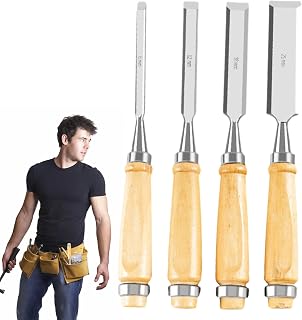


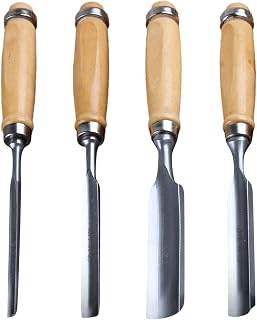


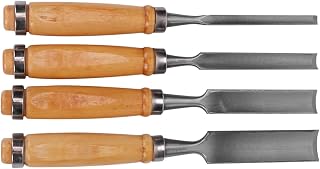


Choosing an advanced chisel is less about finding the most expensive tool and more about matching the chisel's geometry, steel, handle, size and intended workload to the material being cut. A chisel used for fine joinery has very different requirements from one used for heavy carpentry, restoration work or general workshop tasks.
For Australian buyers, the choice should also reflect the materials and working conditions involved. Australian hardwoods can be demanding on an edge, while softer pine, MDF, plywood and common construction timbers place different demands on cutting geometry. A suitable chisel should feel controllable in the hand, maintain a useful edge, tolerate the intended striking method and be practical to sharpen.
Before comparing individual products, identify the work you actually perform. A carefully selected set of bevel-edge bench chisels can cover a wide range of woodworking jobs, whereas someone regularly cutting deep mortises may benefit more from dedicated mortise chisels. Likewise, a carpenter who occasionally cleans up timber joints may not need the same specialist tools as a furniture maker.
The word advanced does not necessarily describe a particular product category. In practical terms, an advanced chisel solution usually combines better control, appropriate steel, carefully designed geometry and construction suited to repeated work.
Bevel-edge bench chisels are among the most versatile choices for general woodworking. The bevelled sides make it easier to work into corners and around joints than a chisel with substantial square sides. They are commonly useful for chopping, paring, trimming joints and removing waste.
A mixed-size set can be particularly practical because woodworking rarely involves a single standard joint width. Common sizes cover small detail work through to larger joinery, although the ideal selection depends on the projects being undertaken.
Traditional bench chisels are designed as general-purpose workshop tools. They can be used for chopping and paring, making them suitable for furniture work, cabinetry, general joinery and many repair tasks.
When comparing them, look beyond the number of pieces in a set. A six-piece set with useful sizes and appropriate construction can be more practical than a larger set containing several sizes that rarely get used.
Mortise chisels are built around the demands of cutting mortises. Their blades are generally more robust than fine paring chisels because mortising involves repeated impact and removal of relatively large amounts of waste.
Look for a substantial blade, durable handle construction and geometry appropriate for chopping. If your projects involve traditional timber joinery, a dedicated mortise chisel can be a better choice than trying to perform heavy mortising with delicate bench chisels.
Paring chisels are designed for controlled hand pressure rather than aggressive hammering. Their longer blades and slender profiles can provide useful reach and fine control when trimming joints or removing very small amounts of material.
They are especially relevant when accuracy matters more than rapid stock removal. A paring chisel should generally be treated as a precision instrument rather than a substitute for a heavy chopping chisel.
Heavy-duty woodworking chisels are appropriate when the job involves substantial material removal or repeated mallet work. They may have thicker blades and handles designed to tolerate more force.
The important distinction is that heavy-duty does not automatically mean better for every application. Excessive blade thickness or weight can reduce control during delicate work. Choose strength where the job genuinely requires it.
Socket and tang describe different approaches to connecting a blade to its handle. A socket design surrounds part of the handle, while a tang extends into the handle.
Neither construction should be judged in isolation. Overall build quality, handle material, ferrule design, blade steel and the intended striking method all matter when assessing durability.
Blade steel is one of the most important technical considerations, but steel type alone does not determine whether a chisel will perform well. Heat treatment, blade geometry and edge preparation can be equally significant.
Edge retention describes how well the cutting edge resists becoming dull during use. Harder steels can offer strong resistance to wear, but hardness must be balanced against toughness and sharpening requirements.
A chisel used for chopping needs to tolerate impact without developing unacceptable damage. This is particularly important for users who routinely work dense timber or perform heavy joinery.
For many woodworkers, sharpening speed matters more than theoretical maximum edge retention. A chisel that can be quickly returned to working condition may be more productive over a long project than one that takes substantially longer to sharpen.
Two chisels made from broadly similar steel can behave differently because of differences in manufacturing and heat treatment. When comparing products, consider the manufacturer's stated specifications rather than assuming that a particular steel designation guarantees identical performance.
Cutting geometry affects how a chisel behaves in wood. A lower bevel angle can provide a more acute cutting edge that is useful for certain paring applications, while a more robust geometry can be preferable where impact and durability are priorities.
There is no single bevel angle that is ideal for every chisel. A fine paring tool and a mortising tool have different jobs, so forcing both into exactly the same sharpening configuration may not produce the best result.
The back of a woodworking chisel forms an important reference surface. For fine work, the flatter and better prepared the back is, the easier it can be to use the tool predictably against a reference surface.
When evaluating a new chisel, inspect the back rather than concentrating exclusively on the polished cutting edge. A tool may look impressive while still requiring preparation before it performs at its best.
Users should also distinguish between a polished appearance and actual functional preparation. A mirror-like finish does not automatically mean that a chisel is ready for precision work.
Handle design affects comfort, control and durability. Traditional wooden handles can offer a familiar feel and may be preferred by woodworkers who value a classic tool design. Modern synthetic handles can provide resistance to workshop wear and may be easier to maintain.
The shape is just as important as the material. A handle should allow secure control without creating uncomfortable pressure points during extended use.
Wooden handles are common on traditional woodworking chisels and can provide a comfortable tactile experience. Species, construction and finish vary considerably, so do not assume every wooden handle has the same durability.
Modern materials can provide consistent dimensions and resistance to some forms of workshop abuse. They may also be useful for users who prefer a contemporary grip or who want a tool that is less dependent on traditional handle maintenance.
Always check whether a particular handle is intended for striking. A fine paring chisel should not automatically be treated as a heavy chopping tool. If regular mallet work is part of the job, select a design intended for that use.
Chisel width should correspond to the scale of the work. Small blades are useful for detailed joints, narrow recesses and precision trimming. Medium sizes are versatile for general woodworking. Wider blades are useful for removing larger amounts of material and cleaning broad surfaces.
Buying a very large set is therefore not automatically the best approach. Consider the dimensions of the joints you commonly make and build a collection around those requirements.
A set is convenient when starting a workshop because it provides several sizes with consistent construction. It can also be economical when the included sizes correspond closely with the user's normal work.
Individual chisels become more attractive when you already know which sizes and styles you use most. A woodworker may prefer to invest in particularly good examples of two or three frequently used sizes rather than purchasing a complete set.
When researching premium and professional-oriented hand tools, buyers may encounter brands such as Narex, Stanley, Irwin, Bahco, Marples, Robert Sorby, Ashley Iles, Pfeil and Lie-Nielsen. These brands cover different approaches to traditional and modern hand-tool design, so brand recognition should be treated as a starting point rather than a substitute for comparing specifications.
Japanese manufacturers and specialist woodworking-tool makers also offer chisels with distinctive blade geometries and sharpening characteristics. Where a product has specialist steel, laminated construction or an unusual handle design, read the manufacturer's technical information carefully before purchasing.
Australian hardwoods can place considerable demands on a cutting edge. Species differ substantially in density, grain behaviour and working characteristics, so there is no universal chisel configuration for every Australian timber.
For harder timber, edge preparation becomes especially important. A durable edge with a suitable bevel can reduce the need for frequent corrective sharpening. Good technique matters as well: forcing a dull chisel through resistant grain can increase the risk of slipping, damaging the workpiece or putting unnecessary stress on the tool.
For occasional hardwood work, a versatile bench chisel may be sufficient. For frequent heavy hardwood joinery, it can be worthwhile comparing more robust designs and considering how easily replacement sharpening equipment and maintenance supplies can be obtained in Australia.
Softwoods can appear easier to cut, but they introduce their own challenges. Resin, variable grain and crushed fibres can affect the quality of a cut. Plywood introduces alternating grain directions and manufactured layers, while MDF behaves differently again because it consists of compressed wood fibres rather than conventional solid timber.
A sharp, well-controlled edge is usually more useful than simply selecting the hardest possible blade. For sheet materials and engineered boards, avoid assuming that a woodworking chisel designed around traditional solid timber will behave identically in every material.
Carpenters often need tools that prioritise durability, speed and versatility. Tasks can include trimming timber, cleaning hinge recesses, adjusting joints and removing small amounts of construction material.
A robust bench chisel with a handle suitable for the intended striking method can be practical for general carpentry. However, delicate cabinetmaking chisels may not be the appropriate choice for repeated rough construction work.
For tradespeople carrying tools between jobs, storage and transport deserve attention too. A chisel that is excellent on the bench may be less convenient if its cutting edge cannot be protected effectively inside a mobile tool kit.
Furniture makers typically place greater emphasis on control, edge quality and accurate joint preparation. A good set may include several medium-width bevel-edge chisels, smaller tools for detail work and one or more wider blades for specific tasks.
For this type of work, comfort during extended hand pressure is important. The ability to make very small controlled cuts can be more valuable than impact resistance.
Joinery places particular demands on precision. Dovetails, mortises, tenons, housing joints and other traditional joints benefit from tools that can remove material accurately without unnecessarily damaging surrounding fibres.
Bevel-edge chisels are particularly useful for accessing corners in many joints, while mortise chisels are designed for deeper chopping. The best combination depends on the joinery methods and dimensions used most frequently.
Dovetail work benefits from narrow blades and side geometry that can reach into the corners of the joint. A bevel-edge design is often advantageous because reduced side thickness can improve access.
Accuracy is influenced by more than the chisel itself. Sharpening, grip, cutting direction, workpiece support and the ability to control very small cuts all contribute to the final joint.
When cutting a mortise by hand, the chisel must withstand repeated impact while remaining controllable. The correct sequence is generally more important than simply applying greater force.
More pieces do not necessarily provide more value. A set filled with rarely used sizes can leave less budget for the chisels that actually matter to your work.
A steel designation is useful technical information, but it should be considered alongside heat treatment, geometry, manufacturing quality and sharpening requirements.
Using a delicate paring chisel for repeated heavy hammering is a poor match even if the blade itself is made from high-quality steel.
Every working chisel eventually requires sharpening. Buyers should consider whether they already own suitable stones, guides or other sharpening equipment.
A chisel can have excellent specifications but still be unpleasant to use if the handle does not suit your grip or working technique.
Do not assume that similarly named chisels have identical blade widths, overall lengths or handle dimensions. Check the manufacturer's specifications before ordering.
Use a consistent checklist when comparing products. This makes it easier to separate meaningful differences from marketing language.
Customer reviews can help identify recurring practical issues, but they should not be treated as a substitute for technical specifications. A review describing a chisel as excellent may reflect a particular user's application, sharpening method and expectations.
When reading reviews, look for specific observations rather than general praise. Comments about edge stability, handle comfort, blade preparation, dimensional accuracy, packaging and long-term use can provide more useful information for commercial comparison.
Also separate comments about delivery or packaging from comments about the tool itself. For an independent buying decision, product performance and suitability should carry more weight than unrelated retailer experiences.
A quality chisel depends on regular sharpening. The goal is not to polish the entire blade every time but to maintain a consistent cutting geometry and a clean working edge.
Water stones can provide efficient material removal and are widely used for woodworking sharpening. They require appropriate flattening and maintenance because the abrasive surface changes during use.
Oil stones have a long history in tool sharpening. They can be useful for maintaining woodworking edges, although sharpening speed and working characteristics vary according to the abrasive.
Diamond abrasives can be useful for fast sharpening and for flattening other sharpening surfaces. Their characteristics differ from conventional stones, so choose the abrasive system based on the complete sharpening workflow.
A honing guide can make it easier to reproduce a consistent bevel angle, especially for users developing sharpening skills. Experienced woodworkers may prefer freehand sharpening, but consistency remains important regardless of technique.
Back preparation should generally be approached carefully. Removing excessive material from the back can create unnecessary work, while an uneven reference surface can make precision sharpening and paring more difficult.
For a new chisel, inspect the back before beginning extensive sharpening. Establish the preparation appropriate to the tool and the work it will perform rather than automatically polishing every square centimetre to an extreme finish.
Steel chisels should be kept clean and dry. Workshop humidity, condensation and storage conditions can contribute to corrosion, particularly where tools are stored for long periods without use.
Sharp chisels should always be handled as cutting tools rather than blunt wedges. Keep both the workpiece and your hands positioned so an unexpected slip is less likely to direct the blade toward your body.
Use eye protection when the task or material creates a risk of chips or fragments. For striking operations, select a suitable mallet and a chisel designed for the intended impact. Never assume that a decorative or delicate handle is suitable for heavy hammering.
The cutting edge is one of the most valuable parts of a chisel, so storage should prevent the blade from striking other tools. Individual guards, tool rolls, racks or dedicated storage systems can help prevent accidental contact.
Good storage also makes it easier to identify the correct size quickly. For a workshop containing many similar chisels, clearly organised sizes can save time and reduce unnecessary handling.
A premium chisel can make sense when the tool will be used frequently and small improvements in control, edge maintenance, comfort or construction quality matter over the life of the tool.
For occasional DIY projects, a competent mid-range chisel may provide sufficient capability. For professional carpentry, furniture making or frequent joinery, the cost difference can be easier to justify when the tool is used repeatedly.
However, premium pricing should never be accepted as proof of superior suitability. Compare the actual blade geometry, steel, handle design, dimensions and intended application.
Start with a versatile set of bevel-edge or bench chisels in practical sizes. Prioritise ease of sharpening, comfortable handles and sensible storage over specialist features that may rarely be used.
Build a core collection around the sizes used most frequently. Add dedicated mortise, paring or narrow chisels as specific projects demand them.
Prioritise durability, transportability, impact compatibility and easy maintenance. The best kit is usually one that performs reliably across the jobs encountered regularly rather than one designed exclusively for fine bench work.
Place greater emphasis on edge quality, control, back preparation and handle comfort. A smaller collection of well-matched precision chisels can be more useful than a large general-purpose set.
Consider combining robust mortise chisels with bevel-edge bench chisels and narrower tools for detail work. Match each chisel to the stage of the joint rather than expecting one design to perform every operation.
Before purchasing, verify the current product specifications because manufacturers can change configurations, packaging and model ranges. Check the exact blade widths, number of chisels included, handle construction and intended use.
There is no requirement to buy every specialist chisel at once. A more efficient approach is to establish a versatile core and add specialist tools when a recurring task demonstrates the need.
Regular sharpening can keep a good chisel useful for many years, but replacement may become sensible when the blade has been repeatedly reshaped, the handle is damaged, the connection between blade and handle is compromised or the tool no longer provides the geometry required for the work.
Do not automatically discard a chisel because its factory appearance has changed. Working tools naturally develop scratches and patina. Functional condition is more important than cosmetic perfection.
There is no single best chisel for every woodworker. A bevel-edge bench chisel in a commonly useful size is one of the most versatile starting points, while a broader collection may be appropriate for people who regularly perform specialist joinery.
No. Price can reflect materials, manufacturing, design and finishing, but suitability is more important. Compare construction, steel, geometry, handle design and sharpening requirements before making a decision.
A beginner can start with a small range of practical sizes rather than purchasing a very large collection. Additional specialist chisels can be added once the user's projects reveal which tasks require them.
They use different design traditions and may have different blade construction, geometry, sharpening characteristics and handling preferences. Neither category is universally superior; the right choice depends on the work and the user's preferred sharpening and cutting technique.
Yes, provided the chisel is suitable for the intended work and is maintained correctly. Harder timber may require more frequent sharpening and careful attention to edge geometry.
Only when the chisel is designed for striking. Dedicated chopping and mortise chisels are intended for impact, whereas delicate paring chisels may not be.
For general woodworking, medium-width chisels are often versatile, but the most useful size depends on the joints and materials you work with. Buying around your actual projects is more sensible than choosing a size solely because it is popular.
Some chisels may require additional preparation before precision work. Inspect the edge and back and establish the geometry appropriate to your application rather than assuming that every new chisel is perfectly prepared for immediate professional use.
A mortise chisel is generally designed for heavier chopping and repeated impact, with a robust construction suited to cutting mortises. A bench chisel is intended as a more versatile general-purpose woodworking tool.
They can be particularly useful because the bevelled sides can improve access into corners. Narrow sizes are often preferable where the joint geometry requires precise access.
Store them so the cutting edges cannot strike other tools. A rack, tool roll, dedicated case or individual edge protection can help prevent damage during normal workshop storage and transport.
Start with intended application, blade type, size, steel information, handle construction and sharpening requirements. Then compare current specifications and retailer conditions before buying.
Before choosing an advanced chisel hand tool solution, work through the following checklist:
The strongest chisel choice is the one that matches the work rather than the one with the longest specification sheet. General woodworking usually benefits from a versatile bench-chisel foundation, while mortising, fine paring, dovetailing and professional carpentry can justify dedicated designs.
For Australian buyers, pay particular attention to the timber species you commonly work with, the amount of impact the tool will receive, the blade sizes required and how easily you can maintain the edge. Brands such as Narex, Stanley, Irwin, Bahco, Marples, Robert Sorby, Ashley Iles, Pfeil and Lie-Nielsen can all be worth comparing, but the final decision should be based on the specifications and application of the individual tool.
Rather than choosing purely by price, piece count or brand reputation, compare the complete tool: blade steel, heat treatment information, geometry, back preparation, handle construction, dimensions, sharpening requirements and intended workload. That approach makes it easier to select a chisel that remains useful as your woodworking skills and projects develop.