

♥ Wishlist
Compare 23 Makita Combo Kits products in Australia. Reviews, ratings, pros, cons and buying advice updated for October 2026.


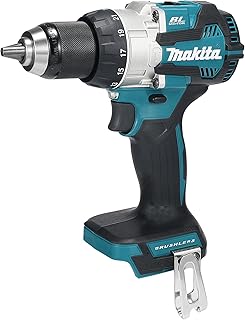


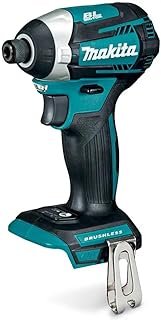

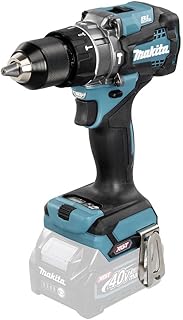


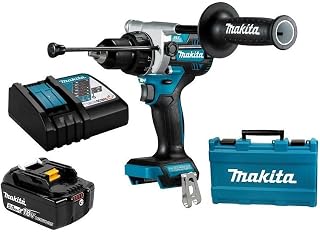
Choosing an advanced Makita combo kit is less about counting the number of tools in the case and more about matching the platform, power requirements, workload and included accessories to the jobs you actually perform. A kit containing many tools can look attractive at first glance, but a smaller selection built around the right battery system may provide better long-term value.
For Australian buyers, the most useful comparison starts with the Makita battery platform, tool categories, motor technology, ergonomics, included batteries and chargers, accessory compatibility and the type of work expected from each tool. A professional tradesperson, serious renovator and occasional DIY user can have very different priorities even when they are considering the same combo-kit range.
One of the most important decisions is choosing the battery platform before comparing individual kits. Makita offers cordless tools across several battery systems, and batteries are generally designed around the corresponding platform rather than being universally interchangeable across every Makita cordless tool.
Before buying a combo kit, check the exact battery platform rather than relying on the Makita name alone. Two kits may contain similarly named tools but belong to different systems, creating very different long-term ownership costs if you need additional batteries, chargers or bare tools later.
A 10-piece kit is not automatically better value than a 5-piece kit. The practical value depends on how many of those tools will actually be used. If several tools duplicate equipment you already own, the apparent saving can disappear.
Battery compatibility can also determine how efficiently an expanding tool collection works. A buyer who already has several compatible batteries may benefit from purchasing additional skin-only tools, while someone starting from scratch may prefer a kit that includes multiple batteries and an appropriate charger.
Brushless motor technology is an important consideration in higher-end cordless tools. Brushless designs eliminate conventional motor brushes and can offer advantages in efficiency, durability and electronic control. However, “brushless” should not be treated as a guarantee that one tool will outperform every competing model.
When comparing advanced Makita combo kits, look beyond the brushless label. Examine the individual tool specifications, intended application, torque or cutting capability where relevant, speed settings, control features, tool dimensions and battery requirements.
For demanding users, electronic controls can be just as important as raw motor output. Variable-speed control, selectable operating modes, electronic braking, overload protection and application-specific control systems can make a noticeable difference when working with different materials.
The ideal combination depends on your trade and workload, but several tool categories have broad usefulness across Australian workshops, construction projects, maintenance work and home renovations.
A drill driver is often the foundation of a cordless tool collection. Look for appropriate torque capability, variable-speed control, a practical chuck design and an ergonomic grip. A compact model can be preferable for cabinetry and installation work, while a more powerful drill may make greater sense for construction and heavier drilling.
An impact driver complements a drill driver rather than simply replacing it. Its impact mechanism is useful for driving screws and fasteners, particularly where higher fastening force is required. Buyers should consider speed control and the ability to adjust output for delicate materials as well as heavy-duty fastening.
If drilling into masonry is part of your routine, a hammer-drilling function can be valuable. However, users who regularly perform substantial concrete drilling should compare a combo kit with the capabilities of a dedicated rotary hammer rather than assuming every hammer drill is suitable for the same workload.
A reciprocating saw can be useful for demolition, cutting timber, selected metal applications, renovation work and general site cutting. Stroke length, variable speed, blade-changing convenience and overall balance are useful comparison points.
A cordless circular saw is particularly useful for sheet materials, framing timber and general construction cutting. Compare blade diameter, cutting depth, bevel range, visibility of the cutting line and the battery requirements of the specific model.
An angle grinder expands the range of work considerably, including suitable cutting, grinding and surface-preparation tasks. Safety features, disc size, speed control, braking behaviour and guard adjustment deserve careful consideration.
An oscillating multi-tool can be one of the most versatile additions to a renovation-focused kit. It can handle detailed cutting, trimming, scraping and other tasks where a conventional saw cannot easily reach. Accessory availability and quick-change mechanisms are particularly important.
For automotive maintenance, mechanical work and heavy fastening, an impact wrench can be far more appropriate than an impact driver. Compare the tool's intended fastening range and physical size rather than choosing solely by maximum advertised torque.
Home renovators usually benefit from versatility and manageable tool size. A drill driver, impact driver, circular saw and multi-tool can cover a wide variety of household projects. Adding a reciprocating saw or grinder can make sense when demolition and heavier renovation work are involved.
Carpenters and joiners may place greater emphasis on drilling, fastening and accurate cutting. Tool balance, compact dimensions, trigger control, cutting visibility and compatibility with job-specific accessories can be more useful than simply selecting the kit with the highest number of components.
Construction users typically need a combination that can withstand frequent use while providing enough battery capacity to keep several tools productive. A broader platform can be valuable because additional specialist tools can be added later without introducing another battery ecosystem.
Mechanical users should pay particular attention to impact tools. An impact driver is useful for many fastening tasks, but an impact wrench may be the more appropriate choice for jobs involving larger fasteners. Tool access, head size, torque control and battery capacity should all be evaluated according to the intended work.
Property maintenance often involves many unrelated tasks. A balanced kit containing drilling, fastening, cutting and general-purpose tools can therefore provide more practical value than a specialist kit containing several tools intended for one narrow application.
Battery capacity is commonly expressed in ampere-hours, or Ah. In general terms, a higher Ah rating can provide greater energy capacity, although actual runtime depends heavily on the tool, workload, operating mode, material and environmental conditions.
A larger battery is not always the best choice. It can increase weight and alter the balance of a compact tool. For overhead installation or repetitive fastening, a smaller battery may be more comfortable. For demanding cutting or grinding, additional capacity may be more useful.
Specifications should be interpreted in the context of the task. Maximum torque can be useful when comparing fastening tools, but it does not tell the entire story. Electronic control, gear selection, trigger response and operating modes affect how effectively that power can be applied.
For drills, look at speed ranges, torque settings, chuck capacity and hammer functionality where applicable. For impact drivers, consider fastening control and selectable modes. For saws, compare cutting depth, blade size, speed and bevel capability. For grinders, consider disc compatibility, speed and safety-related control features.
Do not compare one specification in isolation. A tool with a larger headline number may be less suitable if it is significantly heavier, less controllable or designed for a different application.
Weight becomes increasingly important when a cordless tool is used repeatedly or held above shoulder height. A heavier tool can create fatigue even when its power is impressive.
A combo kit's usefulness does not end with the tools themselves. Blades, driver bits, drill bits, grinding discs and other consumables can become a significant part of ownership. Before choosing a kit, identify which accessories are included and which will need to be purchased separately.
Accessory compatibility also deserves attention. A tool may be excellent on paper but less convenient if its required accessories are difficult to source or unsuitable for the materials you commonly work with.
Australian buyers should verify that the specific kit configuration is intended for the Australian market. Pay attention to the supplied charger, plug configuration, voltage information, model number and retailer listing details.
Do not assume that a visually similar overseas package has identical contents. International listings can differ in batteries, chargers, accessories, model numbers and included cases.
A combo kit can simplify the process of building a cordless collection, but individual purchases may be better when you already own several compatible tools.
A kit generally makes the most sense when several included tools are genuinely useful and the batteries and charger add meaningful value. Buying individual bare tools can be more efficient when you already have sufficient batteries and only need one specialist tool.
When comparing the two approaches, calculate the complete cost rather than comparing the advertised kit price with the price of one bare tool. Include batteries, chargers and the accessories you would otherwise need to purchase.
Tool quantity is one of the easiest specifications to market but one of the least useful indicators of value. A kit containing unused tools can cost more without improving your workflow.
Buying into an unfamiliar battery system without considering future purchases can create unnecessary expense. Think about the tools you may add over the next several years.
More power can be useful, but additional output can also mean increased size, weight or cost. Match performance to the materials and tasks you actually expect to encounter.
Two kits with the same number of tools can have very different practical value depending on battery quantity and capacity.
Comfort should be evaluated separately for drills, saws, grinders and impact tools. A comfortable drill does not necessarily mean the accompanying circular saw or grinder will suit the same user.
Retail listings can use broad product names. The exact model number is a more reliable way to compare specifications, included accessories and configuration differences.
When two kits appear similar, use a structured comparison rather than relying on headline descriptions.
Spending more can make sense when the additional capability directly reduces work time, improves control or eliminates the need to purchase separate equipment. Professional users may place a higher value on durability, performance and platform breadth because their tools are used frequently.
For occasional DIY projects, however, the most expensive kit may provide little practical benefit. A moderately specified kit with the right core tools can be a better choice if its capabilities already exceed the demands of your projects.
Makita is one of several established power-tool brands available to Australian buyers. Depending on the application, it can be useful to compare equivalent platforms from brands such as DeWalt, Milwaukee, Bosch Professional, Metabo and HiKOKI.
The most useful comparison is not simply brand against brand. Compare the battery ecosystem, tool availability, ergonomics, service arrangements, accessory compatibility, individual tool specifications and the cost of expanding the platform.
These comparisons should be made using equivalent tool classes and specifications. A brand's strongest drill, for example, should not automatically be compared with another brand's entry-level model.
Proper maintenance can help preserve tool performance and reduce avoidable wear. Always follow the manufacturer's instructions for the exact model because maintenance requirements can vary between tools.
Cordless-tool ownership involves more than maintaining the tools. Batteries are a major component of the overall system, so sensible storage and charging practices matter.
Avoid treating batteries as generic power sources. Use the appropriate charger, follow the manufacturer's charging instructions and inspect packs for visible damage before use. If a battery or charger behaves abnormally, discontinue use and consult the manufacturer's guidance or an appropriate service professional.
The strongest long-term reason to choose a cordless platform is often the ability to expand it. Once batteries and charging equipment are already owned, additional compatible tools can potentially be purchased without duplicating the complete starter setup.
Before buying a starter kit, make a list of the tools you are likely to need in the future. A platform that covers your next several purchases may provide better long-term value than one that looks cheaper today but forces you into a second battery ecosystem later.
Customer reviews can provide useful information, but they should be interpreted carefully. Look for recurring observations about ergonomics, battery life under particular workloads, ease of use, tool balance and long-term ownership rather than relying on a single enthusiastic or negative comment.
Reviews are most useful when the reviewer describes the application. A homeowner drilling occasional holes and a tradesperson using a tool throughout the working day are evaluating the same product under very different conditions.
Before committing to an advanced Makita combo kit in Australia, use this final checklist to reduce the risk of choosing a package that does not match your requirements.
An advanced Makita combo kit can be particularly suitable for buyers who want several compatible cordless tools without building an entire collection one item at a time. It can also be useful for tradespeople, renovators, property-maintenance users and serious DIY enthusiasts who expect to use multiple tool categories.
It may be less attractive if you only need one specialist tool, already own a substantial compatible collection or rarely use cordless equipment. In those situations, comparing individual bare tools can produce a more efficient purchase.
The best advanced Makita combo kit is ultimately the one that fits your workload rather than the one with the longest specification sheet. Start with the battery ecosystem, identify the tools you actually need, then compare performance, ergonomics, batteries, charger configuration, accessories and future expansion potential.
For Australian buyers, also verify the exact local configuration before purchasing. Check the model number, supplied equipment, current specifications, retailer information, customer feedback and applicable warranty conditions. Prices and package contents can change, so current listings should always be checked immediately before making a purchase.
Whether your priority is construction, carpentry, renovation, property maintenance, automotive work or advanced DIY, a thoughtful platform-based comparison can help you avoid paying for tools you will rarely use while ensuring that the tools you rely on have the capability and battery support required for the job.
There is no single best kit for every Australian buyer. The right choice depends on the battery platform, tool selection, workload, required performance, battery capacity and budget. Compare the exact kit contents with the tools you use most frequently.
They can be suitable for professional work when the included tools meet the demands of the application. Professional buyers should pay particular attention to the specific tool specifications, battery system, ergonomics, durability considerations and availability of additional tools within the same platform.
No. A larger kit is only better when the additional tools provide useful capability. A smaller kit containing the tools you use regularly can be more practical and easier to justify financially.
The answer depends on your existing batteries and the level of performance required. LXT offers a broad cordless ecosystem, while XGT is designed around higher-voltage cordless applications. Check the exact tools required for your work before selecting a platform.
Brushless tools can offer useful advantages in efficiency, electronic control and motor design, but the value depends on the application and individual model. Compare the complete specification rather than choosing solely because a tool is labelled brushless.
Additional batteries can be valuable when multiple tools are used continuously. However, battery quantity should be considered alongside capacity, charging speed, tool workload and battery weight.
No. Compatibility depends on the specific Makita battery platform and tool. Always verify platform compatibility before assuming an existing battery will work with a new tool.
Check the exact model number, battery platform, number and capacity of batteries, charger inclusion, accessories, Australian configuration, seller information, current customer feedback and applicable warranty terms. Also compare the complete contents against equivalent kits.
Yes, provided the selected tools match the user's projects. DIY buyers should avoid paying a premium for professional-level features that will not materially improve their work and should prioritise versatility, ergonomics and ease of use.
There is no universal replacement interval. Battery life depends on usage, charging practices, storage conditions and other factors. Replace a battery when its condition or performance indicates that it is no longer suitable for safe and effective use, following the manufacturer's guidance.