

♥ Wishlist
Compare 15 Makita Metal Cutting Saws products in Australia. Reviews, ratings, pros, cons and buying advice updated for October 2026.
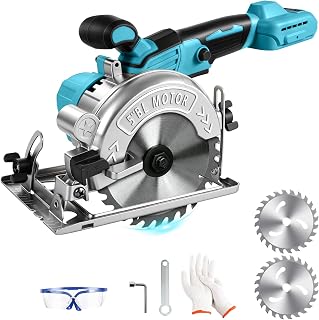


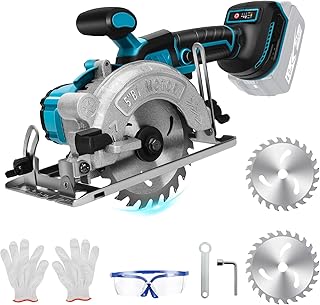

Choosing an advanced Makita metal cutting saw is less about selecting the tool with the highest headline specification and more about matching the saw's cutting system, power source, blade or abrasive wheel, capacity and handling characteristics to the material you actually work with. A saw used occasionally for small steel sections has very different requirements from one used regularly for structural steel, fabrication, sheet metal, conduit, threaded rod or workshop production.
For Australian buyers, it is also important to distinguish between genuine metal-cutting machines and general-purpose circular saws that can only perform limited metal-cutting work with an appropriate blade. Makita's Australian range includes several different saw formats, so the right choice depends heavily on the application rather than the brand name alone.
An advanced metal cutting saw should provide more than basic cutting capability. The most useful characteristics are controlled cutting performance, appropriate blade speed, adequate cutting capacity, stable material support, manageable vibration, dependable guarding and a power system suited to the working environment.
One of the biggest buying mistakes is treating every metal-cutting saw as the same type of machine. Different saw formats are optimised for different jobs.
A dedicated chop-style metal cutting saw is particularly useful when the priority is making repeatable crosscuts through bars, tubing, angle sections and other stock. The workpiece is normally supported on a base and held securely while the cutting head moves through the material.
This format can be preferable for a workshop because the cutting process is easier to repeat consistently than freehand cutting. A rigid base, adjustable fence and suitable clamping arrangement can be more important to productivity than a small difference in motor output.
A metal-cutting circular saw provides a different balance of portability and cutting control. Instead of bringing the workpiece to a stationary saw, the operator brings the saw to the material. This can be particularly useful for installation work, fabrication on site, construction projects and cutting long stock that is difficult to move.
When comparing these machines, examine the specified cutting depth, blade diameter, compatible blade type, no-load speed and intended material range. A circular saw intended for timber should not automatically be considered an equivalent substitute for a purpose-built metal-cutting saw.
Makita's cordless ecosystem can be attractive to Australian tradespeople who regularly move between workshops, vehicles, construction sites and installation locations. Cordless operation eliminates the need to position the tool near a mains outlet and can make setup considerably easier.
However, cordless convenience should be evaluated alongside battery availability, runtime requirements, charging arrangements and the total weight of the tool with its battery. A tool-only price can also make the initial purchase look less expensive than the complete system required to operate it.
The saw itself is only one part of the cutting system. Blade construction, tooth configuration, diameter, kerf and material compatibility can substantially affect results. Always follow the specific manufacturer's instructions for compatible blades and cutting materials.
Comparing specifications line by line is one of the most reliable ways to narrow down advanced Makita metal cutting saw options. Do not focus on one number in isolation.
Blade diameter gives a useful indication of the saw's overall format, but it does not by itself tell you what material the machine can cut. Maximum cutting depth varies according to blade size, blade position, cutting angle and machine design.
Before buying, measure the largest stock you expect to cut regularly. Consider not only flat bar but also square tube, rectangular tube, angle iron, pipe and other profiles. A machine that comfortably handles your common material is generally more useful than one chosen solely because it has a larger blade.
No-load revolutions per minute describe how quickly the blade or cutting system rotates without cutting material. Higher speed is not automatically better for metal. The correct operating speed depends on the blade, material and intended cutting method.
For this reason, buyers should prioritise compatibility between the machine and its approved cutting accessories rather than assuming that the highest RPM specification represents the best metal-cutting performance.
Motor input or output figures can help distinguish machines within a similar category, but power should be considered alongside gearing, blade efficiency, thermal management and the intended cutting application.
A powerful motor can be useful when cutting thicker material or making repeated cuts, but a well-matched cutting system may deliver better practical results than simply choosing the highest wattage figure.
Weight is especially important when the saw is carried to the work rather than used on a fixed bench. A heavier machine may provide a substantial feel during cutting, but additional mass can become tiring during overhead, awkward-position or repetitive work.
Check the complete operating weight where possible, including the battery for cordless models. The bare tool weight is not always representative of how the saw will feel during use.
Look for detailed capacity information rather than a single maximum-depth figure. A saw may have different limits for round stock, square tube, rectangular sections and other shapes.
Even a high-quality Makita saw can perform poorly if it is paired with an unsuitable blade. Blade selection should take into account the material, thickness, profile and desired finish.
Tooth count affects the relationship between cutting speed, tooth engagement and finish. Fewer teeth can be useful for certain faster-cutting applications, while higher tooth counts may be appropriate where a finer cut is required. The correct choice depends on the blade design and material specification.
Metal-cutting blades may use different tooth materials and construction methods depending on their intended application. Carbide-tipped designs, for example, are engineered differently from abrasive cutting wheels. Never assume that a blade suitable for one category of metal is appropriate for every other metal.
Kerf is the width of material removed by the cutting system. A narrower kerf can reduce material waste and may require less cutting energy, while blade rigidity and application suitability must also be considered.
Blade longevity depends on material hardness, thickness, cutting technique, feed pressure, cleanliness, correct blade selection and the number of cuts performed. Avoid judging blade quality solely by advertised tooth count or price.
These two approaches can produce very different cutting experiences. Abrasive wheels remove material through abrasion and can be suitable for applications where that cutting method is specified. Carbide-tooth metal-cutting blades use cutting teeth designed for particular metal applications.
The differences can include cutting speed, heat generation, burr formation, spark production, surface finish and consumable life. The appropriate option depends on the machine and the material being cut.
A workshop user making repeated cuts should prioritise stability, repeatability, capacity and ease of clamping. A dedicated saw with a substantial base can be more productive than a highly portable tool if most cutting takes place in one location.
Portability becomes more important when materials must be cut on site. A cordless Makita system can be convenient where mains power is unavailable or where extension leads would interfere with movement around the work area.
Users cutting conduit, threaded rod, brackets, small tubing and similar components should pay close attention to clean starts, control, blade suitability and the ability to secure smaller workpieces safely.
Structural applications demand careful attention to maximum material dimensions, workpiece support, cutting accuracy and the machine's intended application. Larger or thicker sections can require a different class of machine than light fabrication stock.
The corded-versus-cordless decision should be based on workflow rather than fashion.
For buyers already using Makita cordless tools, platform compatibility can be a major purchasing factor. Staying within an existing battery ecosystem can reduce the need to maintain separate chargers and battery systems.
Before selecting a cordless saw, verify the exact battery platform specified for that model. Do not assume that every Makita cordless tool uses the same battery configuration simply because the products share the Makita name.
Also check whether the advertised product is a skin or a complete kit. A skin normally refers to the tool without the battery and charger, whereas a kit may include some or all of the required power accessories. The distinction matters when comparing prices from Australian retailers.
Metal cutting requires more than choosing a capable saw. The operator should follow the instructions supplied with the specific machine, blade and material. Metal can produce sharp edges, hot fragments and flying particles, and some cutting methods can generate sparks.
Metal cutting produces different by-products depending on the cutting technology and material. Some processes produce chips, while abrasive systems can produce sparks and significant heat. Stainless steel, aluminium, mild steel and other alloys can behave differently during cutting.
Good housekeeping is therefore part of choosing and using the saw. Consider where hot fragments will travel, how chips will be collected or cleared, and whether the work area contains combustible materials.
The cheapest saw is not necessarily the lowest-cost option over its working life. Consumables, batteries, chargers, replacement parts and the time required to complete repetitive cuts can all affect total ownership cost.
A larger blade does not automatically mean a better saw for your application. Excess capacity can add weight and cost without providing meaningful benefits if your normal material is relatively small.
Maximum cutting depth does not tell the whole story. A machine that cuts a particular thickness of flat stock may have different practical capacity when cutting square tube, angle iron or round sections.
One of the most damaging mistakes is fitting an accessory that is not approved for the saw or material. Always verify the blade's diameter, bore, speed rating and intended application against the manufacturer's requirements.
A cordless tool-only listing can appear significantly cheaper than a complete setup. If you are entering a battery platform for the first time, calculate the cost of the saw, compatible batteries and charger before deciding which option offers the better value.
General-purpose circular saws and metal-cutting circular saws can look similar but are designed around different cutting systems. The intended application, accessory compatibility and manufacturer's specifications should always take priority over appearance.
If you are comparing ten shortlisted models, a structured scoring method can make the decision easier and reduce the influence of marketing language.
Makita is not the only established brand worth considering when shopping for professional metal-cutting equipment in Australia. Depending on the application, buyers may also encounter Bosch Professional, DeWalt, Milwaukee, Metabo and other established power-tool manufacturers.
The strongest comparison is not simply brand against brand. Compare the exact machines according to blade technology, cutting capacity, power source, accessory availability, ergonomics, battery ecosystem and intended material.
The exact model specifications should determine the final choice. Brand familiarity alone should not override application suitability.
Regular maintenance helps preserve cutting performance and makes it easier to identify problems before they become more serious. Always follow the maintenance instructions for the specific model.
Accuracy is influenced by the machine, blade, workpiece support and operator technique. Even a technically capable saw can produce inconsistent results if the stock moves during cutting.
Use a stable support arrangement and establish a repeatable reference point. For repetitive work, a properly adjusted fence or stop can reduce measurement errors. Mark the cut clearly, verify the material is seated securely and avoid applying unnecessary lateral force to the saw.
For angled cuts, verify the adjustment before starting the cut rather than relying solely on the position of the scale. Where precision is important, check the finished workpiece with an appropriate measuring or squaring tool.
Australian buyers should check the exact model number, included accessories, electrical configuration and retailer-specific terms before ordering. Product names can vary between markets, and an overseas specification page does not necessarily represent the exact Australian configuration.
For cordless equipment, verify whether the Australian listing is tool-only or a complete kit. For corded equipment, confirm that the product is intended for the Australian market and has the appropriate electrical configuration.
Independent buyers should also compare the current specifications from the manufacturer with retailer listings before purchasing. This is particularly important when several model generations or visually similar variants are available.
A discounted headline price is only useful when the product is the correct model and configuration for your needs. Compare the complete purchase rather than the advertised tool price alone.
Customer reviews can provide useful real-world information, but they should be interpreted alongside technical specifications. Look for recurring comments rather than relying on one unusually positive or negative review.
Particularly useful review themes include cutting consistency, ease of handling, battery runtime where relevant, accessory compatibility, adjustment quality, durability under the reviewer's stated workload and ease of setup.
Be cautious when a review discusses a different model number, a different market version or an accessory that is not supplied with the product being considered.
There is no single best model for every Australian buyer. The right choice depends on material type, stock dimensions, cutting frequency, portability requirements, power source and budget. A workshop user may benefit from a different format than a tradesperson who cuts material on site.
Some Makita circular saws are specifically designed or configured for metal-cutting applications, while others are intended for timber or other materials. Always check the exact model's manufacturer specifications and approved accessories before cutting metal.
Neither is universally better. Corded tools can be practical for sustained workshop work, while cordless tools can offer greater mobility. The best option depends on how and where the saw will be used.
It depends on the product configuration. Many cordless power tools are sold as tool-only products, while others are supplied as kits. Check the exact Australian retailer listing and model specification before ordering.
No. Blade selection should match the saw, material and cutting application. Steel, stainless steel, aluminium and other metals can require different cutting solutions.
Both matter, but neither should be considered independently. The correct cutting system needs an appropriate speed, blade and capacity combination for the material being processed.
Very important. Secure workpiece support improves control and repeatability and helps prevent movement during cutting. Follow the machine manufacturer's instructions for safe workpiece positioning and clamping.
Not necessarily. A more expensive machine can provide features or capacity you do not need. The best value comes from matching the machine's capabilities to your workload and considering the complete ownership cost.
There is no universal replacement interval. Blade life depends on the blade design, material, thickness, cutting frequency and operating technique. Replace cutting accessories when they reach the condition specified by the manufacturer.
The strongest Makita metal cutting saw choice is the one that fits your actual workflow rather than the one with the most impressive specification sheet. Start with the material and profile you cut, then determine the required cutting capacity, saw format, power source and blade technology.
For Australian buyers, compare the exact model number and configuration, verify manufacturer specifications, check what is included in the package and consider the cost of batteries and consumables where applicable. If you already own Makita cordless equipment, platform compatibility can be a significant practical advantage, but it should still be weighed against the requirements of the specific cutting job.
Before purchasing, compare current Australian retailer listings, read verified customer feedback, inspect the detailed specifications and confirm that the recommended blade or cutting accessory is appropriate for your material. This approach is more reliable than choosing solely by price, review score, motor rating or brand recognition.