

♥ Wishlist
Compare 33 Makita Metal Shears products in Australia. Reviews, ratings, pros, cons and buying advice updated for October 2026.


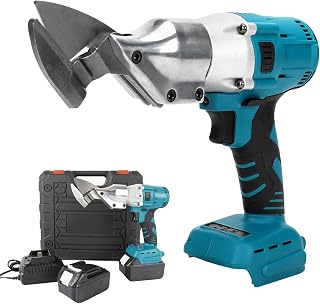


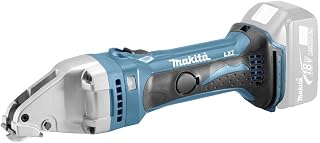
Choosing an advanced Makita metal shear is less about finding the tool with the highest headline specification and more about matching the shear's cutting capacity, power system, handling characteristics and intended material to the work you actually perform. Metal shears are specialised cutting tools, so a model that is ideal for thin sheet-metal fabrication may not be the right choice for heavier-gauge work, repeated site cutting or long production runs.
For Australian buyers, the decision also involves practical considerations such as 18V or 40V Max battery compatibility, availability of compatible batteries and chargers, Australian electrical requirements for corded equipment, replacement accessories, manufacturer support and the conditions in which the tool will be used. A sensible comparison therefore looks beyond customer ratings and considers the complete ownership picture.
Makita is particularly relevant for buyers already invested in its cordless power-tool ecosystem. However, an existing battery platform should not automatically determine the purchase. Cutting performance, ergonomics, access around profiles and the type of sheet metal being processed should remain the primary criteria.
Metal shears are designed to cut sheet metal through a shearing action rather than removing a large quantity of material as a conventional grinding or cutting disc would. Depending on the design, the cutting head uses blades or cutting components that separate the material progressively as the tool moves along the workpiece.
Typical applications include sheet-metal fabrication, roofing work, ducting, flashing, HVAC installation, electrical enclosure modification, vehicle and trailer work, workshop fabrication and general metalworking. The exact suitability depends on the tool's rated material capacity and the properties of the material being cut.
Metal shears are not universal substitutes for nibblers, angle grinders, circular saws or metal-cutting bandsaws. Each tool uses a different cutting method. Understanding that distinction is one of the most important steps when comparing advanced metal-cutting equipment.
A common buying mistake is comparing different metal-cutting tools solely on motor power. The cutting mechanism can have a much greater effect on the finished result, speed, noise, edge quality and suitability for a particular job.
Metal shears are generally suited to controlled sheet-metal cutting. They can be particularly useful when the operator needs to follow a line while keeping the workpiece relatively clean. Since the cutting action is different from abrasive cutting, the resulting workflow can be preferable for applications where excessive sparks or abrasive dust are undesirable.
A nibbler removes small sections of metal as it advances. This cutting principle can make nibblers useful for curved lines, internal cut-outs and shapes that would be difficult to produce with conventional shears. The trade-off is that the cutting process produces small metal chips or slugs that must be managed safely.
An angle grinder equipped with an appropriate metal-cutting disc is a highly versatile option, especially for heavier material and general fabrication. It can perform cuts that are unsuitable for many sheet-metal shears, but it also introduces different considerations involving sparks, heat, abrasive dust, disc wear and edge finishing.
Metal-cutting saws can be preferable where straight, controlled cuts through particular profiles or thicker stock are required. They occupy a different position from compact sheet-metal shears because their cutting geometry and workpiece requirements are different.
Cutting capacity should be one of the first specifications checked. Manufacturers normally specify the materials and maximum thicknesses a particular tool is designed to cut. Those figures should be treated as model-specific rather than assumed to apply to every Makita shear.
Do not select a tool based solely on the maximum thickness listed in a retailer description. Check whether the stated capacity applies to mild steel, stainless steel, aluminium or another material. A tool may have different capacities for different metals because material hardness, tensile strength and cutting resistance vary.
For cordless Makita users, battery compatibility can have a significant impact on overall value. Makita offers different cordless platforms, and buyers should verify that the shear belongs to the battery system they already own before purchasing a bare tool.
A bare tool can appear substantially cheaper than a kit because it may exclude batteries and a charger. That price difference is meaningful only if you already have compatible batteries and charging equipment.
Before buying, confirm the exact battery platform rather than relying on the voltage number alone. Two batteries with similar nominal voltage should not be assumed to be interchangeable.
Runtime is affected by the material being cut, thickness, cutting speed, battery capacity, temperature, operator technique and the condition of the battery. For that reason, advertised battery life should not be treated as a universal number of metres of cutting.
For occasional DIY or maintenance work, one compatible battery may be adequate. Professionals performing repeated cuts throughout the day may benefit from having multiple compatible batteries and a suitable charging strategy.
Cutting speed matters when a tool is used frequently, but raw speed is not necessarily the most useful specification. A shear that is easy to guide can produce better real-world productivity than a faster tool that is difficult to control.
Look for a combination of controlled cutting action, manageable vibration, good visibility of the cutting path and an operating configuration that allows the user to maintain a consistent feed rate.
Ergonomics become increasingly important as the duration of each cutting session increases. A compact tool can be easier to position around corners, panels and installed components, while a larger tool may provide characteristics that are advantageous for demanding applications.
The cutting head directly influences how the tool interacts with the workpiece. Its dimensions, orientation and visibility can determine whether a shear feels convenient in real applications.
A narrow cutting head can be valuable where access is restricted. The ability to see the cutting line can also reduce errors, particularly when trimming visible panels or following a marked profile.
Consumable or replaceable cutting components are an important part of long-term ownership. Before purchasing, check whether replacement parts are available for the exact model and whether the components are intended for the materials you work with.
It is also worth checking the manufacturer's instructions for adjustment, replacement intervals and approved components. Using unsuitable replacement parts can affect cutting performance and safety.
Where available on a particular model, variable-speed or electronic control can make it easier to adapt the cutting action to different tasks. However, the usefulness of such features depends on the application. A professional fabricator may value fine control more than a homeowner performing occasional straight cuts.
Many modern cordless power tools use brushless motors. In general terms, brushless motor systems eliminate traditional motor brushes and can support efficient operation, electronic control and reduced routine brush replacement requirements.
Brushless technology should be viewed as one part of the overall tool design rather than a guarantee of superior cutting performance. The cutting mechanism, gearing, electronics, battery system and intended workload still matter.
Advanced cordless tools can incorporate electronic systems designed to manage overload, temperature or other operating conditions. The exact features vary between models, so buyers should consult the manufacturer's documentation for the tool under consideration.
Metal type is just as important as thickness. Aluminium, mild steel and stainless steel do not behave identically under a cutting tool. Material hardness, ductility, tensile strength and surface condition can all influence cutting resistance and tool wear.
Mild steel is a common fabrication material, but the appropriate shear capacity must still be verified. Do not assume that a shear rated for thin mild steel is appropriate for substantially thicker steel simply because the tool has a powerful motor.
Stainless steel can place different demands on cutting equipment than ordinary mild steel. Always use the manufacturer's stainless-steel capacity where one is provided. If no suitable capacity is specified, do not infer one from the mild-steel rating.
Aluminium is relatively lightweight but its cutting behaviour differs from steel. Softer material can create its own challenges, including deformation if the cutting setup or technique is inappropriate. The exact alloy and thickness can also matter.
Galvanised, painted or otherwise coated sheet metal requires attention to both the substrate and the coating. Cutting can expose the underlying metal, so the finished edge may require appropriate treatment depending on the application and corrosion-protection requirements.
A common comparison mistake is to create a simple ranking based on maximum thickness. In practice, the best tool depends on how frequently that thickness is encountered and how the tool performs across the full range of everyday jobs.
For example, a buyer who cuts thin sheet metal for extended periods may place more value on weight, handling and battery efficiency than on a maximum-capacity figure that is rarely used. Conversely, a fabricator working with heavier materials may prioritise cutting capacity and durability over compactness.
The ideal specification is therefore the one that matches the actual workload rather than the largest number printed on a product listing.
Cordless operation is particularly useful when cutting material away from a workshop bench, on construction sites or in locations where trailing power cords create inconvenience. It can also make short cutting tasks faster because there is no need to position an extension lead before beginning.
However, cordless convenience introduces battery-related considerations. A complete system can require the tool, one or more batteries, a charger and potentially additional batteries for continuous work.
Retail listings can make two apparently similar Makita metal shears look very different in price when one includes batteries and a charger and the other does not.
For an existing Makita cordless-tool owner, a bare tool may make financial sense if compatible batteries and a charger are already available. A first-time buyer may need to calculate the complete system cost instead.
When comparing products, record the following separately:
This prevents a misleading comparison where the cheapest-looking listing does not actually provide the equipment needed to start working.
Makita is not the only established manufacturer worth considering when shopping for professional-grade metal-cutting tools. Bosch, Milwaukee, DeWalt, Metabo and HiKOKI also have extensive power-tool ranges. The right choice depends heavily on the cordless platform, tool category, local support and the specific product's specifications.
Makita can be particularly attractive to buyers who already own compatible Makita batteries and other cordless equipment. The breadth of its power-tool ecosystem can simplify battery sharing across suitable tools, provided the individual products use the same compatible platform.
Milwaukee is another major professional power-tool brand with a broad cordless ecosystem. Buyers comparing Milwaukee and Makita should compare the exact metal-cutting tools, rather than assuming that one brand is universally better.
DeWalt is widely recognised for professional-oriented cordless and corded power tools. Existing DeWalt users may find platform compatibility a major factor, while new buyers should compare tool specifications and total system cost.
Bosch offers a broad range of power tools and accessories. Its products can be relevant where buyers want to compare alternative approaches to sheet-metal cutting, particularly across different tool categories.
Metabo has a strong presence in metalworking equipment. Buyers with fabrication-heavy requirements may want to include its metal-cutting solutions when comparing alternatives to Makita.
HiKOKI is another established power-tool manufacturer with cordless systems that may appeal to users already invested in its compatible battery platform.
The most useful brand comparison is therefore not simply “Makita vs another brand”. Compare the exact tool's cutting capacity, battery system, dimensions, weight, accessories, replacement parts, manufacturer documentation and suitability for the material you need to cut.
When evaluating a shortlist of ten potential options, the following criteria provide a more useful framework than customer-star ratings alone.
The lowest initial price does not necessarily represent the lowest overall cost. A bare tool may require batteries and a charger, while a seemingly more expensive kit may include components that an existing cordless-tool user does not need.
Never assume that every Makita cordless battery works with every Makita tool. Confirm compatibility for the exact model and battery platform before ordering.
A manufacturer's maximum cutting capacity describes a specified operating capability, not necessarily an ideal continuous workload. If most of your work is close to the maximum rating, reconsider whether a different cutting technology would be more appropriate.
These tools solve different problems. If your work involves frequent internal cut-outs or complex curves, a nibbler may be worth considering instead of choosing a shear simply because it has a strong overall specification.
Weight figures without context can be misleading. The position of the battery, handle and cutting head affects how the tool feels in use. For repeated overhead or awkward-position work, balance can be more important than a small difference in motor specifications.
Cutting components are wear items. A low initial purchase price becomes less attractive if replacement parts are difficult to source or unsuitable for the materials you routinely cut.
Retail listings can contain abbreviated or inconsistent specifications. Before making a final decision, cross-check important technical details against the manufacturer's documentation for the exact model.
Product specifications can look straightforward but often require context. A buyer should identify whether each number represents a tool capability, a material-specific rating, an accessory specification or a measurement taken under particular conditions.
Professional-looking results depend on more than tool power. The condition of the material, accuracy of the marked line, operator technique, cutting direction and stability of the workpiece all influence the finished edge.
Thin sheet metal can move or vibrate if it is not adequately supported. Supporting the workpiece appropriately can make the cutting process more predictable and reduce unwanted deformation.
Where the appearance of the finished edge matters, test the cutting approach on a suitable offcut before beginning the final component. This allows the operator to confirm the direction of travel, access and expected finish without risking the main workpiece.
Although shears can be useful for many sheet-metal cuts, their ability to handle curves depends on the specific tool and the radius of the curve. Tight curves can place different demands on the cutting head and operator than long straight cuts.
If your projects frequently involve intricate contours, compare a shear with a nibbler or another specialised cutting method. The best tool is the one that minimises forced manoeuvring while producing the required shape accurately.
Roofing and construction environments place particular demands on cutting tools. Portability, battery convenience and the ability to make controlled cuts can be valuable when material must be trimmed away from a workshop.
However, roofing materials vary considerably. Buyers should verify the material and thickness ratings of the exact tool before using it for a particular roofing product. Coatings, profiles and material hardness can affect suitability.
When working at height, tool retention, secure footing, battery management and site-specific safety procedures are especially important. A convenient cordless tool does not eliminate the need for appropriate working-at-height controls.
Sheet-metal ductwork often involves repetitive trimming, straight cuts and modifications around installed components. A compact shear can be useful where access is restricted, but the best choice depends on the duct material, gauge and shape.
For installers, the practical value of a tool may come from its ability to make clean, controlled cuts without requiring a large cutting setup. Buyers should nevertheless verify that the selected model is rated for the specific sheet material used on the project.
Workshop users typically have more flexibility in selecting between cordless shears, corded equipment, nibblers, grinders and stationary machinery. The right decision depends on whether portability or throughput is the main priority.
For occasional trimming and modification, a cordless shear can reduce setup time. For high-volume fabrication, however, a different machine may provide a more efficient workflow. Consider the number of cuts per day, average material thickness, required edge quality and time spent handling the workpiece.
If a compatible Makita cordless shear is used professionally, battery selection should reflect the complete working cycle rather than simply maximising amp-hour capacity.
Larger batteries can provide greater energy storage but may also increase tool weight. For overhead work or prolonged handheld cutting, the additional mass can influence operator fatigue. Smaller batteries can improve manoeuvrability but may require more frequent changes during intensive work.
A practical professional setup may therefore involve different compatible battery capacities for different jobs, provided they are approved for the relevant tool and used according to manufacturer instructions.
Routine maintenance helps preserve predictable operation and makes it easier to identify wear before it affects the quality of the cut. Always follow the manufacturer's instructions for the exact model.
Remove metal debris and accumulated dust from appropriate external areas after cutting. Do not use cleaning methods that could force debris into sensitive electrical or mechanical components.
Check the blades or other cutting components for wear, damage and abnormal condition. Deteriorating cutting components can affect the quality of the cut and increase the effort required from the tool.
Inspect accessible fasteners and moving parts in accordance with the manufacturer's maintenance instructions. Unusual looseness, noise or movement should be investigated rather than ignored.
Use and store batteries according to the manufacturer's safety instructions. Avoid exposing batteries to conditions outside their specified operating and storage requirements.
Storing replacement components, tools and accessories in an organised manner reduces the chance of installing the wrong component or losing small parts during maintenance.
A change in normal operation can indicate wear, incorrect setup, a damaged cutting component or another issue that requires inspection.
Do not continue using a tool that appears damaged or unsafe. Follow the manufacturer's troubleshooting and service instructions or seek qualified assistance where appropriate.
Metal-cutting tools should be used according to the manufacturer's instructions and applicable workplace safety requirements. Operators should use appropriate personal protective equipment for the task and material.
Prioritise simplicity, manageable weight, appropriate capacity and overall system cost. If you already own compatible Makita batteries, a bare tool may be particularly convenient.
Prioritise portability, access, battery availability, cutting capacity for the materials used on site and resistance to the practical demands of frequent transport and use.
Focus on compact handling, visibility of the cutting path and suitability for the specific duct materials and gauges encountered on projects.
Consider cutting capacity, control, repeatability, replacement cutting components and whether a shear is actually the most productive cutting technology for the volume and thickness of material involved.
Look beyond the purchase price. Consider battery logistics, ergonomics, serviceability, accessory availability, cutting-component costs and whether the tool's specified duty is appropriate for the workload.
Customer reviews can provide useful information, but they should be interpreted carefully. A review from someone cutting thin aluminium occasionally is not directly comparable with feedback from a professional working with heavier sheet metal every day.
Look for reviews that explain the application, material, thickness and frequency of use. Detailed reviews that describe both strengths and limitations are generally more informative than one-line comments about whether the product is “good” or “bad”.
Australian shoppers should compare the exact model number wherever possible. Similar-looking tools can have different specifications, battery platforms or regional configurations.
Before completing a purchase, verify the product title, model identifier, included accessories, battery status, voltage, cutting capacity and manufacturer documentation. If a retailer's description conflicts with the manufacturer's information, investigate the discrepancy rather than assuming the retailer's specification is correct.
Also check that the listing corresponds to the Australian market and that the electrical configuration is appropriate for Australia when purchasing corded equipment.
Power-tool pricing can change because of retailer promotions, kit configurations, seasonal offers and inventory. A useful buying guide should therefore avoid treating one price as permanently representative.
Instead, compare the complete package. A lower-priced bare tool can be the better purchase for someone who already owns compatible batteries, while a kit containing batteries and a charger may represent better value for someone entering the platform.
When checking today's prices, compare equivalent configurations rather than comparing a bare tool against a complete kit. Also account for replacement accessories and batteries if those items are not already part of your workshop.
The best option depends on the material, thickness, cutting frequency, required manoeuvrability and battery platform. There is no single model that is automatically the best choice for every Australian buyer. Start by identifying the material and maximum thickness you routinely cut, then compare compatible Makita options against those requirements.
They can be a practical choice when portability, quick setup and cordless operation are valuable. They are especially convenient for users who already own compatible Makita batteries. For stationary, high-volume fabrication, however, a different cutting machine may provide a more suitable workflow.
Some models may be designed for stainless steel within a specified capacity, while others may have different or more limited ratings. Always check the manufacturer's specifications for the exact model and stainless-steel thickness rather than assuming that a mild-steel rating also applies to stainless steel.
Suitability depends on the exact model, cutting mechanism and manufacturer's stated material specifications. Check the relevant aluminium rating before use and consider the thickness and type of aluminium involved.
They can be suitable for certain roofing and flashing applications when the material is within the manufacturer's specified cutting range. Verify the exact roofing material, thickness and tool capacity before use.
Neither is universally better. Shears are useful for many controlled sheet-metal cuts, while nibblers can be advantageous for certain curves and internal shapes. Choose according to the geometry of your cuts, material and required finish.
A metal shear is often more specialised for sheet-metal cutting, while an angle grinder is a broader fabrication tool that can handle a wider variety of tasks. The grinder may be preferable for some heavier or general-purpose cutting jobs, whereas the shear can be more convenient for specific sheet-metal applications.
Buy a bare tool when you already have compatible batteries and charging equipment. Consider a complete kit when you do not have the required battery platform. Always verify the exact battery compatibility before purchase.
Battery capacity and tool voltage should not be confused. A larger amp-hour rating primarily relates to stored energy and potential runtime. The tool's design and compatible battery system determine its intended operating characteristics.
Weight is particularly important during prolonged cutting, overhead work and jobs requiring frequent repositioning. Consider the complete operating weight, including the battery, rather than looking only at the bare-tool figure.
There is no universal replacement interval because wear depends on material, thickness, workload, cutting technique and the exact tool. Inspect the cutting components regularly and follow the manufacturer's maintenance guidance.
Do not assume that an aftermarket component is compatible simply because it looks similar. Use components specified or approved for the exact tool where required by the manufacturer's instructions.
They can be, provided the exact model is designed for the required workload and material. Professional suitability should be assessed using cutting capacity, duty requirements, ergonomics, battery logistics, maintenance and the manufacturer's specifications rather than cordless operation alone.
A useful comparison should not rank tools purely by headline specifications. For this type of specialised equipment, a meaningful assessment considers the relationship between cutting capacity, material compatibility, battery platform, ergonomics, control, accessories, maintenance and intended workload.
Buyers should also distinguish between verified manufacturer specifications and subjective customer feedback. Specifications are useful for determining whether a tool is technically suitable; detailed customer feedback can help identify practical considerations such as handling and convenience. Neither should be treated as a substitute for the other.
Where product configurations, pricing or retailer availability change, confirm the current listing before making a purchase decision. This is particularly important for cordless tools because kit contents can differ substantially even when the underlying tool is similar.
The strongest choice among advanced Makita metal shears is the model that fits the job rather than the model with the most impressive specification sheet. Begin with the material you need to cut, establish the realistic maximum thickness, decide whether cordless portability matters and then narrow the options according to battery compatibility, handling and workload.
For existing Makita users, battery-platform compatibility can simplify the decision and potentially reduce the cost of entering another tool category. For buyers starting from scratch, compare the complete system cost, including batteries and charging equipment.
Do not overlook ergonomics. A shear that is technically capable but uncomfortable to hold for repeated cuts may be less productive than a lighter, better-balanced alternative that comfortably handles the material you normally work with.
Finally, verify important specifications against the current manufacturer's documentation and compare current Australian retailer listings before purchasing. Product configurations, prices and availability can change during 2026, so the final buying decision should always be based on the current model and package rather than an outdated listing.
The best advanced Makita metal shear for an Australian buyer is determined by application-specific requirements: material type, thickness, cutting pattern, frequency of use, battery platform, ergonomics and total ownership cost. Treat manufacturer specifications as the starting point, use verified customer feedback as supporting evidence, and compare the exact product configuration before buying.
With those criteria in place, it becomes much easier to narrow a large 2026 shortlist to the Makita metal shear that genuinely matches your workshop, construction, roofing, HVAC or fabrication requirements.