

♥ Wishlist
Compare 24 Makita Screwdrivers for Australian Trades and DIY Projects products in Australia. Reviews, ratings, pros, cons and buying advice updated for October 2026.
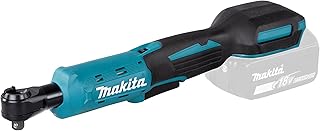


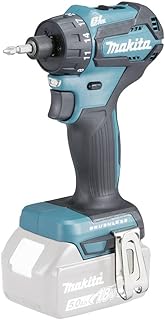

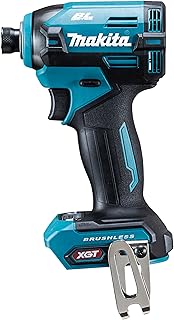


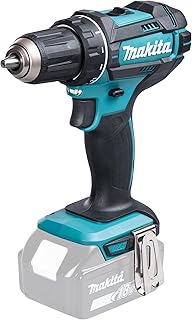


Choosing an advanced Makita screwdriver is less about selecting the most powerful model and more about matching the tool's drive system, torque control, battery platform, ergonomics and intended workload to the jobs you actually perform. A compact cordless screwdriver can be ideal for cabinetry and electrical work, while a higher-torque impact driver is better suited to repetitive fastening and longer screws in timber. Treating every Makita screwdriver as interchangeable can lead to unnecessary weight, excessive power, poor control or incompatible accessories.
For Australian buyers, the decision should also account for the type of materials commonly encountered, the availability of compatible 18V or 12V batteries, the Australian power configuration where relevant, dust and job-site conditions, and whether the tool is intended for occasional DIY use or frequent professional work. Makita offers several cordless tool platforms and screwdriver-style products, so checking the exact model specifications is essential before purchasing.
The word “screwdriver” covers several different categories of power tools. Understanding the distinction makes product comparisons considerably easier.
A cordless drill driver is one of the most versatile options for general fastening and drilling. Its adjustable clutch allows the user to control fastening force, which is particularly useful when working with timber, plastics, cabinetry, furniture components and other materials where over-tightening can cause damage.
An impact driver uses a rotational impact mechanism to deliver high fastening performance without requiring the same sustained hand pressure as a conventional drill driver. This makes impact drivers particularly useful for structural screws, long fasteners, decking, framing and repetitive construction work.
Compact screwdriver-style tools prioritise manoeuvrability and low fatigue rather than maximum torque. They can be particularly convenient for assembling furniture, installing hardware, working inside cabinets and handling smaller fasteners.
Specialist screwdrivers designed for repetitive applications can offer features such as depth control, high-speed operation or automatic screw feeding. These tools make sense when a specific trade application justifies their specialised design, but they may provide less versatility than a conventional drill driver or impact driver.
Battery voltage provides useful context, but it should never be treated as a standalone measurement of performance. Motor design, gearing, electronic control and mechanical impact systems all influence how a screwdriver behaves under load.
Makita's cordless ecosystem includes compact platforms as well as its widely used 18V LXT range and other higher-output systems. If you already own compatible Makita batteries and chargers, staying within the same platform can substantially reduce the practical cost of expanding your tool collection.
Before purchasing a bare-tool model, confirm whether a compatible battery and charger are already available. A tool-only purchase can look inexpensive compared with a complete kit, but the total cost can be significantly different if batteries and charging equipment are required.
Torque indicates the rotational force a tool can apply, but maximum torque figures should not be interpreted as a direct measure of how well one screwdriver will perform every task. Real-world fastening depends on the fastener, bit, material, screw length, battery condition, gearbox and operating mode.
For precision assembly, controllability can matter more than maximum torque. For structural fastening, torque capacity becomes more important. The best choice therefore depends on the application's fastening requirements rather than the largest number printed in a specification table.
Variable-speed trigger control is important because different materials and fasteners require different operating speeds. Lower speeds can make it easier to start a screw accurately, while higher speeds can improve productivity during repetitive fastening.
A two-speed gearbox can provide another level of control by allowing a lower-speed, higher-torque range and a higher-speed range for faster drilling or lighter fastening.
Impact rate is particularly relevant when comparing impact drivers. A higher impact frequency can support rapid fastening, but speed alone does not determine suitability. Electronic control modes, trigger sensitivity and the ability to reduce output can be equally important when working with smaller screws or softer materials.
Traditional drill drivers generally use a keyless chuck capable of accepting a range of drill and driver accessories. Impact drivers commonly use a quick-change hex interface that allows rapid bit changes.
Think about the accessories you already own before choosing a tool. A screwdriver with an interface that matches your existing bits can be more convenient than a theoretically more powerful tool requiring a completely different accessory setup.
Brushless motor technology is one of the most relevant distinctions when comparing modern cordless power tools. Brushless motors eliminate conventional carbon brushes and use electronic motor control instead.
A brushed model is not automatically unsuitable for DIY use. If a screwdriver is used only occasionally, the additional features of a premium brushless model may not justify the extra purchase cost. Frequent users and tradespeople are more likely to benefit from investing in a higher-specification platform.
Advanced cordless screwdrivers increasingly rely on electronic controls rather than simply providing a motor with a trigger. Depending on the model, these systems can regulate speed, monitor load, manage battery protection and provide different operating modes.
Electronic control is especially valuable when one tool needs to handle a broad range of fastening tasks. A controlled low-power mode may help prevent damage to smaller fasteners, while a higher-output mode can provide additional capability for demanding applications.
A clearly positioned forward/reverse selector is a basic but important feature. Frequent users should assess whether the control can be operated naturally without changing grip or accidentally activating it during work.
Integrated LED lighting can be useful inside cabinets, under benches, between framing members and in other areas where ambient lighting is limited. The number and placement of LEDs can influence shadows around the fastener, so this feature is more than a simple checkbox when working in confined spaces.
Advanced cordless systems may incorporate protection against conditions such as excessive load, overheating or battery-related issues. These systems are intended to help protect the tool and battery, but they do not eliminate the need to operate the screwdriver within its intended application.
Battery capacity is normally expressed in amp-hours (Ah). A higher Ah rating generally provides greater stored energy, although the resulting runtime depends heavily on workload, fastening speed, material and tool design.
A larger battery is not always the better battery. On a compact screwdriver, additional battery weight can alter balance and increase fatigue. For overhead or repetitive work, a smaller compatible battery may provide a better overall experience even if it requires more frequent charging.
One of the most common buying mistakes is comparing a bare tool with a complete kit without accounting for what is included. Before comparing prices, identify whether each listing contains the screwdriver, batteries, charger, case and other accessories.
For someone already invested in Makita batteries, a skin-only purchase may be sensible. For a new cordless-tool user, a starter kit can offer a more practical route into the platform.
Weight, balance, handle shape, trigger placement and grip diameter can have a major effect on long-term usability. A screwdriver that produces excellent fastening performance but feels awkward after repeated use may be less suitable than a slightly less powerful model with better ergonomics.
Pay attention to whether the battery, motor and gearbox create a forward-heavy or rear-heavy tool. Good balance can reduce the effort required to hold the tool square to the workpiece.
The trigger should be reachable without forcing the index finger into an unnatural position. A comfortable grip becomes increasingly important when performing hundreds of fastening operations during a working day.
Compact tools are often easier to position with one hand, leaving the other hand available to hold a component or guide a workpiece. However, one-handed convenience should never replace secure support of the material during drilling or fastening.
For flat-pack furniture, cabinets and general assembly, excessive torque can be counterproductive. Look for controllable speed, a useful clutch, compact dimensions and good low-speed behaviour.
Precision is often more important than maximum output. A drill driver with adjustable clutch settings can make it easier to achieve consistent fastening without stripping screws or damaging timber and fittings.
Decking involves repetitive fastening and can benefit from a tool that balances torque, speed, battery capacity and user fatigue. An impact driver can be particularly useful when installing long screws, although the correct bit and appropriate driving technique remain essential.
Construction workloads can justify a higher-output impact driver or heavy-duty drill driver. Durability, battery runtime, fastening speed and ergonomics become more important as daily usage increases.
For occasional household repairs, an all-purpose drill driver may offer better value than a specialist impact tool. Consider the range of jobs you expect to perform rather than buying solely according to maximum power.
Installation tasks often involve smaller fasteners and confined spaces. Compact size, precise trigger control, manageable torque and good lighting can be more useful than maximum fastening output.
These tools overlap, but they are designed around different priorities.
Many Australian DIY users can cover most household projects with one good drill driver. A dedicated impact driver becomes more compelling when longer fasteners, structural applications or high-volume fastening are regular requirements.
Makita is not the only established manufacturer worth considering. Depending on your existing battery collection and intended applications, alternatives from brands such as Bosch Professional, DeWalt, Milwaukee and Metabo HPT may also deserve comparison.
The most meaningful comparison is not simply brand versus brand. Compare equivalent tool categories, battery platforms, included accessories, torque and speed specifications, dimensions, weight, electronic features and the availability of compatible tools you may want to purchase later.
A cordless screwdriver is often the beginning of a larger tool-platform investment. Once you own several batteries and chargers, staying with the same ecosystem can make future purchases simpler because additional compatible bare tools may not require another battery and charger.
For that reason, evaluate the wider platform rather than judging a screwdriver in isolation. Consider whether the same battery family includes drills, grinders, saws, sanders, impact wrenches, lights and other equipment relevant to your future projects.
When evaluating a shortlist, use the same criteria for every candidate. This reduces the risk of selecting a product because of one impressive specification while overlooking factors that matter more to your application.
Customer reviews can provide useful information that specification sheets cannot, but they should be interpreted carefully. A review describing excellent performance on decking does not automatically establish that the same tool is ideal for cabinet installation.
Look for recurring observations rather than isolated comments. Reviews are particularly useful for identifying practical characteristics such as perceived weight, battery runtime in a particular application, trigger feel, chuck or bit retention, balance and ease of use.
The screwdriver itself is only part of the fastening system. The quality and suitability of bits, holders and other accessories can affect performance and fastener life.
When using an impact driver, choose bits specifically intended for impact applications. Ordinary bits may not be designed to withstand repeated impact loading.
A magnetic holder can make bit changes faster and can help retain compatible fasteners during certain tasks. Its usefulness depends on the application and fastener geometry.
Right-angle attachments can provide access in tight locations, but compatibility, torque limits and manufacturer instructions should be checked before use.
Socket adapters can extend the usefulness of a compatible impact driver for certain hex-head fastening applications. Use accessories rated for the tool and application rather than assuming every adapter is appropriate for high-torque use.
Good maintenance can help preserve performance and reduce avoidable wear. Always follow the manufacturer's instructions for the specific model because maintenance requirements can differ between tools.
Lithium-ion batteries should be handled and stored according to the manufacturer's safety instructions. Avoid storing batteries where they can be exposed to excessive heat, moisture, physical damage or other unsuitable conditions.
For users with several cordless tools, establishing a consistent charging and storage routine can also make it easier to maintain battery availability without leaving batteries connected unnecessarily or storing them in inappropriate locations.
Higher-powered cordless tools deserve the same level of care as other power equipment. Read the model-specific instructions before operation and use appropriate personal protective equipment for the work being performed.
An advanced model is worthwhile when its additional capabilities solve a genuine problem. Brushless motors, electronic controls, multiple modes, improved ergonomics, higher output and enhanced battery management can all be useful, but their value depends on how frequently and intensively the tool will be used.
For occasional DIY work, a reliable mid-range model with good control may be a smarter purchase than the highest-output option. For professional construction or intensive workshop use, the priorities can shift toward durability, battery runtime, speed, fastening capacity and reduced operator fatigue.
Australian shoppers should verify the exact local product listing before purchasing because model numbers, kit configurations and included accessories can vary between markets. A product name that appears identical across international listings may have different battery configurations or packaging.
When checking a listing, confirm that the product is intended for the Australian market, examine the stated specifications, identify exactly what is included, and review the retailer's current terms before completing a purchase. Prices and availability can change, so a comparison made in August 2026 should be treated as a snapshot rather than a permanent price assessment.
The real cost of a cordless screwdriver can include the tool, batteries, charger, bits, accessories and storage. Someone starting from zero should calculate the cost of the complete setup, while an existing Makita owner may only need the bare tool.
Long-term value can also come from platform compatibility. If one battery system can support multiple tools you expect to buy over several years, the initial ecosystem decision can have greater importance than a small difference in the purchase price of one screwdriver.
The best option depends on the work involved. For general household drilling and fastening, a versatile drill driver is often more practical than a dedicated impact driver. For mostly screwdriving, a compact model may provide better control and convenience.
Neither is universally better. An impact driver is generally advantageous for demanding and repetitive fastening, while a drill driver offers greater versatility for drilling and controlled screwdriving.
They can be worthwhile for frequent users who value efficiency, electronic control and reduced brush-related maintenance. For occasional use, the additional cost may not be necessary if a simpler model already meets the required workload.
Choose a bare tool when you already have compatible batteries and a charger. A complete kit may make more sense when entering the platform for the first time. Always compare the total contents rather than the tool-only price.
Choose according to the workload and balance you prefer. Higher-capacity batteries can provide longer runtime, while smaller batteries can reduce weight and improve manoeuvrability.
Not completely. An impact driver can handle many fastening tasks and can work with suitable drilling accessories, but a conventional drill driver remains the more versatile choice for many drilling applications and controlled screwdriving tasks.
Battery compatibility should always be confirmed against the exact model and platform. Do not assume that every Makita-branded battery is compatible with every Makita cordless tool simply because both products are labelled 18V.
Torque is important for demanding fastening, but it should be evaluated alongside speed, control, clutch settings, impact mechanism, ergonomics and the actual fasteners you intend to use.
Professional users should consider durability, battery ecosystem, sustained performance, ergonomics, electronic protection, accessory compatibility, service considerations and the tool's suitability for the expected daily workload.
No. A premium screwdriver can offer advanced features and greater performance, but those benefits matter only when they correspond to your applications. The best purchase is the model whose capabilities match the work without paying for features you will rarely use.
The strongest way to choose among the top advanced Makita screwdriver options for Australia in 2026 is to start with the work rather than the product name. Identify the fasteners, materials, frequency of use and required level of control. Then compare compatible Makita models using torque, speed, battery platform, weight, ergonomics, interface, electronic features and kit contents.
For buyers already invested in the Makita ecosystem, battery compatibility can simplify the decision considerably. For first-time cordless-tool buyers, the broader platform deserves attention because today's screwdriver may eventually become one component of a much larger collection of tools.
Before purchasing, verify the exact model number and current Australian listing, compare the complete specifications and included accessories, and read relevant verified customer feedback. This approach makes it easier to distinguish a genuinely suitable advanced screwdriver from a product that simply has a longer specification sheet.