

♥ Wishlist
Compare 35 Metabo Power Tool Sets for Australian Trades & DIY products in Australia. Reviews, ratings, pros, cons and buying advice updated for October 2026.


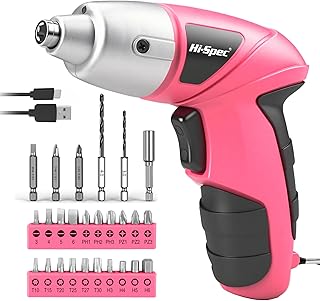


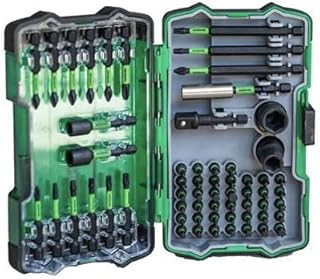


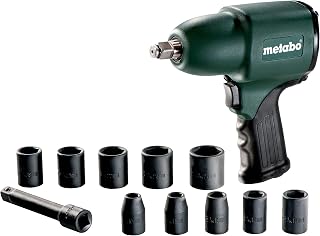

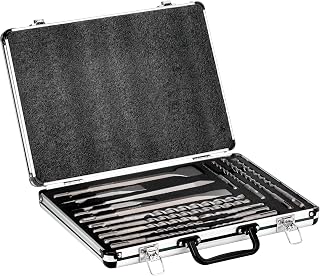


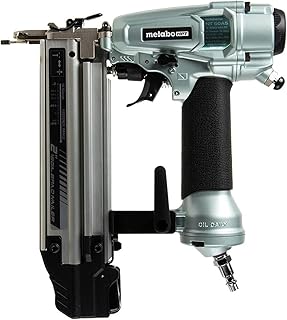


Choosing an advanced Metabo power tool set is less about buying the largest bundle and more about matching the platform, tools, batteries, accessories and intended workload. For Australian tradespeople, renovators, builders, installers and serious DIY users, the right combination should provide enough capability for current projects while leaving room to expand the tool collection later.
Metabo offers both corded and cordless equipment across drilling, fastening, cutting, grinding, sanding and other applications. When comparing sets, look beyond the number of tools in the box. A smaller kit containing the tools you actually use can be considerably more useful than a larger bundle filled with equipment that rarely leaves the case.
The battery platform should be one of the first considerations when comparing cordless Metabo sets. Batteries and chargers represent a significant part of the overall value of a cordless kit, and choosing a platform that suits your future tools can make subsequent purchases simpler.
Metabo's 18V cordless range is particularly relevant when portability and freedom from mains cables are important. An 18V system can cover many common workshop, construction, renovation and installation tasks, but the practical performance of an individual tool depends on its motor, gearing, electronics, battery and application.
For buyers comparing advanced kits, it is therefore better to evaluate the complete system rather than assuming that the voltage number alone determines performance.
Higher-capacity batteries can be useful for demanding tools such as grinders, saws and high-torque equipment. They may increase operating time between charges, although they can also add weight and bulk. For overhead work, drilling and installation tasks, a lighter battery may sometimes provide a more comfortable combination.
The ideal kit depends heavily on the work you perform. A professional carpenter has different requirements from an electrician, plumber, maintenance technician or homeowner undertaking occasional renovation.
A drill driver is one of the most versatile tools in a multi-tool set. Look at maximum torque, speed ranges, chuck design, clutch settings, overall length and weight. A compact drill can be advantageous when working inside cabinets, wall framing or other confined spaces, while a more powerful model may be preferable for larger fasteners and demanding drilling.
An impact driver complements a drill driver by handling fastening applications where controlled impact action can provide high fastening performance. When comparing models, consider torque characteristics, speed control, bit retention, operating modes and ergonomics rather than relying exclusively on a headline torque figure.
An angle grinder can dramatically increase the versatility of a cordless set. Depending on the model and approved accessories, grinders may be used for cutting, grinding, deburring and surface preparation. Compare disc diameter, speed control, safety features, guard adjustment, restart protection and compatibility with the batteries supplied.
A reciprocating saw is useful for demolition, rough cutting and work where access is more important than perfectly finished edges. Stroke length, strokes per minute, variable-speed control, blade-changing mechanism, vibration management and battery efficiency are important comparison points.
A circular saw is valuable for repeated straight cuts in timber and sheet materials. Check blade diameter, maximum cutting depth at relevant angles, bevel range, visibility of the cutting line, base-plate design and dust-management provisions.
For masonry and concrete work, a rotary hammer can be substantially more appropriate than a conventional drill. Buyers should compare chuck type, drilling modes, impact energy, vibration control, maximum recommended drilling capacities and accessory compatibility.
An oscillating multi-tool can fill numerous specialist gaps in a workshop. It is useful for plunge cuts, trimming, scraping, grout removal and detail work when fitted with an appropriate accessory. Its value within a set depends largely on whether the included accessories match your applications.
Brushless motors are an important feature to consider when comparing advanced cordless power tools. Brushless designs eliminate conventional motor brushes and can offer benefits such as reduced brush wear, efficient operation and electronic control.
However, brushless does not automatically mean that one tool is better for every application. Gear design, electronics, cooling, battery technology, ergonomics and the intended duty cycle also influence the overall package.
Battery capacity is commonly expressed in amp-hours, but amp-hour ratings should not be treated as a direct prediction of runtime across every tool. Different tools draw different amounts of power, and operating conditions influence consumption.
A grinder performing sustained heavy cutting can consume considerably more energy than a compact drill performing intermittent fastening. This is why an advanced kit should be evaluated according to the tools it contains and the jobs they are expected to perform.
A kit containing multiple batteries can be more practical for continuous work because one battery can be charging while another is in use. For professional users, the charger design and charging speed can therefore be almost as important as the number of batteries supplied.
Two apparently similar kits can have very different practical value. Before choosing between them, create a simple inventory of what is included.
Professional users generally place greater emphasis on durability, ergonomics, runtime, serviceability and compatibility across a larger tool fleet. A tradesperson may use the same battery platform across numerous tools and therefore benefit from investing in a coherent ecosystem.
For DIY users, the calculation is different. A homeowner may get better value from a smaller kit that covers drilling, fastening and occasional cutting than from a premium multi-tool package designed around daily professional workloads.
Builders and renovators may benefit from combinations that cover drilling, fastening, cutting and demolition. A drill driver, impact driver, circular saw and reciprocating saw can form a useful core, while an angle grinder or rotary hammer can extend the system for more demanding applications.
Compact drills, impact drivers, sanders and saws can be particularly useful for cabinetry and joinery. Weight, control and precision may matter more than maximum power, especially during repetitive installation work.
A general maintenance user may prefer a balanced kit rather than several high-powered specialist tools. Drill drivers, impact drivers, grinders and multi-tools can cover a broad selection of repair and installation tasks when paired with appropriate accessories.
Power tools are frequently used in awkward positions, at shoulder height, inside confined spaces or for repetitive tasks. Ergonomics should therefore be considered alongside specifications.
A technically powerful tool can be a poor choice if it is unnecessarily cumbersome for the work you perform most often.
A power tool is only part of the system. Drill bits, driver bits, saw blades, abrasive discs, sanding accessories and other consumables can significantly affect what a kit is capable of doing.
When comparing advanced Metabo sets, identify exactly which accessories are included and whether they are appropriate for your materials. An accessory designed for timber should not automatically be assumed suitable for masonry, metal or other materials.
A drill driver and impact driver serve overlapping but distinct purposes. The drill driver generally provides greater control for drilling and clutch-controlled fastening, while an impact driver is designed around fast, high-torque fastening.
If your work includes assembling furniture, installing cabinetry, driving screws into timber and drilling general-purpose holes, owning both can provide more flexibility than expecting one tool to perform every task.
When comparing angle grinders, start with disc size and intended application. Larger discs can offer greater cutting depth, while smaller grinders may be easier to control in confined spaces.
Always follow the tool manufacturer's instructions and use accessories rated for the specific tool and application.
Powerful tools can generate substantial noise and vibration. These factors matter during long work sessions and can influence comfort, control and fatigue. When specifications are available, compare declared vibration and sound information rather than assuming that similarly sized tools will behave identically.
Appropriate hearing protection, eye protection, respiratory protection and other personal protective equipment should be selected according to the task and material being worked.
Advanced power tools may incorporate electronic and mechanical protection systems intended to help manage conditions such as overload, overheating, unexpected restart or excessive torque reaction. The exact features vary by model.
Safety technology should complement, not replace, correct operating procedures. Always read the model-specific instructions before using a new power tool.
Australian buyers should pay attention to local electrical compatibility, included charger specifications, seller information, warranty terms, returns conditions and product availability. Do not assume that a tool sold in another market has the same electrical configuration, accessories or warranty arrangements as an Australian-market product.
For corded equipment, check that the product is intended for the Australian market and is supplied with the appropriate electrical configuration. For cordless equipment, check the charger and battery specifications as well as the tool itself.
Metabo is part of a competitive professional power-tool market that also includes established brands such as Makita, Bosch Professional, DeWalt, Milwaukee and HiKOKI. The best ecosystem depends on the user's applications, existing batteries, preferred ergonomics, tool availability and overall system requirements.
Compare the breadth of each battery ecosystem, tool ergonomics, available specialist equipment, battery options and the specific models rather than comparing brand names alone.
Bosch Professional and Metabo both offer broad professional-oriented ranges. The strongest choice depends on the tools you need, platform compatibility and the specifications of the exact models being considered.
DeWalt has a substantial cordless range, making platform breadth an important comparison point. If you already own compatible batteries from one ecosystem, staying within that platform may provide a practical advantage.
Milwaukee is another major cordless competitor with a broad professional tool ecosystem. Compare complete system costs, tool availability and the particular applications relevant to your trade rather than choosing solely on brand reputation.
HiKOKI and Metabo both provide cordless professional equipment. Compare voltage platforms, battery compatibility, tool dimensions, performance specifications and the accessories available for the jobs you actually perform.
More tools do not necessarily mean better value. If several tools will remain unused, a smaller package may be the more sensible purchase.
Counting batteries without checking their capacity can give an incomplete picture of the kit. Consider the battery requirements of the most demanding tool you expect to use.
Torque is important for some applications but does not describe the complete performance of a power tool. Speed, control, gearing, electronics, ergonomics and application-specific design also matter.
A cordless kit is considerably less useful if you have overlooked whether a suitable charger is included.
Product images and descriptions can show accessories or equipment that are not necessarily part of the standard package. Read the stated contents carefully before purchasing.
Compare the tool with its working battery attached. Battery weight can materially change the balance and handling of a cordless tool.
When two packages appear similar, use a structured comparison instead of relying on the headline number of tools.
A multi-tool package can be attractive when you need several tools from the same battery ecosystem. The value can be particularly strong when the set contains tools you would otherwise purchase individually and includes batteries and a charger that you would need anyway.
However, individual purchases may make more sense if you already own compatible batteries, need only one specialist tool or want to select different performance levels for different applications.
There is no requirement to buy every tool at once. A sensible strategy is to establish the core of the system first and add specialist equipment as your projects require it.
Proper maintenance helps keep power tools ready for use and makes it easier to identify problems before they become serious. Follow the manufacturer's instructions for every model because maintenance requirements vary.
Battery care deserves particular attention because batteries are a key part of the cordless system. Avoid using visibly damaged batteries and follow the manufacturer's charging, storage and handling instructions.
Do not modify batteries, chargers or electrical connections. If a battery shows unusual physical damage, excessive heating, leakage or other concerning behaviour, discontinue use and follow the manufacturer's safety guidance.
The lowest initial purchase price is not always the lowest overall cost. A tool set can provide stronger long-term value when its tools are frequently used, its batteries can support future purchases and its accessories are readily relevant to the user's work.
Think in terms of cost per useful tool rather than cost per tool included. A four-tool kit containing four regularly used tools may be more valuable than a seven-tool kit where three items remain unused.
There is no single best set for every Australian buyer. The most suitable option depends on the tools required, workload, battery platform, budget and intended applications. Compare the exact contents and specifications rather than choosing solely by the number of tools included.
Metabo produces professional-oriented power tools, but suitability depends on the specific model and application. Tradespeople should evaluate duty requirements, ergonomics, battery capacity, performance specifications and manufacturer guidance for the individual tools.
Brushless technology can be advantageous for frequent cordless use because it eliminates conventional motor brushes and enables sophisticated electronic motor control. It should still be evaluated alongside the tool's complete specifications and intended workload.
That depends on how continuously the tools will be used. For demanding professional work, having more than one battery can reduce downtime by allowing one battery to be used while another is charging. For occasional DIY work, fewer batteries may be sufficient.
Buy a complete kit when most of the included tools are useful to you and the batteries and charger provide good value. Buy individual tools when you need only one or two specialised products or already own compatible batteries.
The appropriate capacity depends on the tool and application. Higher-capacity batteries can provide longer operation between charges but may increase weight. Lighter batteries can be preferable for compact tools and extended overhead work.
Do not assume universal compatibility. Battery compatibility depends on the specific Metabo platform and tool specifications. Always verify compatibility using the manufacturer's current documentation before connecting a battery to a tool or charger.
Check the exact model numbers, package contents, battery specifications, charger inclusion, Australian-market compatibility, seller information, current price, warranty terms and returns conditions. Product images should not be treated as definitive evidence of everything included in a package.
Not necessarily. A premium package can offer greater capability, but value depends on whether you will actually use the included tools. Match the kit to your workload instead of paying for capabilities you do not need.
Maintenance requirements vary by tool and operating conditions. Inspect tools before use, keep ventilation areas clean, monitor accessories for wear and follow the maintenance schedule and instructions supplied by the manufacturer.
The strongest Metabo power tool set is the one that fits the work you actually perform. For Australian buyers, start with the battery platform, then evaluate the exact tools, battery capacities, charger, accessories, ergonomics, safety features and manufacturer specifications. Avoid choosing solely on tool count, headline torque or apparent discount.
Before purchasing, compare current specifications from trusted retailers, check the complete package contents and read verified customer feedback alongside the manufacturer's information. A carefully matched Metabo system can provide a practical foundation for construction, renovation, workshop, maintenance and serious DIY applications while giving you the flexibility to expand your tool collection as your requirements change.