

♥ Wishlist
Compare 11 Metabo Cordless SDS Hammer Drill products in Australia. Reviews, ratings, pros, cons and buying advice updated for October 2026.


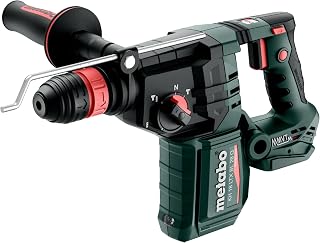
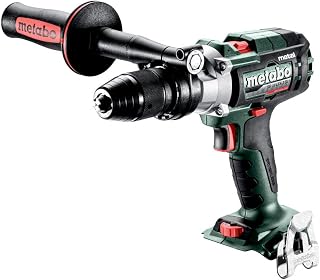


Choosing an advanced Metabo cordless SDS hammer drill involves more than comparing battery voltage or advertised impact energy. The right model depends on the type of masonry work, drilling diameter, drilling frequency, battery platform, tool weight, vibration control, chuck system and the amount of control required for each application.
For Australian buyers, the intended working environment also matters. A drill used occasionally for home renovation has very different requirements from one used throughout the day on construction sites, electrical installations, plumbing work or concrete fixing. Comparing specifications against your actual workload is therefore more useful than selecting a model simply because it has the highest headline specification.
Metabo's cordless SDS range is particularly relevant when portability and cordless convenience need to be balanced against the demands of drilling into concrete, brick, block and other masonry materials. Before buying, compare the complete tool configuration rather than assuming that every listing includes the same battery, charger, case or accessories.
An advanced SDS hammer drill combines several systems rather than relying on impact force alone. The motor, gearbox, hammer mechanism, electronics, battery and vibration-management features all contribute to how effectively the tool performs under load.
One of the most important decisions is the SDS interface. SDS-Plus and SDS-Max are not interchangeable systems, and selecting the wrong one can make an otherwise suitable hammer drill unsuitable for the intended work.
SDS-Plus is commonly associated with compact and mid-range rotary hammer applications. It can be a sensible choice for drilling anchor holes, installing fixings, performing electrical and plumbing work, drilling through brickwork and completing general renovation tasks.
The smaller tool format can also make SDS-Plus machines easier to handle when working overhead or in confined areas. For many homeowners, renovators, maintenance workers and tradespeople, an SDS-Plus machine provides a useful balance between capability and portability.
SDS-Max systems are intended for substantially heavier applications. They are more appropriate when the work involves larger drilling diameters, demanding chiselling, substantial masonry removal or repeated high-load applications.
The additional capability usually comes with increased tool size and weight. A larger SDS-Max hammer drill is therefore not automatically a better choice for every buyer. If most work involves smaller fixing holes, the additional size may provide little practical benefit.
Battery voltage is an important specification, but it should not be treated as a direct measurement of drilling performance. Two cordless hammer drills can use batteries from similar voltage classes while having substantially different motor, hammer-mechanism and overall performance characteristics.
Impact energy is more directly relevant when comparing rotary hammer capability. Higher impact energy can be valuable for demanding concrete drilling and chiselling, but it should be considered alongside tool weight, vibration control, maximum recommended drilling diameter and the type of work being performed.
For occasional DIY use, choosing the highest available impact specification can be unnecessary. For professional construction or repeated concrete drilling, however, the hammer mechanism becomes much more important because the tool may spend considerably more time operating under heavy loads.
Cordless SDS drills are most useful when their batteries fit into a broader tool ecosystem. If you already own compatible Metabo cordless equipment, a bare-tool configuration may be attractive because existing batteries and chargers can potentially be used, provided the specific battery platform is compatible.
Buyers starting from scratch should compare the cost and practicality of the complete system rather than concentrating only on the drill body.
A higher-capacity battery can provide greater operating time between charges, but additional capacity can also increase weight. This trade-off becomes noticeable when drilling overhead, working from ladders, installing fixings repeatedly or carrying the tool throughout a worksite.
For intensive drilling, additional battery capacity may be worthwhile because frequent battery changes can interrupt productivity. For occasional users, a smaller and lighter battery can sometimes produce a more comfortable overall tool.
Tool balance should be assessed together with battery size. A drill that feels manageable on a workbench can feel considerably different when held at shoulder height for repeated holes.
The motor is only one part of the performance equation. Advanced cordless hammer drills use electronic control systems to coordinate motor output, battery delivery and protection functions.
Brushless motor technology is especially relevant to buyers who expect frequent use. It eliminates brushes that wear through normal operation and can support efficient electronic management of the motor. However, brushless technology by itself should not be used as the sole reason to select one model over another.
Look at the complete specification sheet. Motor technology, impact energy, no-load speed, maximum drilling capacities, operating modes, vibration characteristics and battery system provide a much more meaningful picture of the tool's intended role.
Masonry materials do not all behave identically. Concrete can place considerably different demands on a hammer drill than softer brick or lightweight block.
Maximum drilling diameter specifications should be treated as application limits rather than a target for everyday use. A drill capable of producing a large hole does not necessarily mean that every job should be performed at that diameter.
Consider the hole sizes you actually create. Small anchor holes, cable penetrations and wall fixings may favour a compact SDS-Plus model. Larger penetrations and repeated heavy drilling can justify moving toward a more powerful machine.
Also distinguish between drilling in concrete, masonry and other materials when comparing published capacities. A maximum figure for one material may not apply to another.
A conventional hammer drill and an SDS rotary hammer are designed around different operating principles. A standard hammer drill may be adequate for occasional work in brick or lighter masonry, while an SDS rotary hammer is generally better suited to repeated concrete drilling and demanding masonry applications.
The SDS system also makes changing compatible drilling and chiselling accessories convenient. If your work regularly involves concrete, an SDS hammer drill can provide a more appropriate tool format than a conventional hammer drill.
An impact driver should not be considered a replacement for an SDS hammer drill. Impact drivers are primarily designed for fastening applications and use a different mechanism and accessory interface.
An SDS hammer drill is designed around percussion drilling and, depending on the model, chiselling. If your main task is driving screws and bolts, an impact driver may be more appropriate. If your main task is creating holes in concrete, brick or masonry, an SDS rotary hammer is the more relevant category.
Buyers who expect to remove tiles, chase masonry or perform light demolition should pay close attention to operating modes. A drill with a dedicated chiselling function can be significantly more versatile than a model designed solely for drilling.
Check how the manufacturer describes the available modes and whether the selected accessory system supports the chisels you intend to use. Also consider whether the tool is realistically sized for the demolition tasks you have planned.
Light chiselling and tile removal are very different from sustained concrete demolition. Choosing a tool based on the occasional maximum capability can lead to unnecessary weight if heavy demolition is not part of your normal workload.
Vibration is an important buying consideration for anyone who expects to operate a rotary hammer for extended periods. The physical design of the tool, hammer mechanism and vibration-reduction technology can influence how the machine feels during prolonged work.
Do not evaluate vibration control solely by looking at a marketing description. Where the manufacturer publishes vibration information, compare the relevant figures and check the operating conditions associated with those measurements.
For professional users, vibration exposure should also be managed through appropriate work practices, breaks, equipment selection and adherence to applicable workplace requirements.
A cordless SDS hammer drill should be comfortable enough to control accurately. Weight becomes particularly important when drilling overhead, working from awkward positions or carrying out many holes in succession.
Advanced cordless SDS hammer drills can include several electronic and mechanical safety features. The exact systems vary by model, so buyers should inspect the individual manufacturer's specifications instead of assuming that every feature is present on every Metabo machine.
Safety electronics do not replace correct operating technique. Users should always follow the manufacturer's instructions, wear suitable protective equipment and confirm that the accessory is appropriate for the material and application.
Even an advanced hammer drill can perform poorly when paired with unsuitable or worn accessories. Bit quality affects drilling speed, hole accuracy, durability and the amount of effort required from the tool.
Check whether the drill uses SDS-Plus or SDS-Max and purchase accessories designed for that interface. Do not force incompatible accessories into the tool.
A higher voltage number does not automatically mean that a particular drill is the best performer for your work. Compare impact energy, motor characteristics, drilling capacity, tool weight and battery system together.
More powerful equipment can be useful, but unnecessary size and weight can make routine jobs less comfortable. Match the machine to the frequency and severity of your applications.
A bare tool can look attractive when compared with a complete kit, but the economics change if you need to purchase batteries and a charger separately. Compare like-for-like packages.
This is one of the easiest mistakes to prevent. Confirm the chuck system before buying bits and accessories.
Retail listings can differ in battery quantity, charger inclusion, case configuration and accessory selection. Always verify the current contents of the exact package being considered.
A maximum drilling capacity is not necessarily representative of everyday performance. Consider the hole sizes you normally drill and how frequently you perform those tasks.
A technically capable drill can still be inconvenient if it becomes uncomfortable during extended use. Consider complete-tool weight and balance with the intended battery installed.
Metabo is not the only manufacturer worth considering when comparing cordless SDS hammer drills. Buyers may also encounter systems from Bosch Professional, Makita, DeWalt, Milwaukee and HiKOKI.
The most useful comparison is not simply brand versus brand. Instead, compare the specific models that match your application, because each manufacturer offers different combinations of battery platforms, tool sizes, impact performance, ergonomics, accessories and electronic features.
The best choice can therefore be different for a homeowner, renovator, tradesperson and construction professional even when they are drilling similar materials.
When two models appear similar, use a structured comparison instead of relying on the product title.
A compact SDS-Plus cordless hammer drill can be a sensible starting point when the main jobs involve occasional anchor holes, masonry drilling, tile removal or renovation work. Portability and manageable weight may be more valuable than maximum impact performance.
Look for a model with enough impact capability for the hole sizes you routinely need. Consider the battery capacity carefully if several holes must be drilled in one session.
Tool balance, compact dimensions, variable speed and convenient SDS accessory changes can be particularly useful when working in occupied buildings or confined spaces.
Frequent professional use places greater importance on durability, battery availability, vibration management, ergonomics and serviceability. A model that is comfortable over long work periods may be preferable to a heavier machine with greater headline specifications.
Compare higher-performance SDS systems and make sure the tool is designed for the drilling and chiselling workload involved. SDS-Max equipment may be more appropriate for applications beyond the practical range of compact SDS-Plus machines.
Product listings can vary, so carefully review the exact configuration rather than relying on a generic product photograph or title.
Proper maintenance can help preserve performance and reduce avoidable wear. Always follow the specific maintenance instructions supplied by Metabo for the model you own.
Cordless tools should be stored in a manner that protects both the machine and its batteries. Avoid leaving batteries exposed to extreme temperatures, moisture or physical damage.
If the drill will not be used for an extended period, follow Metabo's battery-storage recommendations rather than adopting a generic charging routine. Battery technology differs between platforms, so the manufacturer's instructions should take priority.
Efficient drilling is not simply a matter of applying more pressure. The correct bit, operating mode, speed and technique can reduce unnecessary load on the tool.
The cheapest initial purchase is not always the lowest-cost solution over the useful life of a cordless tool. Long-term value depends on how often the machine will be used, whether compatible batteries are already owned, how readily suitable accessories are available and whether the tool's specifications remain appropriate as your workload changes.
A professional user may benefit from investing in a more capable platform because the tool is used frequently. An occasional DIY buyer may achieve better value by choosing a lighter SDS-Plus model and avoiding unnecessary high-capacity batteries or heavy-duty features.
Many Metabo SDS hammer drills are designed for masonry applications including concrete drilling, but suitability depends on the individual model, drilling diameter, accessory and workload. Check the manufacturer's specifications for the exact model before using it for demanding concrete work.
SDS-Plus is generally more appropriate for compact and general-purpose rotary hammer applications, while SDS-Max is intended for heavier-duty drilling and chiselling. Choose according to the hole sizes, materials and demolition requirements you actually have.
No. Higher impact energy can be useful for demanding applications, but a heavier and more powerful machine may be unnecessary for smaller jobs. Tool weight, ergonomics, drilling capacity and frequency of use should be considered together.
Suitable cordless SDS models can be appropriate for many professional applications. The important question is whether the specific model provides the required impact performance, runtime, durability, ergonomics and accessory compatibility for the workload.
Battery capacity primarily affects available runtime, while the complete electrical and mechanical design determines overall tool performance. A larger battery can also add weight, so the ideal capacity depends on the application.
It depends on the tool and the accessory system. SDS drills are designed around SDS-compatible accessories, while some models may support additional chuck or adapter arrangements. Check the manufacturer's instructions before using non-SDS accessories.
Brushless motor technology can provide an efficient, electronically controlled motor design without conventional motor brushes. However, buyers should still compare the complete specification because brushless technology alone does not determine drilling capability.
Vibration control becomes increasingly important as operating time increases. If the tool will be used frequently or for extended sessions, compare the manufacturer's published vibration information and consider ergonomics alongside performance.
A bare tool can make sense when you already own compatible batteries and a charger. A complete kit may be more practical when building a cordless system from scratch. Compare the total cost and included components rather than comparing the advertised tool price alone.
Choose based on the balance between runtime, weight and the duration of your typical work sessions. Higher-capacity batteries can reduce charging interruptions but may make the complete tool heavier.
Metabo offers professional-oriented cordless equipment, but whether a particular model makes sense for occasional DIY depends on the user's workload and budget. A compact model may be more appropriate than a heavy-duty machine when demanding applications are uncommon.
Confirm the exact model, battery platform, SDS interface, kit contents, specifications, applicable warranty information and retailer terms. Also compare the current package rather than relying solely on an older product description or stock photograph.
Before choosing an advanced Metabo cordless SDS hammer drill, compare the complete tool specification against the work you actually intend to perform. The most important factors are SDS-Plus versus SDS-Max compatibility, impact energy, drilling capacity, operating modes, battery platform, runtime, weight, vibration characteristics, ergonomics and included equipment.
For Australian buyers, it is also sensible to verify the exact local package, current retailer information and applicable warranty conditions before purchase. Product bundles can change, and the same basic tool may be offered in different configurations.
A well-matched SDS hammer drill should provide enough power for the intended material without adding unnecessary weight or expense. Prioritise the features that affect your real workload, compare specifications from the manufacturer and trusted retailers, and use verified customer feedback as one part of the buying decision rather than treating any single rating as conclusive.