

♥ Wishlist
Compare 5 Metabo Jigsaws for Precise Cutting products in Australia. Reviews, ratings, pros, cons and buying advice updated for October 2026.
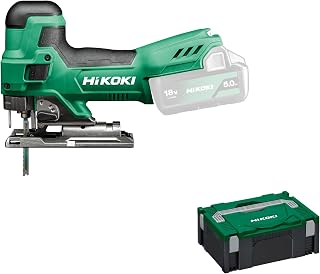


Choosing an advanced Metabo jigsaw is less about finding the tool with the highest headline specification and more about matching cutting performance, control, ergonomics and accessories to the materials and work you actually undertake. For Australian buyers, the right choice can vary considerably between occasional DIY work, cabinetmaking, renovation projects, workshop fabrication and demanding professional use.
Metabo jigsaws are designed around controlled, reciprocating blade movement, making them particularly useful when a project requires curved cuts, internal cut-outs, notches, bevels or accurate shaping that is difficult to achieve with a circular saw. When comparing models, look beyond motor power alone. Blade guidance, stroke characteristics, variable-speed control, orbital action, vibration management, dust extraction and the quality of the baseplate can have a substantial effect on the finished cut.
The motor determines how effectively a jigsaw maintains cutting performance when the blade encounters resistance. Higher power can be useful when working with thicker timber or demanding materials, but power should not be considered independently from blade quality, speed control and mechanical design.
When comparing Metabo models, examine the manufacturer's stated maximum cutting capacities for timber, metal and other supported materials. These figures are more useful than attempting to compare wattage between different designs. A jigsaw intended primarily for fine woodworking may prioritise controllability and low vibration, while a heavier-duty model may place greater emphasis on sustained cutting performance.
Variable-speed operation is one of the most important features for an advanced jigsaw because different materials respond differently to blade speed. Timber generally permits faster cutting, while certain plastics and metals may require more careful speed selection to reduce heat, blade wear or material damage.
A useful jigsaw should allow the operator to reduce speed when approaching corners, starting delicate cuts or working with heat-sensitive materials. Electronic speed regulation can also help maintain a more consistent cutting rate as resistance changes.
Orbital action changes the movement of the blade so that it travels through the workpiece with an additional forward component. This can improve cutting speed in suitable materials, although aggressive orbital settings can produce a rougher cut.
For an Australian workshop that handles both structural timber and finish-sensitive sheet goods, multiple orbital settings are generally more useful than a single fixed setting. Lower settings are better suited to controlled, cleaner work, while stronger settings can be useful when rapid material removal is the priority.
A jigsaw's ability to follow the intended cutting line depends on more than the operator. Blade support, guide geometry, shoe stability and the rigidity of the tool all contribute to accuracy.
For furniture, cabinetry and visible joinery, look closely at the design around the blade. Excessive blade deflection can cause the top of a workpiece to appear accurate while the lower portion of the cut moves away from the intended line. This becomes increasingly important when cutting thick boards or following tight curves.
Low vibration is particularly valuable during extended cutting sessions. Excessive vibration can make it harder to maintain a straight line, increase operator fatigue and make delicate curves more difficult to control.
Ergonomic considerations should therefore be treated as performance factors rather than cosmetic features. Examine the handle shape, switch placement, balance, trigger or speed-control arrangement and the amount of movement transmitted through the housing.
Even an advanced jigsaw can deliver poor results when fitted with an unsuitable blade. Blade geometry, tooth configuration, material construction and tooth density should be matched to the workpiece.
Wood-cutting blades are available in configurations intended for different combinations of speed and finish quality. Coarser teeth can remove material quickly, while finer teeth generally provide better control when the appearance of the cut edge matters.
Metal requires a different cutting approach from timber. Fine-tooth blades are commonly appropriate for many metal-cutting applications, but the exact blade should be selected according to the material and thickness specified by the blade manufacturer.
Do not use a wood blade simply because it physically fits the tool. An unsuitable blade can overheat, wear rapidly and produce an uncontrolled cut.
When working with cabinetry panels, decorative boards or other materials where edge appearance matters, blade selection becomes particularly important. Some blades are engineered to reduce chipping on specific materials or cutting directions.
It is also worth considering which face of the material will be visible. Depending on blade configuration, tooth direction and the construction of the workpiece, the cleaner edge may appear on one side of the material. Test cuts on scrap material can prevent an otherwise avoidable finishing problem.
For solid timber, select a blade appropriate for the wood species, thickness and desired finish. Allow the blade to do the cutting instead of forcing the tool through the material. Excessive pressure can increase blade deflection and make curved cuts less predictable.
Plywood and engineered sheet products can require more attention to splintering than solid timber. A fine, appropriate blade and controlled feed rate can help improve the appearance of the cut. Support the sheet close to the cutting line where practical, while ensuring the blade has sufficient clearance beneath the workpiece.
MDF can generate significant fine dust during cutting. Dust extraction is therefore especially useful when the work environment and tool configuration support it. Use appropriate respiratory and workshop controls for the material being cut and follow the safety recommendations supplied with both the power tool and material.
Plastic can behave very differently depending on its composition and thickness. Excessive cutting speed can create heat and potentially affect the cut edge. Start with a conservative setting and test on offcuts before committing to the finished component.
Metal cutting requires an appropriate blade, secure workholding and controlled feed pressure. Thin metal can move or vibrate if it is not adequately supported. Follow the blade manufacturer's instructions concerning compatible metals, thickness and operating conditions.
Dust management should be part of the buying decision, particularly for Australian workshops where the same jigsaw may be used indoors, in a garage or around finished surfaces. A compatible extraction arrangement can reduce airborne dust and improve visibility around the cutting line.
Before buying, check the exact dust-extraction interface and determine whether your existing workshop vacuum or extraction system is compatible. Accessories and adapters should be considered part of the total ownership requirements rather than an afterthought.
A corded model can be attractive for a permanent workshop because it avoids battery charging and provides continuous access to mains power. It can be particularly practical when multiple long cutting sessions are expected at a fixed workbench.
Cordless operation can provide greater freedom when cutting on renovation sites, outdoors or away from convenient power outlets. It also eliminates the power cable as a potential obstruction around the workpiece.
For buyers already invested in a compatible Metabo battery platform, purchasing a bare tool can be worth considering. However, always check exactly what is included in the package. A tool-only configuration may not include batteries, a charger, case or additional accessories.
Battery compatibility can materially affect the real cost of a cordless jigsaw. Before comparing prices, determine whether the advertised package includes a battery and charger and whether those components are compatible with the batteries already in your workshop.
Australian buyers should also consider how frequently the tool will be transported between locations. A cordless jigsaw can reduce setup time in mobile applications, whereas a corded tool may be preferable when the work is concentrated around a permanent bench.
Two jigsaws with similar cutting specifications can feel very different in practical use. If possible, handle the tool before purchasing or carefully evaluate its dimensions and control layout.
Some projects require more than a perpendicular cut. Bevel capability allows the blade to cut at an angle, which can be useful for joinery, trim work, decorative components and certain installation tasks.
When evaluating bevel adjustment, check how the shoe is locked, how easily the angle can be changed and whether the adjustment mechanism provides a repeatable setting. A mechanism that is easy to adjust but difficult to secure accurately can become frustrating during repetitive work.
Curved cutting is one of the areas where a jigsaw can outperform many conventional saws. However, tight curves place greater demands on the blade and operator technique.
For a tight radius, choose a blade intended for curved cutting and avoid forcing a wide blade around a curve that is too tight for its geometry. Let the tool progress gradually through the curve. Turning the tool too aggressively can cause the blade to twist, increasing the chance of an inaccurate or uneven cut.
For repeated shapes, create a durable template and use consistent marking and workholding methods. The jigsaw should be treated as the cutting tool within a broader accuracy process rather than the sole source of precision.
A jigsaw is not normally the first choice when producing long, perfectly straight cuts, but it can perform useful straight-cut work when combined with a suitable guide.
Internal cut-outs are another important jigsaw application, particularly for sinks, vents, electrical openings and shaped panels. The safest method depends on the material and the specific cutting technique supported by the tool and blade.
For many applications, drilling a starter hole large enough to accommodate the blade is preferable to attempting an unsupported plunge cut. If a plunge technique is used, it should only be performed when the tool, blade, material and operator technique are suitable for that method.
A larger motor specification does not automatically produce a more useful jigsaw. Cutting quality depends on the interaction between motor performance, blade movement, guidance, speed control, workholding and blade selection.
A tool is only as versatile as the blades and accessories that can be used with it. Before buying, check the blade system and make sure suitable replacement and specialist blades are readily obtainable through Australian retailers.
Maximum cutting depth can look impressive in a specification table, but it should not determine the purchase if most of your work involves thin panels and small components. A lighter, more controllable model may be more appropriate for detailed work.
For cordless tools, always distinguish between a bare tool and a complete kit. The lowest advertised price may represent only the machine itself.
A jigsaw that is uncomfortable to hold can become difficult to control during longer sessions. Consider weight, grip, balance and vibration alongside technical specifications.
There is no universal blade that delivers the best result across every timber, sheet product, plastic and metal application. Budget for an appropriate blade selection when evaluating the overall purchase.
Metabo is not the only established manufacturer worth considering. Depending on the application and existing tools, Australian buyers may also compare Metabo with brands such as Bosch, Makita, DeWalt, Milwaukee and Festool.
When comparing Metabo and Bosch jigsaws, focus on the specific model rather than assuming one brand is universally better. Compare speed control, orbital settings, cutting capacities, blade system, ergonomics, dust extraction and the accessories included in the package.
Makita is particularly relevant to buyers already using its cordless platform. A direct comparison should account for battery compatibility, tool weight, cutting specifications, control layout and the total cost of entering or remaining within the relevant battery ecosystem.
For professional users, compare the complete tool ecosystem rather than the jigsaw in isolation. Battery compatibility, chargers, existing batteries, cases and other compatible equipment can have a meaningful effect on the practical value of a cordless purchase.
Milwaukee is another significant option for buyers already invested in a cordless professional-tool platform. Examine the precise specifications of the competing models, particularly cutting performance, control features, battery configuration and ergonomics.
Festool is worth considering when precision woodworking and integrated workshop systems are central to the buying decision. Rather than comparing brand reputation alone, evaluate the specific cutting requirements, extraction setup, accessories and total system cost.
When reviewing a shortlist of ten Metabo jigsaws or configurations, use a consistent comparison framework. This prevents a highly specified model from automatically appearing superior when another option may be better suited to your actual workload.
An advanced Metabo jigsaw can make sense for users who regularly need controlled curved cuts, internal openings, bevel cuts or versatile sheet-material work. It is particularly relevant when a basic entry-level jigsaw no longer provides the control, ergonomics or material capability required by the user.
For occasional DIY users, however, buying the most sophisticated model available may not be necessary. A simpler model with suitable speed control, adequate capacity and dependable blade compatibility can be a better match when usage is infrequent.
Routine maintenance can help preserve cutting performance and reduce avoidable wear. Always follow the maintenance instructions supplied with the exact Metabo model because construction and service requirements can differ.
Read the operating instructions for the exact tool and blade before use. Secure the workpiece, keep hands away from the blade path and use appropriate eye and hearing protection for the task. Dust generated by cutting should be controlled using suitable extraction and personal protective equipment where required by the material and working environment.
Before changing blades, making adjustments or carrying out maintenance, follow the manufacturer's instructions for isolating the tool from its power source. Do not bypass guards, safety mechanisms or other protective features.
Clean results usually come from combining the correct blade with good workholding and controlled feed pressure. Start with a test cut whenever the material, blade or finish requirement is unfamiliar.
Australian shoppers should confirm the exact model number and configuration before placing an order because seemingly similar listings can represent different kits or regional specifications. Check whether the package contains the tool, battery, charger, carrying case, blades or other accessories.
It is also sensible to compare specifications from the manufacturer's documentation with the information shown by the retailer. If two listings describe the same product differently, use the exact model designation as the primary reference point rather than relying on a product title alone.
The cheapest listing is not necessarily the best value. A lower-priced bare cordless tool can become more expensive if you need to purchase a battery, charger and accessories separately. Conversely, a complete kit may offer components you already own, making the additional items less valuable to you.
Compare the complete configuration rather than headline price alone. Consider tool specification, included accessories, battery capacity where applicable, blade requirements and compatibility with equipment already in your workshop.
Specification tables can contain a large amount of information, but not every figure has equal importance. Start with the specifications directly related to your application.
The best advanced Metabo jigsaw for an Australian buyer is the model that fits the intended workload rather than simply the model with the most impressive specification sheet. For precision woodworking, prioritise control, blade guidance, vibration management and suitable fine-cut blades. For renovation and mobile work, cordless convenience and battery compatibility may be more important. For demanding mixed-material applications, examine cutting capacity, speed adjustment, orbital control and the availability of appropriate blades.
Before purchasing, compare the exact model number, manufacturer specifications, included accessories and current retailer information. Read verified customer feedback for recurring practical issues, but distinguish individual experiences from manufacturer-confirmed specifications. Also check the total cost of ownership, particularly for cordless configurations where batteries, chargers and additional accessories may change the overall value.
There is no single best model for every Australian buyer. The appropriate choice depends on material, cutting depth, frequency of use, required precision, power source and existing tools. Compare the exact specifications of the shortlisted models against your actual projects rather than selecting solely by price or model ranking.
Metabo produces power tools intended for demanding applications, but suitability for professional work should be assessed at the individual model level. Consider the exact cutting capacity, ergonomics, durability requirements, accessories, battery platform and expected workload.
Models and blades differ, so check the manufacturer's specifications for the exact jigsaw and use a blade specifically designed for the metal and thickness involved. Never assume that a timber blade is suitable for metal simply because it fits the tool.
Some models are designed for substantial cutting capacities, but the manufacturer's stated maximum should be treated as the reference point. Blade selection, timber species, cutting direction and desired finish can all affect practical performance.
A cordless model can be particularly useful when mobility matters or when you already own compatible batteries. If the tool will remain at a workshop bench and be used for long sessions, a corded configuration may be more convenient.
Choose blades according to the material, thickness and desired finish. A practical selection may include appropriate timber blades for fast and fine cutting, specialised blades for sheet products and suitable fine-tooth metal blades if metal cutting is required.
Blade life depends on the material, blade type, workload and cutting technique. Replace a blade when it becomes damaged, excessively worn, difficult to control or produces an unexpectedly poor cut despite appropriate settings and workholding.
Orbital action can increase cutting aggressiveness in suitable applications, but it is not automatically better for every cut. Stronger orbital settings can trade some finish quality for faster material removal, so select the setting according to the job.
Compare the specific tools rather than relying on brand reputation alone. Metabo, Bosch, Makita, DeWalt, Milwaukee and Festool all have different tool ranges and ecosystem considerations. Existing batteries, preferred accessories, cutting requirements and ergonomics can be more important than the badge on the housing.
Not necessarily. Accuracy depends on tool design, blade selection, workholding and operator technique. A more expensive model may offer additional control or convenience, but those features only create value when they address the requirements of your projects.
Check the exact model number, power source, cutting capacities, speed and orbital controls, included accessories, battery and charger configuration, warranty information supplied by the retailer or manufacturer, and the availability of compatible blades. Compare the complete package rather than the advertised starting price.
For an independent Australian buying decision, the strongest approach is to shortlist the Metabo jigsaws that match your material and workload first, then compare their technical specifications, included equipment and current retailer information. This produces a more useful result than selecting a tool simply because it occupies the top position in a generic ranking.