

♥ Wishlist
Compare 44 Milwaukee Sanders products in Australia. Reviews, ratings, pros, cons and buying advice updated for October 2026.


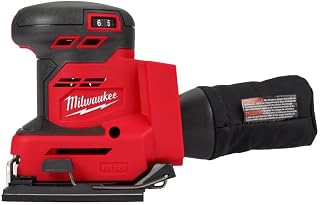


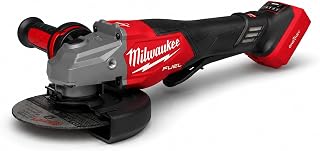


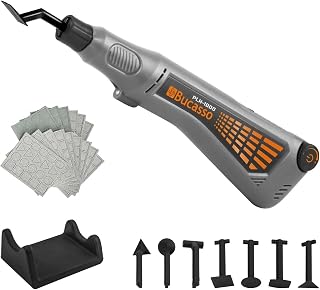


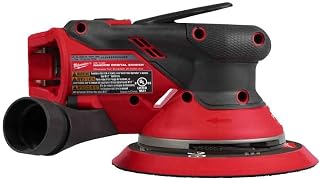


Choosing an advanced Milwaukee sander is less about selecting the most powerful-looking tool and more about matching the sanding system to the material, finish standard, working environment and frequency of use. Milwaukee's cordless platform is particularly relevant to Australian tradespeople and serious DIY users who value mobility, shared batteries and a workshop that can operate without a permanent power lead.
For 2026 buying decisions, compare the complete sanding solution rather than the tool alone. The sander, battery, charger, abrasive discs or sheets, dust collection arrangement and replacement consumables all influence the practical cost of ownership. A model that appears inexpensive at first can become less attractive if it requires accessories that are difficult or expensive to source locally.
An advanced sander should provide more than basic material removal. For demanding woodworking, renovation, automotive preparation, cabinetry or finishing work, useful characteristics include controlled sanding action, consistent surface results, manageable vibration, good ergonomics, effective dust management and dependable cordless operation.
Milwaukee's M18 and M12 ecosystems can also influence the buying decision. If you already own compatible Milwaukee batteries, a bare-tool purchase may make more practical sense than starting a completely new battery platform. If you do not own the platform, compare the total kit cost against competing cordless systems from brands such as Makita, Bosch and DeWalt.
Different sanding mechanisms produce different working characteristics. Understanding the distinction is more useful than choosing solely by brand or advertised power.
Random orbital sanders are versatile choices for many woodworking and finishing applications. Their combined orbital and rotational movement helps remove material while reducing the risk of creating obvious repetitive sanding patterns when the tool is used correctly.
A random orbital model can be a strong all-round choice for preparing timber, smoothing previously coated surfaces and refining surfaces before painting or finishing. The appropriate abrasive grade remains important because an aggressive disc can remove material quickly but may leave scratches that require additional sanding.
Detail sanding requires a different approach from broad surface sanding. Compact sanding tools can be more useful around corners, edges, profiles and restricted areas where a conventional round sanding pad is awkward.
For restoration and renovation projects, consider whether the shape of the sanding pad allows you to reach the areas you actually need to work on. A smaller tool may remove material more slowly across large panels but can save substantial time when working around intricate profiles or tight spaces.
Orbital and specialty sanding tools are suited to particular workflows and should be evaluated according to their intended application. When comparing models, pay attention to the sanding action, abrasive format, surface area and control system rather than assuming that a higher specification automatically means a better finish.
One of the most important considerations when purchasing a cordless Milwaukee sander is the battery. Runtime is affected by sanding pressure, abrasive condition, material hardness, tool settings, dust extraction and the battery capacity being used.
For occasional household work, a compact compatible battery can offer a convenient balance between portability and runtime. For continuous workshop or trade use, keeping multiple charged batteries available can be more practical than relying on one high-capacity pack.
Sanding creates fine particulate matter, and dust control should be considered before purchasing an advanced sander rather than treated as an optional extra. Efficient extraction can improve visibility of the work surface, reduce airborne dust and make cleanup easier.
When comparing a Milwaukee sander, examine how its dust collection arrangement works with the vacuum or extraction equipment used in your workshop. Compatibility between the sander, hose, adapter and dust extractor can make a meaningful difference to day-to-day convenience.
The sander cannot compensate for an unsuitable abrasive. Abrasive selection influences cutting speed, surface quality, heat generation and the amount of time required to complete a project.
Coarser abrasives are generally used for heavier material removal, while progressively finer abrasives are used to refine the surface. The correct sequence depends on the material and desired finish. Jumping directly from a very coarse abrasive to a very fine abrasive can leave deeper scratches that take additional work to remove.
Variable-speed control can provide greater flexibility than a single operating speed, particularly when working with different materials or when surface control is more important than maximum stock removal.
Higher speeds can be useful in some material-removal situations, while a more controlled setting may be preferable when working on delicate surfaces or heat-sensitive finishes. The correct setting depends on the abrasive, material and application, so avoid treating maximum speed as the default setting for every job.
Sanding is repetitive work, making ergonomics particularly important for tradespeople and workshop users. A tool that feels comfortable for five minutes may feel very different after a prolonged session.
Look at the position of the main grip, secondary grip options, trigger or switch placement and overall balance. Battery position can influence how the tool sits in the hand. A compact battery may improve manoeuvrability, while a larger battery can change the centre of gravity and add weight.
Vibration should also be considered. Excessive vibration can make precise control more difficult and can contribute to fatigue during repeated sanding. Whenever possible, compare the physical design of competing models rather than evaluating performance specifications in isolation.
The M18 and M12 ecosystems serve different tool-size and power requirements. The best choice depends on the type of sanding rather than simply selecting the larger platform.
Rather than selecting a model simply because it appears near the top of a product list, build a shortlist based on your actual application. The following comparison framework can help distinguish a general-purpose option from a specialist tool.
Milwaukee should not be evaluated in isolation. Australian buyers can also encounter strong cordless and corded alternatives from Makita, Bosch, DeWalt and Festool. The most appropriate choice depends on the tool ecosystem, application and budget rather than brand recognition alone.
Compare the complete cordless ecosystems if you are choosing between Milwaukee and Makita. Battery compatibility across your existing tools can be more valuable than a small difference in individual-tool specifications.
Bosch offers a broad range of professional and consumer power tools, making it worth comparing when your workshop already uses Bosch batteries or accessories. Examine sanding format, dust extraction, ergonomics and the total cost of building the required system.
DeWalt is another major cordless competitor. For a fair comparison, place equivalent sander types side by side and compare the complete package: tool, batteries, charger, abrasive compatibility, extraction setup and ongoing consumables.
Festool is particularly relevant when finish quality, dust extraction integration and specialist woodworking workflows are central to the purchase. The comparison should focus on the entire sanding system rather than tool power alone.
Maximum output is not automatically an advantage. If the main requirement is controlled finishing, a tool optimised for aggressive material removal may not be the most suitable choice.
A bare tool can look attractive when compared with a complete kit, but new cordless users need to include the cost of compatible batteries and charging equipment.
Before purchasing, confirm the required abrasive shape, size and attachment method. A tool that does not match the abrasives you routinely use can create unnecessary inconvenience.
A sander without a suitable extraction strategy can create a significantly less pleasant working environment. Check extraction compatibility before committing to a model.
Different stages of sanding usually require different abrasive characteristics. Using an unnecessarily coarse abrasive for finishing can introduce scratches, while using an excessively fine abrasive for heavy preparation can make the job inefficient.
Weight becomes increasingly important during overhead work, vertical sanding and prolonged surface preparation. Consider the tool and battery together rather than judging the tool body alone.
For timber, the sanding sequence should reflect the condition of the surface and the final finish. New timber, previously finished timber and repaired areas can require different approaches. Avoid excessive pressure because it can accelerate abrasive wear and make surface control more difficult.
When sanding paint, determine whether the goal is complete coating removal, surface preparation or simply smoothing imperfections. Dust control becomes particularly important, and users should take appropriate precautions when dealing with older coatings whose composition is unknown.
Metal sanding requires abrasives specifically appropriate for the material and application. Heat, sparks and debris should be considered when planning the work area. Use suitable protective equipment and follow the tool and abrasive manufacturer's safety instructions.
Automotive work often demands controlled surface preparation rather than simply maximum material removal. Abrasive selection, dust extraction, panel condition and the desired coating system should all influence the sanding process.
Restoration projects can involve multiple materials and irregular surfaces. A versatile random orbital sander may handle broad areas while a compact detail solution can address corners, edges and profiles. Matching the tool to each stage is generally more effective than expecting one sander to perform every task.
Regular maintenance can help preserve performance and reduce avoidable wear. Always follow the manufacturer's instructions for cleaning, inspection, battery handling and service.
A cordless design removes the trailing power cable but does not remove the normal hazards associated with sanding. Fine dust, flying particles, rotating components, noise and damaged abrasives can all create risks.
Australian shoppers may encounter a Milwaukee sander as a tool-only purchase or as part of a kit. These configurations should be compared carefully because the cheapest advertised price does not necessarily represent the lowest overall cost.
A tool-only purchase can make sense for an existing Milwaukee user with suitable batteries and a charger. A complete kit can be more appropriate for someone entering the battery platform for the first time. When comparing deals, check exactly what is included rather than comparing headline prices alone.
Customer ratings can be useful, but the number alone should not determine a purchase. Read reviews for details about the specific application, battery configuration, sanding performance, ergonomics, dust management and long-term ownership.
Give greater weight to reviews that explain what material was sanded and what type of work was performed. A user sanding furniture occasionally may have very different expectations from a cabinetmaker, builder, renovator or automotive professional.
An advanced Milwaukee sanding solution can be particularly attractive to users already invested in Milwaukee cordless tools, tradespeople who value cordless mobility, and serious DIY users who want one battery ecosystem across several tools.
It may be less compelling for someone who sands only occasionally and already owns a suitable corded sander, or for a workshop where a dedicated dust-extraction system and specialist finishing equipment are more important than cordless portability.
Milwaukee is not automatically the right answer for every buyer. Consider alternatives when another brand offers a sanding format better suited to your application, when your existing battery ecosystem belongs to another manufacturer, or when a specialist dust-extraction and finishing system is a higher priority than cordless compatibility.
Makita, Bosch, DeWalt and Festool can all be relevant comparison points depending on the type of sanding and the equipment already present in your workshop.
Australian buyers should verify the exact model configuration, included accessories, retailer terms and current price before purchasing. Product bundles can differ between markets, and an international product description does not necessarily mean that the same configuration is supplied locally.
Check the product identification information carefully, particularly when comparing marketplace listings. It is also sensible to confirm that batteries, chargers and accessories are intended for the relevant Australian market and are compatible with the tool configuration being purchased.
The best Milwaukee sander depends on the application. A versatile random orbital model can be appropriate for broad woodworking and finishing tasks, while a detail-oriented tool can be more suitable for corners, profiles and restricted areas. The right choice depends on the surface, abrasive requirements, working duration and existing battery ecosystem.
They can be suitable for professional workflows when the selected model matches the application and the user has an appropriate battery and extraction strategy. Professional suitability should be judged by the complete workflow rather than by the brand name alone.
Not necessarily. M18 can be attractive for users who need sustained cordless performance and already use M18 equipment, while a smaller platform may be preferable for compact or detail-oriented work. Application and ergonomics should determine the decision.
It depends on the tool and application, but effective dust extraction is highly valuable for sanding. It can improve the working environment and help keep the surface clearer during sanding. Check the specific sander's extraction arrangements and compatibility before buying accessories.
No. The abrasive must match the sander's pad size, attachment method and configuration. Some sanding applications also require specific abrasive characteristics. Always confirm compatibility before purchasing replacement discs or sheets.
Buy a bare tool when you already have compatible batteries and charging equipment and the configuration meets your needs. A kit may provide better overall value for a new user who would otherwise need to purchase the battery and charger separately.
Milwaukee offers sanding solutions that can be relevant to woodworking, particularly where cordless mobility is useful. The correct model should be selected according to the required sanding action, surface size, finish standard, dust collection and abrasive system.
There is no single runtime that applies to every sanding situation. Runtime varies with battery capacity, sanding pressure, material, abrasive condition, operating settings and workload. For frequent professional use, having multiple compatible batteries can provide a more practical workflow than relying on a single pack.
Focus on sanding action, speed control, ergonomics, vibration, dust management, battery compatibility, abrasive availability, maintenance requirements and the quality of the surface you need to produce. These factors are generally more useful than selecting a tool based solely on headline power.
Before choosing from the advanced Milwaukee sander options available in Australia, use this checklist to narrow the selection:
A useful buying guide should not treat every sander as interchangeable. The most meaningful comparison considers what each tool is designed to do, how it fits into an existing workshop, what consumables it requires and how well its characteristics match the user's workload.
For Australian shoppers comparing Milwaukee sanding solutions in 2026, the strongest shortlist is therefore the one that balances sanding performance, surface control, ergonomics, dust management, battery compatibility, accessory availability and total ownership cost. Checking current specifications and retailer information immediately before purchase is also important because product configurations, pricing and availability can change.
The best advanced Milwaukee sander is not simply the model with the longest feature list. It is the model whose sanding action, pad format, ergonomics, battery system, extraction compatibility and abrasive requirements align with the work you actually perform. Start with the application, narrow the choices by sanding type, then compare the complete ownership package before making a purchase.