

♥ Wishlist
Compare 8 Powertool Kits for Australian DIY & Trade Projects products in Australia. Reviews, ratings, pros, cons and buying advice updated for October 2026.
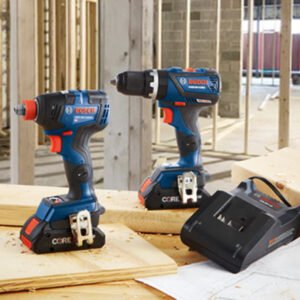
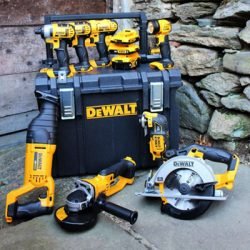


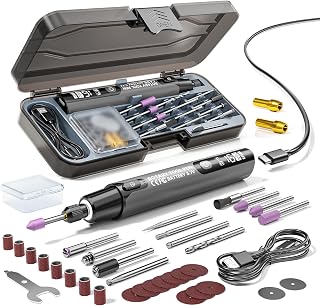


Choosing an advanced powertool kit is less about finding the kit with the largest number of pieces and more about selecting a coordinated tool system that matches the work you actually perform. For Australian homeowners, renovators, tradespeople and serious DIY users, a well-chosen kit can provide drills, impact drivers, saws, grinders, batteries and chargers that share a common platform.
When comparing advanced powertool kits in 2026, look beyond headline tool counts. Battery compatibility, voltage platform, brushless motor technology, torque, speed control, ergonomics, included accessories, charging arrangements, tool-only expansion options and the availability of replacement batteries can have a much greater effect on long-term value.
This independent buying guide explains the most important specifications and purchasing considerations so you can compare options from established brands such as Bosch, Makita, DeWalt, Milwaukee, Ryobi, Metabo, Hikoki and other recognised manufacturers without relying solely on marketing claims.
An advanced powertool kit typically combines several professional or higher-specification cordless tools around a shared battery platform. The exact contents vary considerably, so two kits with similar prices or tool counts can be intended for completely different users.
A comprehensive kit might contain a drill driver, impact driver, circular saw, reciprocating saw, angle grinder, oscillating multi-tool, work light, batteries and charger. Other packages may focus on a smaller group of high-performance tools and provide larger-capacity batteries instead.
The best configuration depends on whether you are carrying out general home maintenance, woodworking, construction, electrical installation, automotive work, renovation or frequent outdoor projects.
One of the most important decisions is choosing the battery ecosystem before choosing the individual tools. Cordless tools are increasingly sold as part of extensive platforms in which one battery family can power dozens or hundreds of compatible products.
A kit may appear inexpensive when judged by the number of tools alone, but its long-term value can be weaker if replacement batteries are expensive, additional compatible tools are difficult to find, or the platform does not contain the specialist equipment you may eventually need.
Voltage should not be used as the only measure of performance. Higher voltage platforms can support demanding applications, but actual performance also depends on motor design, electronic controls, gearing, battery technology, tool design and the specific workload.
For example, a compact drill intended for cabinetry has very different requirements from a high-torque drill used with large-diameter bits. Similarly, a compact grinder may prioritise low weight and manoeuvrability, while a heavier-duty model may prioritise sustained performance and larger cutting capacity.
Brushless motors are a major feature across modern advanced cordless tools. Instead of relying on physical brushes to transfer electrical current to the motor, brushless designs use electronic control.
For many users, the practical advantages can include efficient power delivery, reduced mechanical wear associated with brushes, and the ability to build sophisticated electronic controls into the tool. However, brushless does not automatically mean that every model is the right choice. Tool design, battery compatibility, ergonomics and intended application remain important.
Many advanced kits include both a drill driver and an impact driver because the tools perform different jobs.
A drill driver is the more versatile choice for drilling holes and driving screws where controlled speed and clutch settings are useful. An impact driver is designed primarily for fastening and can provide strong rotational impact for applications involving longer screws and heavier fasteners.
A circular saw can make an advanced kit considerably more useful for construction, renovation and woodworking. However, blade diameter alone does not determine how suitable a saw will be.
Compare maximum cutting depth at relevant angles, blade size, bevel range, spindle or arbor specification, guard design, base construction and visibility of the cutting line. If you frequently work with sheet material, consider how easily the saw can be controlled along a straight cut and whether compatible blades are readily available.
Reciprocating saws are particularly useful when speed and versatility matter more than producing a highly refined finish. They can be valuable for renovation, demolition, cutting timber and certain metal-cutting applications when fitted with the correct blade.
Compare stroke length, strokes per minute, trigger control, blade-change mechanism, shoe adjustment and vibration management. A tool that produces high speed but is uncomfortable to control may not be the best choice for prolonged work.
An angle grinder can be one of the most versatile tools in a larger kit, but it also demands careful attention to operating procedures and compatible accessories. Depending on the model and accessory, grinders can be used for cutting, grinding, surface preparation and other suitable tasks.
When comparing grinders, examine disc diameter, no-load speed, electronic controls, restart protection where specified, overload protection, guard adjustment and auxiliary handle positions. Always use accessories that are correctly rated for the tool and application.
An oscillating multi-tool can add substantial versatility to an otherwise conventional kit. It can be useful for plunge cuts, flush cuts, trimming, scraping and detail work when the appropriate accessory is fitted.
For an advanced kit, look for variable speed, quick accessory changes, comfortable grip geometry and compatibility with commonly available accessory systems. The ability to select the correct accessory for wood, metal, grout, adhesive or other materials is often more important than the tool's headline speed.
Battery capacity is commonly expressed in ampere-hours, or Ah. In simple terms, a higher Ah rating generally represents a larger energy capacity within the same battery platform, although actual runtime varies with the tool, workload, operating conditions and battery technology.
A compact battery can make a drill or impact driver easier to handle, particularly during overhead work. Larger batteries can be useful for demanding tools such as grinders and saws where additional runtime may be more important than minimum weight.
Do not assume that the largest available battery is always the best option. Adding battery weight can change the balance and handling of compact tools.
Runtime cannot be accurately judged from Ah capacity alone. Drilling small pilot holes consumes substantially different energy from continuous grinding or repeated cutting through dense material.
When comparing products, use manufacturer specifications where available and consider the type of workload described for the tool. Look for compatible battery capacities and charging options rather than relying on a single advertised runtime figure.
The charger included with a kit can affect how practical the entire platform is. A kit intended for intensive use may benefit from faster charging capabilities, while occasional users may place greater value on having additional batteries rather than a more sophisticated charger.
Before buying, check exactly what is included. Some kits contain one battery and one charger, while others may include multiple batteries. Tool-only packages may contain no battery or charger at all.
A common buying mistake is choosing the kit with the highest number of tools without considering whether those tools will actually be used. An impressive-looking bundle can contain several low-priority accessories while omitting a tool that you will need regularly.
For example, someone renovating a house may gain more practical value from a drill, impact driver, circular saw, reciprocating saw and grinder than from a much larger collection built around occasional-use tools.
Professional users often prioritise durability, ergonomics, battery availability, serviceability and consistent performance because tools may be used repeatedly throughout the working week. Serious DIY users may place greater emphasis on versatility, total ownership cost and having the right tools for renovation or maintenance projects.
Brands such as Milwaukee, DeWalt, Makita, Bosch, Hikoki, Metabo and Ryobi cover different parts of the cordless-tool market and offer multiple battery systems. Comparing individual model specifications is therefore more useful than assuming one brand or platform is automatically best for every user.
Established manufacturers can provide a useful starting point when researching advanced cordless systems, but brand recognition should not replace model-level comparison.
Australian buyers should check the exact model configuration intended for the Australian market rather than assuming that specifications from another country apply to the local package. Kit contents, model numbers, included batteries and electrical accessories can differ between markets.
Pay particular attention to Australian-compatible charging equipment, product documentation, retailer terms, warranty conditions and the availability of replacement batteries and accessories. When comparing listings, confirm the precise model number rather than relying only on product photographs.
Corded equipment and mains-powered chargers should be appropriate for the Australian electrical environment. For cordless kits, verify the charger supplied with the Australian-market package and check the manufacturer's documentation for compatibility.
Product photography can make different kits appear similar, so a specification-first approach is useful. Start with the exact model numbers and compare each included tool individually.
Torque is particularly important for drills and impact drivers. Higher published torque can indicate greater fastening capability, but application, speed setting, gearbox design and electronic controls also affect practical performance.
Revolutions per minute indicate rotational speed. High speed can be useful for certain drilling or cutting applications, while lower controlled speeds may be preferable for others.
Impact rate describes how frequently an impact mechanism operates. It should be evaluated alongside torque and operating modes rather than considered in isolation.
For reciprocating saws, stroke length describes how far the blade travels during each cycle. Compare this specification alongside stroke rate, blade selection and the intended cutting application.
For circular saws, maximum cutting depth is one of the most useful specifications because it directly relates to the thickness of material the saw can cut under specified conditions.
Tool weight should ideally be considered with the battery installed. A bare-tool specification can make two products appear closer in weight than they actually feel during use.
Advanced tools are not useful if they are uncomfortable to control. Grip shape, trigger placement, battery position, centre of gravity and overall tool length can influence fatigue during repetitive work.
For overhead drilling, compact dimensions may matter more than maximum torque. For prolonged cutting, vibration management and balance can become major considerations. For confined spaces, a short tool head can be more valuable than additional power.
A good storage system can make a multi-tool kit significantly easier to manage. Compare whether the kit includes a case, bag or modular storage solution and consider how batteries, chargers and accessories will be organised.
If you expect the collection to grow, consider whether the storage approach can accommodate additional tools without creating a collection of incompatible cases and loose batteries.
The purchase price of a kit is only one part of the ownership equation. Saws require blades, grinders require appropriate discs, oscillating tools require accessories, and drills may require suitable bits and accessories for the materials being worked.
Before selecting a platform, check the availability and typical range of compatible consumables. A tool can be excellent on paper but less convenient if suitable accessories are difficult to source.
More tools do not necessarily mean better value. Focus on the tools you will actually use.
Buying isolated cordless tools from incompatible systems can eventually result in multiple chargers and battery families.
High-performance equipment can be unnecessary for light-duty work and may add weight, size or cost.
Two apparently similar kits can have very different practical value if their battery quantities and capacities differ.
Always establish whether a listed package includes batteries and a charger before comparing prices.
Small differences in model numbers can indicate different configurations, generations or market-specific packages.
The correct blades, bits, discs and other consumables are essential to using the tools safely and effectively.
A homeowner may benefit from a versatile combination centred around drilling, fastening, basic cutting and general maintenance. Compact tools and a manageable battery system can be more practical than a heavy professional-focused package.
Renovation work can involve many different materials and applications. A combination of drill, impact driver, circular saw, reciprocating saw and oscillating multi-tool can provide broad coverage, with a grinder added when appropriate.
Woodworkers should prioritise accurate drilling, cutting control, ergonomics and accessory compatibility. A circular saw, drill driver, impact driver and oscillating tool may be more relevant than demolition-focused equipment.
Frequent trade users should pay particular attention to battery ecosystem depth, durability, charging options, ergonomics, tool availability and the ability to purchase additional compatible tools as requirements change.
Automotive users may place greater emphasis on impact tools, compact equipment, lighting and batteries capable of supporting repeated fastening applications. Always match the tool and accessory to the manufacturer's intended use.
When two kits appear similar, use a structured comparison instead of relying on headline claims.
The cheapest kit is not necessarily the lowest-cost option over several years. A more useful assessment considers the initial package, future batteries, additional tools, consumables and accessories that you are likely to buy.
A platform that already contains the tools you expect to need can sometimes be more convenient than starting with a cheaper kit and replacing or supplementing several items later. Conversely, buying a large kit with tools you rarely use may waste money.
A kit generally makes the most sense when several included tools are already on your shopping list. Individual tool purchases can be preferable when you have highly specific requirements or already own compatible batteries and chargers.
Existing battery-platform owners should pay special attention to tool-only packages because purchasing another charger and battery may not be necessary. New users should calculate the complete starting cost, including batteries and charging equipment.
Think of a cordless platform as an expanding system rather than a single purchase. Before choosing an advanced powertool kit, consider which additional tools you might need later.
Performance specifications should never be separated from safe operation. Read the manufacturer's instructions for every tool and use the correct accessory for the intended application.
Regular maintenance can help keep a powertool collection organised and ready for use. Keep ventilation openings clear, inspect housings and switches for damage, and replace worn or damaged accessories rather than continuing to use them.
Batteries should be handled and stored according to the manufacturer's instructions. Avoid exposing battery packs to conditions outside their specified operating or storage limits. Chargers and battery contacts should also be kept clean and protected from damage.
Customer reviews can provide useful information, but they should be interpreted alongside specifications. Look for recurring comments about ergonomics, battery compatibility, balance, accessory fit, durability and ease of use rather than focusing on isolated comments.
Reviews are most useful when the reviewer appears to have used the product for a similar application. A homeowner performing occasional repairs may evaluate the same tool very differently from a professional using it continuously.
Before buying from an Australian retailer or marketplace listing, verify the exact package details. Product images may represent a family of products rather than the exact configuration being offered.
There is no single best kit for every Australian buyer. The right choice depends on the tools you need, your workload, preferred battery platform, budget, required battery capacity and whether you expect to expand the collection later.
Brushless tools can be an attractive choice for frequent users because of their electronic motor control and modern platform features. For occasional users, the overall package, ergonomics and price should still be considered rather than selecting a product solely because it is brushless.
No. A larger battery can provide greater capacity, but it can also increase weight. Compact batteries may be preferable for drills and other tools where handling is especially important.
Not necessarily. A smaller kit containing the tools you regularly use can provide better practical value than a larger package containing several rarely used products.
Battery systems are generally designed around specific platforms and should not be assumed to be interchangeable between brands or unrelated systems. Use batteries and chargers that the manufacturer identifies as compatible with the tool.
Voltage is an important platform specification, but it is not a complete measure of tool performance. Motor design, electronics, gearing, battery characteristics and tool construction all contribute to actual capability.
Check the exact model number, included tools, battery quantity, battery capacity, charger, storage solution and Australian-market configuration. Then compare those details with current manufacturer and retailer information.
They can be, particularly for users who value durability, ergonomics and a broad battery ecosystem. However, professional-grade equipment may provide capabilities that occasional DIY users do not need, so the extra cost and weight should be justified by the intended workload.
This buying guide is designed around the 2026 Australian market and should be checked against current product specifications, retailer listings, kit contents and pricing before purchase because product configurations and availability can change.
The strongest way to choose among advanced powertool kits is to start with your work rather than the marketing headline. Identify the five or six tools you are most likely to use, select a battery ecosystem that can support future needs, and then compare the specifications of the exact kits available in Australia.
Pay particular attention to battery capacity, brushless motor design, ergonomics, tool weight, cutting and fastening specifications, charger inclusion, accessory compatibility and the precise contents of each package. Brands including Makita, DeWalt, Milwaukee, Bosch, Ryobi, Hikoki and Metabo are useful starting points for comparison, but the individual model and kit configuration should determine the final decision.
Before purchasing, compare current Australian listings, verify the exact model number and package contents, read recent customer feedback relevant to your intended application, and check today's pricing. A well-matched battery platform and a carefully selected set of tools will generally be more useful over time than simply choosing the kit with the biggest number printed on the box.