

♥ Wishlist
Compare 4 Pressure Washers products in Australia. Reviews, ratings, pros, cons and buying advice updated for October 2026.
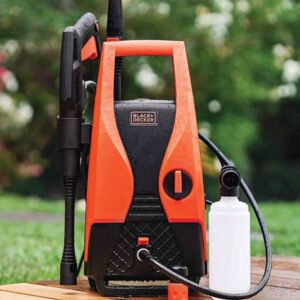
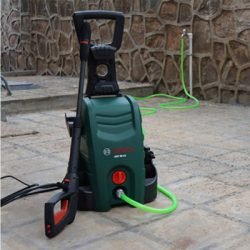
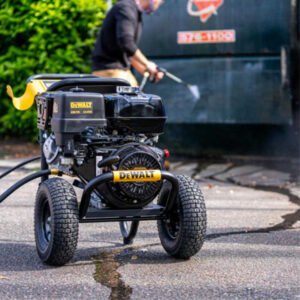
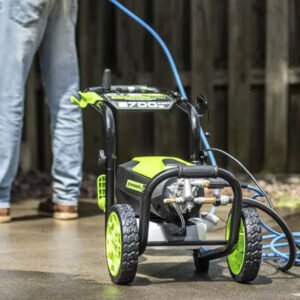
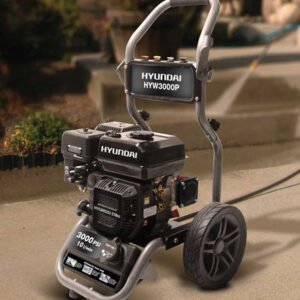
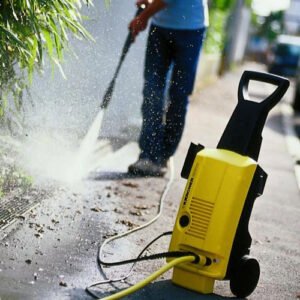
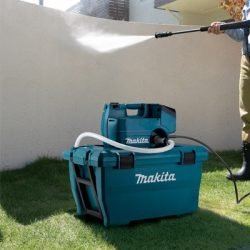
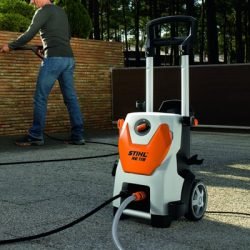


An advanced pressure washer is more than a machine that produces a strong stream of water. For Australian homes, workshops, vehicles, farms, patios and larger outdoor areas, the right choice depends on how pressure, water flow, motor design, hose length, accessories, portability and operating conditions work together. A machine with an impressive maximum pressure figure is not automatically the best option for every cleaning task.
When comparing pressure washers in 2026, look beyond headline specifications. Consider the combination of pressure and flow, the type of pump, the available cleaning accessories, the expected duty cycle, power requirements, water-source compatibility and the surfaces you intend to clean. Brands such as Kärcher, Bosch, Ryobi, Gerni, Nilfisk and STIHL offer products across different performance categories, but specifications can vary considerably between individual models.
Pressure is commonly expressed in bar or PSI, while water flow is generally stated in litres per hour (L/h) or litres per minute (L/min). These measurements describe different aspects of cleaning performance.
Maximum pressure is often the specification shoppers notice first, but maximum figures do not tell the entire story. Some manufacturers distinguish between maximum pressure and operating or rated pressure. When comparing two models, check that you are comparing equivalent measurements rather than selecting a machine solely because its advertised peak number is higher.
A maximum pressure figure may represent the highest pressure achievable under particular conditions rather than the pressure maintained during ordinary cleaning. For meaningful comparisons, examine the manufacturer's complete specification sheet and look for rated or working pressure, water flow and any stated operating limitations.
For light domestic cleaning, excessive pressure can also be counterproductive. Paint, soft timber, mortar joints, vehicle trim and delicate outdoor surfaces may be damaged if a high-pressure nozzle is used too close to the material.
The best advanced pressure washer depends heavily on the intended workload. A homeowner cleaning a car and occasional patio furniture has different requirements from someone maintaining a large property, workshop or agricultural area.
For vehicle cleaning, controllable pressure and appropriate accessories are generally more important than simply choosing the highest-powered machine. A pressure washer can make pre-rinsing, wheel cleaning and removal of loose road grime considerably easier, but the nozzle should be selected carefully to avoid damaging paint, decals, seals or sensitive trim.
A long hose, convenient trigger gun, adjustable spray pattern, foam or detergent attachment and easy storage can make a noticeable difference to everyday usability. A machine that is powerful but awkward to move or assemble may be less practical for routine vehicle washing.
Hard outdoor surfaces can tolerate considerably more aggressive cleaning than many painted or finished surfaces. For concrete, pavers and some masonry, a surface cleaner attachment can provide more uniform results than repeatedly sweeping a narrow high-pressure jet across the surface.
Before cleaning older concrete or pavers, inspect for cracks, loose joints and deteriorated sections. High-pressure water can remove more than dirt when the substrate or jointing material is already compromised.
Timber requires greater care. A concentrated jet can cut into soft wood, raise fibres or leave visible cleaning marks. Use a suitable spray pattern, maintain an appropriate working distance and avoid treating the pressure washer as though it were intended for concrete.
After cleaning, allow timber to dry appropriately before applying any coating or treatment recommended for the particular decking material.
Outdoor furniture, bins, fences and garden equipment may benefit from pressure washing, but the correct pressure and nozzle depend on the material. Plastic can often be cleaned effectively without aggressive pressure, while painted surfaces may require a gentler approach.
For many Australian residential users, an electric pressure washer offers a straightforward balance of convenience, noise, maintenance and performance. Petrol-powered machines can be more appropriate where higher-duty operation, mobility away from electrical outlets or particular commercial-style requirements take priority.
The pump is one of the most important components because it pressurises the incoming water. Pump construction and materials can influence durability, serviceability and suitability for different workloads.
Axial-cam pumps are common in consumer pressure washers. They can provide a compact design suitable for domestic applications, although the specifications and expected duty cycle vary significantly between machines.
Triplex plunger pumps are commonly associated with heavier-duty pressure washing equipment. Their design can be suitable for demanding applications, but the presence of a particular pump type should not be treated as a guarantee of overall product quality. The complete machine, pump construction, motor or engine, cooling system and manufacturer's stated operating requirements all matter.
When comparing models, check what materials are used for important pump components. Aluminium, brass, composite and other materials may appear in different designs. Rather than assuming one material is always superior, consider the manufacturer's intended use, service information and warranty terms for the exact model.
Performance specifications do not capture the full ownership experience. Hose management and machine ergonomics can have a major effect on how quickly a cleaning job can be completed.
The nozzle controls how the water is delivered to the surface. Different spray patterns are appropriate for different jobs, so a machine supplied with several useful nozzles can be more versatile than one with a higher headline pressure but limited accessories.
A wider fan pattern distributes water over a larger area and can be useful for general cleaning and surfaces that require more controlled treatment.
A narrower stream concentrates cleaning force over a smaller area. This can help with stubborn contamination but increases the potential for surface damage when used incorrectly.
Rotating jet attachments can provide aggressive cleaning action and may be useful on appropriate hard surfaces. They should be used cautiously on painted, soft or easily damaged materials.
Surface cleaners use enclosed rotating spray mechanisms to clean broad flat areas more consistently. They can help reduce visible striping compared with moving a narrow nozzle manually across large surfaces.
Water pressure alone is not always the most effective way to remove organic residue, oily contamination or ingrained grime. Detergent can help loosen certain contaminants before rinsing.
Check how the pressure washer introduces detergent. Some systems use an onboard tank, while others draw detergent through a dedicated attachment or suction system. Compatibility varies, so check the instructions for the exact machine and accessory.
For vehicles, a foam attachment can help distribute cleaning solution across the surface. However, thick foam should not be confused with superior cleaning performance. The formulation, dwell time, agitation and rinsing process all influence the result.
Select pressure according to the surfaces and tasks you expect to clean. More pressure is not automatically better, particularly around painted finishes, timber and delicate materials.
Compare flow alongside pressure. A machine with a balanced pressure-and-flow combination may be more useful for larger cleaning areas than a model selected solely on maximum pressure.
Consider how long you expect to operate the machine during a typical session. A product designed for occasional household use should not automatically be treated as a commercial-duty machine.
Electric motor construction, thermal protection and cooling arrangements can influence how an electric machine behaves under sustained use. Petrol models should be evaluated for engine type, starting system and maintenance requirements.
Look at the accessories supplied with the machine and the attachments available for the same platform. A pressure washer can become significantly more versatile when compatible surface cleaners, extension wands, brushes and vehicle-cleaning accessories are available.
A well-designed storage system can reduce setup time and help prevent hoses and electrical cables from becoming tangled or damaged.
Check the manufacturer's requirements for water supply, inlet connections and any restrictions concerning flow or temperature. Not every pressure washer is designed for every water source or hot-water application.
Australian conditions make practical considerations particularly important. Large properties, outdoor entertaining areas, dusty environments, vehicles exposed to road grime and extensive paved surfaces can all increase cleaning requirements.
Before buying, consider where the machine will be stored, how far it must be transported, whether a suitable power outlet is available and whether your water supply can meet the manufacturer's requirements.
When using an electric pressure washer, follow the manufacturer's electrical and operating instructions. Keep electrical connections protected from water and use suitable equipment for outdoor operation. Never assume that an extension lead or power connection is appropriate simply because it physically fits the plug.
Pressure washers should be stored in accordance with the manufacturer's instructions. Avoid leaving equipment exposed unnecessarily to rain, intense sun or extreme outdoor conditions. Hoses, seals, connectors and electrical components can all benefit from appropriate storage.
Maximum pressure is only one part of the specification. A machine should be matched to the materials being cleaned and the frequency of use.
Two machines with similar pressure ratings can have different water-flow specifications. Ignoring flow can make it harder to understand their relative cleaning capacity.
A high-performance pressure washer can be unnecessary for occasional light-duty cleaning. A larger machine may also require more storage space and can be less convenient to transport.
At the other extreme, a compact entry-level unit may become frustrating if it is regularly expected to clean extensive concrete, large patios or heavy contamination.
Buyers sometimes focus on the pressure washer itself while overlooking the value of appropriate nozzles, surface cleaners, extension wands and detergent attachments.
Before choosing a machine for long-term ownership, investigate whether consumable and replacement components are supported for the specific model. This can be especially relevant when comparing older, discontinued or less-established products.
When deciding between two models, use a consistent checklist rather than comparing a single specification.
Build quality is not determined by one component. Inspect the construction of the frame or housing, wheels, handle, hose connections, trigger gun, lance and accessory fittings.
Metal components may provide a robust feel in some applications, while engineered plastics can offer weight and corrosion advantages. The important question is whether the overall construction is appropriate for the machine's intended workload.
Regular maintenance can help keep a pressure washer operating as intended. Always follow the model-specific instructions because procedures differ between manufacturers and machines.
Never assume that a surface can tolerate the maximum setting. Start with a wider spray pattern and greater distance from the surface, then adjust gradually if the material responds safely.
Be particularly careful around window seals, electrical equipment, vents, vehicle badges, paint defects, damaged masonry, deteriorated timber and loose jointing material. High-pressure water can force moisture into places where it does not belong.
Pressure washing is powerful, but it is not universally appropriate. Some delicate painted surfaces, fragile timber, damaged masonry and sensitive mechanical or electrical components are better cleaned with lower-pressure methods.
For certain contaminants, mechanical agitation combined with an appropriate cleaning solution may produce a better result than simply increasing pressure. The objective should be effective cleaning with the lowest practical risk of surface damage.
When researching advanced pressure washers, established manufacturers can provide a useful starting point because their product ranges often span multiple performance categories. Common names to compare include Kärcher, Bosch, Ryobi, Gerni, Nilfisk and STIHL.
Brand recognition should not replace model-level research. A premium brand can offer both entry-level and high-performance equipment, and the specifications, accessories and intended use of individual models can differ substantially.
Customer reviews are most useful when they reveal recurring ownership patterns rather than isolated opinions. Look for comments concerning setup, hose handling, noise, accessory quality, water connections, storage, cleaning performance and long-term usability.
Give greater weight to reviews that explain the task performed, surface cleaned and conditions of use. A review from someone washing a small car occasionally may not provide much insight into a machine intended for frequent driveway or workshop cleaning.
Prioritise ease of use, storage, portability and sufficient performance over maximum specifications. A compact electric machine may be the most practical choice for occasional car, furniture and small outdoor-area cleaning.
Look for a stronger pressure-and-flow combination and consider a compatible surface cleaner. Hose length and machine mobility become increasingly important when cleaning larger areas.
Focus on controllability, suitable vehicle-cleaning accessories, detergent compatibility, hose length and convenient setup. High pressure should be treated as a tool to use appropriately rather than a target to maximise.
Investigate duty cycle, pump construction, water requirements, mobility and service support carefully. Petrol equipment may be worth considering when electrical access or workload makes an electric model less suitable.
A higher purchase price can be justified when it provides features that materially improve the intended cleaning tasks. Useful upgrades can include better hose management, stronger construction, more effective accessories, improved mobility, greater operating capacity or a more suitable pump and motor combination.
Conversely, paying more for specifications that will rarely be used does not necessarily represent better value. Compare the complete package against your actual cleaning workload rather than choosing according to price or maximum pressure alone.
Modern pressure washers can include practical features such as adjustable pressure controls, integrated detergent systems, quick-connect accessories, hose reels, telescopic handles, thermal protection and accessory storage. Availability varies by model.
Some systems also provide more sophisticated controls intended to simplify pressure adjustment or detergent use. These features can be valuable when they reduce setup time or make it easier to use an appropriate cleaning setting, but they should not replace examination of fundamental specifications.
Before selecting one of the best advanced pressure washer solutions for 2026, compare the complete specification rather than relying on a single marketing number. The strongest choice is the model that matches your surfaces, cleaning frequency, water supply, available power, storage space and accessory requirements.
There is no single pressure washer that is best for every Australian buyer. The right option depends on the surfaces, cleaning frequency, required mobility, available water supply and budget. Compare the complete specifications of individual models rather than selecting solely by maximum pressure.
No. Higher pressure can improve cleaning performance on suitable hard surfaces, but excessive pressure can damage paint, timber, mortar, seals and other sensitive materials. Correct nozzle selection and working distance are equally important.
Neither specification should be considered in isolation. Pressure determines the force available at the nozzle, while flow affects how much water is delivered and how quickly loosened contamination can be rinsed away.
For car cleaning, choose a model that offers controllable output and compatible vehicle-cleaning accessories. A suitable foam or detergent attachment, adjustable spray options and a manageable hose can be more useful than simply choosing the highest-pressure model.
Many pressure washers are suitable for cleaning appropriate concrete surfaces. However, inspect concrete for cracks, deterioration and loose material first. A surface cleaner attachment can be particularly useful for larger flat areas.
Yes. Excessive pressure, an unsuitable nozzle or holding the spray too close can damage some surfaces or remove deteriorated material. Start cautiously and follow the surface and machine manufacturer's guidance.
Many electric models are designed specifically for domestic cleaning tasks and can be convenient for cars, outdoor furniture, patios, paths and other household applications. The appropriate performance level depends on the size and frequency of the work.
Electric models are often convenient where mains power is readily available. Petrol machines can be useful for demanding outdoor work or locations where electrical access is inconvenient. Compare the intended duty cycle, portability, maintenance and operating environment.
Useful accessories depend on the job, but commonly valuable options include variable spray nozzles, rotary cleaning nozzles, surface cleaners, vehicle brushes, foam or detergent attachments and extension wands.
Maintenance requirements vary by model and usage. Follow the manufacturer's maintenance schedule and inspect the hose, connections, nozzle, inlet filter, cable or engine components before use as applicable.
This buying guide is intended for 2026 research and is designed to help Australian shoppers compare pressure washer specifications, features and practical considerations. Product specifications, retailer pricing, stock status and available accessories can change, so verify current information for the exact model before purchasing.
A useful independent buying guide should distinguish between specifications that look impressive on paper and features that genuinely matter during ownership. When comparing products, consider performance, construction, usability, accessories, maintenance requirements, intended application and available customer feedback together.
Always verify the manufacturer's current specifications for the exact model and compare current retailer information before making a purchase. This is particularly important when models have multiple regional variants or when a product has been replaced by a newer generation.
The best advanced pressure washer solution is the one that delivers the right balance of pressure, water flow, durability, control, accessories and convenience for your particular cleaning workload. Australian buyers should consider climate, outdoor storage, electrical access, water supply and the surfaces being cleaned alongside the machine's headline specifications.
Whether your priority is vehicle care, driveway cleaning, patio maintenance, decking, workshop use or larger property maintenance, compare complete specifications and verified customer feedback before deciding. A well-matched pressure washer can make routine cleaning considerably more efficient without requiring unnecessarily aggressive equipment.