
♥ Wishlist


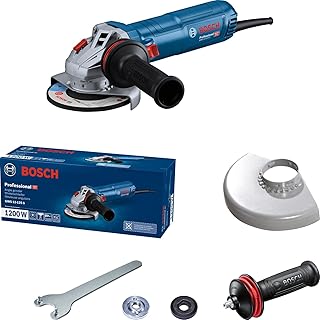


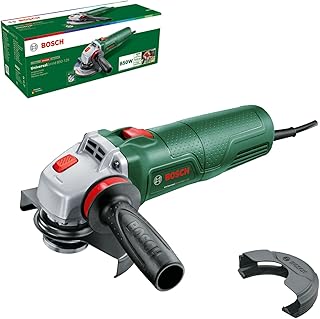
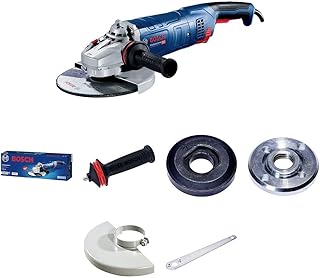
A Bosch corded die grinder is designed for controlled grinding, deburring, polishing, shaping and finishing work where a compact rotary tool can provide useful precision. For Australian tradespeople, workshop users and serious DIY enthusiasts, a corded model can provide consistent access to mains power without relying on battery charge levels. Bosch Professional die grinders are available in different configurations, so the right choice depends on the material, accessory, working position and level of control required.
Unlike larger angle grinders, die grinders use a smaller rotating accessory and are suited to detailed work. This makes them useful for reaching smaller areas, cleaning edges, removing burrs and refining surfaces. Depending on the model and approved accessory, applications can include metalworking, polishing, grinding and other workshop finishing tasks. Always check the manufacturer's specifications before using a particular accessory or applying a tool to a specific material.
When comparing Bosch corded die grinders, start by considering the type of work you expect to perform. Power and rotational speed are important, but they are not the only factors that matter. A tool with variable speed control can provide greater flexibility when different materials and accessories require different operating speeds. This can be particularly useful for finishing work where control is more important than rapid material removal.
Ergonomics also deserve attention. A slim grip can make a die grinder easier to control during detailed applications, while a suitable overall shape can help when working for longer periods. Some Bosch models also incorporate features designed to improve handling, speed stability or vibration management. Check the specifications for each individual product because features can differ between models.
Motor output and no-load speed can influence how a die grinder performs across different applications. Higher power can be useful for demanding grinding tasks, while adjustable speed can provide better control during polishing or precision finishing. Rather than choosing solely by wattage or RPM, consider the accessory you intend to use and follow its rated operating requirements.
Some die grinders feature a longer spindle that can help users access recessed or difficult-to-reach areas. This design can be valuable in metal fabrication, maintenance and workshop applications where a conventional grinder may be too large. A more compact configuration may be preferable when close control and easy handling are the priorities.
A corded die grinder can support a range of workshop applications when paired with the correct accessory. Grinding attachments can assist with controlled material removal, while suitable polishing accessories can help with finishing tasks. Die grinders are also commonly associated with deburring, edge preparation and detailed shaping.
For metalworking, the tool can be useful for cleaning weld areas, refining edges and reaching sections that are difficult to access with larger equipment. In maintenance environments, its compact format can make it practical for detailed corrective work. DIY users may also find a die grinder useful for small fabrication and restoration projects, provided the tool and accessory are appropriate for the intended application.
A corded grinder connects directly to a suitable mains power supply, making it useful for workshop environments where continuous power is readily available. This removes the need to monitor battery capacity during a longer task. It can also make sense for users who mainly operate their tools at a fixed workbench, garage or workshop.
The trade-off is mobility. A corded tool requires access to a compatible power outlet and careful management of the cable while working. Australian buyers should check the electrical specifications, plug configuration and suitability for their intended environment before purchasing.
Safety should remain a priority whenever a rotary power tool is used. Read the manufacturer's instructions before operation and inspect the grinder, cable, accessories and guards for visible damage. Secure the workpiece with appropriate equipment rather than holding it in your hand. Wear suitable eye protection and consider hearing protection where noise levels require it.
Use only accessories that are compatible with the selected model and never exceed their rated speed. Keep the power cable away from rotating components and maintain a clear working area. Allow the accessory to reach the appropriate operating speed before making contact with the workpiece, and follow the manufacturer's guidance for starting, stopping and changing accessories.
Choosing the right Bosch corded die grinder comes down to matching the tool's capabilities with the work you actually perform. Consider speed control, motor output, ergonomics, spindle reach, accessory compatibility and your available power supply. Australian shoppers can then compare the available options and select a configuration suited to their workshop, trade or DIY requirements.
Whether your priority is detailed grinding, deburring, polishing or access to confined areas, a suitable corded die grinder can provide a practical addition to a workshop toolkit. Always confirm current product specifications, included accessories, electrical requirements and manufacturer instructions before purchase and use.