

Best Corded Die Grinder Products online Australia
Explore our real-time updated product directory index curated for performance, verified star metrics, and historical consumer trust rankings.


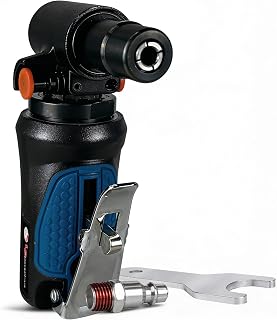


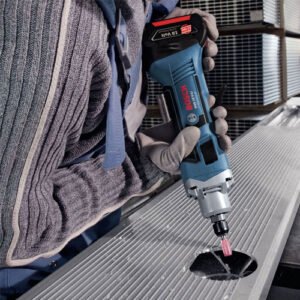
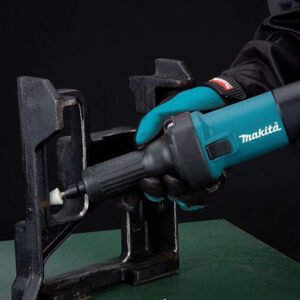
A corded die grinder is a compact rotary power tool designed for detailed grinding, deburring, polishing, shaping and finishing work. Its narrow body and small abrasive accessories make it useful when a standard angle grinder is too large or difficult to control. For Australian workshops, fabrication areas, garages and DIY spaces, a corded model can provide consistent power without relying on a battery charge.
This category is suited to users who need a practical rotary grinder for working on metal and other compatible materials. Depending on the accessory fitted, a die grinder can handle tasks such as smoothing rough edges, removing burrs, cleaning up welds, enlarging openings, polishing surfaces and carrying out detailed finishing work. Always select accessories according to the grinder's specifications and the material being worked.
The main advantage of a corded die grinder is its continuous access to mains power. Unlike cordless models, it does not require battery changes or charging during a job. This can be useful for longer workshop sessions where consistent operation matters. A corded design can also be a practical choice for users who already have a suitable power outlet available in their garage, workshop or work area.
The compact shape gives the operator access to smaller areas that may be difficult to reach with larger grinding equipment. Its rotary action also allows different accessories to be used for specific jobs, making the tool suitable for both material removal and finishing applications.
Corded die grinders are commonly used for metalworking, fabrication, automotive maintenance and workshop repairs. They can help remove burrs after cutting or drilling, smooth sharp edges, clean difficult areas around welds and prepare surfaces for further work. With the appropriate accessory, they can also be used for polishing and other detailed finishing tasks.
For DIY users, a die grinder can be useful when a project requires controlled work in confined spaces. However, the correct attachment is essential. Grinding wheels, burrs, polishing accessories and other rotary attachments have different operating requirements, so check compatibility, rated speed and intended application before use.
Motor power can affect how effectively a die grinder handles demanding applications. Consider the materials and tasks you expect to work on rather than choosing a model based on power alone. A suitable motor should provide the performance needed for your typical grinding, deburring or finishing jobs while remaining manageable during detailed work.
Rotary tools can operate at high speeds, and the appropriate speed depends on the accessory and application. Some users may benefit from variable-speed control because it provides greater flexibility across different tasks. When comparing products, check the stated no-load speed and ensure accessories are rated for the intended operating speed.
Collet size is an important specification because it determines which compatible accessories can be securely fitted. Before purchasing, check the product specifications and compare them with the accessories you already own or plan to use. Never force an incompatible attachment onto a grinder.
A compact grinder is easier to control when its shape, grip and weight suit the task. If you expect to use the tool for extended periods, consider its overall ergonomics and access to the controls. A manageable design can make detailed grinding and finishing work more comfortable.
In metalworking environments, a die grinder can assist with deburring, weld preparation, edge finishing and detailed grinding. Its slim profile makes it useful for areas where larger tools may not provide enough access. Match the accessory to the metal and application, and follow the manufacturer's operating instructions.
Automotive and mechanical projects often involve tight spaces and components with irregular shapes. A corded die grinder can provide controlled rotary grinding for suitable jobs such as removing surface imperfections or cleaning up metal edges. Take care around delicate components and protect nearby surfaces from sparks and debris.
For a home workshop, a corded die grinder can provide a versatile option for detailed material removal and finishing. It may be particularly useful for users who work near a reliable power source and prefer not to manage batteries. Store the tool and accessories securely, and keep the work area clear before starting.
Safety should be a priority whenever you use a high-speed rotary power tool. Wear suitable eye protection and use additional protective equipment appropriate for the material and task. Secure the workpiece before grinding, keep both hands under control of the tool where appropriate, and maintain a stable working position.
Inspect the grinder, cable, collet and accessory before use. Do not operate damaged equipment or accessories. Make sure the attachment is correctly installed and rated for the grinder's operating speed. Keep the power cable away from the rotating accessory and switch the tool off before changing attachments or carrying out adjustments.
Australian users should also follow the manufacturer's instructions and relevant workplace or electrical safety requirements. The right tool, accessory and protective equipment can help make grinding and finishing work more controlled and efficient.
When comparing corded die grinders, focus on the specifications that match your intended work. Consider motor performance, operating speed, collet compatibility, handling and the types of accessories you need. Think about where you will use the tool and whether continuous mains-powered operation suits your workflow.
Whether you are preparing metal, removing burrs, refining welds or completing detailed workshop repairs, a suitable corded die grinder can be a useful addition to a well-equipped Australian workshop. Compare the available specifications carefully and choose a model that matches your materials, applications and working environment.