

♥ Wishlist


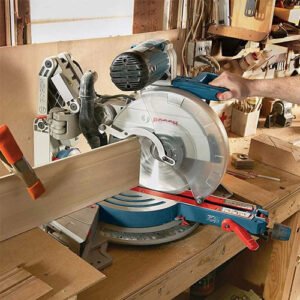
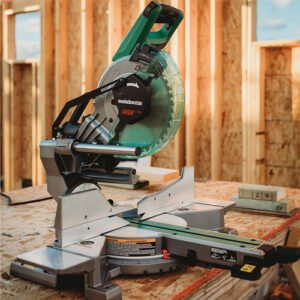
A corded mitre saw is designed to make controlled crosscuts and angled cuts through suitable workpieces. Unlike a cordless model, it connects to mains power and can continue operating as long as a suitable power supply is available. This makes it useful when a project involves repeated cuts and you do not want to stop to recharge batteries.
Mitre saws are commonly used for cutting timber, mouldings, skirting boards, framing components and other compatible materials. Depending on the saw design and blade specification, a model may support straight crosscuts, mitre cuts, bevel cuts or compound cuts. Always check the manufacturer's specifications to confirm the materials and cutting applications supported by a particular product.
Blade diameter has a direct relationship with the type and size of workpiece a saw can accommodate. However, blade size alone does not determine cutting capacity. Check the stated maximum cutting width and depth at different angles before choosing a model. A larger capacity can be useful for wider boards, while a more compact saw may suit smaller workshop projects where portability and bench space matter.
Adjustable mitre and bevel settings allow you to create angled cuts for frames, trim, flooring work and other woodworking applications. Look for clearly marked scales, positive stops and easy-to-use adjustment mechanisms. These features can help you set common angles more efficiently while maintaining repeatable results.
For corded equipment, motor power and operating characteristics are important considerations. A suitable motor should match the intended workload and material. If you expect frequent or extended cutting, review the product's rated power, speed and recommended applications rather than choosing based on one specification alone.
A mains-powered saw can be particularly convenient in a workshop or other location with reliable access to electricity. Continuous power eliminates the need to maintain charged batteries and can make repeated cutting more straightforward. It can also be a practical choice for users who already have a suitable work area with safe electrical access.
Before operation, position the saw on a stable surface and follow the manufacturer's instructions. Keep the workpiece properly supported and use the recommended blade for the material. Appropriate eye and hearing protection, suitable work clothing and safe operating practices are important whenever using powered cutting equipment.
A corded mitre saw can support a range of cutting tasks when the selected model and blade are suitable for the job. DIY users may use one for home improvement projects, shelving components, timber trim and small construction tasks. Tradespeople and experienced woodworkers may use mitre saws for repetitive cutting of compatible timber components, particularly when accuracy and consistent angles are important.
For renovation work, the ability to set repeatable angles can help when preparing skirting boards, architraves, framing pieces and other trim. For workshop projects, a mitre saw can complement other equipment by handling crosscutting and angled-cutting tasks efficiently.
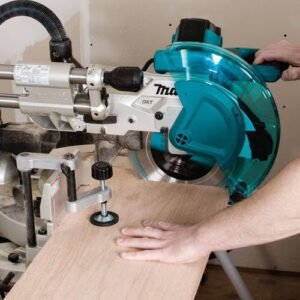
When comparing corded mitre saws in Australia, consider the complete specification rather than focusing on price alone. Useful features may include an adjustable cutting angle, bevel capability, positive angle stops, a visible cutting guide, spindle lock, work clamps, dust collection connection and integrated work supports. Some models may also include laser or other cutting-line guidance.
Dust collection can be particularly useful in enclosed workshops. A compatible dust bag or extraction connection may help manage sawdust, although it should not replace appropriate ventilation and personal protective equipment. Check compatibility before connecting external extraction equipment.
Start by identifying the materials, dimensions and cutting angles you expect to use most often. Next, compare cutting capacity, blade specifications, adjustment ranges and motor characteristics. If the saw will remain in one workshop, a mains-powered model can provide a convenient solution for regular use. If you need to transport equipment between locations, consider the overall size, weight, carrying arrangements and available power at the worksite.
Australian users should also consider where the saw will be operated and how the power connection will be managed safely. Use equipment according to its instructions and applicable workplace or household safety requirements. Keep cables away from the cutting path and inspect electrical equipment before use.
Explore the Corded Mitre Saw category to compare suitable options for woodworking, carpentry, renovation and DIY cutting tasks. Review each product's specifications carefully to match blade size, cutting capacity, adjustment features and intended applications with your project. Selecting a saw based on your actual workload can help you find equipment that fits your workshop and cutting requirements.