

♥ Wishlist


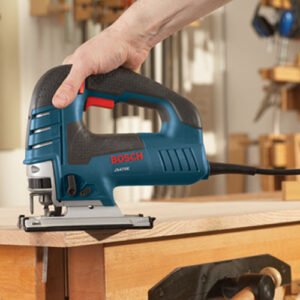
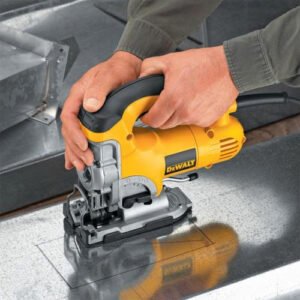
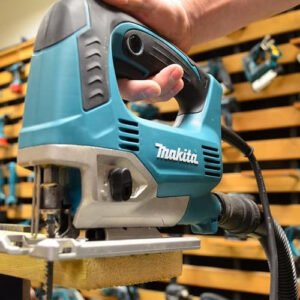
A corded jigsaw is a versatile electric cutting tool designed to make straight, curved and shaped cuts through suitable materials. Unlike a cordless model, it connects to mains power, so you can work without stopping to recharge or replace a battery. This makes a corded jigsaw useful for workshops, home renovations, carpentry projects and other applications where a dependable power supply is available.
For Australian shoppers, the right jigsaw depends on the materials you plan to cut, the type of work you regularly complete and the level of control you need. Consider the tool's cutting capacity, speed control, blade compatibility, handling and available features before choosing a model. A suitable combination of these factors can make detailed cutting easier and help you achieve cleaner results.
Jigsaws are commonly used for cutting timber and sheet materials, including plywood and other suitable boards. Depending on the blade and the tool's specifications, they can also be used for certain plastics and other compatible materials. Always check the manufacturer's instructions and use a blade specifically intended for the material being cut.
The narrow reciprocating blade allows a jigsaw to follow curves and irregular shapes more easily than many larger cutting tools. This makes it particularly useful for creating openings, trimming panels, shaping workpieces and making design cuts. Straight cuts are also possible when the tool is guided carefully along a marked line or suitable guide.
Variable speed can help you adjust cutting action according to the material and application. A slower setting may provide greater control for certain delicate tasks, while a higher speed can be useful for appropriate cutting applications. Follow the recommended settings for your chosen blade and material.
Blade selection has a direct effect on cutting performance. Different blades are designed for different materials, thicknesses and finishes. Before purchasing, check which blade types the jigsaw accepts and whether replacement blades are readily available for your intended work.
Cutting depth specifications help you determine whether a particular jigsaw is suitable for your projects. Compare the stated capacity for the materials you expect to cut rather than choosing solely on overall tool size or motor power.
A comfortable grip and manageable design can make a difference during longer cutting sessions. Look for controls that are easy to access and a design that allows you to maintain steady movement along the cutting line. Good handling can also help with detailed curved cuts.
A corded jigsaw can be useful for DIY furniture projects, shelving, cabinetry work, benchtop modifications and general timber cutting. It can also help with renovation tasks where panels or boards need shaped openings. Because the blade can travel through curves, the tool is particularly valuable when a project involves more than simple straight cuts.
For workshop use, a mains-powered jigsaw can provide convenient continuous operation. For occasional home projects, it can offer a practical alternative to owning several specialised cutting tools. However, the tool should always be used within its specified capabilities, with the correct blade and appropriate protective equipment.
Start by marking the cutting line clearly and securing the workpiece firmly. Choose a blade appropriate for the material and intended finish. Allow the jigsaw to reach its normal operating speed before guiding it steadily through the workpiece. Avoid forcing the tool, as excessive pressure can affect control, blade movement and cut quality.
For visible surfaces, selecting a blade designed for a cleaner finish can help reduce unwanted chipping. Supporting the workpiece correctly is also important, particularly when cutting sheet materials. Keep the power cord positioned safely away from the cutting path and maintain a stable working position throughout the task.
The main advantage of a corded jigsaw is access to continuous mains power. This can be convenient when working at a bench, in a garage or in another suitable area with a power outlet. You do not need to pause because of a depleted battery, although you do need to manage the power cord safely.
A corded design can therefore suit users who regularly work near a mains supply and want a dependable electric cutting solution. When comparing models, consider your workspace, project requirements, material types and preferred handling characteristics to identify the most appropriate option.
Explore the corded jigsaw category to find an electric cutting tool suited to your workshop or DIY requirements. Compare specifications such as cutting capacity, speed control and blade compatibility before making your selection. With the correct blade, setup and technique, a corded jigsaw can become a useful part of your cutting toolkit for a variety of projects.
Find a corded jigsaw for controlled cutting across a wide range of woodworking and renovation tasks. Electric jigsaws provide continuous mains power, making them a practical option for users who want consistent performance without managing battery charge levels. Whether you are cutting timber, creating curves, trimming sheet materials or completing detailed DIY projects, a corded jigsaw can provide the control and versatility needed for accurate work.