

♥ Wishlist
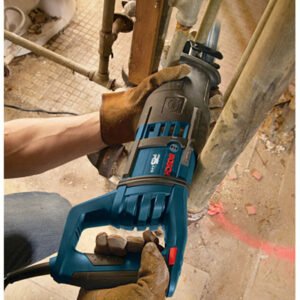
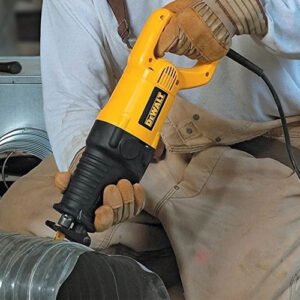
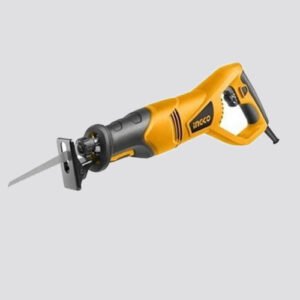
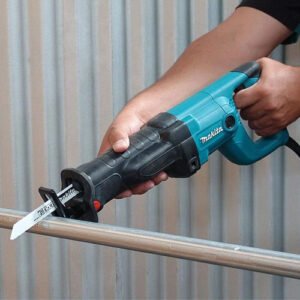


A corded reciprocating saw is designed for fast, controlled cutting through a wide range of materials. Its reciprocating blade moves rapidly backwards and forwards, allowing the tool to handle timber, metal, plastic, plasterboard and other suitable materials when paired with the correct blade. Because it connects to mains power, it can provide continuous operation without stopping to recharge or replace a battery.
This makes a corded reciprocating saw useful for renovation, demolition, maintenance, construction and workshop tasks. It can also help when cutting in awkward areas where a conventional circular saw or handsaw may not provide the required access. Before choosing a model, consider the materials you expect to cut, how frequently you will use the saw and whether you need extra control for different applications.
Motor power is an important consideration when comparing reciprocating saws. A suitable motor can help the saw maintain cutting performance during demanding applications. However, power should not be considered on its own. Stroke length, stroke rate, speed control and overall handling can also affect how the tool performs in practical use.
Look at the motor specification when comparing models for heavier cutting work. Higher power can be useful for demanding applications, while a more compact model may be easier to handle during lighter renovation or maintenance jobs. Match the saw's capabilities to the materials and workload you expect rather than choosing based on power alone.
Stroke length describes how far the blade travels during each reciprocating movement. Stroke rate indicates how quickly those movements occur. These specifications can help you understand how a saw is intended to perform. Variable-speed control can provide additional flexibility because you can adjust the cutting action to suit the material and task.
Blade selection has a major effect on cutting results. Different blades are designed for materials such as wood, metal and composite products. Check the manufacturer's compatibility information before purchasing replacement or specialist blades. Using an appropriate blade can improve control, cutting efficiency and blade life.
One of the main advantages of a corded reciprocating saw is continuous access to mains power. You do not need to monitor battery charge levels during a long cutting session, which can be useful for workshop projects and extended renovation work. A corded design can also suit users who already have convenient access to a suitable power supply.
There are trade-offs to consider. A power cord can restrict movement compared with a cordless saw, so cable management and access to an appropriate power outlet matter. For jobs where mobility is more important than continuous operation, a cordless alternative may be more suitable. For fixed or nearby work areas, however, corded power can provide a practical solution.
Reciprocating saws are valued for their versatility. With the correct blade, they can be used for tasks such as cutting timber during renovation, trimming construction materials, removing sections of old structures and cutting metal components. Their relatively compact blade design can also make them useful when working in confined areas.
For demolition work, the saw can help remove unwanted timber, plasterboard and other suitable materials. In maintenance environments, it may assist with cutting pipes or metal components when an appropriate blade is installed. Always verify the tool and blade manufacturer's specifications for the intended material and application.
Look for practical features that make the saw easier to control. A comfortable grip can reduce fatigue during extended work, while variable-speed control can help users adapt the cutting action. A tool-free blade change system can also make blade replacement more convenient when switching between materials.
An adjustable or pivoting shoe can help maintain contact with the workpiece during cutting. Some models may also include LED lighting or other convenience features. Consider which features genuinely match your typical jobs rather than paying extra for functions you are unlikely to use.
Australian shoppers should consider the type of work, available power supply and intended operating environment before purchasing. Check the product specifications carefully for electrical requirements, included accessories, blade compatibility and warranty information. For professional or frequent use, compare durability, ergonomics and serviceability alongside headline specifications.
Safety should remain a priority when operating any reciprocating saw. Wear suitable eye and hearing protection, secure the workpiece and use the correct blade for the material. Keep the cutting area clear and follow the manufacturer's operating and maintenance instructions. Before working near electrical, plumbing or structural components, make sure the relevant risks have been identified and managed.
The right corded reciprocating saw depends on your cutting requirements, materials, frequency of use and preferred handling characteristics. Compare motor power, stroke specifications, variable-speed settings, blade compatibility and useful ergonomic features before making your choice. Whether you are completing renovation work, maintaining a workshop or tackling demanding cutting tasks, selecting a model that matches the application can help you work more efficiently and confidently.
Find a corded reciprocating saw for demanding cutting, renovation and demolition work. A corded model provides continuous mains-powered operation, making it a practical choice for workshops, construction sites and home improvement projects where reliable power is readily available. Compare features such as motor power, stroke length, variable-speed control, blade compatibility and handling to choose a saw suited to your Australian cutting requirements.