

♥ Wishlist


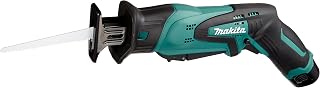

A Makita corded reciprocating saw is designed for fast, controlled cutting where a mains-powered tool suits the working environment. The reciprocating action moves the blade rapidly backwards and forwards, making this type of saw useful for cutting through a wide range of materials when paired with the correct blade. It can be particularly useful for renovation, building, maintenance, demolition and workshop applications.
For Australian tradespeople and DIY users, a corded reciprocating saw can make sense when reliable access to mains power is available. Unlike a battery platform, there is no need to stop for battery changes or recharging during a suitable continuous-power application. The cord does, however, require sensible positioning and a suitable power supply, so users should consider the work area before selecting this type of saw.
Reciprocating saw performance depends on more than the brand name. Consider the materials you expect to cut, the frequency of use, the available power source and the level of control required. A suitable model should match the demands of the application rather than simply offering the highest specification.
Blade compatibility is equally important. Different blades are designed for timber, metal, plastics and other materials. Using the appropriate blade can improve cutting efficiency and help produce more consistent results. Before purchase, check the individual product specifications for supported blades, cutting capacities and other relevant features.
A reciprocating saw can be useful for cutting timber during renovation, construction and repair work. Its blade movement allows users to make cuts in locations where a conventional circular saw may not be practical. Applications can include trimming timber, cutting through framing materials and carrying out controlled demolition work.
With an appropriate metal-cutting blade, a reciprocating saw can also handle suitable metal applications. This makes the tool useful for maintenance, plumbing-related cutting and renovation projects where pipes, brackets or other metal components need to be removed or resized. Always confirm the manufacturer's stated capacity and use a blade intended for the material.
When comparing a Makita corded reciprocating saw, look at features that affect control, cutting performance and day-to-day usability. Important specifications can include motor power, stroke length, stroke rate, cutting capacity, blade changing system and overall tool weight. The right combination depends on how and where you intend to use the saw.
A tool with a comfortable grip and manageable weight can be easier to control during longer tasks. A practical blade-change mechanism can also save time when switching between applications. Variable speed control, where available on a particular model, may provide additional control when working with different materials.
One of the main reasons to choose a corded reciprocating saw is its connection to mains power. For workshop environments, renovation projects and fixed work areas with suitable electrical access, this can provide convenient continuous operation. Users should keep the power lead clear of the cutting path and follow appropriate electrical safety practices.
For mobile work where mains power is unavailable, a cordless reciprocating saw may be more appropriate. However, where a reliable power outlet is available, a corded model can remove the need to manage battery charge levels during the task.
Start by identifying the materials and approximate thicknesses you expect to cut. Next, review the model's cutting capacity and compatible blade requirements. Consider the working environment as well. A corded tool can be well suited to workshops and renovation sites with accessible mains power, while portability may be more important for remote locations.
It is also useful to compare weight, dimensions, speed settings and handling features. If the saw will be used frequently, ergonomics can have a significant impact on everyday usability. Check the individual listing for current specifications, included accessories and other product details before placing an order.
Explore the Makita Corded Reciprocating Saw category to find a suitable option for Australian workshop, construction, renovation and maintenance applications. Compare the available models according to power, cutting capability, handling features and intended use. Choosing the right combination of saw and blade can help you approach each cutting task with greater control and efficiency.
Always read the product documentation before use and select accessories that are suitable for the material being cut. Wear appropriate personal protective equipment, secure the workpiece and keep the blade and power lead clear of hazards while operating the tool.
Find a Makita corded reciprocating saw for demanding cutting, renovation, construction and workshop tasks. These saws combine the flexibility of a reciprocating blade with the consistent power available from mains electricity. For Australian users who regularly work near a suitable power source, a corded model can provide a practical solution for cutting timber, metal and other compatible materials. Explore the category to compare suitable options, specifications and features before choosing a saw for your application.