

♥ Wishlist


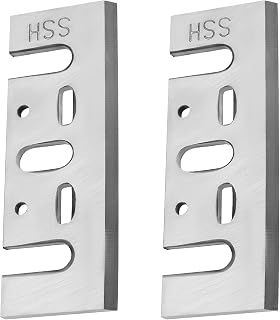


A Makita corded planer is a powered woodworking tool used to remove a controlled layer of material from timber. It helps flatten uneven surfaces, reduce timber thickness and create a smoother finish before further construction, installation or finishing work. The corded design connects directly to mains power, which can be useful when working in a workshop or another suitable area with access to a compatible power supply.
Planers are particularly useful when hand tools would take too much time or when a consistent surface is important. They can support tasks such as preparing timber boards, adjusting doors, refining framing components and correcting minor surface irregularities. The appropriate model depends on the material, required cutting depth, working width and frequency of use.
One of the main benefits of a powered planer is controlled material removal. Instead of manually shaving timber with a traditional hand plane, the powered cutting mechanism can remove material efficiently across a surface. This can make repeated woodworking tasks more practical, especially when several boards or components require similar treatment.
When comparing Makita corded planers, consider the maximum planing width and adjustable cutting depth. A wider cutting capacity can help cover more of a board in each pass, while adjustable depth settings allow users to control how much timber is removed. Taking lighter passes can also help improve control when working towards a specific finished dimension.
Planing width determines how much of the timber surface can be covered in one pass. Cutting-depth adjustment is equally important because different applications may require light finishing passes or greater material removal. Match these specifications with the dimensions and condition of the timber you normally use.
Corded operation provides continuous access to mains power during suitable working conditions. This can be useful for longer sessions because there is no battery pack to recharge between tasks. Always use the planer with an appropriate Australian power supply and follow the manufacturer's electrical and operating instructions.
A planer should feel manageable while moving across timber. Handle design, overall balance and control layout can affect how comfortably you guide the tool. Good control is particularly important when making finishing passes or working around the edges of boards.
Planing timber produces chips and dust. A compatible dust collection or extraction arrangement can help keep the work area more manageable. Before purchasing, check the manufacturer's specifications for dust outlet and extraction compatibility if this feature is important for your workshop.
These planers can suit a range of woodworking applications. Carpenters may use them when adjusting timber components, while renovators can use a planer for fitting wooden doors or refining boards. DIY users may also find a powered planer useful for furniture projects, timber preparation and general workshop work.
The correct technique depends on the material and project. Secure the workpiece firmly, inspect the timber before planing and select an appropriate cutting depth. Avoid forcing the tool through the material. Instead, maintain controlled movement and allow the cutting mechanism to perform the work.
Start by identifying the type and dimensions of timber you expect to work with. Next, compare planing width, maximum cutting depth and available adjustment settings. Consider the frequency of use and whether continuous corded operation suits your workspace. Handling, dust extraction and storage requirements can also influence your choice.
For Australian shoppers, check that the selected product is appropriate for the local electrical supply and intended working environment. Product specifications should always be reviewed before purchase because capacities, dimensions and included accessories can vary between models.
Safe operation starts with reading the manufacturer's instructions and checking the tool before use. Wear suitable eye and hearing protection, secure loose clothing and keep hands away from the cutting area. Make sure the timber is firmly supported and remove nails, screws or other objects that could damage the blades.
Use the planer only for suitable materials and applications. Keep the power cable positioned away from the cutting path and disconnect the tool from power before carrying out maintenance, adjustments or blade-related work. Regular inspection and correct blade care can also help maintain consistent performance.
A Makita corded planer can be a useful addition to a woodworking workshop when reliable mains-powered operation and controlled timber removal are required. Compare the available specifications carefully, paying particular attention to planing width, cutting depth, power requirements, handling and compatible accessories.
Whether you are preparing timber for construction, adjusting wooden components or completing a DIY woodworking project, selecting a planer that matches your material and workload can help you work more efficiently. Review the available Makita corded planer options and choose according to your specific Australian woodworking requirements.
Achieve clean, consistent results on timber projects with a Makita Corded Planer designed for controlled wood removal and smooth surface finishing. A corded planer can provide dependable mains-powered operation without relying on battery charge levels, making it a practical choice for workshops, renovation projects, carpentry tasks and regular woodworking. For Australian users, choosing the right planer involves considering cutting depth, planing width, handling, dust management, power requirements and the type of timber being worked. Explore the Makita corded planer category to find a suitable option for your woodworking requirements.