

♥ Wishlist




A Makita corded sander can provide a practical solution when you need consistent mains-powered sanding for woodworking, renovation, furniture preparation and general surface finishing. Corded operation removes the need to monitor battery charge, making these tools useful for longer sessions where a reliable power supply is available. The right model can help you remove material efficiently, prepare surfaces for coatings and achieve a smoother finish with better control.
Different sanding jobs require different motions, pad shapes and levels of material removal. Before choosing a sander, consider the surface you are working on, the amount of material that needs to be removed and the finish you want to achieve. A random orbital sander can suit general-purpose sanding and finishing, while a belt sander is more appropriate when faster stock removal is required on larger flat surfaces.
Finishing sanders can be useful for smoothing flat timber surfaces and preparing them before painting, staining or sealing. Detail sanders are designed for more focused work around corners, edges and smaller areas. This range of applications means selecting the correct sanding format is often more important than simply choosing the highest power rating.
Corded sanders offer continuous electrical power while connected to a suitable mains outlet. This can be valuable in workshops, garages and renovation environments where extended sanding sessions are common. Instead of stopping to recharge a battery, users can continue working as long as the tool has an appropriate power connection.
Makita's Australian product information includes corded sanding equipment such as random orbital, finishing and other sanding formats. For example, Makita's BO5031 125 mm random orbital sander is specified with variable speed via a preset dial, a pad brake and a 300 W motor. Its published specifications demonstrate how motor input, speed control and sanding movement can differ between models.
Random orbital sanders are versatile options for general woodworking and finishing. Their combined sanding movement can help produce an even finish while supporting efficient material removal. They can be suitable for preparing timber surfaces before applying paint, stain or other finishes.
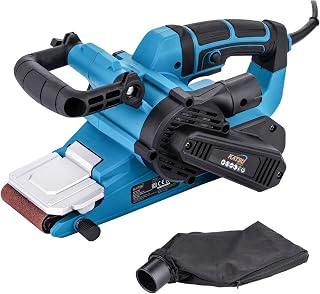
Belt sanders are designed for more aggressive material removal. A continuous abrasive belt moves over rollers, making this format useful for levelling and shaping larger timber surfaces. When working with rough boards or removing an existing finish, a belt sander can reduce sanding time compared with a slower finishing tool.
Finishing or sheet sanders are suited to controlled smoothing on relatively flat surfaces. Their rectangular or shaped sanding pads make them useful for furniture, cabinetry and general finishing work. Makita's BO4565K, for example, is a triangular extended quarter-sheet finishing sander with a 200 W motor and a published no-load speed of 14,000 OPM.
Detail sanders can help when the job involves corners, narrow sections or intricate timber profiles. Their compact sanding areas allow greater access than larger sanding machines. For restoration and detailed furniture work, this can make a noticeable difference to convenience and control.
When comparing a Makita corded sander, start with the tool's intended application and sanding format. Then consider motor power, no-load speed, sanding diameter or pad dimensions and speed adjustment. Variable speed can provide greater control when working with different materials or when a project requires a more delicate finishing approach.
Dust management is another important consideration. Sanding creates fine particles, so a compatible dust collection arrangement can help reduce airborne debris and keep the work area clearer. Ergonomic design also matters during extended use. Look for a comfortable grip, accessible controls and a layout that allows you to maintain steady pressure without unnecessary strain.
Australian DIY users, tradespeople, furniture makers and workshop owners can choose a corded sander according to the demands of their individual projects. Consider where the tool will be used, whether mains power is readily available and whether the priority is rapid stock removal, general sanding or fine finishing.
Always check the individual product listing for current specifications, included accessories, sanding consumable requirements and power information before purchase. Product availability and specifications can vary between models and sellers. For electrical tools, use the product according to the manufacturer's instructions and applicable Australian requirements.
The best choice depends on the work rather than a single specification. A random orbital model may suit general-purpose finishing, a belt sander may be better for heavy material removal, and a finishing or detail sander may provide greater control for specific surfaces. By matching the sanding motion, pad format, speed and dust-management features to your application, you can select a Makita corded sander that fits your workshop needs.
Find a Makita corded sander for woodworking, surface preparation, finishing and material removal. This category brings together corded Makita sanding options designed for users who value consistent power, controlled sanding and dependable operation. Australian shoppers can compare sander types, applications, power requirements and useful features before choosing a tool suited to their project.