

♥ Wishlist








A Bosch corded sander can make demanding surface-preparation work faster, more controlled and more consistent. Whether you are preparing timber for paint, smoothing a benchtop, removing old coatings or refining a finished surface, choosing the right sanding mechanism is important. Corded operation is particularly useful in a workshop because the tool can run continuously without waiting for a battery to recharge.
The Bosch corded sander range covers different sanding approaches, so Australian shoppers can choose a tool according to the material removal rate, working area and finish they need. Depending on the model, Bosch offers sanding solutions designed for larger surfaces, general-purpose sanding, fine finishing and more specialised applications. Always check the individual product specifications for the exact motor rating, sanding pad dimensions, speed range, accessories and electrical requirements.
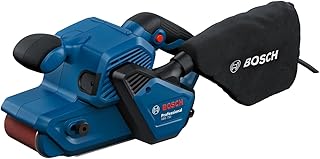
A belt sander is designed for fast material removal across relatively large surfaces. It can be useful when working with timber boards, panels and other broad areas where substantial sanding is required. Belt sanders generally use a continuous sanding belt and are well suited to jobs where speed and stock removal are important. They are less focused on delicate finishing, so technique and appropriate abrasive selection remain important.
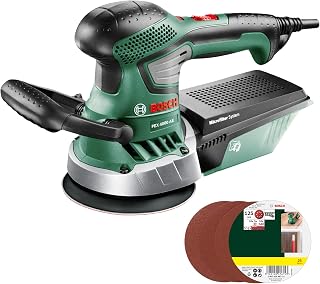
Random orbit sanders combine rotating and orbital movement to provide versatile sanding performance. They are commonly used for smoothing timber, removing old finishes and preparing surfaces between coats. Bosch models can include features such as variable speed control, hook-and-loop sanding discs and dust extraction connections. A 125 mm sanding pad is a common size, while larger models can provide a wider sanding area for bigger projects.
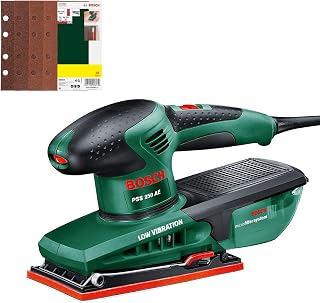
Orbital sanders are useful when you want controlled, even sanding across flat surfaces. They can be suitable for finishing timber, veneer, painted surfaces and filler. Compact designs can also be convenient for workshop tasks where manoeuvrability matters. Check the sanding plate dimensions and attachment system before purchasing so that the tool matches your preferred abrasive sheets.
For corners, edges and smaller areas, a detail or multi-sander can provide greater access than a conventional large sanding machine. These tools can be useful for furniture restoration, trim, narrow sections and intricate woodworking. Multi-sanders may also support different attachments, allowing one tool to handle several surface-preparation applications. Confirm the included plates and accessories for each model because configurations can vary.
When comparing a Bosch corded sander, start with the type of sanding movement and the intended application. Motor power can help indicate the tool's capacity, but it should not be considered in isolation. Sanding pad or belt dimensions, no-load speed, orbital movement, ergonomics and dust management can all affect practical performance.
Variable speed control can be valuable when working with different materials or when a more controlled sanding action is required. Lower speeds may help with delicate finishing, while higher settings can support faster material removal when appropriate. Always follow the manufacturer's instructions and use a speed suitable for the abrasive, material and task.
Sanding creates fine dust, so dust management should be part of your purchasing decision. Some Bosch sanders include dust boxes, microfilter systems or extraction connections, depending on the model. Connecting compatible dust extraction equipment can help keep the workspace cleaner and improve visibility around the sanding area.
Ergonomics also matter when sanding for extended periods. Look for a grip arrangement that allows stable control and comfortable handling. Weight, handle position, vibration characteristics and access to switches can influence how easily you can guide the tool over a surface. A well-matched sander should give you sufficient control without requiring excessive pressure.
Choosing the correct abrasive is just as important as selecting the sander. Coarse grits are generally used for heavier material removal, while medium grits can help with general smoothing and finer grits are commonly used for final surface preparation. The correct grit depends on the material, existing coating and desired finish. Make sure the sanding sheet, disc or belt matches the dimensions and attachment system of your selected Bosch model.
A corded model can be a practical choice for users who regularly work near a suitable power outlet. Continuous mains power removes battery-runtime considerations and can make the tool convenient for longer workshop sessions. Bosch Professional sanding products include models covering different sanding applications, from compact orbital machines to powerful random orbit and belt sanders.
Before ordering, compare the product specifications, intended application, sanding size, power rating, included accessories and compatibility with your existing dust extraction setup. Australian shoppers should also confirm that the selected product is appropriate for local electrical requirements and review the seller's current product and delivery information.
The right Bosch corded sander depends on what you need to remove, the size of the surface and the finish you want to achieve. Choose a belt sander when rapid removal across larger areas is the priority, consider a random orbit model for versatile sanding and finishing, or select an orbital or detail-oriented machine for controlled surface preparation. By comparing sanding action, power, pad size, speed control, dust collection and ergonomics, you can narrow the category to a tool that fits your workshop needs.
Find a Bosch corded sander suited to woodworking, surface preparation, paint removal and detailed finishing. Corded sanders provide continuous mains-powered operation, making them practical for workshops, renovation projects and demanding sanding tasks where consistent power matters. This category brings together Bosch sanding options such as belt, orbital and random orbit models, helping Australian shoppers compare designs according to the job, surface and finish required.