

♥ Wishlist


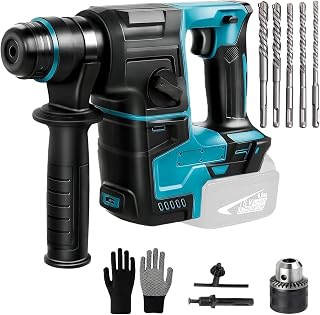


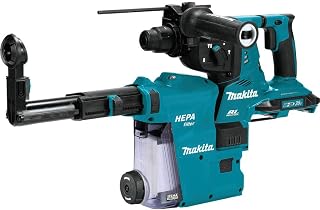


A Makita SDS hammer drill can be a practical choice when your work involves concrete, masonry, brick, blockwork and other demanding drilling applications. The SDS system is designed to hold compatible drill bits securely while allowing efficient bit changes. Depending on the model, an SDS hammer drill can support rotary drilling, hammer drilling or combination operation, giving tradespeople and DIY users greater flexibility for different jobs.
For Australian shoppers, choosing the right Makita SDS hammer drill starts with understanding the work you need to complete. A compact cordless model can suit installation work, maintenance and drilling in confined areas. A higher-powered rotary hammer can provide greater capability for demanding concrete and masonry applications. Reviewing voltage, drilling capacity, impact energy, operating modes and battery requirements can help you narrow down suitable options.
Makita SDS Plus hammer drills are commonly suited to general concrete and masonry drilling where an SDS Plus bit system is required. These tools can be useful for tradespeople working on anchors, fixings, renovation projects and installation tasks. The SDS Plus format also makes bit changes straightforward compared with conventional keyed or keyless chucks.
Cordless Makita SDS hammer drills provide greater freedom of movement because they do not require a mains power cable during operation. This can be useful on construction sites, outdoor projects, renovation work and locations where access to a power outlet is limited. Before choosing a cordless model, check whether it is supplied as a complete kit or as a tool-only option. Battery and charger compatibility can affect the overall cost and convenience of your purchase.
Multi-mode SDS hammer drills offer additional flexibility for users who regularly switch between drilling and hammering tasks. Depending on the model, operating modes may include rotary drilling, hammer drilling and combination drilling. This can make one tool suitable for several stages of a project while reducing the need to carry multiple specialist tools.
Power requirements vary according to the material and application. When drilling concrete, masonry or other hard materials, consider the tool's impact energy and maximum drilling capacity rather than looking only at voltage or wattage. A larger drilling capacity may be useful for demanding construction work, while a compact model can provide easier handling for lighter applications.
Variable speed control can help users adjust drilling performance according to the task. Some models also provide electronic controls or selectable operating modes to improve control. A torque-limiting system can provide an additional safety feature when a bit encounters resistance, although users should always follow the manufacturer's operating instructions.
Hammer drilling can generate substantial vibration, particularly during extended work in concrete and masonry. Some Makita SDS hammer drills incorporate anti-vibration features intended to reduce transmitted vibration and improve handling comfort. An ergonomic grip and balanced tool design can also make a difference when working for longer periods.
Tool weight is another important consideration. A lightweight SDS hammer drill can be easier to control during overhead or confined-space work. Heavier rotary hammers may provide greater capability for demanding applications but can require more physical effort. Match the tool size to the work rather than selecting the largest model available.
If you choose a cordless Makita SDS hammer drill, check the battery platform before ordering. Some listings are supplied without batteries or chargers, while complete kits may include the required accessories. Users who already own compatible Makita batteries may prefer a tool-only model, while new users may need to budget for a battery and charger as well.
Runtime depends on the battery capacity, drilling conditions, material hardness and workload. For longer projects, having compatible spare batteries can reduce interruptions. Always use batteries and chargers according to the manufacturer's instructions and check the product listing carefully for included components.
Start by identifying the materials you expect to drill and the approximate hole sizes required. Then compare SDS type, drilling capacity, impact energy, operating modes, tool weight and power source. For Australian users, also check the supplied electrical configuration for corded equipment and confirm that the listing matches your intended application.
It is also useful to review whether the drill is supplied with a case, side handle, depth stop, batteries, charger or other accessories. Product bundles can differ considerably, so checking the complete listing information helps avoid purchasing a tool that lacks an accessory you need.
Wear appropriate eye and hearing protection when drilling or hammering. Secure the work area, maintain a stable stance and keep both hands positioned as recommended by the manufacturer. Concrete and masonry drilling can produce dust and debris, so suitable respiratory and workplace controls may also be necessary depending on the environment.
Always inspect the drill, bit and battery before use. Fit the correct SDS bit securely and follow the manufacturer's instructions for changing accessories, operating modes, battery handling and maintenance. When working on construction sites, follow the relevant Australian workplace safety requirements and site procedures.
This category brings together Makita SDS hammer drill options suited to different drilling requirements, from compact cordless tools to higher-powered rotary hammers. Compare the specifications, included equipment and intended applications of each listing before making a purchase. Whether you are handling renovation work, masonry installation, concrete drilling or general maintenance, selecting a drill that matches your workload can help you work more efficiently and comfortably.
Find a Makita SDS hammer drill for drilling, hammering and masonry applications across Australian worksites and DIY projects. Explore cordless and corded options, SDS Plus models, compact designs, multi-mode tools and higher-power rotary hammers to match different drilling requirements.