
♥ Wishlist

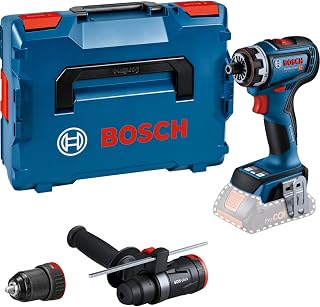


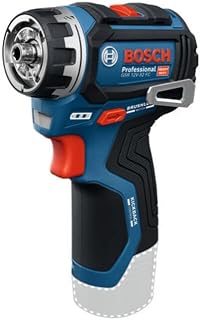


A Bosch SDS hammer drill is designed for applications where a standard drill may not provide enough impact performance. These tools combine rotary drilling with hammer action to help work through materials such as concrete, brick, block and masonry. The SDS system also supports compatible drill bits and accessories designed for impact drilling applications.
For Australian users, selecting the right drill depends on the material, job frequency and type of work involved. A compact model can suit renovation tasks and lighter masonry drilling, while a more powerful rotary hammer may be appropriate for repeated drilling, heavier construction work and demanding site applications. Consider the work you perform most often before choosing a tool.
Bosch has a long-established presence in power tools, and its SDS hammer drill range is intended for users who need dependable drilling and hammering capability. SDS-compatible systems can make accessory changes straightforward, while dedicated hammer mechanisms are suited to drilling in hard building materials.
When comparing models, look beyond the brand name. Check the tool's specifications, compatible accessories, power requirements, operating modes, ergonomics and intended application. These details help you select an SDS hammer drill that matches your project rather than simply choosing the highest-powered option.
SDS hammer drills are commonly used for masonry and construction applications. Depending on the model and accessory, suitable tasks can include drilling holes for wall plugs, anchors, fixings, conduit and other installation work. Some models also offer additional operating modes for broader renovation applications.
For concrete drilling, use an SDS-compatible masonry bit that matches the drill and the required hole size. For brick and block, choose an accessory appropriate for the material. Always follow the manufacturer's instructions and accessory specifications before starting work.
Hammer action helps the bit penetrate hard masonry materials while rotary movement removes material from the hole. This makes an SDS hammer drill useful for installation and construction tasks where repeated masonry drilling is required.
Home renovation projects can involve drilling through brick, block or concrete for fixtures, shelves, brackets, services and other fittings. A suitable Bosch SDS hammer drill can provide a practical solution when conventional drilling equipment is not designed for the material.
Start by identifying the materials you need to drill and the diameter and depth of the holes. Next, consider how frequently you will use the tool. Occasional home users may prioritise manageable size and ease of handling, whereas trade users may need a model designed for frequent or prolonged operation.
Also consider the tool's operating modes. Some SDS hammer drills focus on rotary hammer drilling, while other models may provide additional functions. Check the manufacturer's specifications to confirm which modes and applications apply to the model you are considering.
Corded and cordless SDS hammer drills can suit different working environments. A corded tool can be practical where continuous mains power is readily available. A cordless model can offer greater freedom of movement and may be useful on jobs where access to a power outlet is limited.
For cordless tools, check the battery platform, voltage, battery availability and charger requirements. If you already use compatible Bosch cordless tools, staying within the same battery system may simplify equipment management. Always verify compatibility before purchasing batteries or accessories.
The accessory is an important part of the drilling system. SDS-compatible drill bits are available in different sizes and designs for masonry and concrete applications. Select the correct bit type and diameter for the material and hole specification.
Inspect bits before use and replace damaged or excessively worn accessories. Using the correct accessory can help support drilling performance and reduce unnecessary strain on the tool.
Australian buyers can compare SDS hammer drills according to project requirements, tool configuration and intended frequency of use. Consider whether you need a compact tool for household renovation, a versatile model for installation work or equipment suited to regular trade applications.
Pay attention to Australian power requirements when purchasing corded equipment and check the product information for the applicable electrical specifications. For cordless models, review the included battery and charger configuration rather than assuming they are supplied.
Wear appropriate eye and hearing protection when operating an SDS hammer drill, particularly during prolonged drilling or demolition-related work. Secure the work area, inspect the bit and tool before use, and follow the manufacturer's operating instructions.
Keep ventilation openings clear and clean the tool according to the manufacturer's recommendations. Store accessories properly and check the chuck and bit-retention system regularly. Never force a tool beyond its specified application.
Compare the available Bosch SDS hammer drill options by considering drilling capacity, operating modes, power source, ergonomics and accessory compatibility. Matching the tool to the job can help you work more efficiently while avoiding unnecessary features or capacity that you may not need.
For Australian trade, renovation and DIY projects, an SDS hammer drill can be a useful addition to a power-tool collection when masonry and concrete drilling are regular requirements. Review the specifications of each available model carefully before making your purchase.
Choose a Bosch SDS hammer drill when you need controlled drilling and hammering performance for masonry, concrete and renovation work. SDS technology helps provide secure bit retention and makes compatible accessory changes practical for demanding jobs. Whether you are a tradesperson, renovator or capable DIY user, the right Bosch SDS hammer drill can make drilling into tough materials more efficient.
A Bosch SDS hammer drill is primarily designed for drilling and hammer drilling in materials such as concrete, brick, block and masonry. Depending on the model, it may also provide additional operating modes for renovation applications.
SDS refers to a tool and accessory system designed for compatible drill bits and hammer drills. SDS-compatible bits use a specially shaped shank that allows suitable accessories to be retained securely while supporting efficient bit changes.
Yes. SDS hammer drills are commonly designed for drilling into concrete and other masonry materials. Use a compatible masonry or concrete bit and select a drill model with specifications appropriate for the required hole size and application.
The choice depends on your working environment. Corded models can provide continuous operation where mains power is available, while cordless models provide greater mobility. For cordless tools, check battery platform and charger compatibility before purchasing.
Compatible SDS accessories can generally be used with tools designed for the same SDS system, but you should always confirm the exact accessory and chuck compatibility in the product specifications before use.
Consider the material you will drill, required hole diameter and depth, operating modes, power source, tool size, frequency of use and accessory compatibility. For corded models, also check the applicable Australian electrical specifications.
Yes. A suitable SDS hammer drill can be useful for home renovation tasks involving brick, block, masonry or concrete, such as installing brackets, anchors, fixtures and other fittings. Select a model and accessory appropriate for the specific application.