

♥ Wishlist
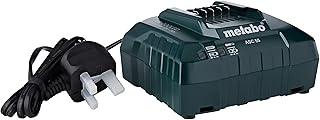


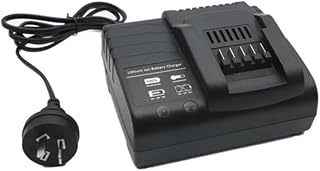


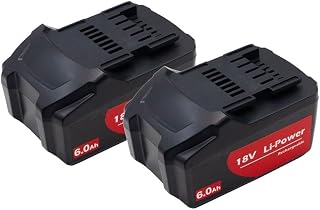

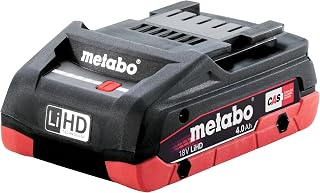


Keeping a cordless tool ready for work starts with the right battery and a dependable charger. A Metabo battery and charger can help Australian tradespeople, contractors, renovators and serious DIY users maintain a practical cordless setup. Whether you need a replacement battery, an additional pack for longer working sessions or a suitable charger for your existing battery system, choosing compatible equipment is essential.
Metabo cordless tools are used for a wide range of demanding applications, so battery choice can affect runtime, portability and overall convenience. When shopping online in Australia, check the voltage, battery platform, capacity and model compatibility before purchasing. This helps you select a power solution that matches the tool rather than relying only on appearance or battery size.
Battery capacity is commonly expressed in amp-hours, or Ah. In general, a higher Ah rating can provide more stored energy and potentially longer runtime, although actual performance depends on the tool, workload and operating conditions. A compact battery may be useful when low weight and manoeuvrability matter, while a higher-capacity pack can be useful for longer applications where reducing battery changes is important.
Voltage is another important specification. Always match the battery to the cordless tool and battery platform specified by the manufacturer. A battery that looks physically compatible may not necessarily be electrically or electronically suitable. Checking the tool model and battery system before ordering can help avoid compatibility problems.
A suitable charger is just as important as the battery itself. Chargers are designed for particular battery systems and charging requirements. When replacing a charger, compare the charger model, supported battery platform and electrical specifications with the battery you intend to charge.
Australian shoppers should also consider the plug and electrical requirements of the charger. If a product is intended for use in Australia, confirm that its specifications are appropriate for the local power supply. Avoid assuming that an international version is suitable simply because the battery connector appears identical.
Choosing a battery involves balancing runtime against size and weight. A smaller capacity can be convenient for overhead work, installation tasks and applications where tool weight matters. A larger capacity can be useful for intensive drilling, cutting, grinding or other extended jobs.
It is also worth considering how many batteries you need. Professionals who use cordless tools throughout the day may benefit from keeping a charged spare available. This can reduce interruptions when one battery needs recharging. For occasional home projects, a single compatible battery and charger may provide a more practical setup.
Start with the exact cordless tool model and its approved battery platform. Do not select a battery solely because it has the same nominal voltage as your existing pack.
Consider the balance between runtime, weight and intended use. Higher capacity is not automatically necessary for every application.
Make sure the charger supports the battery type and platform you use. Check model numbers and manufacturer specifications carefully.
Tradespeople working on construction sites may prioritise additional batteries and convenient charging, while home users may place greater emphasis on compact storage and occasional use.
A spare battery can be useful when a cordless tool is needed for continuous work. Instead of stopping completely while a depleted pack charges, you can switch to a charged battery when the tool and battery system permit it. This can be particularly helpful during larger renovation, installation, workshop or construction projects.
Having an additional battery can also make it easier to organise several compatible cordless tools. Before purchasing, however, confirm that the battery is suitable for the tools in your existing system. Battery platforms are not universally interchangeable simply because products come from the same brand.
When comparing Metabo battery and charger products, focus on compatibility first and then consider capacity, charging requirements, intended application and value. Look at the exact model references and technical specifications rather than relying only on product names. This is especially important when replacing an older battery or charger.
For Australian buyers, practical considerations such as local electrical compatibility, shipping requirements and product availability can also influence the purchase. A carefully matched battery and charger can help maintain a dependable cordless workflow and reduce unnecessary equipment downtime.
Check the exact tool model, compatible battery platform, voltage and recommended battery specifications. Capacity should then be selected according to your preferred balance of runtime, weight and portability.
A higher Ah rating generally represents greater stored capacity, which can provide longer runtime under comparable conditions. Actual runtime varies with the tool, workload, material and operating conditions.
No. Charger compatibility depends on the battery platform and charging specifications. Check the battery and charger model information before connecting them.
An additional battery can be useful if you regularly use cordless tools for extended periods. It allows a charged pack to be available while another battery is being recharged, provided both batteries are compatible with the tool.
Check battery compatibility, voltage, capacity, charger specifications and the electrical requirements of the charger. Also review the product information for suitability for use in Australia.
Not necessarily. Larger-capacity batteries can offer more runtime but may add weight and size. The appropriate option depends on the application, working duration and desired tool balance.
Use the tool model number and existing battery information to verify compatibility before purchasing. Match the specified battery platform rather than choosing only by voltage, physical appearance or capacity.