

♥ Wishlist


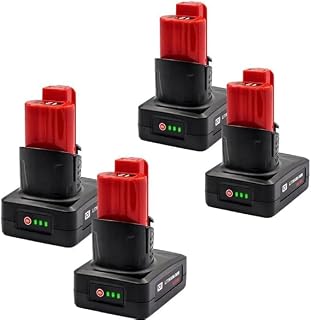


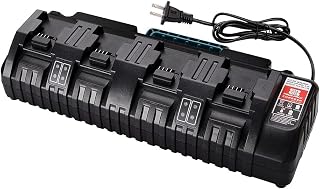


Reliable batteries and chargers are essential for getting consistent performance from cordless power tools. The Milwaukee battery and charger category brings together replacement and additional power options for users who want to keep compatible Milwaukee cordless equipment ready for work. Whether you are replacing a worn battery, adding a spare to reduce downtime or looking for a suitable charger, choosing the correct combination helps you get more from your cordless tool setup.
For Australian tradespeople, contractors, maintenance professionals and serious DIY users, cordless equipment offers practical freedom from extension leads and fixed power points. A suitable battery can make it easier to move between work areas, while an appropriate charger helps keep your batteries prepared for the next task. This makes battery selection an important part of building a dependable cordless toolkit.
Milwaukee produces batteries across different cordless tool platforms, capacities and performance levels. Before purchasing, check the battery platform required by your tool and confirm compatibility with the model you own. The physical connection, voltage platform and intended system should all match the manufacturer's specifications.
Battery capacity is another important consideration. Higher-capacity batteries can provide longer operating time between charges, which may be useful when working away from a convenient power source. Smaller or lighter options can be practical when portability and reduced tool weight matter more. Consider the type of work you regularly perform rather than choosing a battery based on capacity alone.
A compatible Milwaukee charger helps maintain your batteries between jobs. Chargers are designed for particular battery systems, so compatibility should always be checked before ordering. If you operate several cordless tools, having an additional charger can also make battery management more convenient, particularly when multiple batteries need to be prepared during a busy working day.
Think about where and how you normally charge your equipment. A dedicated charging area can help keep batteries organised and ready for use. Following the manufacturer's charging instructions and using the correct charger are important steps for safe and reliable battery care.
Runtime depends on several factors, including battery capacity, the tool being used, the material being worked on and the intensity of the application. A battery used with a high-demand power tool may require more frequent charging than one used for lighter applications.
For extended jobs, keeping a charged spare battery available can help reduce interruptions. For overhead work, installation tasks or applications where the tool is carried for long periods, weight and balance may be particularly important. Comparing capacity and portability allows you to choose a battery that suits the way you work.
One advantage of a compatible cordless battery platform is the ability to use suitable batteries across multiple tools within that system. This can simplify battery management and reduce the number of different charging solutions required. However, compatibility should never be assumed solely because two products carry the same brand name. Always verify the platform and specifications before buying.
A practical setup may include one or more primary batteries, a spare battery for busy jobs and a compatible charger. This approach can be useful for workshops, construction sites, property maintenance, landscaping and home improvement projects. The ideal combination depends on the tools you use and the amount of work you complete between charging periods.
Start by identifying the exact Milwaukee cordless tool or battery platform you already use. Then check the required voltage system, compatibility information and battery capacity. If you are replacing an existing battery, compare its specifications with the replacement you are considering.
For chargers, check that the charger is designed for your battery system. It is also sensible to consider how many batteries you normally need to charge and how frequently you work with cordless equipment. Australian shoppers should also pay attention to product specifications and ensure that the charging equipment is appropriate for use with their local electrical requirements.
Good battery care can help you get dependable service from your cordless equipment. Store batteries according to the manufacturer's recommendations and avoid exposing them to unsuitable temperatures, moisture or physical damage. Keep charging contacts clean and inspect batteries regularly for signs of damage.
Use the manufacturer's recommended charging equipment and follow the supplied instructions. If a battery appears damaged, swollen or otherwise unsafe, stop using it and follow the manufacturer's guidance for inspection, replacement or disposal. Proper storage and charging habits can make battery management simpler while supporting safer workshop practices.
Australian shoppers should consider the application, battery platform, capacity, portability and charging requirements before choosing a product. A battery intended for occasional DIY work may have different priorities from one used throughout a professional working day. Likewise, a user with several batteries may benefit from a charging setup that suits their regular workflow.
Take time to compare compatible options and check the specifications of your existing Milwaukee tools. By matching the battery and charger to your cordless system, you can create a more organised power solution and help keep your tools available when you need them.