

♥ Wishlist
Compare 6 Corded Circular Saw products in Australia. Reviews, ratings, pros, cons and buying advice updated for October 2026.
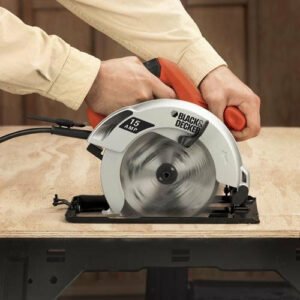
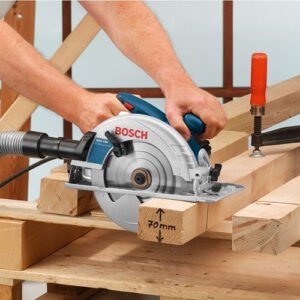

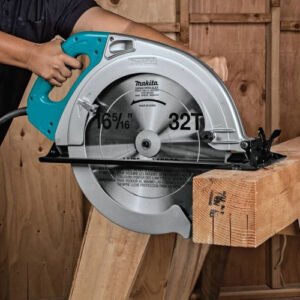


An advanced corded circular saw can be a particularly practical choice for Australian workshops, renovation projects, carpentry, building work and demanding DIY because it provides continuous mains-powered operation without relying on battery capacity. The right model should not be selected on motor power alone. Blade diameter, cutting depth, bevel range, handling, visibility, dust management, trigger design, base construction, adjustment mechanisms and compatibility with the type of timber or sheet material you routinely cut all affect real-world usefulness.
For Australian buyers, electrical compatibility is also an important consideration. Check that any imported or locally sourced corded saw is appropriate for the Australian electrical system and supplied with the correct plug, voltage and frequency requirements. Product specifications should always be checked against the current manufacturer's documentation before purchase.
This buying guide focuses on the characteristics that distinguish a basic circular saw from a more capable professional or advanced model. It is designed to help you compare specifications, understand which features genuinely matter and avoid paying extra for capabilities you are unlikely to use.
The term “advanced” is not a universal technical classification. In practical buying terms, it generally refers to a corded circular saw with a combination of stronger construction, useful adjustment features, good cutting control and design details intended for frequent or demanding work.
An advanced model may provide more precise bevel adjustment, a more rigid shoe, better sight lines, improved balance, easier depth adjustment, a more effective dust outlet or stronger components around the blade and motor assembly. Some models are designed specifically for framing and construction, while others are better suited to workshop work where controlled, accurate cuts are more important.
Rather than assuming that one specification makes a saw universally superior, compare the following ten categories of advanced corded circular saw solutions. The best choice depends on the material, cut type, frequency of use and working environment.
Blade diameter is one of the first specifications to examine because it influences the maximum cutting depth available from the saw. However, the largest blade is not automatically the best option.
A smaller or medium-sized circular saw can be easier to control, lighter to carry and more convenient for sheet goods and routine timber work. Larger-capacity machines may be more appropriate when cutting thicker timber is a regular requirement. Always distinguish between maximum cutting depth at 90 degrees and maximum cutting depth at a bevel angle, because angled cuts generally reduce effective cutting depth.
Motor input power can be useful when comparing corded circular saws, but it should not be treated as a direct measure of cutting performance. Mechanical design, blade selection, gearing, motor efficiency, blade sharpness and the material being cut all influence how a saw behaves under load.
A high-input-power saw may be unnecessary for someone primarily cutting thin sheet goods, while a user regularly cutting dense or thick timber may reasonably value a more powerful machine. Look at the complete specification rather than selecting solely on the largest wattage figure.
Also consider starting behaviour, sustained operation, motor cooling and how easy the saw is to control while cutting. A saw that is difficult to guide provides little practical benefit from additional motor capacity.
The circular saw itself is only one part of the cutting system. The blade determines how the machine interacts with the material, and using the wrong blade can produce poor results even when the saw has substantial motor power.
Always check the maximum permitted blade speed, diameter, arbor dimensions and material compatibility specified by the saw and blade manufacturers. Never assume that a blade will be suitable simply because it physically fits the arbor.
Bevel capability becomes increasingly important when a circular saw is being used for more than straightforward 90-degree cuts. It can be useful for framing, trim work, joinery, construction tasks and other applications requiring angled cuts.
When comparing bevel systems, examine more than the maximum angle. Look at how the adjustment is locked, whether the scale is easy to read, how securely the base holds the selected angle and whether the adjustment can be made quickly while wearing appropriate work gloves.
A good depth-adjustment system should make it straightforward to set the blade to the required cutting depth without unnecessary movement or uncertainty. Accurate adjustment is especially useful when you want the blade to extend only as far as necessary through a workpiece.
When comparing models, inspect the adjustment lever or knob, the clarity of the depth scale and the stability of the mechanism once locked. A poorly designed adjustment can become frustrating when making repeated changes between different material thicknesses.
The shoe is the surface that supports the saw against the workpiece. It therefore plays an important role in stability and cutting control.
Advanced models may use robust metal construction or other rigid materials designed to resist deformation. The important consideration is not simply the material name but how stable the shoe remains during cutting and adjustment.
A powerful circular saw is not particularly useful if the operator cannot easily see where the blade is travelling. Cut-line visibility depends on the shoe design, blade position, sight openings, lighting and the material itself.
When researching a model, look carefully at photographs and manufacturer documentation showing the saw from the operator's position. Features that appear impressive from the side may not necessarily improve visibility during an actual cut.
If accurate straight cuts are a priority, also consider whether the saw can be used effectively with a suitable guide system. A guide can help reduce reliance on freehand positioning, provided the saw and guide are compatible and correctly set up.
Weight should be considered alongside balance rather than in isolation. A heavier saw may contain robust components and provide substantial cutting capacity, but excessive weight can make repeated overhead or awkward-position cutting more tiring.
Examine the main handle, auxiliary handle, trigger position and overall centre of gravity. The best ergonomic design allows the operator to maintain control without needing excessive grip force.
One of the defining advantages of a corded circular saw is continuous access to mains power, but the power cord also introduces an additional planning requirement. The cord should remain away from the blade and cutting path and should not become caught around the workpiece or operator.
Australian users should also pay attention to the condition and suitability of extension leads, power outlets and protective electrical equipment used with the saw. Follow the manufacturer's electrical requirements and applicable Australian workplace or electrical-safety guidance for the environment in which the tool is being operated.
Cutting timber and sheet materials can generate substantial dust. Dust control is therefore an important consideration for workshops, renovation environments and indoor work.
If dust extraction matters to you, check whether the saw provides a dust outlet and whether its connection is compatible with the extraction equipment you already use. Do not assume that a dust port automatically provides effective collection under every cutting condition.
Dust extraction should complement, not replace, appropriate respiratory protection and workplace ventilation where those controls are required.
Circular saws contain rapidly rotating cutting equipment and should be treated as high-risk power tools. Safety features are important, but no built-in mechanism substitutes for correct operating technique, appropriate PPE, proper workpiece support and following the manufacturer's instructions.
Kickback is one of the most important hazards associated with circular saw operation. It can occur when the blade binds, stalls or is otherwise forced out of its intended cutting path. Workpiece movement, incorrect cutting technique, unsuitable blades and inadequate support can contribute to hazardous situations.
A saw with a strong motor does not eliminate kickback risk. Good workpiece support and correct cutting technique remain essential. Avoid positioning yourself directly behind the saw's potential kickback path, maintain a stable stance and follow the manufacturer's instructions for the specific tool.
Some advanced corded circular saws include electronic features intended to improve starting behaviour, control or stopping. Where available, soft-start functionality can make initial operation more controlled, while electronic braking can reduce blade coast after the trigger is released.
These features should be evaluated as part of the complete tool rather than treated as automatic indicators of superior cutting performance. Check the manufacturer's specifications to establish exactly which electronic functions a particular model provides.
If your work involves long sheet-material cuts or highly consistent straight lines, guide compatibility can be more important than a small difference in motor specifications.
Before purchasing a guide system, verify compatibility with the exact circular saw model. Consider the shoe dimensions, mounting method, guide interface and whether the resulting setup allows the saw to move smoothly without excessive play.
Think about the materials you expect to cut most often. A saw selected for framing timber does not necessarily provide the same advantages as one selected for fine woodworking or sheet goods.
Brand reputation can be useful when narrowing a large field of tools, but it should not replace specification-by-specification comparison. Established power-tool manufacturers such as Makita, DeWalt, Bosch, HiKOKI, Metabo and Ryobi offer different tool ranges aimed at different users and applications.
A professional-grade brand name does not automatically make every model the best choice for every buyer. Compare the exact model's blade size, cutting depth, bevel capability, weight, cord arrangement, adjustment system, accessories, replacement-blade compatibility and manufacturer documentation.
When shopping in Australia, also distinguish between the manufacturer's broader international range and the exact model currently offered for the Australian market. Product names and specifications can differ between countries.
The choice between corded and cordless technology depends largely on how and where you work.
If your work is primarily performed at a fixed workshop bench or construction site with reliable mains access, a corded saw can be a logical long-term solution. If you regularly move between locations without convenient power, cordless equipment may be more practical.
When two models appear similar, use a structured comparison rather than focusing on one headline specification.
Professional users should generally prioritise durability, predictable handling, cutting capacity and ease of adjustment over decorative features. A trade-focused circular saw needs to remain comfortable and controllable through repeated use.
Consider the frequency of use, materials normally encountered, required cut depth, typical bevel angles, availability of compatible blades and the practicality of transporting the saw between sites. If the tool is used frequently, ergonomic details can become just as important as raw motor specifications.
For serious DIY projects, a mid-range or professional-style corded saw can be worthwhile when it provides useful features without unnecessary complexity. Look for dependable depth and bevel adjustment, a stable base, clear cut-line visibility and suitable blade compatibility.
There is little benefit in purchasing the most powerful model available if your projects mainly involve occasional shelving, garden structures, renovation cuts or standard sheet materials. Match the tool to your actual workload.
Workshop users may place greater emphasis on cut accuracy, visibility, guide compatibility, dust extraction and comfortable handling than on maximum construction-oriented capacity.
If edge quality matters, allocate part of your budget to suitable high-quality blades rather than spending the entire budget on the saw itself. Workpiece support and a reliable guide can also make a significant difference to repeatability.
Renovation work can involve a wide variety of materials and cutting positions, so versatility is particularly valuable. A useful renovation saw should offer practical depth adjustment, a useful bevel range, manageable weight and compatibility with blades appropriate to the materials you expect to encounter.
Because renovation work can take place indoors, dust extraction and sensible dust-control practices may also deserve a higher priority than they would for outdoor construction work.
There is no universally correct price for an advanced corded circular saw. The appropriate budget depends on frequency of use, required cutting capacity, expected durability, included accessories and the cost of ownership.
For occasional users, paying significantly more for professional-level construction may provide little practical benefit. Frequent users should consider whether better ergonomics, stronger construction, easier adjustments and broader accessory compatibility justify the additional expenditure.
Rather than setting a budget around a brand name, define your requirements first and then compare products within the resulting specification range.
Specifications should be checked against the exact model number rather than a product family or similar-looking version. This is particularly important when shopping across international websites, where model numbers, plugs, accessories and electrical specifications can differ.
Routine maintenance can help keep a circular saw operating safely and predictably. Always disconnect the saw from the power supply before performing maintenance or changing the blade.
A dull blade can increase cutting effort, reduce finish quality and make the saw more difficult to control. Signs that a blade may require replacement or professional attention include noticeably slower cutting, excessive burning, poor cut quality, unusual vibration or visible damage.
Do not attempt to continue using a damaged blade. Select a replacement that matches the circular saw's specified diameter, arbor dimensions, speed requirements and intended material.
Australian buyers should compare the exact locally supplied model rather than relying on specifications copied from overseas listings. Check the model number, electrical requirements, supplied plug, included accessories and manufacturer's Australian documentation where applicable.
When comparing offers from retailers, examine the complete package rather than headline pricing. A lower-priced saw may become less attractive if essential accessories, suitable blades or other required components must be purchased separately.
Availability and pricing can change during 2026, so check the current retailer listing and manufacturer's specifications immediately before purchasing. Independent buying guides can help narrow the options, but the final specification check should always be performed against the current product information.
Customer feedback can provide useful information about usability, packaging, ergonomics and long-term ownership, but reviews should be interpreted carefully. Look for recurring observations rather than relying on one highly positive or highly negative comment.
For a balanced commercial comparison, the most useful criteria are those that affect actual cutting and ownership rather than superficial feature counts.
The best advanced corded circular saw for an Australian buyer is not necessarily the model with the highest wattage, largest blade or longest list of features. The strongest choice is the one whose cutting capacity, ergonomics, adjustment system, blade compatibility and construction match the work you actually perform.
For demanding construction work, prioritise durability, cutting capacity and control. For workshop woodworking, place more emphasis on precision, visibility, guide compatibility and dust management. For serious DIY and renovation work, seek a balanced model that provides enough capacity without unnecessary weight or complexity.
Before buying, compare the exact model specifications, verify Australian electrical compatibility, inspect the included accessories and consider the ongoing cost of suitable blades. Then check current retailer information and verified customer feedback so your final decision is based on the complete ownership picture rather than a single headline feature.
There is no single best model for every Australian user. The right choice depends on cutting depth, blade size, material, frequency of use, bevel requirements, ergonomics and budget. Compare the exact specifications of suitable models from established manufacturers such as Makita, DeWalt, Bosch, HiKOKI and Metabo before deciding.
Yes, particularly for users who work where reliable mains power is available and want continuous operation without battery charging. Cordless models offer greater mobility, but corded saws remain useful for workshops, construction environments and longer cutting sessions.
No. Motor input power is only one specification. Blade design, gearing, construction, cutting technique, material and overall tool control also affect practical performance.
Choose a blade size based on the maximum material thickness you actually need to cut. Larger blades can provide greater cutting capacity, while smaller machines may be easier to handle. Always follow the manufacturer's permitted blade diameter and arbor specifications.
A suitable circular saw and blade can be used for many hardwood applications, but the correct blade, cutting depth, feed rate and workpiece support are important. Confirm that the blade is specifically suitable for the material.
Bevel capacity is important if you regularly make angled cuts. If nearly all your work consists of straightforward 90-degree cuts, an extensive bevel range may be less important than weight, ergonomics and cutting capacity.
If you regularly work indoors or in a workshop, dust-extraction compatibility can be highly useful. Check the actual connection design and compatibility with your extraction equipment rather than assuming every dust outlet works with every vacuum.
Check the exact model number, voltage, frequency, plug configuration, electrical requirements, included accessories and applicable Australian-market documentation. Do not assume that an overseas version has the same electrical specifications or package contents as an Australian-market model.
They are established power-tool brands with broad product ranges, but brand reputation should not replace model-level comparison. Compare the specific saw's cutting capacity, weight, controls, blade compatibility, adjustments and Australian-market specifications.
Replacement frequency depends on the blade type, materials cut, workload and maintenance. Replace or appropriately service a blade when it becomes unsuitable, damaged or excessively worn rather than relying on a fixed calendar schedule.
Use appropriate eye and hearing protection and consider suitable respiratory protection where dust exposure requires it. Follow the manufacturer's safety instructions, secure the workpiece properly and keep the blade and electrical cord under control throughout the operation.
Not necessarily. A professional model can provide useful durability and features, but occasional users may obtain better overall value from a well-specified mid-range model that meets their actual cutting requirements.