

♥ Wishlist
Compare 9 Cordless Angle Grinders for Cutting, Grinding and More products in Australia. Reviews, ratings, pros, cons and buying advice updated for October 2026.

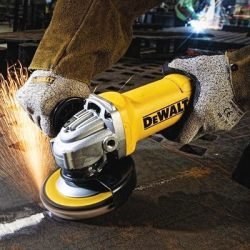
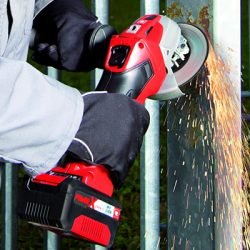
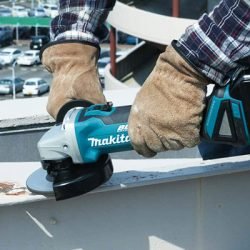

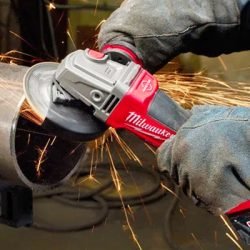
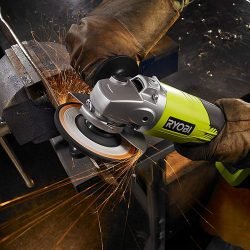


Choosing an advanced cordless angle grinder is about more than selecting the highest voltage or the largest battery. For Australian users, the right grinder needs to balance cutting and grinding performance, battery runtime, ergonomics, disc compatibility, protection features, charging requirements and the type of work you actually perform. A compact grinder suitable for light fabrication can be a very different proposition from a high-output model intended for demanding metalwork, masonry preparation or extended trade use.
This guide is designed to help Australian buyers compare advanced cordless angle grinder solutions on the specifications and characteristics that matter most. Instead of treating every grinder as interchangeable, consider the complete system: grinder, battery platform, charger, discs and accessories, replacement batteries, safety features and the manufacturer's broader cordless range.
Established power-tool brands such as DEWALT, Makita, Milwaukee, Bosch Professional, HiKOKI and Metabo offer cordless grinder platforms covering different performance levels and user requirements. However, brand reputation alone should not determine the purchase. Compare the particular model's specifications, included equipment and intended application before choosing.
An advanced cordless angle grinder typically combines a modern brushless motor with electronic control systems, a high-capacity lithium-ion battery platform and features designed to improve productivity and user control. Depending on the model, advanced functions can include electronic braking, overload protection, anti-kickback technology, variable-speed control, soft start, restart protection and intelligent battery communication.
The main advantage of a cordless grinder is freedom from a power cable. This can be particularly useful on construction sites, in workshops, during maintenance work, around vehicles and in locations where mains power is inconvenient. The trade-off is that performance depends on battery capacity, motor efficiency, workload and the condition of the battery pack.
A genuinely useful advanced grinder should therefore be evaluated as a complete cordless system rather than by one headline specification.
Brushless motors are common in higher-end cordless power tools because they eliminate conventional carbon brushes and use electronic motor control instead. This design can support efficient power delivery, reduced mechanical wear and better integration with electronic protection systems.
For an angle grinder, motor efficiency matters because grinding and cutting can place substantial continuous demand on the battery. A brushless grinder may therefore be preferable for users who regularly perform demanding work rather than occasional light-duty tasks.
Advanced cordless grinders can use electronics to manage current, temperature and motor behaviour. Protection systems can reduce the risk of damage caused by excessive load or overheating, while electronic controls can make starting and stopping more predictable.
These systems are particularly relevant when a grinder is used for repeated cuts, heavy material removal or applications where the disc can suddenly encounter increased resistance.
Specifications should be interpreted together rather than individually. A grinder with a higher nominal voltage is not automatically the best choice, and a larger battery does not necessarily make a tool more practical.
Disc diameter affects the grinder's cutting depth, physical size and suitability for different applications. Common cordless angle grinder categories include compact models using smaller discs and larger grinders designed for more substantial cutting and grinding work.
Before buying, identify the disc diameter required for your regular jobs. Using a smaller grinder simply because it is lighter can be sensible for fabrication and maintenance work, while larger material may require a grinder designed around a larger disc.
Never install a disc that exceeds the grinder's specified maximum diameter or operating requirements. The disc, guard and grinder must be compatible.
No-load speed indicates how quickly the spindle rotates when the grinder is running without a cutting or grinding load. A high no-load speed can be useful for applications where the selected accessory is designed for that operating range.
However, no-load RPM should never be considered in isolation. Always match the accessory's permitted operating speed to the grinder and follow the manufacturer's instructions.
Cordless grinder platforms are commonly marketed around battery voltage families. The important consideration is not simply the voltage printed on the battery. Motor design, electronic control, battery current capability and overall system design all influence real-world performance.
If you already own compatible cordless tools, staying within the same battery ecosystem can substantially improve the overall value of the purchase. A grinder that uses your existing batteries may be more practical than a theoretically more powerful tool that requires a completely new battery and charger system.
Battery capacity is normally expressed in ampere-hours. A higher-capacity battery can provide more stored energy, although actual runtime varies considerably with workload, material, accessory, motor efficiency, battery condition and operating technique.
For heavy grinding, battery capacity can become one of the most important ownership considerations. For short cutting tasks, a smaller battery may reduce weight and improve handling.
Weight matters because an angle grinder is commonly held in the hands while operating. A heavier battery can also change the balance of the tool even when the grinder itself is relatively compact.
For extended overhead work, fabrication, installation and maintenance, ergonomics can be more important than maximum theoretical output. Compare the complete working weight with the battery attached rather than judging the bare tool alone.
A tool-free adjustable guard can make it easier to position protection correctly for different cutting and grinding orientations. This can save time when switching between applications while reducing the temptation to operate with an incorrectly positioned guard.
Guard compatibility should always be checked against the disc diameter and accessory type being used.
A convenient spindle-lock system can simplify accessory changes. Some grinders also use systems intended to reduce the need for additional tools during disc installation or removal.
When comparing models, check precisely what is included and which accessory-changing system the grinder uses. Compatibility can vary between manufacturers and model families.
The central advantage of a cordless grinder is mobility. You can move around a worksite without managing an extension lead, and the tool can be particularly convenient for outdoor maintenance or locations where mains electricity is not immediately available.
A corded grinder, however, can remain attractive for prolonged work where continuous mains power is available. There is no need to stop for battery changes, and the tool does not depend on the charge level of a portable battery.
For many Australian buyers, the battery platform can be more important than the grinder itself. Cordless tools become considerably more convenient when several tools share compatible batteries and chargers.
DEWALT, Makita, Milwaukee, Bosch Professional and HiKOKI each have established cordless ecosystems, but batteries are generally platform-specific. Even within a manufacturer's range, compatibility should be confirmed for the exact model and battery generation.
If you already own several tools from one platform, calculate the cost of purchasing the grinder as a bare tool versus a kit. A kit may include a battery and charger, while a bare-tool configuration can be more economical for users who already have compatible equipment.
If the angle grinder is your first cordless tool, think beyond today's purchase. A battery platform can become a long-term investment because future drills, impact wrenches, circular saws, reciprocating saws, lights and other equipment may use the same battery family.
Compare the platform's available tool range, battery sizes and charging options before committing to a system.
An angle grinder can perform several jobs, but the ideal configuration depends on the application.
Metal cutting generally benefits from a grinder that provides controlled power delivery, good visibility around the guard and comfortable handling. The correct thin cutting disc should be selected for the material and used according to its instructions.
Repeated cutting can consume battery energy quickly, especially when working with thicker metal. If cutting is a major part of your workload, battery capacity and availability of replacement batteries deserve careful consideration.
Grinding places different demands on the tool because the accessory remains in contact with the material for longer. Motor efficiency, thermal management, ergonomics and control become particularly important during material removal.
A grinder that feels manageable during a short test may become tiring during extended grinding. Consider handle position, grip shape, trigger or switch design and total battery weight.
Grinding and flap discs can be used for tasks such as preparing metal surfaces, removing unwanted material or working on weld areas when the appropriate accessory is selected.
The accessory often has a significant influence on the final result. Do not judge grinder capability independently of the discs and wheels available for your application.
Some angle grinders are used with suitable diamond or masonry accessories for cutting or surface work. Dust management becomes especially important in these applications because generated dust can create serious workplace and equipment concerns.
Always verify that the grinder, guard and accessory are approved for the intended material and application. Use appropriate dust-control and respiratory protection measures where required.
Angle grinders are high-speed tools and should never be treated as casual handheld equipment. Advanced electronic safety features can improve control, but they do not replace correct technique, suitable protective equipment or the manufacturer's operating instructions.
An electronic braking system can help reduce the time required for the disc to stop after the tool is switched off. This can be useful when moving between work areas or placing the grinder down.
Kickback can occur when a rotating accessory becomes pinched, stalled or otherwise obstructed. Some advanced grinders include electronic systems intended to detect certain sudden changes in operating conditions and reduce motor output.
Such technology should be viewed as an additional layer of protection, not a reason to disregard correct disc selection, workpiece positioning and safe operating technique.
Overload protection can help prevent excessive electrical and thermal stress when the grinder is pushed too hard. If the tool repeatedly cuts out under load, reassess the accessory, material, technique and application rather than continually forcing the tool to restart.
Restart protection is designed to help prevent an unintended start following certain power interruptions. This is particularly relevant for cordless tools because batteries can be removed and reinstalled during normal use.
Soft-start control can make initial tool acceleration more gradual. This may improve handling when the grinder is switched on and can make starting behaviour feel more controlled.
Occasional users may not need the largest or most powerful cordless grinder. A compact brushless model can offer a useful balance of portability and capability for infrequent cutting, grinding and maintenance work.
For this type of buyer, battery cost and overall platform value may be more important than maximum output.
Users working on renovation projects may encounter metal, masonry, fasteners, brackets and other materials. A versatile grinder with suitable accessory compatibility can be useful, but the correct guard and disc must be selected for each application.
Frequent metalworking places greater emphasis on sustained performance, battery availability, ergonomics and accessory changes. Having multiple charged batteries can be more useful than owning a single very large battery if the work requires continuous productivity.
Construction users often prioritise durability, mobility and compatibility with an existing cordless tool system. Jobsite conditions can also make battery management and equipment protection important considerations.
Compact dimensions and manoeuvrability can be valuable around vehicles and machinery. A smaller grinder can provide easier access to confined areas, although the accessory and guard still need sufficient clearance.
Voltage is only one part of the system. Two grinders with similar nominal voltage can differ in motor design, electronics, battery compatibility, ergonomics and intended workload.
A low advertised tool price may refer only to the grinder body. If you do not already own compatible batteries and a charger, calculate the complete system cost before deciding.
A larger battery can increase runtime, but it can also increase weight. For overhead work or short jobs, the lightest suitable battery may provide better handling.
The grinder is only one part of the cutting or grinding system. Make sure suitable discs and accessories are readily available in the required size and specification.
Maximum output is not necessarily the most useful characteristic for every user. Control, weight, runtime, ergonomics and compatibility can have greater practical value depending on the job.
The guard is an important safety component. Never remove or modify protective equipment simply to make an accessory fit or to increase access to the workpiece.
If the grinder becomes part of your regular toolkit, batteries can become a significant ownership expense. Compare battery capacities and replacement options before selecting a platform.
When comparing the products in a shortlist, use the same criteria for every model. This prevents one impressive specification from dominating the decision.
Published battery capacity should not be interpreted as a guaranteed number of minutes of grinding or cutting. Runtime changes with the load placed on the motor.
Light trimming may use considerably less energy than continuous grinding. Thick material, aggressive pressure, large accessories and prolonged contact can increase energy consumption substantially.
For professional users, owning two or more compatible batteries can provide a practical workflow: one battery operates the grinder while another charges. The exact usefulness of this approach depends on charger speed, battery capacity and workload.
A premium cordless grinder cannot compensate for an unsuitable or damaged accessory. Cutting wheels, grinding wheels, flap discs, wire wheels and diamond accessories are designed for different tasks and materials.
Check the accessory's diameter, arbor specification, maximum operating speed and material/application compatibility. The accessory must be suitable for the grinder and installed correctly.
Cutting wheels are designed for cutting rather than aggressive side grinding. Using the wrong technique can increase the risk of accessory damage.
Grinding wheels are intended for material removal and surface work where the particular wheel specification permits it. Follow the wheel manufacturer's instructions regarding orientation and application.
Flap discs can be useful for controlled material removal and surface finishing on appropriate metals. Different abrasive grades provide different levels of aggressiveness and finishing capability.
Wire wheels can remove rust, coatings and contamination from suitable surfaces. Loose wire fragments can become hazardous projectiles, making eye, face and body protection particularly important.
Diamond accessories are commonly associated with masonry and mineral-based materials, but suitability varies by accessory design. Confirm that the specific accessory is intended for the material and grinder configuration.
Angle grinders can become tiring because the operator must maintain a firm grip while controlling a high-speed rotating accessory. The best grinder on paper may therefore be a poor choice if its balance and controls do not suit the user.
Look for a comfortable main grip, practical auxiliary-handle positions and a switch arrangement that can be operated predictably while wearing appropriate protective equipment.
Balance also matters. A compact grinder with a smaller battery may feel substantially different from the same tool equipped with a high-capacity battery.
Grinding and cutting can produce significant noise and airborne particles. Users should assess the work environment before selecting equipment and follow applicable workplace requirements.
Where dust is generated, appropriate extraction or suppression methods may be necessary depending on the material and working conditions. Masonry and concrete-related work deserve particular attention because fine dust can present serious health hazards.
Hearing protection, eye protection, suitable respiratory protection, gloves and appropriate work clothing should be selected according to the task and relevant Australian safety guidance.
Australian buyers should verify that the exact model is intended for the Australian market and that its documentation, electrical equipment and battery system are appropriate for local use. Product variants can differ between countries even when model names appear similar.
Before purchasing, check the complete listing carefully for the exact model number, included battery, charger, accessories, warranty information provided by the manufacturer or retailer, and applicable Australian consumer protections.
Availability can change, particularly when manufacturers introduce new cordless platforms or update existing models. Compare current specifications rather than relying on an old product description.
A bare-tool purchase is usually most attractive when you already own compatible batteries and chargers. It avoids unnecessary duplication and lets you allocate more of the budget toward the tool itself or additional batteries.
A complete kit may be more convenient for someone entering a cordless platform for the first time. However, compare what is actually included rather than assuming every kit contains the same battery capacity or charger.
There is no universal winner across every cordless angle grinder category. DEWALT, Makita, Milwaukee, Bosch Professional and HiKOKI all have established professional power-tool ranges, but their battery ecosystems, individual grinder models, accessories and specifications differ.
DEWALT is widely associated with professional cordless construction and workshop tools. When comparing a DEWALT grinder, focus on the exact battery platform, motor configuration, safety electronics, disc size and kit contents rather than relying on the brand name alone.
Makita has a broad cordless tool ecosystem and offers grinder configurations aimed at different applications. Buyers already using compatible Makita batteries may find platform compatibility particularly important when comparing individual models.
Milwaukee's cordless systems cover a wide range of professional applications. When considering a Milwaukee grinder, compare the particular model's battery requirements, control features, accessory compatibility and physical dimensions.
Bosch Professional offers cordless grinding solutions across different tool categories. Buyers should distinguish professional product lines from other Bosch ranges and verify exact battery compatibility before purchasing.
HiKOKI's cordless platform includes professional-grade tools and batteries. As with any brand, the specific model and battery combination should be assessed against the user's workload rather than selecting purely on brand familiarity.
Regular inspection can help identify problems before they affect safe operation. Maintenance requirements vary by manufacturer, so the model's instructions should always take priority.
Check the housing, switches, guard, auxiliary handle, spindle area, battery connection and other accessible components for visible damage. Do not operate a tool that appears damaged or behaves abnormally.
Motor cooling depends on adequate airflow. Dust and debris can accumulate around ventilation openings during grinding and cutting. Clean the tool according to the manufacturer's instructions and avoid methods that could force contamination deeper into the housing.
Do not use cracked, damaged, excessively worn or otherwise unsuitable discs and wheels. Confirm that accessories are correctly rated and installed before operation.
Battery storage should follow the battery manufacturer's recommendations. Avoid exposing packs to inappropriate heat, moisture or physical damage.
Repeated overheating, frequent overload shutdowns, very short runtime, poor handling or inability to complete the intended task can indicate that the grinder or battery combination is not well matched to the application.
Before replacing the tool, check whether the problem is caused by an unsuitable accessory, excessive pressure, incorrect technique, an unsuitable battery, restricted ventilation or a workload beyond the tool's intended duty.
Some premium features have practical value while others may matter only to particular users. Prioritise features that directly improve control, safety or productivity.
An angle grinder is versatile, but versatility does not mean it is always the safest or most efficient choice. A dedicated saw, cut-off tool, sander, polisher or other purpose-built machine may be more appropriate for particular jobs.
If a task requires exceptionally precise cuts, prolonged stationary operation, specialised dust control or a specific finishing process, compare purpose-built alternatives before deciding that an angle grinder is the correct solution.
Tool performance depends partly on operating technique. Avoid forcing the disc into the material. Allow the correct accessory and grinder to perform the work while maintaining stable control.
Use the correct accessory for the material and application, maintain appropriate contact, keep the workpiece securely supported and avoid positions where a kickback could move the grinder toward the operator.
For cutting applications, avoid twisting the disc in the cut. For grinding applications, use the wheel according to its intended contact angle and instructions. Always follow the manufacturer's safety guidance for the specific grinder and accessory.
The cheapest grinder is not necessarily the lowest-cost option over its useful life. Consider the total ownership picture: batteries, chargers, accessories, replacement discs, maintenance requirements and the likelihood that the same battery platform will support future tools.
A more expensive grinder can make sense if its features match a demanding workload, but occasional users should be cautious about paying for capabilities they will rarely use.
For affiliate buying research, compare current specifications and retailer information carefully and check the final price, package contents and customer feedback before completing a purchase.
There is no single best model for every Australian buyer. The most suitable option depends on the required disc size, workload, battery platform, runtime, weight, ergonomics, safety features and budget. Compare the exact specifications of the shortlisted models against your intended applications.
Brushless grinders can offer advantages in efficiency, electronic control and motor design, making them particularly attractive for frequent users. However, brushless technology alone does not determine whether one model is better suited to your work.
No. Voltage should be considered alongside motor design, battery capability, electronic management and overall tool architecture. Compare the complete specifications rather than selecting based solely on voltage.
Runtime varies with battery capacity, material, accessory, cutting or grinding pressure, motor efficiency and workload. Heavy grinding can consume considerably more energy than intermittent light-duty cutting.
Choose a bare tool when you already own compatible batteries and a charger. A kit can make more sense when entering a new battery ecosystem, but compare the included battery capacity and charger rather than assuming all kits are equivalent.
The ideal battery depends on the application. Larger batteries can provide greater stored energy but add weight. Smaller packs may be preferable for short jobs and situations where handling is more important than maximum runtime.
No. The disc must match the grinder's supported diameter, arbor arrangement, operating speed and intended application. Always check both the grinder and accessory manufacturer's requirements.
Many professional cordless grinders are designed for demanding trade applications. Suitability depends on the particular model, workload, battery system, accessory and duty requirements.
Appropriate protection depends on the application and material, but eye and face protection, hearing protection, suitable clothing and task-appropriate hand and respiratory protection may be required. Follow the manufacturer's instructions and applicable Australian workplace safety requirements.
Not necessarily. A higher-capacity battery can increase runtime but also increases weight. Choose according to the duration and intensity of your work and whether you value portability or extended operation more.
Inspect the grinder and accessories before each use and follow the manufacturer's maintenance schedule. Cleaning requirements and service intervals vary by model and operating conditions.
Confirm the exact model number, Australian-market variant, battery and charger configuration, disc compatibility, included accessories, current price, retailer information, manufacturer warranty terms and applicable consumer protections. Product listings can change, so verify the information at the time of purchase.
The best advanced cordless angle grinder is the one that fits the complete job rather than the one with the most impressive specification. Start with the materials you work with, determine the required disc diameter, estimate how heavily you will use the grinder and then compare compatible battery platforms.
For frequent professional work, prioritise sustained performance, battery availability, ergonomics, protection features and system compatibility. For occasional DIY use, a lighter and more economical platform may provide better overall value. Existing cordless-tool owners should give particular attention to battery compatibility because avoiding duplicate batteries and chargers can significantly affect the total cost.
Before purchasing any model in a 2026 shortlist, verify the exact Australian specification, included equipment and current retailer information. Read verified customer feedback for the specific model, compare technical specifications side by side and make sure the selected grinder and accessories are appropriate for the intended work.