

♥ Wishlist
Compare 4 Cordless Lawnmowers for Australian Gardens products in Australia. Reviews, ratings, pros, cons and buying advice updated for October 2026.
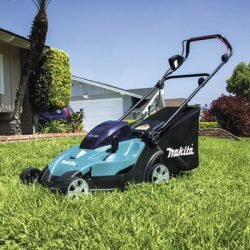
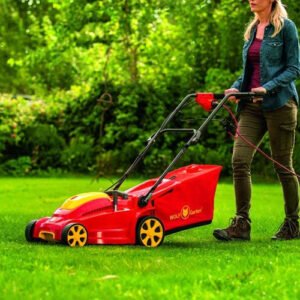
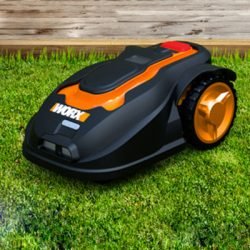


An advanced cordless lawnmower is more than a conventional mower with a battery attached. Current battery-powered models can combine brushless motors, electronic speed management, adjustable cutting systems, variable drive controls, larger cutting decks, mulching functions, foldable storage designs and battery platforms shared with other outdoor power equipment. For Australian buyers, the right combination depends heavily on lawn size, grass type, terrain, mowing frequency, storage space and the availability of compatible batteries.
Rather than selecting a mower solely because it has a high voltage rating or a large battery, compare the complete system. Motor efficiency, cutting width, deck construction, blade design, battery capacity, charger performance, height adjustment, collection capacity, wheel design and after-sales support can all influence how practical the mower is over several seasons.
The term advanced cordless lawnmower does not describe one universal technical specification. It generally refers to a mower with features and engineering intended to improve cutting performance, operating efficiency, control, durability or convenience compared with a basic battery mower.
Battery voltage is useful when comparing cordless platforms, but it should not be treated as a direct measurement of mowing performance. A mower's real-world capability depends on the interaction between its motor, electronics, blade system, deck width, battery capacity and operating conditions.
Battery capacity is commonly expressed in amp-hours (Ah). In simplified terms, a higher Ah rating within the same battery platform generally represents more stored electrical energy. However, runtime cannot be predicted from Ah alone because mowing conditions vary considerably. Long, wet or overgrown grass can demand substantially more energy than short, dry grass maintained regularly.
When comparing batteries, consider whether the quoted capacity refers to one battery or a combined system. Some larger cordless mowers use two batteries simultaneously, while others may accept a single pack. Also check whether the mower is supplied with batteries and a charger or whether those components must be purchased separately.
A single-battery mower can be attractive for smaller lawns and buyers already invested in a compatible battery ecosystem. Multi-battery designs can provide greater available energy and may be better suited to demanding mowing applications.
For an Australian property with a large lawn, compare the total usable battery capacity, recommended battery combinations, charger requirements and replacement-battery cost rather than looking only at the nominal voltage.
Battery compatibility can become one of the most important long-term purchasing decisions. Ecosystems from brands such as Makita, Bosch, Ryobi, EGO, Greenworks, DeWalt and Milwaukee can cover multiple categories of cordless equipment, although compatibility is normally limited to specific voltage platforms and product families.
If you already own compatible batteries, staying within that ecosystem can reduce the number of chargers and battery types you need to maintain. Before assuming compatibility, check the exact battery series and mower specification because batteries from the same manufacturer are not necessarily interchangeable across every product range.
Brushless motors are common in higher-end cordless outdoor equipment because they eliminate conventional motor brushes and can provide efficient electronic control. Their practical advantages can include reduced mechanical wear, efficient power delivery and the ability to manage motor output electronically.
Some advanced mowers use automatic power management that increases motor output when the cutting load rises. This can be useful when moving from lightly maintained grass into thicker growth. It may also help balance cutting performance against battery consumption rather than operating continuously at maximum output.
However, a brushless motor alone does not guarantee superior mowing. Blade geometry, blade sharpness, deck airflow, cutting width, software controls and battery performance all contribute to the finished result.
A wider cutting deck can reduce the number of passes required to cover a lawn. This can be particularly valuable on larger, relatively open areas. However, a wider mower is not automatically better for every Australian garden.
Measure the access points around your lawn as well as the lawn itself. Gates, garden paths, sheds and narrow side passages can make an apparently suitable large mower inconvenient to use.
Cutting-height adjustment determines how much grass remains after mowing. The correct height varies with grass species, season, weather, lawn condition and local growing conditions. A mower intended for year-round use should offer enough adjustment range to accommodate changes in growth.
A single central height-adjustment lever is usually faster to operate than adjusting individual wheels. Multiple height positions are useful when switching between routine maintenance and longer grass, but buyers should examine the actual minimum and maximum cutting heights rather than relying on marketing language.
Avoid removing excessive grass in one pass when a lawn has become significantly overgrown. Heavy cutting can increase motor load, reduce battery runtime and leave a less consistent finish. Gradual height reduction can be more practical for neglected lawns.
Grass-management options can significantly affect how convenient a cordless mower is. A mower may support rear collection, discharge or mulching, depending on its design and included accessories.
A collection catcher is useful when a clean appearance is the priority or when clippings should be removed from paths and garden areas. Compare the catcher capacity and how easily it can be removed and emptied. A small catcher may require frequent emptying, while a larger catcher can add weight.
Mulching cuts grass into smaller pieces and returns the material to the lawn where the design and mowing conditions allow it. It can reduce the need to empty a catcher, but successful mulching depends on mowing regularly, maintaining appropriate grass height and using a suitable blade or mulch configuration.
Discharge modes can be useful when collecting clippings is unnecessary. Check exactly which discharge accessories are supplied and whether a particular mode requires an additional component.
Self-propelled drive can make a substantial difference on larger properties, slopes or lawns where repeatedly pushing a heavy mower becomes tiring. The mower moves under its own drive while the operator controls its direction and pace.
Self-propulsion also consumes additional battery energy. If your lawn is small and mostly flat, a conventional push mower may be simpler, lighter and potentially more efficient. For larger or sloping gardens, the convenience can justify the additional complexity.
When comparing self-propelled models, investigate whether the drive speed is fixed or adjustable and whether the drive system can be disengaged independently of the blade.
Wheel size is easy to overlook during online comparison, yet it can have a noticeable effect on usability. Larger wheels can make uneven terrain easier to cross, while smaller wheels may keep a compact mower easy to manoeuvre in confined spaces.
The deck protects and supports the cutting system, so its material deserves attention. Steel decks can provide a substantial construction and may appeal to buyers prioritising robustness. Polymer and composite decks can reduce weight and resist corrosion, which may be useful in outdoor environments.
There is no universally superior deck material for every homeowner. A lighter mower can be easier to transport and turn, while a more substantial construction may appeal to users who prioritise durability. Consider the entire chassis design, not simply the material name.
Australian buyers should also consider how the mower will be stored. Even corrosion-resistant materials benefit from being kept dry and protected from unnecessary exposure to rain and harsh environmental conditions.
Cordless electric mowers are often chosen partly because they avoid the fuel engine associated with petrol equipment. Nevertheless, blade rotation, airflow, wheels and the motor can still generate noise and vibration.
Ergonomic handle design matters when mowing larger lawns. Look for comfortable hand positions, accessible controls and a handle that can be adjusted or folded appropriately. If the mower is heavy, consider how you will move it from its storage location to the lawn before purchasing.
Runtime claims should be interpreted as indicative rather than guaranteed mowing distances. Grass height, moisture, blade sharpness, terrain, cutting width, driving speed and operator technique can all affect battery consumption.
Dense or wet grass generally places greater demand on the cutting system than short, dry grass. Frequent mowing can therefore be beneficial from a battery-efficiency perspective because the mower does not need to process as much long material during each session.
For a larger property, consider whether the mower can accept additional batteries or whether carrying a charged spare battery is practical. Also examine charging time because a mower with excellent theoretical runtime may still be inconvenient if its battery takes a long time to recharge between sessions.
The charger is part of the ownership experience and should be considered alongside the mower. Check the supplied charger type, charging time, battery requirements and whether rapid-charging options are supported.
Battery packs should be stored and charged according to the manufacturer's instructions. Avoid exposing batteries or chargers to unnecessary moisture, excessive heat or physical damage. If the mower is used seasonally, follow the battery manufacturer's storage recommendations rather than leaving the pack unattended for extended periods without checking its condition.
Modern cordless outdoor equipment can include electronic protection systems designed to manage operating conditions. Depending on the manufacturer and platform, these can include overload protection, temperature monitoring, battery-status indicators and electronic controls.
Always check the specific mower documentation for the safety features actually provided. Do not assume that two mowers using batteries with similar voltage have identical protection systems.
Storage can influence which mower is genuinely convenient. A mower that performs well but cannot fit through your shed door or storage area is a poor match for the property.
Brand selection can be useful when evaluating battery ecosystems, replacement batteries, accessories and product ranges. However, a well-known brand name should not replace specification-level comparison.
Always verify the exact Australian model number, included accessories, battery compatibility and current specifications before purchasing because product configurations can differ between markets and product generations.
When two models appear similar, compare them in a consistent order rather than relying on the headline feature.
For a compact lawn, prioritise manoeuvrability, low weight, easy storage and a battery system that does not add unnecessary cost or complexity. A modest cutting width can be advantageous where the garden contains trees, borders and narrow sections.
Medium lawns often benefit from a balance between cutting width and battery capacity. A brushless motor, sensible deck size and a readily available spare battery can provide a practical combination for regular mowing.
For larger properties, place greater emphasis on total battery capacity, charging logistics, cutting width, collection capacity and self-propelled drive. A dual-battery design may be particularly relevant where the mower is expected to cover a substantial area in one session.
Slopes require additional attention to mower control, traction, weight and operator safety. Self-propulsion can reduce pushing effort, but it does not eliminate the need to follow the manufacturer's slope limitations and operating instructions.
Wet grass can be considerably harder to cut and collect than dry grass. It may also stick to the underside of the deck and increase the load on the cutting system. Whenever practical, allow grass to dry before mowing and follow the mower manufacturer's instructions regarding operating conditions.
Dust, debris and dry vegetation can also accumulate around outdoor equipment. Regular inspection and cleaning can help maintain airflow and reduce unnecessary buildup. Never work around the blade while the mower could accidentally start; follow the manufacturer's procedure for disconnecting the battery and securing the equipment before inspection or maintenance.
Cordless does not mean maintenance-free. A small amount of routine care can help preserve cutting performance and identify problems before they become more serious.
The blade is one of the most important components affecting the quality of the cut. A dull, bent or damaged blade can produce poorer results and may place additional load on the mower.
Blade servicing should be performed according to the manufacturer's instructions. If replacement is required, use the correct blade specification for the exact mower model. Do not assume that blades with similar dimensions are interchangeable.
Voltage alone does not establish which mower will perform best. Compare battery capacity, motor design, cutting system, deck size and intended application together.
A mower may appear inexpensive if the headline price excludes batteries or a charger. Calculate the complete operating setup, particularly if you are entering a new battery ecosystem.
A large cutting deck can save passes on open lawns but become frustrating in narrow gardens. Match cutting width to the physical layout of the property.
Runtime varies with grass and operating conditions. Treat manufacturer runtime information as a reference rather than a promise of a fixed lawn area in every situation.
Weight matters when lifting the mower, transporting it, turning around obstacles and storing it. A powerful mower that is unnecessarily difficult to handle may be a poor fit for your routine.
Product names can be similar across generations and markets. Confirm the exact model, battery platform, included accessories and Australian specification before purchasing.
Customer reviews can reveal practical information that specification sheets do not always communicate, such as ease of assembly, catcher handling, storage convenience or perceived battery management. They should nevertheless be interpreted carefully.
Cordless electric mowers can be particularly appealing when convenient starting, reduced routine engine maintenance and compatibility with an existing battery ecosystem are important. They can also be attractive for homeowners who prefer not to store petrol or manage engine-related maintenance.
Petrol equipment can still make sense for certain demanding applications, especially where long continuous operation and rapid refuelling are higher priorities. The best choice depends on the property and workload rather than the assumption that one power source is universally superior.
Advanced features are useful only when they solve a genuine problem. A homeowner with a small, flat lawn may not benefit enough from self-propulsion, very large batteries or an oversized cutting deck to justify additional complexity.
If the lawn is compact and regularly maintained, a lighter cordless mower with a straightforward control system may be easier to store, transport and operate. Buyers should pay for features that match their actual mowing conditions rather than selecting the most sophisticated specification available.
Australian shoppers should confirm that the specific mower configuration is intended for the Australian market. Check the model number, included battery and charger, electrical specifications, manufacturer documentation, replacement-part availability and retailer terms before completing a purchase.
Product availability and pricing can change throughout the year. Seasonal promotions, battery bundles and model updates can also alter the value proposition. For that reason, compare the current specification and total setup cost at the time of purchase instead of relying on an older advertised price or previous-generation configuration.
Where a product is available through Amazon Australia or another retailer, review the current listing carefully to determine exactly what is included. Similar product names can sometimes refer to different bundles, battery capacities or accessory packages.
The best value is not necessarily the lowest purchase price. A mower can represent better long-term value when its battery ecosystem, replacement parts, cutting performance, durability, storage design and feature set align with the owner's needs.
For an existing cordless-tool user, battery compatibility may provide significant practical value. For a first-time cordless buyer, the long-term cost of batteries and chargers deserves greater attention. For a large-property owner, battery capacity and self-propulsion may matter more than compact storage. For a small urban lawn, low weight and manoeuvrability may be more important than maximum power.
Before choosing an advanced cordless lawnmower in Australia, use the following checklist to narrow the options:
There is no single best mower for every Australian lawn. The appropriate choice depends on lawn size, terrain, grass conditions, preferred cutting width, battery requirements, storage space and budget. Compare the complete specifications and current configuration before choosing.
Some are designed for substantially larger mowing areas, particularly models with high-capacity or multi-battery systems. For a large lawn, focus on total battery capacity, charging time, cutting width, self-propelled drive and whether spare batteries are practical for your mowing routine.
Brushless motors can offer efficient electronic control and reduced mechanical wear compared with conventional brushed motor designs. However, motor type should be evaluated alongside the blade system, battery, deck, controls and intended lawn size.
Yes. They generally require less engine-related maintenance than petrol mowers, but blades, wheels, decks, catchers, battery connections and other components still require appropriate inspection and care.
There are two different questions: runtime per charge and battery service life. Runtime depends on mowing conditions and mower configuration, while service life depends on battery chemistry, usage, charging, storage and other factors. Follow the battery manufacturer's instructions for charging and storage.
A larger battery can be useful when you need longer operating time or want to reduce charging interruptions. It can also add cost and weight. Choose capacity according to the lawn area and mowing conditions rather than automatically selecting the largest available battery.
Not necessarily. It can be particularly useful on larger lawns, slopes or when pushing a heavier mower would be uncomfortable. For small, flat lawns, a push mower can be simpler and lighter.
Choose a cutting width that matches the size and layout of the lawn. Wider decks can reduce mowing passes on open areas, while narrower decks can provide better manoeuvrability around obstacles and through restricted spaces.
Some manufacturers design battery ecosystems that support multiple outdoor power tools. Compatibility is platform-specific, so check the exact battery series and model requirements rather than assuming that all products from one brand share the same batteries.
Wet grass can increase cutting load and may affect collection and mulching performance. Follow the manufacturer's operating instructions and, where practical, mow when the grass is dry enough for the mower to operate effectively.
Confirm the exact model number, cutting width, cutting-height range, battery capacity, included batteries, charger, collection system, self-propelled functionality, mower dimensions and Australian-market specifications. Also check current customer feedback and the retailer's current listing details before purchasing.
Use this guide as a framework for comparing cordless lawnmowers rather than as a substitute for checking the specifications of an individual model. Product configurations, accessories, battery bundles, prices and availability can change, particularly as manufacturers introduce new generations.
Before purchasing, compare the current Australian specification, verify what is included in the package, review the manufacturer's operating instructions and check current retailer information. The most suitable advanced cordless lawnmower is the one whose power system, cutting configuration, handling characteristics and battery ecosystem fit the actual lawn you maintain.