

♥ Wishlist
Compare 48 Best Tillers and Cultivators for Australian Gardens products in Australia. Reviews, ratings, pros, cons and buying advice updated for October 2026.


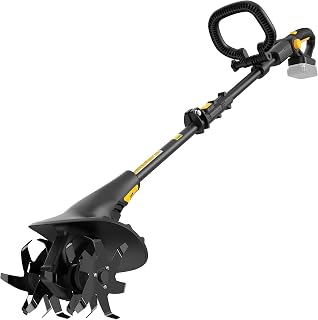


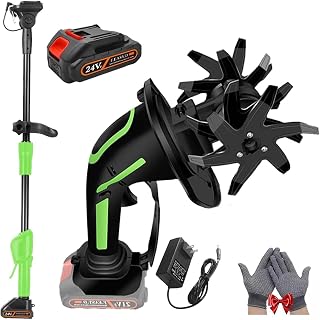


Choosing an advanced tiller or cultivator is less about finding the machine with the biggest engine and more about matching the machine's working characteristics to your soil, garden size, bed layout and intended frequency of use. Australian conditions vary considerably, from compacted suburban garden beds and clay soils to sandy coastal ground, established vegetable plots and larger rural properties. A machine that performs well in one situation may be unnecessarily heavy or difficult to control in another.
Before comparing individual models, consider the type of soil you will cultivate, how deeply you need to work, how frequently the machine will be used, the width of the areas you need to access and whether you need a lightweight cultivator or a more substantial rotary tiller. Engine output, tine configuration, working width, transmission design, transportability and available replacement parts can all affect long-term ownership.
The terms tiller and cultivator are often used interchangeably, but they generally describe machines intended for different levels of soil preparation. A cultivator is typically designed for lighter work such as loosening the upper layer of already workable soil, incorporating organic matter and maintaining established garden beds. A tiller is generally intended for more demanding soil preparation and deeper cultivation.
For Australian buyers, the distinction is particularly useful because garden size and soil conditions can differ dramatically between properties. A compact rear-tine or front-tine design may be unnecessary for a small backyard garden, while a lightweight cultivator can become frustrating if it is regularly expected to tackle hard, compacted ground.
Specifications should be assessed as a group rather than individually. A powerful engine does not automatically make a tiller the best choice, and a wide working width can be a disadvantage when working around established plants. Look at how the engine, transmission, tines, chassis and controls work together.
Petrol-powered tillers and cultivators remain relevant where users need mobility and do not want to manage a power cord. Engine displacement and rated output can provide an indication of capability, but they should not be treated as a direct substitute for overall machine design. Gear reduction, tine arrangement and transmission characteristics can have a major effect on how effectively engine power reaches the soil.
Electric and battery-powered cultivators can be attractive for smaller gardens because they can reduce fuel handling, engine maintenance and operating noise compared with petrol machines. However, buyers should consider battery capacity, compatible batteries, charging requirements and the expected working duration before choosing a cordless platform.
Working width determines how much ground can be cultivated during each pass. A wider machine can reduce the number of passes required over a large open area, while a narrower machine can be easier to manoeuvre around raised beds, paths and established plants.
Do not choose the widest machine simply because it appears more productive. Measure gates, sheds, garden paths and storage areas as well as the actual planting beds.
Maximum tilling depth is another specification that should be interpreted carefully. Deep cultivation is not always desirable for every garden or crop, and repeatedly disturbing soil more deeply than necessary can be counterproductive. The practical question is how easily the machine allows you to control working depth for the type of preparation you actually perform.
Depth adjustment may be provided through a drag stake, depth bar, wheel arrangement or another mechanical adjustment. A machine with useful depth control can be easier to adapt as soil conditions change.
Tine configuration has a significant influence on machine behaviour. Understanding the basic layouts can help Australian buyers narrow down their choices before comparing engine specifications.
Front-tine machines place the cultivating mechanism toward the front of the machine. They can be useful where manoeuvrability is important and are often considered suitable for general garden preparation. Their handling characteristics can vary substantially between models, so weight distribution and control layout deserve attention.
Rear-tine designs position the working tines behind the engine and operator controls. These machines are generally associated with heavier-duty soil preparation and can provide a different balance of stability and traction. Their larger size can also make them less convenient for small gardens and storage.
Counter-rotating tine systems are designed so that the tine rotation works against the forward movement of the machine. This configuration can be useful for challenging soil because the tines provide a different interaction with the ground. Buyers should compare the manufacturer's specified operating conditions rather than assuming that counter-rotation makes every machine suitable for extremely hard or untreated ground.
The tines are among the most important wear components on a cultivator. They experience repeated contact with soil, roots, stones and other debris, so material quality and replacement availability matter for long-term ownership.
When comparing a machine, look for clear information about tine construction and whether replacement tine sets are available. A machine may initially appear inexpensive, but difficult-to-source wear components can make long-term maintenance less convenient.
The transmission deserves as much attention as the engine. A tiller must convert engine power into controlled movement and tine rotation, and the transmission affects how the machine behaves when encountering resistance.
Some machines use a direct mechanical arrangement, while others incorporate gearing, belts, chains or other drive components. Buyers should check whether the manufacturer specifies forward and reverse movement, tine engagement controls, transport modes and any available speed selections.
For demanding applications, pay particular attention to how the machine handles changes in soil resistance. A useful tiller should allow the operator to maintain control rather than simply delivering maximum rotational force.
Weight can be beneficial when cultivating resistant soil because the machine may be less inclined to bounce or ride over the surface. However, additional weight also affects transportation, turning, storage and loading.
A good specification sheet should therefore be considered alongside the physical design. Examine handle height, control placement, wheel arrangement, centre of gravity and the method used to move the machine when the tines are disengaged.
Power source is one of the easiest ways to narrow down a shortlist. There is no universally superior option because the right choice depends on the size of the job, available power, storage arrangements and the user's maintenance preferences.
Petrol machines can be useful for larger gardens and locations where unrestricted movement is important. They do not require a mains power connection and can be appropriate for extended outdoor work. Buyers should account for fuel storage, engine servicing, oil requirements where applicable, starting procedures and routine maintenance.
Cordless cultivators can be convenient for residential users who already own compatible battery equipment. The absence of a power cable can make them easier to use around beds and garden structures. However, runtime depends on the battery system, workload, soil conditions and machine design.
When comparing cordless models, look beyond the headline voltage. Check whether the battery and charger are included, the battery capacity, charging requirements, compatible battery platform and whether additional batteries are available if longer sessions are required.
Corded machines can work well for gardens with convenient access to an appropriate outdoor electrical supply. Their main limitation is cable management. The operator must keep the cable away from the working mechanism and maintain a safe working arrangement throughout cultivation.
Australia does not have a single soil type, so buying decisions should be based on the conditions at the property rather than assumptions about the country as a whole. Clay-heavy ground can behave very differently from sandy soil, while soil containing stones or established roots can place additional demands on a cultivator.
Clay can become very hard when dry and sticky when excessively wet. Attempting to cultivate soil at an unsuitable moisture level can increase the workload on the machine and produce poor soil structure. A capable machine still needs to be used at an appropriate time and depth.
Sandy soil is generally easier to penetrate, but a lightweight machine can behave differently because the tines may move through loose material without the same resistance encountered in heavier soil. Working width, control and depth adjustment can therefore be more important than simply selecting maximum engine output.
Stones, thick roots and buried debris can create sudden resistance. Before cultivation, clear the area as much as practical and inspect the working zone. Do not assume that a consumer tiller is designed to remove large roots or excavate buried obstacles.
The most suitable machine size is strongly influenced by the area you need to cultivate and how much manoeuvring is involved.
Adjustable tine width can increase versatility by allowing the machine to work in both narrow rows and broader areas. It can be especially useful for vegetable gardens with different planting arrangements.
Reverse can make repositioning and manoeuvring easier, particularly with heavier tillers. Buyers should understand whether reverse is intended only for controlled manoeuvring or whether the machine has additional operating modes.
Transport wheels may appear minor on a specification sheet, but they can make a noticeable difference when moving a heavy machine between a shed and garden. Check whether wheels remain in place during operation and how the transport mechanism is adjusted.
Adjustable depth allows the operator to adapt the machine to different cultivation tasks. This can be more useful than simply having an unusually high maximum depth.
Guards and shields help separate the operator from rotating components and displaced soil. Inspect their design and ensure they remain correctly installed during operation.
Australian shoppers may encounter established outdoor-power-equipment brands such as Honda, Husqvarna, STIHL, Masport, Victa, Mantis and Earthquake when researching garden cultivation equipment. Brand recognition alone should not determine the purchase, however. Compare the specific model's specifications, intended application, parts support, operating instructions and local retailer information.
Different manufacturers may focus on different categories of garden equipment, so the presence of a brand on a shortlist does not automatically mean every model from that brand is suitable for heavy cultivation. Always compare individual machines rather than buying solely because of the badge on the housing.
More power can be useful, but it can also mean additional weight, higher operating demands and unnecessary cost. If your garden consists mainly of established beds, a large heavy-duty tiller may be inconvenient.
A wide machine can be productive in open ground but awkward in narrow beds. Measure the spaces you actually need to cultivate before selecting a machine.
Ratings can help identify patterns in customer satisfaction, but they should not replace specification checks. A product that works well for a small garden may not be appropriate for someone cultivating hard ground over a much larger area.
Tines, belts, filters, spark plugs and other service components can eventually require replacement depending on the machine. Before buying, investigate whether the manufacturer provides clear parts information and whether appropriate components are readily obtainable in Australia.
Large tillers require significantly more storage space than compact cultivators. Measure the available storage area, doorways and access routes before purchasing.
Garden cultivators have limits. Heavy grass, thick roots, buried stones and severely compacted ground can exceed the intended application of a lightweight machine. Check the manufacturer's operating guidance before attempting difficult work.
A useful comparison should place the important specifications side by side rather than focusing on one headline feature.
Regular maintenance can help preserve performance and identify problems before they become more serious. The exact maintenance schedule should always follow the manufacturer's instructions for the particular machine.
Follow the manufacturer's schedule for engine oil, air-filter inspection, spark-plug servicing, fuel handling and other engine maintenance. Fuel should be stored and handled according to applicable safety instructions and the engine manufacturer's recommendations.
Keep batteries clean and dry, inspect them for visible damage and follow the manufacturer's charging and storage guidance. Use only compatible batteries and chargers specified for the equipment.
Inspect the power cable, plug and other electrical components before use. Do not operate equipment with damaged electrical components, and follow the manufacturer's instructions for outdoor electrical operation.
Good preparation reduces unnecessary stress on the machine. Walk through the cultivation area before starting and remove visible stones, wire, large branches and other objects that could become caught in rotating components.
Do not cultivate soil simply because the calendar says it is time to prepare the garden. Soil moisture has a major influence on working conditions. Soil that is excessively wet can smear and compact rather than break apart cleanly, while extremely dry hard ground can place substantial resistance against the tines.
For new garden areas, avoid trying to achieve maximum depth in a single aggressive pass. Depending on the machine and soil conditions, several controlled passes may be more appropriate than forcing the tiller deeply into resistant ground.
Keep a steady pace and allow the machine to perform the work rather than repeatedly pushing down aggressively on the handles. Excessive force can make the machine harder to control and may not produce better cultivation.
When working around established plants, maintain sufficient clearance to prevent accidental damage to roots, stems and irrigation components. Garden beds should be planned so the machine can be operated without requiring awkward turns.
Rotary tillers contain moving components capable of throwing soil, stones and debris. Read the manufacturer's instructions before operation and use the protective equipment recommended for the specific machine and task.
A practical shortlist can usually be created by answering a small number of questions before comparing prices.
Customer feedback is most useful when it is read for recurring observations rather than isolated praise or criticism. Look for comments relating to the exact model and the conditions in which it was used.
For example, reviews mentioning easy manoeuvrability may be especially relevant to a small garden owner, while comments about traction and soil penetration may matter more to someone preparing a larger plot. Pay attention to whether reviewers discuss the same soil conditions, garden size and workload you expect.
It is also useful to distinguish between comments about the product itself and comments about delivery, packaging or retailer service. For an independent buying guide, the machine's specifications and suitability should remain the primary decision factors.
The lowest purchase price is not necessarily the lowest overall cost. Consider the machine's expected workload, maintenance requirements, consumable components, battery ecosystem where applicable and likely service life.
A more expensive machine can make sense when its construction and capabilities directly address a demanding application. Conversely, paying extra for features that will rarely be used may not provide meaningful value for a small residential garden.
When comparing deals, check whether batteries, chargers, accessories or other required components are included. Two apparently similar prices may represent different packages, so compare the complete equipment configuration rather than the headline figure alone.
An advanced tiller or cultivator is best understood as a machine that offers a useful combination of power, control, adjustability, durability and operator convenience rather than simply having a large engine. Features such as adjustable working width, depth control, reverse movement, improved tine configurations and thoughtful transport arrangements can make a larger difference in real-world use than a single high specification.
For buyers comparing premium equipment, the key question is whether the additional features solve a genuine problem. If a feature improves control, reduces unnecessary effort or makes the machine substantially more adaptable to your garden, it can have practical value. If it simply increases the specification without benefiting your application, it may not justify additional expenditure.
Start by defining the job rather than starting with a brand or price. Determine the size of the area, soil conditions, desired cultivation depth and frequency of use. Then choose the appropriate machine category and power source.
Once you have narrowed the field, compare several models using the same criteria. Verify working width, depth, tine arrangement, machine weight, controls, power requirements and maintenance information. Check current Australian retailer listings separately because package contents, pricing and availability can change.
Finally, read verified customer reviews for the exact model and look for evidence that users have operated the machine in circumstances similar to yours. This approach produces a more useful buying decision than relying on popularity or a single specification.
There is no single best tiller for every Australian home garden. The right choice depends on garden size, soil conditions, cultivation depth, required working width, storage space and preferred power source. A compact cultivator may be ideal for established beds, while a heavier tiller can be more appropriate for larger areas or demanding soil preparation.
Not exactly. A cultivator is generally associated with lighter soil maintenance and shallow cultivation, whereas a tiller is generally designed for more substantial soil preparation. Manufacturers may use these terms differently, so always check the specific machine's intended application and specifications.
Neither is automatically better. Petrol models can provide unrestricted operation and may suit larger or more demanding jobs, while battery models can offer convenient cordless operation and reduced routine engine maintenance. The better option depends on workload, runtime requirements, storage and personal preferences.
Choose a width based on the spaces you actually cultivate. Wider machines can cover open ground faster, while narrower machines are easier to use between rows and in confined beds. Measure access points and garden paths before selecting a machine.
The appropriate depth depends on the cultivation task, soil and manufacturer's operating guidance. Maximum depth should not automatically be treated as the ideal working depth. Controlled cultivation at an appropriate depth is generally more useful than forcing a machine as deeply as possible.
A suitable heavy-duty tiller may be capable of working difficult clay under appropriate conditions, but soil moisture and preparation remain important. Extremely dry or wet clay can be difficult to cultivate effectively, and repeatedly forcing a machine through unsuitable ground can increase wear and reduce control.
Some compact cultivators are better suited to maintaining established beds, but any rotating tine can damage plant roots or stems. Maintain appropriate clearance and follow the machine manufacturer's guidance. For very confined areas, hand tools may provide better control.
Tine quality is important because tines are directly exposed to soil and are subject to wear. Compare construction, replacement availability and the manufacturer's replacement procedure when evaluating long-term ownership.
Choose a wide tiller when productivity across open ground is the priority. Choose a narrower machine when manoeuvrability and access between beds are more important. Adjustable-width designs can provide additional flexibility where both types of work are required.
Inspect the tines, guards, handles, wheels, controls, transmission, engine or motor, electrical components where applicable and any visible signs of excessive wear. Ask for maintenance information and confirm that replacement parts are identifiable for the exact model. A low purchase price is less attractive if critical components are difficult to source.
Yes. The exact requirements depend on the machine. Petrol equipment generally requires engine-related maintenance, while battery and electric models have different inspection and care requirements. All types should be kept clean, inspected for wear and maintained according to the manufacturer's instructions.
Compare working width, working depth, power source, machine weight, tine configuration, transmission, controls, transport features, maintenance requirements, replacement parts and manufacturer documentation. These factors often have more practical importance than a small difference in purchase price.
The best advanced tiller or cultivator for an Australian garden is the one that provides the right combination of power, control, working width, cultivation depth, durability and convenience for the job you actually need to perform. Bigger and more powerful does not automatically mean better, and a highly rated machine may still be unsuitable if its design does not match your soil or garden layout.
Use the comparison process to evaluate the complete machine rather than one headline specification. Check the exact model's technical details, consider how it will behave in your soil, investigate replacement parts and maintenance requirements, and compare current retailer information before making a final decision.
For the latest buying decision, compare the shortlisted models on performance requirements, construction, usability, customer feedback and overall value rather than relying on price alone. This approach can help Australian gardeners choose equipment that is appropriate for both today's cultivation work and the maintenance demands of future growing seasons.