

♥ Wishlist
Compare 30 Cordless Wall Scanner products in Australia. Reviews, ratings, pros, cons and buying advice updated for October 2026.
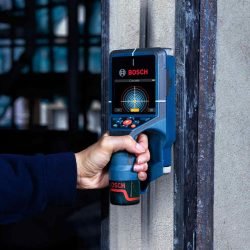
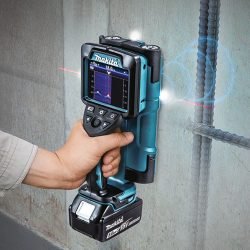


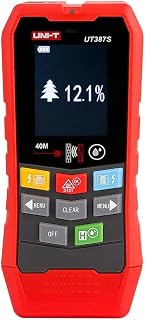


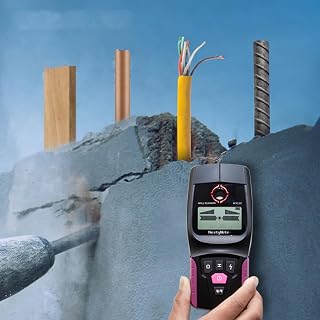


An advanced cordless wall scanner is designed to help identify objects hidden behind wall, ceiling and floor surfaces before drilling, cutting, fastening or installing fixtures. For Australian homes and work sites, the right detector can be useful for locating timber studs, metal, electrical wiring and, on more capable scanning systems, pipes or other embedded materials.
The most important point is that a wall scanner is a detection aid rather than a guarantee that an area is safe to drill. Results can vary according to wall construction, moisture, surface coverings, object orientation, depth and the detector technology being used. Before drilling into an area where electrical, plumbing or structural services may be present, use the manufacturer's instructions and appropriate professional procedures.
For shoppers comparing advanced cordless wall scanners in 2026, the best choice is rarely determined by maximum detection depth alone. Detection technology, target types, wall-material compatibility, accuracy, display feedback, power system, ergonomics and the type of work you perform all deserve consideration.
Wall scanners generally use one or more sensing methods to identify changes beneath a surface. Simpler detectors may rely primarily on electromagnetic sensing for metal and electrical conductors, while more sophisticated scanners can use radar-based technology to detect a broader range of embedded objects.
This distinction matters when comparing products. A detector designed primarily for studs and metal is not equivalent to a professional radar scanner intended to locate several types of objects within concrete, masonry or drywall.
Radar-based systems are among the most versatile options for professional users because they can analyse changes beneath the surface rather than depending solely on a magnetic response. Models such as the Bosch D-tect 120 are designed to detect several object categories, including metals, water-filled plastic pipes, wooden substructures and electrical cables.
A radar scanner can be particularly useful for renovation, plumbing, electrical installation, carpentry, HVAC work and other applications where the material behind the surface is not known in advance.
However, radar technology should not be interpreted as meaning that every hidden object will always be detected. Manufacturer specifications describe maximum or expected capabilities under defined conditions. Actual performance can change with wall composition, reinforcement, moisture, object size, depth and the surrounding environment.
Electromagnetic wall scanners can be very effective for identifying metallic objects and live electrical conductors. They are often more straightforward to operate than advanced radar systems and can make sense for homeowners, installers and tradespeople who mainly need to identify studs, metalwork and electrical wiring.
The Bosch GMS 120-27, for example, is designed to detect magnetic metals, non-magnetic metals, wooden substructures and live cables. Its published specifications list maximum detection depths of up to 120 mm for non-magnetic metals, 100 mm for magnetic metals, 50 mm for live cables and 30 mm for wooden substructures.
If your main task is hanging cabinets, shelves, televisions, wall-mounted equipment or other fixtures on plasterboard walls, stud detection may be more important than extreme scanning depth.
A useful stud finder should provide a clear indication of the centre of the detected timber member rather than simply producing a vague signal across a broad area. Repeat scanning from several directions can help establish the likely position before making a hole.
Metal detection is useful when working around metal framing, fasteners, pipes, conduit, reinforcing material and other metallic components. Check whether a scanner differentiates between ferrous and non-ferrous metals if that distinction matters to your work.
Ferrous metals such as iron and steel respond differently from non-ferrous metals such as copper. A scanner that identifies both categories can provide more useful information than a basic magnetic stud finder.
Electrical cable detection is one of the most valuable functions of a wall scanner, but it should never be treated as a substitute for electrical safety procedures.
Detection performance can depend on whether a cable is energised, how it is positioned, the surrounding construction and the depth beneath the surface. A detector may also have limitations when cables are shielded, deeply embedded or surrounded by other conductive materials.
For Australian renovation work, always follow appropriate electrical safety requirements and use qualified electrical professionals where required.
Maximum detection depth is one of the easiest specifications to compare, but it is also one of the most frequently misunderstood.
A scanner might advertise a maximum depth for metal while offering a considerably lower depth for timber studs or live cables. Therefore, compare detection depth by target type rather than relying on a single maximum figure.
For example, the Bosch D-tect 120 specifies maximum detection depths of up to 120 mm for magnetic and non-magnetic metals, 60 mm for live cables and 38 mm for wooden substructures. This illustrates why a scanner's individual detection categories matter more than its headline depth.
Look for a detector that matches the materials found in your property or work environment. A basic stud finder may be sufficient for plasterboard and timber framing, while renovation work involving concrete, masonry, pipes and metal reinforcement can justify a more advanced scanner.
Useful categories to compare include timber, ferrous metal, non-ferrous metal, live electrical cables, non-live cables and water-filled plastic pipes.
Australian buildings can contain plasterboard, timber framing, brick, concrete, masonry, tiles and combinations of these materials. The same detector will not necessarily perform identically on every surface.
Before purchasing, check the manufacturer's stated wall types and operating modes. A scanner intended primarily for drywall may not be the best choice for reinforced concrete renovation work.
Finding an object is only part of the job. If you intend to drill, the ability to determine the centre of a stud, pipe or other target can be equally important.
Centre-finding features can reduce uncertainty when positioning fixings. Some professional scanners also provide directional guidance that helps the user move toward the detected object's centre.
A clear display can make a scanner substantially easier to use. Look for straightforward visual indicators, target identification, signal strength information and obvious warnings where available.
Audio feedback can also be useful when scanning across large areas because the operator does not have to watch the screen continuously. The best interface depends on the working environment and personal preference.
Calibration is an important consideration because incorrect preparation can lead to confusing results. Some modern detectors are factory calibrated and designed to simplify operation, while others may require specific calibration procedures depending on the scanning mode.
Always follow the operating sequence in the manufacturer's manual. Avoid assuming that a scanner can simply be switched on and dragged across every surface without preparation.
For a cordless wall scanner, examine the battery system as carefully as the sensing technology. Battery-powered operation is particularly convenient when working on construction sites, in unfinished rooms or in areas where access to a power outlet is inconvenient.
Some professional detectors accept rechargeable lithium-ion batteries, while certain models also support standard AA batteries or alternative power configurations. The Bosch D-tect 120, for example, supports a 12 V lithium-ion battery or four AA batteries, giving users flexibility in how the detector is powered.
A wall scanner can become uncomfortable if it is repeatedly used above shoulder height, across large walls or during long renovation sessions. Consider overall weight, grip design, button placement and screen visibility.
A lighter detector may be preferable for occasional household work, while a more feature-rich professional scanner may justify additional weight when its extra capabilities are regularly used.
Construction environments can be dusty, dirty and occasionally damp. If you expect to use a scanner on renovation or building sites, look for an appropriate ingress-protection rating and a durable housing.
The Bosch GMS 120-27, for instance, is specified with IP54 dust and splash protection and a shock-absorbing rubber casing. Features such as these can be more meaningful for professional users than cosmetic design.
For occasional DIY projects, a compact multi-material detector is often the most practical option. Look for simple controls, clear detection feedback and the ability to identify timber, metal and live electrical wiring.
There is little benefit in paying for advanced scanning functions that you will rarely use. If your typical projects involve mounting shelves, pictures, televisions and cabinets on plasterboard, a capable general-purpose detector may be enough.
Renovators should consider a broader detection range because walls can contain combinations of timber, electrical services, plumbing and metalwork.
A detector that can identify more than one material category provides greater information when you are working on kitchens, bathrooms, laundries, wall-mounted storage and renovation projects.
Electrical professionals should prioritise reliable cable detection, clear warning feedback, appropriate depth capability and operating modes suited to the materials encountered on site.
A wall scanner should complement established electrical testing and safety procedures rather than replace them.
Plumbing applications can benefit from scanners capable of detecting water-filled plastic pipes as well as metal components. Radar-based systems can be especially useful when the pipe material is not metallic.
Remember that an empty or non-water-filled pipe may present a different detection signature from a water-filled pipe. Always consider building plans, service locations and other available information when investigating hidden plumbing.
Builders and carpenters often need reliable stud and metal detection rather than maximum theoretical scanning depth. Fast centre finding, easy marking and a durable casing can have a significant impact on productivity.
For repeated site use, ergonomics and environmental protection should be included in the buying decision.
HVAC installation can involve drilling through walls and ceilings where electrical services, timber framing, metal components and plumbing may be present. A multi-material scanner can help identify potential obstructions before drilling.
For this type of work, broader material detection and deeper scanning capability can be more valuable than a basic stud-finding function.
The Bosch D-tect 120 is a professional radar-based detector aimed at users who need broader material detection. Its published specifications include detection of magnetic and non-magnetic metals, water-filled plastic pipes, wooden substructures, live cables and non-live cables.
The scanner has a stated maximum detection depth of 120 mm and supports drywall, concrete and universal wall types. Bosch also specifies a centre finder with object-direction indication and a spot-view function for narrower scanning areas.
Its dual-power design is useful for users who already operate within the Bosch Professional 12 V battery ecosystem, while AA battery compatibility can provide an alternative power option.
The Bosch GMS 120-27 is a more straightforward multi-material detector that does not use Bosch radar technology. It is designed to detect magnetic metals, non-magnetic metals, wooden substructures and live cables.
Its published maximum detection depths vary by material, reaching up to 120 mm for non-magnetic metal, 100 mm for magnetic metal, 50 mm for live cables and 30 mm for wooden substructures.
The GMS 120-27 is particularly interesting for users who want a compact detector with simple controls, material identification, a marking hole and a robust IP54-rated design.
Choosing between radar and conventional detection technology depends on the work rather than which technology sounds more advanced.
A manufacturer's maximum detection depth should not be interpreted as a guaranteed working depth in every wall.
Detection depends on several variables:
For this reason, a scanner advertised with a deeper maximum metal detection capability may not necessarily outperform another model for finding timber studs or live cables.
Australian homes and commercial buildings can use very different construction methods. A detector that performs well on standard plasterboard may behave differently on masonry, reinforced concrete, tiled surfaces or walls containing dense metal components.
Older buildings, renovated properties and extensions can also contain unexpected combinations of materials. Before scanning, consider the likely construction method and whether there are building plans or service drawings available.
Plasterboard walls are generally easier to scan for timber studs and electrical services than dense reinforced concrete. However, metal framing, insulation, multiple layers of board and surface finishes can affect readings.
Masonry can make detection more complicated because of its density and the presence of mortar, reinforcement, pipes and other embedded materials. Advanced scanners may be more appropriate for this environment than basic stud finders.
Concrete renovation work deserves particular caution. Reinforcing steel, conduits, pipes and other embedded components may be present, and scanning results can be influenced by the density and composition of the slab or wall.
Bathroom and kitchen tiles introduce another layer between the scanner and the substrate. Adhesive, tile thickness and moisture can affect readings, so users should follow the detector's instructions for finished surfaces.
The biggest number in a product specification is not necessarily the most important one. Always compare depth by material type and wall construction.
Not every wall scanner can detect plastic plumbing. If locating non-metallic pipes matters, confirm that the specific model supports that function and understand the conditions under which the stated detection capability applies.
A stud finder is designed to assist with locating objects. It should not be treated as an absolute guarantee that an area contains no electrical or plumbing services.
A cordless detector becomes much more convenient when its battery system fits the tools you already own. Conversely, buying a platform-specific battery tool without considering battery cost or availability can make the overall purchase less attractive.
A detector with impressive sensing technology can still be frustrating if its feedback is difficult to interpret. Look for a screen and controls that make target location understandable during real work.
Advanced radar scanners can offer capabilities that are valuable to professionals but unnecessary for occasional household use. Match the tool to the frequency and complexity of your projects.
The opposite mistake can be more problematic. If you routinely work around concrete, plumbing, electrical installations and structural materials, a basic stud finder may not provide the breadth of information you need.
Before scanning, read the operating instructions for the exact model. Different detectors use different modes, calibration procedures, scanning speeds and signal interpretations.
Look for visible signs of services, outlets, switches, plumbing fixtures, radiators, pipes and other installations. A wall scanner should form part of an overall assessment rather than being the only source of information.
Move the detector at a controlled speed rather than sweeping rapidly across the wall. Slow, consistent movements make changes in the signal easier to interpret.
If an object is detected, scan horizontally and vertically where practical. Repeated passes can help distinguish a genuine target from an isolated or ambiguous signal.
When the detector identifies the likely centre of a target, mark the location clearly. Centre-finding features are especially useful when preparing to install a wall fixing.
Do not treat a single scan as definitive proof that an area is clear. If the application involves electrical wiring, plumbing or structural components, use appropriate additional checks and professional procedures.
Wall scanners are precision measuring instruments, so basic care can help preserve reliable operation.
For cordless wall scanners, battery compatibility should be evaluated as part of the total ownership experience rather than as an afterthought.
A rechargeable lithium-ion system can be convenient for frequent users, particularly when the same battery platform powers other professional tools. Standard AA compatibility can be attractive for occasional users who want easily replaceable batteries without committing to a dedicated battery platform.
Check exactly what is included with the version being considered. The same model name can sometimes be offered in different packages with different batteries, chargers, cases or accessories.
A more expensive wall scanner can be worthwhile when its additional capabilities solve a genuine problem.
For occasional DIY work, however, these features should be weighed against actual usage rather than purchased simply because the specification appears more advanced.
When comparing several models, create a simple specification checklist rather than relying on star ratings or a single headline feature.
Feature lists can make different products appear dramatically different, but the most valuable scanner is the one whose capabilities correspond with the work you actually perform.
A homeowner mounting shelves may benefit most from accurate stud detection and simple operation. A kitchen installer may need reliable identification of timber, metal and electrical services. A plumber or HVAC installer may value multi-material detection and greater depth. A builder working with concrete may require a substantially more capable professional scanner.
This is why there is no universal best advanced cordless wall scanner for every Australian buyer. The right choice depends on the materials you encounter, the depth you need, how frequently you scan and the consequences of an incorrect reading.
When reading verified customer reviews for wall scanners, concentrate on comments that describe actual use rather than general statements such as “great product”. Useful reviews should explain the wall material, object being detected, scanning conditions and whether the display or signal was easy to interpret.
Australian shoppers should compare the exact model number and package configuration rather than assuming that every listing contains the same accessories or battery system.
Before purchasing, check the current specifications, retailer listing, included accessories, applicable warranty information and Australian availability. Product pricing and stock can change, so a recommendation should not be interpreted as a permanent price or availability claim.
It is also sensible to compare the cost of the complete setup rather than only the detector body. For a cordless professional tool, the battery, charger and carrying case can materially affect the total purchase cost if they are not already owned.
There is no single best model for every Australian user. For broad multi-material detection, a professional radar scanner such as the Bosch D-tect 120 is worth comparing. For straightforward detection of timber, metal and live electrical cables, the Bosch GMS 120-27 is another relevant option. The better choice depends on the materials, depth and applications involved.
Wall scanners are commonly designed as portable battery-powered instruments, so cordless operation is particularly practical. The important comparison is not simply cordless versus corded but whether the detector's battery system, runtime and portability suit your workload.
Many multi-material wall scanners can detect live electrical cables under specified conditions. However, detection capability varies by model and installation. A wall scanner should not be considered a substitute for proper electrical safety procedures.
Some advanced radar-based models can detect water-filled plastic pipes. The Bosch D-tect 120 is one example. This capability does not mean every plastic pipe will always be detected, particularly when conditions differ from those specified by the manufacturer.
Detection depth varies substantially according to the target. For example, Bosch publishes different maximum depths for the D-tect 120 depending on whether the target is metal, a live cable or a wooden substructure. Always compare the depth for the specific object you need to locate.
No. Deeper detection can be useful, but accuracy, target identification, wall compatibility, centre finding and ease of interpretation can be more important for many applications.
A basic stud finder is generally focused on locating framing members, while a more capable wall scanner can identify several categories of hidden objects, including metal and electrical cables. Advanced radar scanners can extend detection to additional materials and construction types.
Bosch offers both multi-material detectors and professional radar-based scanners designed for trade applications. The D-tect 120 and GMS 120-27 represent different approaches, so buyers should compare their specific detection technology and target capabilities rather than treating the Bosch brand alone as the deciding factor.
It depends on the project. A radar scanner can be valuable when you regularly work with concrete, plumbing and multiple hidden materials. For occasional plasterboard projects involving timber studs, metal and electrical wiring, a simpler multi-material detector may provide sufficient functionality.
No detection device should be treated as an absolute guarantee that an area is free from hidden services. Follow the manufacturer's instructions and appropriate electrical, plumbing and construction safety procedures before drilling or cutting.
Before choosing an advanced cordless wall scanner, confirm the following:
The best advanced cordless wall scanner is the one that gives you the right combination of detection capability, accuracy, usability and portability for your specific work.
For general DIY, prioritise simple operation and reliable stud, metal and live-wire detection. For renovation and trade applications, consider broader multi-material capability. For demanding work involving concrete, plumbing and mixed construction, a radar-based professional scanner may offer the additional detection functions worth paying for.
Brands such as Bosch have models covering different levels of capability, which makes direct specification comparison particularly useful. Rather than choosing solely from a “top 10” ranking, compare detection technology, target-specific depth, wall compatibility, power system, centre-finding features and durability against the work you expect the tool to perform.
Most importantly, treat a wall scanner as one part of a safe installation process. Good scanning technique, knowledge of the building, available service information and appropriate professional safety procedures remain essential when drilling into walls, floors or ceilings.