

♥ Wishlist
Compare 50 LED and Lighting for Australian Workspaces, Garages & Outdoor Areas products in Australia. Reviews, ratings, pros, cons and buying advice updated for October 2026.


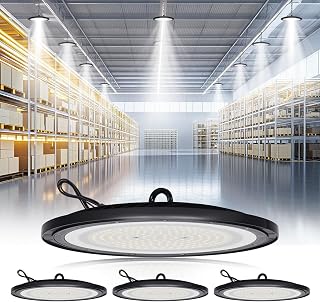


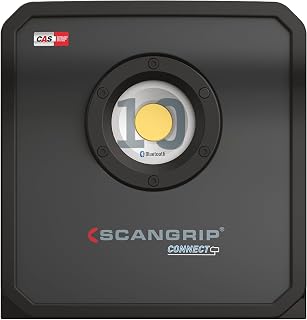


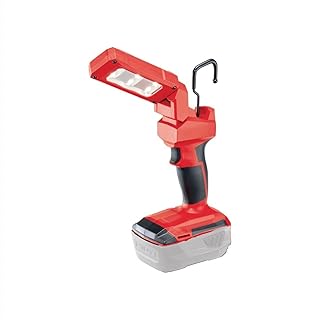


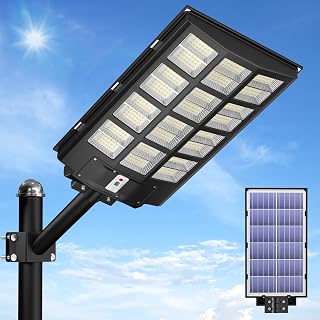


Advanced LED and lighting products now cover far more than basic replacement globes. Australian buyers can choose from high-output work lights, rechargeable inspection lamps, LED floodlights, smart lighting systems, portable area lights, headlamps, task lights and connected lighting designed for homes, workshops, garages, gardens and outdoor spaces.
The right choice depends on where the light will be used, how much illumination is required, whether mains or battery power is preferable, how often the product will be moved, and what level of control or automation is useful. A bright light is not automatically the best light. Beam pattern, colour quality, runtime, thermal management, durability and installation requirements can be equally important.
This guide focuses on the factors that matter when comparing advanced LED and lighting solutions for the Australian market in 2026, helping shoppers distinguish genuinely useful features from specifications that may have little practical benefit.
Advanced LED lighting generally combines efficient LED technology with improved optical design, electronic controls, smart functionality, durable construction or specialised performance characteristics. Depending on the product category, useful advanced features can include adjustable brightness, multiple lighting modes, colour-temperature control, motion sensing, app control, rechargeable batteries, USB charging, emergency operation, improved heat dissipation and weather-resistant construction.
For professional users, advanced lighting may also mean a work light engineered to survive frequent transport and job-site use. For homeowners, it may mean smart bulbs that can be scheduled or controlled remotely. For outdoor applications, the important features may instead be weather resistance, beam coverage and reliable operation in changing conditions.
LED technology can provide substantial illumination from relatively compact fixtures, but comparing products purely by wattage can be misleading. Wattage describes electrical power consumption rather than directly describing how much useful light reaches the work area.
When comparing lighting products, look for the stated lumen output and consider how the manufacturer defines the measurement. A high lumen figure can be useful for large areas, but excessive brightness in a small workspace can produce glare and reduce visual comfort.
A focused beam can be useful when inspecting machinery, illuminating a distant area or concentrating light on a particular task. A wide flood pattern is generally more appropriate when illuminating a workbench, room, driveway or larger work zone.
Some advanced lights combine flood and spot optics, allowing users to change the coverage according to the task. This can be more versatile than choosing the highest-output light available.
Three specifications frequently appear when comparing advanced LED lighting: lumens, lux and beam distance. They describe different aspects of lighting performance and should not be treated as interchangeable.
For a workshop or workbench, a broad and well-distributed beam may be more useful than an exceptionally long beam distance. For outdoor inspection, emergency use or navigating large areas, greater beam reach may be more valuable.
Colour temperature is another important buying consideration. It is normally expressed in Kelvin, with lower values appearing warmer and higher values appearing cooler or more daylight-like.
Adjustable colour temperature can be particularly useful where one fixture needs to serve multiple purposes. However, variable colour temperature should not automatically be considered better if the feature is unlikely to be used.
Brightness alone does not determine how useful a light is for detailed work. Colour rendering can affect how accurately surfaces, materials and objects appear under artificial illumination.
A higher colour-rendering specification can be valuable for tasks where distinguishing colours matters, including decorating, electrical work, automotive inspection, photography-related tasks and detailed workshop projects. Buyers should check the manufacturer's stated colour-rendering information rather than assuming that every LED product provides the same visual quality.
Power configuration is one of the biggest differences between lighting products. Mains-powered lights can provide continuous operation without worrying about battery capacity, while rechargeable products offer portability and freedom from a power outlet.
Mains-powered lighting is often suitable for fixed installations, garages, workshops, sheds, offices and outdoor areas where reliable access to electricity is available. It can be a practical choice when the light needs to remain operational for long periods.
Australian buyers should check the product's electrical specifications and installation requirements, particularly for permanently installed fixtures. Products intended for the Australian market should be appropriate for local electrical requirements and the intended installation environment.
Rechargeable work lights and portable lamps are useful when illumination needs to follow the user. They can be particularly convenient for maintenance, automotive work, camping, emergency situations and areas without convenient mains access.
Do not judge a rechargeable light solely by its maximum brightness. Runtime at different brightness levels, charging time, battery capacity, charging interface and battery replacement options can have a greater effect on everyday usability.
For users already invested in a cordless power-tool ecosystem, a compatible lighting product can be attractive because batteries and chargers may already be available. Brands such as Makita, Milwaukee and Bosch Professional offer lighting products designed around their respective cordless ecosystems.
The advantage is convenience and battery compatibility, but buyers should check whether the light is supplied with a battery and charger or sold as a bare tool. This distinction can significantly affect the total cost of ownership.
Work lighting has different requirements from residential decorative lighting. A useful work light should illuminate the task without creating excessive shadows, glare or distracting reflections.
For workshops and garages, consider lights with stable bases, adjustable heads, hanging points or mounting options. A flexible light can be repositioned as the work changes, while a fixed overhead system may provide more consistent general illumination.
Portable floodlights are useful when a large area needs illumination without installing a permanent fixture. They can be used around workshops, construction areas, outdoor projects, camping locations and temporary work zones.
When comparing floodlights, consider the relationship between output, beam spread, mounting height and working distance. A very high-output fixture with a narrow distribution may not illuminate a large area as effectively as a lower-output fixture designed specifically for broad coverage.
Outdoor lighting needs to withstand environmental conditions that indoor products do not encounter. Depending on the location, this can include rain, humidity, dust, temperature changes, UV exposure and accidental impact.
Check the product's stated ingress protection rating where applicable. An IP rating provides information about resistance to solid particles and water under defined testing conditions. The rating should be considered alongside the actual installation location rather than treated as a universal indication of outdoor suitability.
The first digit of an IP rating relates primarily to protection against solid particles, while the second relates to water ingress. Higher numbers generally indicate greater protection under the relevant test conditions.
A weather-resistant product may be appropriate for an exposed location, while a different rating may be sufficient beneath a covered patio or sheltered work area. Always follow the manufacturer's installation instructions and limitations.
Smart lighting adds connectivity and automation to conventional illumination. Depending on the ecosystem, users may be able to adjust brightness, change colour temperature or colour, create schedules, control groups of lights and integrate lighting with other smart-home devices.
Philips Hue, LIFX and Nanoleaf are examples of brands associated with connected lighting products. Compatibility should be checked carefully because smart-lighting ecosystems can differ in wireless standards, hubs, voice-assistant support and application features.
Some smart lighting products connect directly to a wireless network or compatible device, while others use a dedicated hub or bridge. A hub can provide additional functionality but adds another component to the system.
Before buying several smart lights, determine which ecosystem you want to use and verify compatibility between bulbs, switches, hubs and existing smart-home equipment. Choosing a consistent ecosystem can reduce setup complexity.
Headlamps are particularly useful when both hands need to remain available. They can be useful for maintenance, camping, inspection, emergency tasks and outdoor activities.
Look beyond maximum lumen output. Headlamp buyers should compare weight, strap comfort, beam pattern, battery placement, runtime, charging method and control layout. A lightweight headlamp with a practical beam may be preferable to a heavier model with an impressive maximum-output specification that is rarely required.
Inspection lights are designed for close-range visibility in areas where conventional lighting may be obstructed. Slim designs can help illuminate behind equipment, beneath vehicles, inside cabinets or around machinery.
Useful features can include magnetic bases, hooks, swivelling bodies, flexible sections and multiple illumination levels. These features can be more valuable in practical use than simply increasing the maximum brightness.
Automotive maintenance often benefits from portable lighting that can be positioned around an engine bay, under a vehicle or inside a cabin. A good automotive work light should provide adequate coverage while remaining easy to position.
Magnetic mounting can be convenient on compatible metal surfaces, but users should consider whether the magnet is strong enough for the intended orientation and whether the mounting surface is safe for the finish. Flexible or articulated designs can provide additional positioning options.
Portable LED lighting can also form part of a household or workplace emergency kit. Rechargeable lamps, lanterns and torches can provide illumination during power interruptions or when access to normal lighting is unavailable.
For backup use, battery storage behaviour and charging arrangements matter. A light that sits unused for long periods should be checked periodically according to the manufacturer's instructions so that it is ready when needed.
Camping lanterns generally prioritise broad, comfortable illumination rather than a concentrated beam. Diffused light can make it easier to illuminate a tent, campsite or table without producing the harsh hotspot associated with some torches.
For outdoor use, consider battery runtime, charging options, weather resistance, physical durability, hanging or mounting options and whether the controls remain practical in low-light conditions.
The housing material affects durability, heat management and overall handling. Aluminium housings can provide useful structural strength and help transfer heat away from electronic components, while high-quality engineered polymers can reduce weight and provide impact resistance.
For portable work lights, examine how exposed controls, charging ports, lenses, hinges and mounting points are protected. These areas can be more vulnerable during everyday handling than the main housing.
LEDs are efficient, but they still generate heat. Electronics, LED components and batteries can be affected by excessive operating temperatures. Good thermal design helps manage heat during sustained operation.
When comparing high-output products, look for sensible information about operating modes and thermal management rather than assuming that a very high advertised output can be maintained indefinitely.
Manufacturers may provide runtime figures under particular operating conditions. Maximum brightness normally consumes more energy than lower settings, so a single runtime number may not represent every use case.
When comparing rechargeable lights, look for runtime information across multiple brightness modes. Also consider whether the product can operate while charging, whether the battery is replaceable and how the charging system fits into your existing equipment.
Modern portable LED lights commonly use rechargeable lithium-based battery systems, although designs vary. Battery capacity can help indicate how much stored energy is available, but capacity alone does not determine real-world runtime because LED efficiency, electronics and operating mode also matter.
If a light will be used frequently, investigate the manufacturer's information about battery care, charging temperature, storage and replacement options. For occasional emergency use, long-term storage behaviour and the availability of a reliable charging method may be more important than achieving the highest possible output.
Prioritise even illumination, adjustable positioning, good colour rendering and easy controls. A combination of overhead lighting and portable task lighting can be more useful than relying on one extremely bright fixture.
Look for broad coverage, practical mounting options and durable construction. If the garage doubles as a workspace, supplement general illumination with focused task lighting.
Durability, battery compatibility, mounting flexibility and dependable controls are particularly important. Users already committed to a cordless platform may benefit from selecting a compatible work light from the same battery ecosystem.
Prioritise portability, battery runtime, charging flexibility and weather resistance. A lantern and a focused torch or headlamp can serve different purposes and may be more versatile than one light attempting to do everything.
Consider coverage, mounting position, weather protection, sensor functionality and the required operating schedule. Motion-activated lighting can be useful in locations where continuous illumination is unnecessary.
Choose the ecosystem first, then compare individual products within that ecosystem. Compatibility, control options and reliability can matter more than having the largest number of lighting effects.
Brand recognition can be useful when researching lighting, but it should not replace specification-based comparison. Established names such as Philips, Philips Hue, LIFX, Nanoleaf, LEDVANCE, OSRAM, Bosch Professional, Makita and Milwaukee cover different portions of the lighting market and may target different applications.
Compare the actual product rather than assuming that every model from a recognised brand has the same construction quality, brightness, battery system or warranty terms. Product specifications and intended applications can vary considerably within a single brand.
Philips is a familiar name across general lighting, while Philips Hue focuses strongly on connected and smart-home lighting. Buyers considering smart bulbs should compare the required connectivity, control methods, available features and compatibility with their existing smart-home setup.
For conventional lighting, compare lamp type, socket compatibility, brightness, colour temperature, dimensions and energy characteristics rather than purchasing based on brand familiarity alone.
LIFX and Nanoleaf are particularly relevant to buyers interested in decorative or connected lighting. Their products can appeal to users who want colour effects, scenes and smart controls, but buyers should check the specific connectivity and compatibility requirements of each product before building a larger installation.
Smart lighting is most useful when its controls fit naturally into the household's existing technology. If advanced effects are unlikely to be used, a simpler dimmable or colour-temperature-adjustable light may provide better value.
Bosch Professional, Makita and Milwaukee are examples of established power-tool brands with lighting products aimed at professional and trade environments. Their ecosystem approach can be particularly relevant when a user already owns compatible batteries.
However, ecosystem compatibility should be verified at the individual model level. Battery voltage, physical battery design and charger compatibility are not automatically interchangeable between brands or product generations.
When evaluating a shortlist, create a consistent comparison rather than judging each product by different criteria. A useful comparison should consider the intended application first and specifications second.
Customer reviews can provide useful information, but they are most valuable when treated as supplementary evidence rather than a substitute for specifications. Look for recurring comments about practical characteristics such as battery life, switch placement, heat, mounting stability, brightness control and build quality.
Pay attention to reviews that describe the actual application. A product that works well as a camping lantern may not be appropriate for detailed mechanical work, while a high-output job-site light may be excessive for a bedroom or living area.
Also distinguish between product performance and retailer-related issues. Packaging damage, delivery delays or unrelated service complaints may not tell you much about the underlying lighting product.
Fixed lighting requires more planning than buying a portable lamp. Before installation, consider the mounting surface, electrical connection, switching arrangement, cable routing, environmental exposure and access for future maintenance.
Electrical installation work in Australia may be subject to applicable electrical safety requirements and may need to be performed by an appropriately licensed professional. Do not treat a lighting product's simple appearance as evidence that its installation is suitable for DIY electrical work.
For recessed lighting, physical dimensions are critical. Buyers should check the cut-out size, fitting depth, ceiling requirements and compatibility with existing electrical arrangements before purchase.
Downlights should also be assessed for beam angle, colour temperature, dimming compatibility and heat-management requirements. A technically bright downlight can still produce poor results if it is positioned incorrectly or has an unsuitable beam spread.
LED strip lighting can provide flexible accent, task and decorative illumination. It can be used beneath cabinets, along shelving, around entertainment areas and in other locations where conventional fixtures may be difficult to position.
Important considerations include strip length, LED density, brightness, colour temperature, RGB capability, adhesive quality, power supply requirements, controller compatibility and whether the strip can be cut or extended according to the manufacturer's design.
Motion-activated lighting can improve convenience in garages, corridors, outdoor pathways, utility areas and storage spaces. It can also prevent lights from being left on unnecessarily.
Sensor placement matters. A sensor may respond differently depending on movement direction, mounting height, field of view and surrounding conditions. For outdoor installations, buyers should also check how environmental factors affect sensor performance.
Not every LED lamp works correctly with every dimmer. Compatibility can depend on the lamp electronics, dimmer technology and electrical installation.
Before buying a dimmable LED product, verify that the product is specifically described as dimmable and check the manufacturer's compatibility information. Flickering, limited dimming range or unexpected behaviour can occur when incompatible components are combined.
Detailed workshop tasks often benefit from good visual contrast and colour recognition. For electrical, automotive, woodworking, painting and inspection work, the ability to distinguish materials and colours can be more useful than simply increasing brightness.
Consider combining general overhead illumination with a high-quality task light positioned close to the work. This layered approach can reduce shadows and provide better control over where light is concentrated.
More light is not always better. Direct exposure to a very bright LED source can cause glare, while highly reflective surfaces can create distracting hotspots.
Diffusers, indirect lighting and carefully positioned task lights can improve comfort. When selecting a fixture for prolonged use, consider how the light will appear from the user's normal viewing position rather than evaluating brightness only when looking directly at the lamp.
LED lighting is often selected for its efficiency and long operating life, but long-term value depends on the complete product. A replaceable lamp or component may have a different ownership profile from an integrated fixture that requires replacement as a complete unit.
For frequently used lighting, compare the stated power consumption, expected operating conditions and maintenance requirements. For occasional-use portable lights, battery management and charging convenience may have a larger impact on ownership experience.
Integrated LED fixtures incorporate the LED source into the fitting, while other products use replaceable bulbs or lamps. Integrated designs can offer compact construction and specialised optical performance, whereas replaceable bulbs can make future maintenance or upgrades more straightforward.
Neither design is automatically superior. Consider accessibility, expected usage, installation location and how easily the light source can be replaced if necessary.
Value is not simply the lowest purchase price. A cheaper light may become less economical if it has poor runtime, limited mounting options, unsuitable coverage or requires additional components that were not initially expected.
Conversely, paying for features that will never be used does not necessarily provide good value. A professional-grade smart lighting system may be unnecessary for someone who simply needs reliable illumination in a garage.
The strongest value proposition is usually the product that matches the application closely, provides the necessary performance and avoids unnecessary features.
Prioritise low weight, rechargeable operation, practical controls, multiple mounting options and a compact form factor.
Prioritise good colour rendering, adjustable positioning, useful beam coverage, durable construction and sustained operating performance.
Prioritise appropriate environmental protection, wide coverage, reliable mounting and suitable sensor or control functionality.
Prioritise ecosystem compatibility, reliable connectivity, scheduling, dimming and the controls you will actually use.
Prioritise durability, battery-platform compatibility, mounting flexibility, runtime and controls that remain practical in demanding working conditions.
LED lighting generally requires less routine maintenance than many older lighting technologies, but proper care can still improve reliability and performance.
There is no single best option for every Australian buyer. The right choice depends on the intended application, required brightness, beam pattern, power source, installation environment, budget and desired features. A workshop work light, smart-home bulb and outdoor floodlight should be evaluated against completely different priorities.
They can be, particularly when the additional features solve a real problem. Adjustable output, better beam control, rechargeable batteries, smart automation, improved mounting options and environmental protection can all provide practical benefits. Buyers should avoid paying extra for advanced features that they will rarely use.
Many are designed specifically for professional and trade applications. When selecting one, pay particular attention to durability, battery compatibility, runtime, mounting options, controls, thermal management and environmental protection rather than relying on brightness alone.
The appropriate output depends on the application and distance. A small inspection task may require much less total light than a large outdoor work area. Beam distribution and positioning are equally important, so selecting the highest lumen rating is not necessarily the best strategy.
Neither is universally better. Rechargeable lights are more portable and convenient away from outlets, while mains-powered products can be better suited to fixed locations and extended operation. Choose according to how and where the light will be used.
Check the stated environmental protection rating, construction, mounting method, beam coverage, power source and operating conditions. Make sure the product is specifically appropriate for the intended outdoor location and follow the manufacturer's installation instructions.
Both matter, but their importance depends on the application. Lumens indicate total light output, while beam pattern determines how that light is distributed. A lower-output light with excellent coverage can be more useful for a workbench than a higher-output spotlight with a very narrow beam.
Choose smart lighting when remote control, scheduling, automation, scenes or smart-home integration provides genuine value. If you simply need dependable illumination controlled by a conventional switch, a standard LED may be simpler and more appropriate.
They should not be assumed to be interchangeable. Smart-lighting systems can differ in connectivity, control platforms, hubs, accessories and supported features. Check compatibility for the exact products you intend to combine.
Generally, battery compatibility should not be assumed between different brands. Even products with similar voltage ratings can use different battery interfaces. Check the exact manufacturer's compatibility information before purchasing a bare cordless light.
LED longevity depends on the LED components, electronics, thermal management, operating temperature, electrical conditions and usage. A stated lifespan should therefore be considered alongside the overall construction and manufacturer's operating conditions.
Check electrical specifications, dimensions, mounting requirements, dimmer compatibility, environmental suitability and installation instructions. For fixed electrical installations, use appropriately qualified professionals where required by Australian electrical safety rules.
Before choosing from a shortlist of advanced LED and lighting solutions, make sure the product fits the application rather than simply having the largest specification numbers. Start with the location and task, then work through brightness, beam pattern, colour quality, power source, runtime, durability, mounting, controls and environmental requirements.
For smart lighting, verify ecosystem compatibility. For cordless work lights, verify the battery platform. For outdoor products, check environmental protection and installation requirements. For fixed fixtures, confirm dimensions and electrical compatibility before purchase.
Finally, compare specifications from the manufacturer with current customer feedback and retailer information. Check today's pricing, included accessories, availability, delivery terms, warranty conditions and return policies before placing an order. This approach makes it easier to identify an advanced LED lighting solution that delivers useful performance without paying for features that do not match your needs.