

♥ Wishlist
Compare 25 Garden Carts for Australian Gardening & Outdoor Tasks products in Australia. Reviews, ratings, pros, cons and buying advice updated for October 2026.


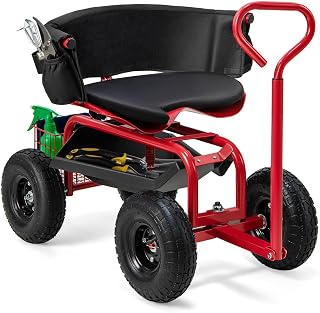


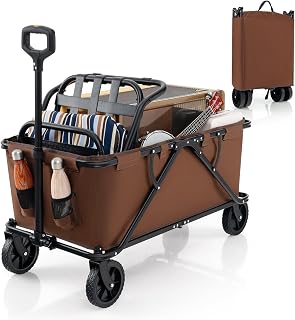


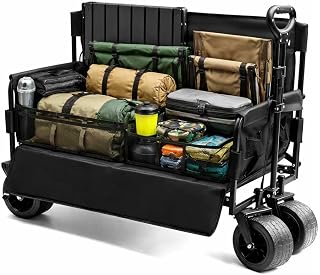


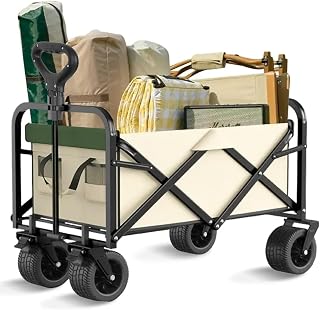


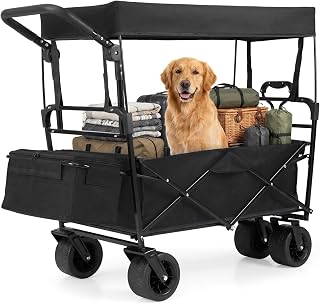


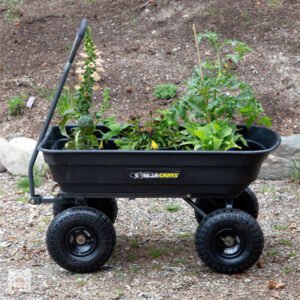
An advanced garden cart is more than a basic way to move soil from one part of the yard to another. The right cart can make it easier to transport mulch, compost, firewood, tools, pavers, potting mix, garden waste and other bulky materials while reducing unnecessary lifting and repeated trips.
For Australian buyers, the best choice depends heavily on the type of property, terrain, climate, storage space and material being transported. A compact utility cart that works well on a flat suburban lawn may be unsuitable for a large acreage with slopes, loose gravel or uneven ground. Likewise, a lightweight plastic garden wagon may be convenient for routine gardening but not appropriate for consistently carrying dense loads.
When comparing the best advanced garden carts solutions for 2026, look beyond the advertised load capacity. Wheel construction, frame strength, tray design, tipping mechanism, handle configuration, manoeuvrability, ground clearance, corrosion resistance and replacement-part availability can all affect long-term usefulness.
The term advanced garden cart can describe several different designs rather than one specific type of product. In practical buying terms, an advanced cart usually provides features that make transporting materials easier, safer or more versatile than a simple two-wheel hand trolley.
The important point is that advanced does not automatically mean heavier, larger or more expensive. A well-designed compact cart can be the better solution when storage space and manoeuvrability matter more than maximum capacity.
Four-wheel carts are a strong all-round option for many Australian gardens because their wider footprint provides useful stability. They are particularly practical when carrying bags, tools, plants, mulch or other materials across relatively firm surfaces.
The main advantage is predictable handling. Instead of balancing the entire load through a single axle and handle, the cart supports the load on multiple wheels. This can make a substantial difference when moving awkward or unevenly distributed materials.
A dump cart is worth considering when the primary job involves moving and unloading loose materials. Soil, mulch, compost, gravel and garden waste can be much easier to distribute when the tray can be tilted rather than emptied manually.
Check how the dumping mechanism operates before buying. A mechanism that is easy to release when the cart is loaded is generally more useful than a design that requires awkward positioning or excessive force.
Folding wagons are aimed at convenience and portability. They can be useful for smaller gardens, transporting gardening supplies, carrying equipment around a property or storing the cart in a shed, garage or vehicle.
The trade-off is that a folding design may prioritise compact storage and easy handling over maximum structural capacity. Buyers should therefore compare the frame, wheels and stated load rating rather than assuming every folding wagon is suitable for heavy materials.
Steel construction can be attractive when durability and resistance to demanding use are priorities. A rigid steel frame can provide a solid platform for heavier loads, but the material alone does not determine overall quality.
Inspect the tray, axle, wheel mounts, fasteners and handle attachment points as a complete system. A very strong tray is of limited value if the wheels or axle are not appropriate for the intended terrain.
Poly carts can be particularly appealing for gardeners who frequently transport wet material or want a surface that is relatively easy to wash. They can also avoid some of the rust concerns associated with damaged or poorly protected steel.
However, plastic construction should not automatically be interpreted as lightweight or low quality. Compare the thickness and shape of the tray, frame support, axle design and wheel assemblies when evaluating different models.
For large blocks, orchards, rural properties and extensive landscaping work, a powered or towable cart can reduce the physical effort associated with repeated hauling. These products belong to a different category from conventional hand-pulled garden wagons and should be assessed according to the towing or powered system, terrain and intended load.
Before choosing a powered solution, consider whether the property actually provides enough space to justify it. A highly capable cart can become inconvenient if it is difficult to manoeuvre around garden beds, gates, narrow paths or sheds.
Load capacity is one of the first specifications shoppers notice, but it should not be considered in isolation. The type of material matters because volume and weight are different problems.
A cart may have plenty of physical space for a large quantity of mulch but become difficult to pull when filled. Conversely, dense materials can create a heavy load before the tray appears full.
Tray dimensions influence what you can transport and how easily you can load it. A deeper tray can help contain loose materials, while a longer or wider bed may be better for bulky garden equipment.
Look at the shape of the tray as well as its nominal dimensions. High sides can be helpful for leaves and mulch, while a lower profile may make it easier to load heavy objects such as bags, pots or landscaping materials.
Wheel diameter has a direct relationship with how easily a cart can pass over irregular surfaces. Larger wheels can be advantageous on grass, loose soil and rough ground because they are generally better suited to rolling over small obstacles than very small wheels.
Wheel width is also important. Wider wheels can spread the load over a larger contact area, which may be useful on softer surfaces. However, wheel design must be considered together with axle strength, bearings and total cart weight.
Pneumatic tyres can provide cushioning and are often useful where the cart travels over uneven outdoor surfaces. Their disadvantage is that they can require inflation and may eventually suffer punctures.
Solid and flat-free wheels remove the need to deal with conventional tyre pressure, making them attractive for users who prioritise low maintenance. The trade-off can be a different ride characteristic, particularly over rough ground.
When comparing products, do not look only for the words pneumatic or flat-free. Examine the complete wheel and axle arrangement and consider whether replacement wheels or tyres can be sourced if required.
The axle carries significant mechanical stress whenever the cart is heavily loaded or travelling over uneven terrain. A strong-looking tray cannot compensate for a poorly suited axle assembly.
Look for a frame that provides appropriate support beneath the tray and around the wheel mounting points. Reinforcement is especially relevant if the cart will regularly transport dense materials rather than lightweight garden waste.
A comfortable handle can make a noticeable difference during repeated trips. Compare handle height, grip shape, steering arrangement and the amount of clearance between the user and the cart.
Some designs use a single pull handle, while others are configured more like a wagon. Neither is universally superior. The right choice depends on whether you value tight manoeuvring, straight-line pulling, reversing or compatibility with a towing system.
Garden carts are often marketed as general-purpose outdoor equipment, but terrain can dramatically change their performance. Before choosing a model, identify the surfaces on which it will actually be used.
Flat lawns generally place fewer demands on the cart than steep or uneven terrain. A compact four-wheel cart or folding wagon may be sufficient for routine garden maintenance.
Loose gravel can increase rolling resistance and make steering more difficult. Wheel size, tyre construction and overall weight become more important in these conditions.
Tree roots, stones, garden edging and rough tracks can expose weaknesses in small wheels, axles and rigid frames. If the cart will regularly cross rough ground, prioritise appropriate wheel dimensions and a chassis designed for outdoor use.
Sloping ground requires particular caution. A cart's advertised capacity does not mean that the same load is easy or safe to control on an incline. Braking, traction, user strength and the direction of travel all matter.
For properties with substantial slopes, consider whether a hand-pulled cart is appropriate at all. A powered or towable solution may be more practical for repeated heavy hauling, depending on the property and equipment available.
Australian conditions vary substantially between regions, from humid coastal environments to hot and dry inland areas. Garden-cart materials should therefore be considered in relation to the environment where the product will be stored and used.
Repeated exposure to strong sunlight can affect outdoor materials over time. If the cart will be stored outside, examine the manufacturer's material guidance and consider providing sheltered storage whenever practical.
Frequent exposure to rain, wet soil and damp garden waste increases the importance of material selection and maintenance. Steel components deserve particular attention to coating condition, fasteners and areas where moisture can collect.
Salt-laden coastal air can be demanding on metal equipment. Buyers living near the coast should pay close attention to corrosion-resistant construction and should not ignore small areas where protective finishes have been damaged.
Storage is part of durability. Keeping a garden cart under cover can reduce unnecessary exposure to rain and sunlight and can make routine cleaning easier. Folding designs may be especially useful when garage or shed space is limited.
Steel is a common choice for rigid, heavy-duty garden carts. It can provide a strong structural foundation, but the quality of the protective finish and the design of joints and hardware still matter.
Poly construction can offer useful resistance to moisture and make cleaning convenient. It is often worth considering for gardening applications involving soil, compost, leaves and wet material.
Many practical carts combine different materials, such as a polymer tray with a metal frame. This approach can balance weight, durability, cleaning convenience and structural support.
Advanced garden carts can include numerous convenience features, but buyers should distinguish genuinely useful functionality from features that have little relevance to their typical work.
The maximum advertised capacity is not the same thing as comfortable everyday performance. Think about how often you will reach that capacity and whether you need to push or pull the loaded cart over grass, gravel or slopes.
Buyers often concentrate on the tray because it is the most visible component. Wheel and axle construction can be equally important because these parts experience constant movement and load transfer.
A large garden cart can appear attractive on paper but become awkward around narrow garden paths. Measure gates, shed doors and storage areas before committing to a large model.
A big tray can hold a considerable amount of material, but dense soil, stones or firewood can become difficult to move long before the tray is physically full.
Outdoor equipment needs basic care. Check whether tyres, wheels, bearings and other wear components can be maintained or replaced rather than treating the cart as maintenance-free equipment.
A cart that remains outdoors because it does not fit inside the available storage area may experience more environmental exposure than necessary. Measure the intended storage location before buying.
Prioritise a tray with useful depth and a design that makes unloading straightforward. A dump-style cart can be particularly convenient when material needs to be distributed across several garden beds.
Weight becomes more important than volume. Choose a structurally capable cart and avoid assuming that filling a large tray to the top will always be practical.
Look for a strong frame, stable wheels and a tray that can contain irregularly shaped pieces. The centre of gravity can change substantially depending on how the wood is stacked.
Leaves, branches and weeds often require more volume than payload capacity. A larger tray can therefore be useful, provided it remains manageable around trees, paths and garden beds.
Stability and tray accessibility become important. Consider whether the cart allows pots to be loaded without excessive lifting and whether the sides provide enough support for awkwardly shaped items.
A versatile utility wagon may be preferable to a highly specialised cart. Look for a balanced combination of capacity, manoeuvrability, durability and storage convenience.
Brand recognition can help narrow a crowded market, but it should not replace specification-level comparison. Depending on the type of garden cart and the equipment ecosystem you already use, shoppers may encounter names such as Gorilla Carts, Ozito, Ryobi, Makita, DEWALT and Kincrome.
Not every brand produces the same type of garden cart, and product ranges can change. Always compare the specific model rather than assuming that every product carrying a familiar brand name offers the same construction or capability.
When reviewing a shortlist of ten products, avoid ranking them solely by price or star rating. A more useful comparison evaluates how well each cart matches the intended application.
Customer reviews can provide useful information, but they are most valuable when interpreted alongside technical specifications. A high average rating does not necessarily mean a product is suitable for every application.
Look for repeated comments about the same practical characteristics. Useful review themes include assembly quality, steering, wheel durability, tray strength, stability, tipping operation and real-world handling.
Many garden carts require some assembly. Before using a newly assembled cart, inspect the wheel attachments, axle hardware, handle connection and tray fasteners.
Remove soil, compost and organic debris after use, particularly when the cart has been exposed to moisture. Dried material can make subsequent cleaning more difficult and may retain moisture against components.
Check wheels for visible damage, unusual movement and debris. Pneumatic tyres should be maintained according to the manufacturer's recommendations, while solid or flat-free wheels should still be inspected for wear.
Heavy loads and uneven ground can place additional stress on mechanical connections. Periodic inspection can help identify loose hardware or unusual wear before the problem becomes more significant.
Keep steel surfaces reasonably clean and dry where possible. If the protective finish becomes damaged, follow the manufacturer's guidance for appropriate repair or corrosion protection.
Covered storage can reduce exposure to rain, direct sunlight and airborne contaminants. For folding carts, storing the unit in its folded configuration can also help preserve valuable shed or garage space.
A garden cart should be loaded in a way that keeps the centre of gravity as stable as reasonably possible. Heavy objects should not be stacked carelessly where they can shift during movement.
A wheelbarrow remains an excellent tool for many gardening tasks, especially where tight manoeuvring and direct lifting into or out of a bed are important. A garden cart offers a different handling arrangement and can provide greater stability for certain loads.
Choose a wheelbarrow when compact manoeuvrability and easy tipping are more important. Choose a garden cart when stable four-wheel support, larger general-purpose hauling or easier transport of awkward loads better matches the work.
The terms garden cart and garden wagon are sometimes used interchangeably, but shoppers should focus on the actual construction rather than the label. A wagon may emphasise passenger-style pulling and general transport, while a cart may be designed more specifically for heavy gardening or utility work.
Compare the frame, tray, wheel arrangement, load rating and intended use of the individual products. The terminology alone is not enough to establish which product is stronger or more suitable.
A hand trolley is usually better suited to tall, narrow loads such as boxes, bags or upright equipment. A garden cart provides a horizontal platform and is generally more appropriate for loose materials, plants, garden waste and bulky outdoor loads.
For properties where both types of transport are useful, owning the appropriate tool for each job can be more efficient than forcing one design to perform every task.
Price should be evaluated against the frequency and difficulty of the work. A homeowner who uses a cart occasionally for lightweight garden waste may gain little from buying a highly specialised heavy-duty model.
On the other hand, someone who repeatedly transports soil, firewood, mulch or landscaping materials may benefit from investing in stronger construction and more suitable wheels.
The most useful value calculation is therefore based on capability rather than purchase price alone. Consider durability, maintenance requirements, replacement components, storage, comfort and whether the cart can handle the tasks you actually expect it to perform.
Before choosing from the best advanced garden carts available in 2026, use this checklist to narrow the shortlist.
The most useful garden cart is one that matches the majority of your regular jobs. Instead of selecting the largest model available, consider the loads you move most often and the route the cart must travel.
For suburban gardeners, manoeuvrability and storage can be more valuable than extreme capacity. For acreage owners, wheel performance and load handling may matter more. For landscaping projects, dumping functionality can save substantial manual effort. For occasional use, a folding wagon may offer a practical compromise between capability and storage.
There is no single best garden cart for every Australian buyer. The right option depends on load weight, terrain, tray requirements, storage space, desired durability and budget. A compact cart may be ideal for a suburban garden, while a heavy-duty or powered design may make more sense for a large property.
Choose a size based on the materials you actually transport and the physical route the cart will take. Measure narrow gates, garden paths and storage areas before choosing a large model. A slightly smaller cart that is easy to manoeuvre can be more useful than a large cart that cannot comfortably access the areas where you work.
Neither is universally better. Four-wheel carts can provide useful stability and are well suited to many hauling tasks, while wheelbarrows can offer excellent manoeuvrability and convenient tipping. The better option depends on the material, terrain and working environment.
A quality plastic or polymer tray can be durable for appropriate gardening applications. Construction quality depends on more than the tray material, so compare the frame, axle, wheel mounts and overall design rather than judging durability solely from whether the cart is plastic or steel.
Pneumatic tyres can provide cushioning and may be useful on uneven outdoor terrain, while solid or flat-free wheels can reduce concerns about punctures and inflation. The better choice depends on terrain, maintenance preferences and the specific wheel construction.
Many garden carts are designed for garden materials, but dense materials such as soil and gravel can create substantial loads. Check the manufacturer's load rating and consider how the loaded cart will be moved across the intended surface before using it for heavy materials.
A dump cart can be particularly useful if you frequently transport loose materials that must be unloaded at the destination. If your typical loads consist of tools, bags or individual objects, the additional dumping mechanism may be less important.
Look for a design with wheels and an axle appropriate for outdoor terrain, adequate ground clearance and a stable frame. Larger or wider wheels can be advantageous in some conditions, but the complete wheel and chassis design should be considered.
Pay particular attention to corrosion-conscious construction, protective finishes, hardware and storage. Regular cleaning and sheltered storage can also help reduce unnecessary environmental exposure.
Maintenance frequency depends on use and environmental exposure. Inspect the cart regularly, especially after heavy loads or rough-terrain use, and follow the manufacturer's recommendations for wheels, bearings, fasteners and other serviceable components.
A folding cart is worth considering when storage space and portability are priorities. Before buying, verify that the folded dimensions suit your storage area and that the folding construction still provides the load capacity and stability required for your normal tasks.
No. A higher price can reflect additional features, heavier construction or a different design, but those benefits are only valuable if they match your requirements. Compare specifications, construction, intended use and verified customer feedback rather than using price as a direct measure of quality.
The best advanced garden cart is ultimately the one that fits the work rather than the one with the longest feature list. Australian buyers should consider the weight and volume of typical loads, the surfaces around the property, available storage, local environmental conditions and the amount of manual effort involved.
Start by identifying the three or four jobs the cart will perform most often. Then compare load capacity, tray dimensions, wheels, axle construction, frame strength, handle design and unloading functionality. For frequent heavy hauling, give greater attention to structural components and wheel performance. For occasional gardening, prioritise convenience, manoeuvrability and storage.
Before making a final purchase decision, compare the latest specifications, read verified customer reviews, check current Australian prices and confirm that the selected configuration is appropriate for your intended workload. Product names, configurations and availability can change during 2026, so current retailer and manufacturer information should always take priority over older listings.
A careful comparison can help you avoid paying for unnecessary capacity while also preventing the opposite mistake of choosing a cart that is too lightly built for your property. Whether you need a compact garden wagon, a heavy-duty utility cart, a dump cart or a powered hauling solution, matching the design to the job is the most reliable way to find a practical long-term option.