

♥ Wishlist


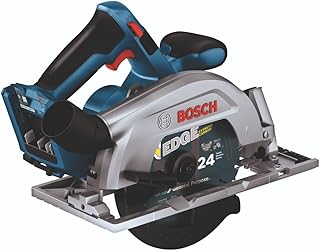


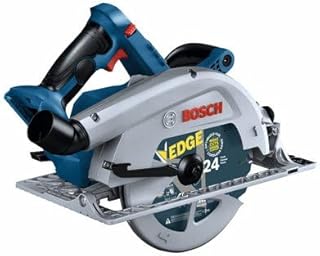


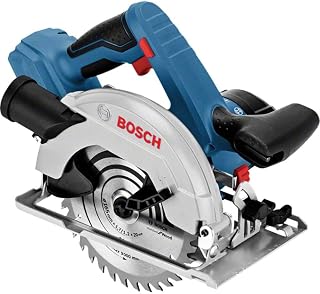

Bosch Circular Saws are designed for users who need consistent cutting performance and practical control during woodworking and construction tasks. A circular saw uses a rotating blade to create straight cuts, making it useful for cutting timber boards, sheet materials and other compatible workpieces. When selecting a saw, consider the material you regularly cut, the required cutting depth, available power source and the type of work you intend to complete.
For Australian workshops, renovation projects and building applications, the right circular saw can make repeated straight cuts more manageable. Bosch offers circular saw designs across different applications, so shoppers can compare corded and cordless formats according to their workspace and working habits. A cordless model can be convenient when mobility matters, while a corded saw can suit users who prefer continuous mains-powered operation near a suitable power outlet.
Start by identifying the materials and thicknesses you expect to cut. Timber framing, sheet goods, shelving panels and general carpentry can all require different cutting capacities. Blade diameter and maximum cutting depth are therefore important specifications to check before purchasing. A larger blade may provide greater cutting capacity, while a compact saw can be easier to handle for certain jobs.
Also consider the type of cuts you need to make. Circular saws are commonly used for straight cuts, while compatible guides or accessories can help users achieve more controlled results where appropriate. If your projects involve repeated cuts, look for a saw that offers comfortable handling and controls that are easy to access during operation.
Cordless Bosch Circular Saws can provide greater freedom of movement around a job site or workshop. They are particularly useful where extension leads are inconvenient or where cutting needs to take place away from fixed power points. Before choosing a cordless model, check its battery platform and confirm compatibility with the batteries and chargers you already use.
Corded circular saws provide a direct connection to mains power and can be suitable for users who regularly work near an appropriate power source. They can make sense for fixed workshop environments or longer cutting sessions where battery charging is not part of the workflow. Always check the product specifications and electrical requirements before use.
Blade specifications can significantly affect how a circular saw performs for a particular task. Check the stated blade diameter, bore size, maximum cutting depth and recommended blade type. Cutting depth can also change when the saw is adjusted for bevel cuts, so review the manufacturer's specifications rather than assuming the maximum figure applies to every cutting angle.
Bevel adjustment can add flexibility for projects that require angled cuts. If you work on cabinetry, framing, furniture components or other detailed projects, consider whether the available bevel range matches your requirements. A clearly marked adjustment mechanism can also make repeated angle changes easier to manage.
Compare ergonomics, power source, blade compatibility, cutting capacity and intended application before selecting a Bosch circular saw. Weight can affect comfort during longer jobs, while grip design and control placement may influence handling. Dust management can also be worth considering when working indoors or in workshop environments.
For cordless models, battery voltage and runtime considerations should be reviewed alongside the type of work you perform. For corded models, consider cable access and workspace layout. It is also useful to check whether the selected saw is supplied with accessories or whether blades, guides and other equipment need to be purchased separately.
A circular saw is a high-speed cutting tool and should always be used according to the manufacturer's instructions. Secure the workpiece properly, use the correct blade for the material and wear suitable personal protective equipment. Keep hands away from the blade path and allow the blade to stop fully before placing the tool down or making adjustments.
Before starting a cut, inspect the workpiece and confirm that the blade will not contact hidden fasteners, cables or other hazards. Maintain a stable working position and avoid forcing the saw through material. Regularly inspect the blade and tool condition, and replace damaged or unsuitable components before continuing work.
Whether you are preparing timber for a renovation, cutting sheet materials in a workshop or completing general carpentry work, choosing the right Bosch Circular Saw starts with understanding your requirements. Compare cutting capacity, power source, blade specifications and handling features to select equipment that suits your Australian projects.
Choose Bosch Circular Saws for controlled, practical cutting across a wide range of woodworking and building tasks. From workshop projects to renovation work, a suitable circular saw can help you make straight cuts through timber, boards and other compatible materials. Australian shoppers can compare saw formats, power options, blade sizes and features to find a model that matches their tools, materials and working environment.